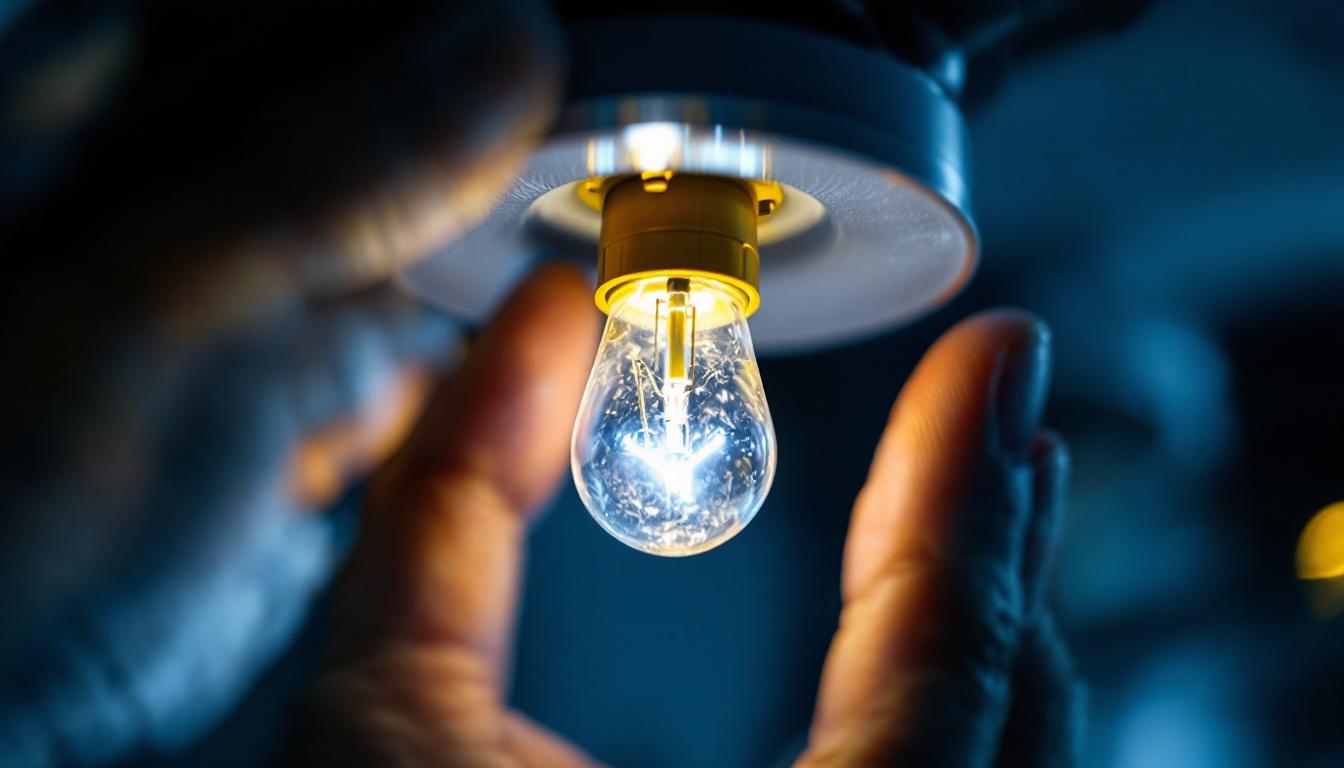
Understanding the Small Two Pin Light Bulb: A Fundamental Component
For lighting contractors, the small two pin light bulb represents a critical element in a wide range of lighting applications. These bulbs, often recognized by their compact size and dual-pin base, are widely used in residential, commercial, and specialized lighting fixtures. Their design facilitates easy installation and replacement, making them a preferred choice for many lighting solutions.
The two pin configuration typically refers to the bi-pin base, where two metal pins protrude from the bulb’s base. This design ensures a secure and stable electrical connection, which is essential for consistent lighting performance. Understanding the specifications and variations of these bulbs enables contractors to select the most appropriate option for each project, ensuring both functionality and longevity.
Technical Specifications and Variants
Small two pin bulbs come in various sizes, wattages, and types, including halogen, LED, and fluorescent versions. Each type offers distinct advantages. For instance, halogen bulbs provide bright, crisp light and excellent color rendering but tend to consume more energy and generate more heat. LED versions, on the other hand, offer superior energy efficiency and longer lifespans, which are increasingly favored in modern lighting designs.
Contractors must be familiar with the different base sizes, such as G4, G5.3, and G6.35, which denote the pin spacing in millimeters. Selecting the correct base size is crucial to ensure compatibility with fixtures and to avoid electrical issues. Additionally, understanding voltage requirements—whether low voltage (12V) or line voltage (120V or 230V)—is essential for safe and effective installations.
Moreover, the advancements in LED technology have led to the development of dimmable options, allowing for greater control over lighting ambiance. This is particularly useful in settings like restaurants or theaters, where mood lighting can enhance the overall experience. Furthermore, the color temperature of these bulbs can vary widely, ranging from warm white to cool daylight, providing flexibility in achieving the desired aesthetic. Lighting contractors should also consider the color rendering index (CRI) of the bulbs, as a higher CRI indicates that colors will appear more vibrant and true to life under the light, which is especially important in retail and art display environments.
Another aspect to consider is the environmental impact of the chosen bulb type. While halogen bulbs are less energy-efficient, LED bulbs are not only more sustainable due to their lower energy consumption but also free from hazardous materials like mercury, which is found in some fluorescent options. As the demand for eco-friendly solutions grows, contractors are increasingly tasked with educating clients about the benefits of choosing energy-efficient lighting options that align with sustainable practices. This knowledge not only enhances the contractor’s credibility but also empowers clients to make informed decisions that benefit both their spaces and the environment.
The Role of Small Two Pin Light Bulbs in Lighting Projects
Lighting contractors often encounter scenarios where small two pin light bulbs are the ideal solution. Their compact form factor allows them to fit into tight spaces, such as under-cabinet lighting, display cases, and accent lighting. This versatility makes them indispensable in both new installations and retrofit projects. The ability to integrate these bulbs into various fixtures means that designers can achieve a seamless look while maximizing the use of available space. For instance, in kitchens, these bulbs can be strategically placed to illuminate countertops without being obtrusive, thereby enhancing both functionality and style.
Moreover, the quality of light produced by these bulbs can significantly impact the ambiance and functionality of a space. For example, in retail environments, the right bulb can enhance product displays by providing focused, high-quality illumination. In residential settings, they contribute to creating comfortable and aesthetically pleasing atmospheres. The color temperature of small two pin bulbs can also be tailored to suit different applications, from warm tones that create a cozy feel in living rooms to cooler hues that promote alertness in workspaces. This adaptability allows lighting contractors to customize solutions that meet the specific needs and preferences of their clients.
Energy Efficiency and Sustainability Considerations
With increasing emphasis on energy efficiency and environmental responsibility, lighting contractors must prioritize bulbs that align with these goals. Small two pin LED bulbs are particularly advantageous due to their low power consumption and reduced heat output. This not only lowers energy bills for clients but also reduces the environmental footprint of lighting installations. Furthermore, the longevity of LED bulbs means less frequent replacements, which contributes to less waste and lower maintenance costs over time. As clients become more environmentally conscious, the demand for sustainable lighting solutions continues to rise, making it crucial for contractors to stay ahead of the curve.
Additionally, many regions have regulations and incentives encouraging the use of energy-efficient lighting. Contractors who stay informed about these policies can better advise clients and ensure compliance, enhancing their professional reputation and competitive edge. Understanding local energy codes and available rebates can help contractors not only save their clients money but also position themselves as knowledgeable experts in the field. This proactive approach can lead to increased client trust and potentially more referrals, as satisfied customers share their positive experiences with others. As the lighting industry evolves, embracing energy-efficient technologies like small two pin bulbs will be key to staying relevant and successful in this competitive market.
Installation Best Practices for Lighting Contractors
Proper installation of small two pin light bulbs is essential to maximize their performance and lifespan. Lighting contractors must follow manufacturer guidelines and industry standards to avoid common pitfalls such as poor electrical connections, overheating, and premature bulb failure.
One key practice is ensuring that the fixture is compatible with the bulb type and voltage. For instance, using a low voltage bulb in a line voltage fixture can cause immediate failure or safety hazards. Additionally, contractors should verify that the fixture’s transformer or driver matches the bulb’s requirements, especially in low voltage systems.
Handling and Safety Precautions
Small two pin bulbs, particularly halogen types, can be sensitive to oils and dirt from hands, which may shorten their lifespan. Contractors should use gloves or clean cloths when handling these bulbs to maintain their integrity. Furthermore, ensuring that the bulbs are securely seated in their sockets prevents flickering and electrical arcing.
Safety is paramount during installation. Contractors must de-energize circuits before bulb replacement and use insulated tools when necessary. Proper disposal of old bulbs, especially those containing hazardous materials like mercury in some fluorescent types, is also critical to comply with environmental regulations.
Common Challenges and Solutions in Using Small Two Pin Light Bulbs
Despite their advantages, small two pin light bulbs can present challenges that lighting contractors need to address proactively. Issues such as bulb compatibility, heat management, and fixture limitations require careful consideration during project planning and execution.
Compatibility and Sourcing Challenges
One frequent challenge is sourcing the correct bulb type, especially for older or specialized fixtures. Lighting contractors must maintain relationships with reliable suppliers and stay updated on product availability. Utilizing universal or adaptable bulb options can sometimes mitigate compatibility issues, but this requires thorough knowledge of electrical and fixture specifications.
Additionally, counterfeit or substandard bulbs can pose risks to safety and performance. Contractors should prioritize purchasing from reputable manufacturers and verify product certifications to ensure quality assurance.
Heat Dissipation and Longevity
Heat generated by certain small two pin bulbs, particularly halogen types, can affect both the bulb and the fixture. Excessive heat may lead to premature bulb failure or damage to fixture components. Contractors can address this by selecting bulbs with lower wattages, using LED alternatives, or ensuring adequate ventilation within the fixture design.
Implementing these solutions not only extends the lifespan of the bulbs but also enhances overall system reliability, reducing maintenance costs and client complaints.
Advancements and Trends Impacting Lighting Contractors
The lighting industry is continually evolving, with technological advancements influencing the use and performance of small two pin light bulbs. Staying informed about these trends enables lighting contractors to offer cutting-edge solutions and maintain a competitive advantage.
Integration with Smart Lighting Systems
Smart lighting technologies are increasingly incorporating small two pin bulbs, particularly LEDs, into their designs. These bulbs can be integrated with sensors, dimmers, and wireless controls, allowing for customizable and energy-efficient lighting environments. Lighting contractors skilled in smart system installation can leverage this trend to meet growing client demand for intelligent lighting solutions.
Improved Energy Standards and Certifications
New energy standards and certifications, such as ENERGY STAR and other regional programs, are pushing manufacturers to produce more efficient and environmentally friendly small two pin bulbs. Contractors who prioritize these certified products can assure clients of high-quality, compliant lighting solutions that contribute to sustainability goals.
Conclusion: The Strategic Importance of Small Two Pin Light Bulbs for Lighting Contractors
Small two pin light bulbs are more than just a lighting component; they are a strategic asset for lighting contractors. Their versatility, efficiency, and adaptability make them essential in delivering high-quality lighting solutions across diverse applications. By understanding their technical specifications, installation best practices, and emerging trends, contractors can optimize project outcomes and enhance client satisfaction.
Moreover, embracing energy-efficient and smart lighting technologies involving small two pin bulbs positions contractors at the forefront of the industry’s future. This knowledge empowers professionals to navigate challenges effectively, uphold safety standards, and contribute to sustainable lighting practices.
Ultimately, mastery of small two pin light bulbs not only improves the technical execution of lighting projects but also strengthens the contractor’s reputation as a knowledgeable and reliable expert in the field.
Illuminate Your Projects with LumenWholesale
Ready to enhance your lighting projects with the strategic advantage of small two pin light bulbs? At LumenWholesale, we provide lighting contractors like you with an extensive selection of top-quality, spec-grade lighting products at unbeatable wholesale prices. Say goodbye to inflated markups and hello to superior lighting products that meet the highest industry standards. Plus, with free shipping on bulk orders, you can stock up on premium lighting solutions at the best value — without any hidden fees. Elevate your lighting game and experience the perfect blend of quality, affordability, and convenience. Visit LumenWholesale today for Wholesale Lighting at the Best Value, and light up your projects with confidence.