Understanding the Basics of LED Strip Lighting in Residential Settings
LED strip lighting has become an increasingly popular choice for residential lighting projects, offering versatility, energy efficiency, and aesthetic appeal. For lighting contractors, understanding the fundamental aspects of LED strip lighting is essential to delivering high-quality installations that meet client expectations.
LED strips are flexible circuit boards populated with surface-mounted light-emitting diodes (LEDs). They come in various densities, color temperatures, and waterproof ratings, allowing for customization based on the environment and desired effect. Their slim profile makes them ideal for under-cabinet lighting, accent lighting, cove lighting, and even as primary light sources in some applications.
One key advantage of LED strip lighting is its energy efficiency. Compared to traditional incandescent or fluorescent lighting, LED strips consume significantly less power while providing comparable or superior illumination. This not only reduces energy costs for homeowners but also aligns with growing environmental standards and regulations.
In addition to their energy-saving benefits, LED strip lights offer remarkable longevity, with many products rated for up to 50,000 hours of use. This durability means that homeowners can enjoy consistent lighting without the frequent need for replacements, making LED strips a cost-effective solution over time. Furthermore, the low heat output of LEDs minimizes the risk of overheating, making them safer to use in enclosed spaces or near heat-sensitive materials.
Another noteworthy feature of LED strip lighting is its adaptability to smart home systems. Many modern LED strips can be integrated with smart technology, allowing users to control brightness, color, and even scheduling through mobile apps or voice commands. This level of control not only enhances convenience but also provides homeowners with the ability to create dynamic lighting scenes that can change with the time of day or occasion, adding an extra layer of personalization to their living spaces.
Common Installation Challenges and Solutions
Power Supply and Voltage Considerations
One of the most frequent questions lighting contractors encounter involves selecting the appropriate power supply for LED strip installations. LED strips typically operate on low voltage—commonly 12V or 24V DC—which requires a compatible transformer or driver.
Contractors must calculate the total wattage of the LED strips to determine the correct power supply capacity. Undersized power supplies can lead to flickering, dimming, or premature failure of the LEDs. Conversely, oversized power supplies may be less efficient but generally do not harm the system.
It’s also important to consider voltage drop, especially for longer runs of LED strips. Voltage drop can cause uneven brightness along the strip, with LEDs farther from the power source appearing dimmer. To mitigate this, contractors may use thicker gauge wiring, inject power at multiple points, or segment the strip into shorter runs with separate power feeds.
Additionally, it’s essential to account for the total length of the LED strip when planning the installation. Many manufacturers provide guidelines on the maximum run length for their products, and exceeding this can lead to performance issues. For instance, if a contractor is working with a 16.4-foot strip, they should ensure that the power supply can adequately support the entire length without exceeding the recommended wattage per foot. This careful planning not only enhances the performance of the lighting but also extends the lifespan of the LEDs, ensuring that clients receive a reliable and vibrant lighting solution.
Adhesion and Mounting Techniques
Another common concern is ensuring the LED strips adhere securely to various surfaces. Most LED strips come with an adhesive backing, but its effectiveness depends on the surface texture, cleanliness, and environmental conditions.
For smooth, clean surfaces like painted drywall or polished wood, the adhesive typically performs well. However, on rough or porous surfaces such as brick or textured plaster, additional mounting methods like clips, channels, or brackets may be necessary.
Lighting contractors should always prepare the surface by cleaning it thoroughly to remove dust, oils, or residues that could compromise adhesion. In humid or outdoor environments, selecting waterproof LED strips with robust mounting solutions is critical to ensure longevity.
Moreover, temperature fluctuations can impact the adhesive’s performance. In environments with extreme heat or cold, the adhesive may lose its grip over time. To combat this, contractors might consider using heat-resistant adhesives or silicone sealants that can withstand varying temperatures while providing a secure bond. Additionally, for installations in high-traffic areas, using mechanical fasteners in conjunction with adhesive can provide extra security, ensuring that the LED strips remain firmly in place even under physical stress. This dual approach not only enhances the durability of the installation but also reassures clients that their lighting will remain functional and aesthetically pleasing for years to come.
Design Considerations for Optimal Aesthetic and Functionality
Color Temperature and Lighting Effects
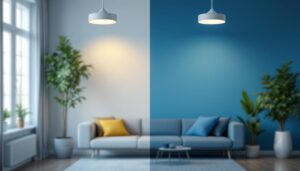
Choosing the right color temperature is crucial for achieving the desired ambiance in residential spaces. LED strips are available in a range of color temperatures measured in Kelvins (K), typically spanning from warm white (2700K–3000K) to cool white (5000K–6500K).
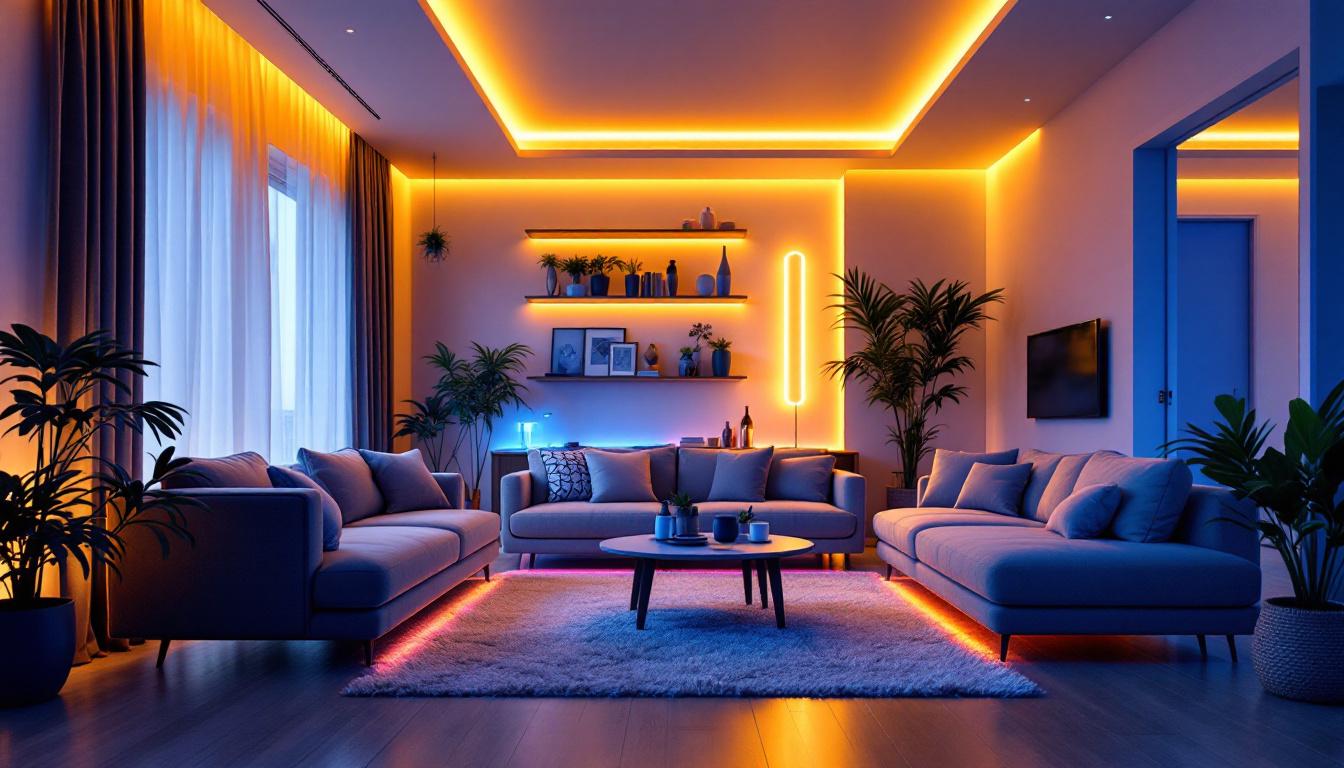
Warm white lighting creates a cozy, inviting atmosphere, making it ideal for living rooms, bedrooms, and dining areas. Cool white lighting offers a brighter, more energizing effect, suitable for kitchens, bathrooms, and workspaces. Understanding the psychological effects of color temperature can further enhance the design; for example, warmer tones can promote relaxation and comfort, while cooler tones can stimulate alertness and focus, making them perfect for areas where productivity is key.
Additionally, RGB (Red, Green, Blue) and RGBW (RGB plus White) LED strips allow for dynamic color-changing effects, controlled via remote or smart home systems. These options are popular for accent lighting, entertainment rooms, and creative installations. The ability to customize colors not only adds a playful element to the design but also allows homeowners to adapt their spaces for different moods or occasions, such as hosting a party or enjoying a quiet evening in.
Placement and Diffusion Techniques
Proper placement of LED strips significantly impacts both the visual appeal and functional performance of the lighting. Installing strips in recessed channels or behind diffusers softens the light output, reducing glare and creating a more uniform glow.
Lighting contractors often use aluminum profiles with frosted covers to house LED strips. These profiles not only protect the strips from dust and physical damage but also act as heat sinks, enhancing the lifespan of the LEDs. Furthermore, the choice of materials for these profiles can influence the overall aesthetic; for instance, sleek, modern finishes can complement contemporary designs, while more ornate styles may suit traditional interiors.
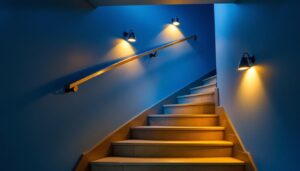
Strategic placement, such as under cabinets, along staircases, or within coves, can highlight architectural features and improve spatial perception. Combining LED strips with other lighting types, like downlights or sconces, can create layered lighting schemes that enhance both aesthetics and functionality. For instance, illuminating artwork with LED strips can draw attention to the pieces while providing a soft backdrop that enhances the overall room design. Additionally, incorporating motion sensors with LED strips in high-traffic areas can improve convenience and energy efficiency, ensuring that spaces are well-lit only when needed.
Technical Specifications and Compliance
IP Ratings and Environmental Suitability
Understanding Ingress Protection (IP) ratings is vital when selecting LED strips for different residential areas. The IP rating indicates the level of protection against solids and liquids, which is especially important in kitchens, bathrooms, or outdoor installations.
For indoor, dry locations, LED strips with IP20 ratings are typically sufficient. However, for areas exposed to moisture or dust, such as near sinks or exterior eaves, strips with IP65 or higher are recommended to prevent damage and ensure safety.
Safety Standards and Electrical Codes
Lighting contractors must ensure that all LED strip installations comply with local electrical codes and safety standards. This includes proper grounding, circuit protection, and adherence to maximum load capacities.
Using UL-listed or equivalent certified components helps guarantee product safety and reliability. Additionally, integrating dimmers and controllers compatible with LED technology prevents issues like flickering or buzzing, enhancing the user experience.
Maintenance and Longevity of LED Strip Lighting
Expected Lifespan and Performance Degradation
LED strips generally offer a long lifespan, often rated between 25,000 to 50,000 hours of operation. However, factors such as heat buildup, power supply quality, and environmental conditions can affect longevity.
Proper installation that includes adequate heat dissipation methods, like aluminum channels, can significantly extend the life of LED strips. Contractors should advise clients on avoiding excessive bending or twisting of strips, which can damage the circuitry.
Troubleshooting Common Issues
Lighting contractors frequently address issues like flickering, dimming, or partial failure of LED strips. Common causes include loose connections, insufficient power supply capacity, or voltage drop.
Regular inspection and testing during installation can prevent many problems. When troubleshooting, contractors should check wiring integrity, verify power supply specifications, and ensure compatibility between components.
Emerging Trends and Technologies in Residential LED Strip Lighting
As LED technology continues to evolve, lighting contractors should stay informed about emerging trends that can enhance their service offerings. Smart LED strips integrated with home automation systems allow homeowners to control lighting remotely, adjust colors, and set schedules for energy savings.
Advancements in tunable white technology enable dynamic adjustment of color temperature throughout the day, promoting circadian rhythm health and improving occupant comfort. Additionally, improvements in LED efficiency and miniaturization are opening new possibilities for discreet and innovative lighting designs.
By embracing these trends, lighting contractors can provide cutting-edge solutions that meet the growing demands of modern homeowners.
Conclusion
LED strip lighting represents a versatile and energy-efficient option for residential lighting projects. For lighting contractors, mastering the technical, aesthetic, and regulatory aspects of LED strip installations is essential to delivering successful outcomes.
Addressing common questions related to power supply, mounting, color temperature, and compliance ensures that installations are both functional and visually appealing. Staying abreast of technological advancements further empowers contractors to offer innovative solutions that enhance the living environments of their clients.
With careful planning, attention to detail, and adherence to best practices, LED strip lighting can transform residential spaces, making them brighter, more inviting, and energy-conscious.
Get Your Premium LED Strip Lighting at LumenWholesale
Ready to elevate your lighting projects with the highest quality LED strip lighting? Look no further than LumenWholesale, where we provide contractors with spec-grade lighting solutions at unbeatable wholesale prices. Our extensive selection not only meets but exceeds industry standards, ensuring you deliver exceptional, reliable lighting installations every time. With free shipping on bulk orders, you can stock up on superior lighting products at the best value, all without the hassle of hidden fees or inflated markups. Transform your residential lighting projects with the perfect blend of quality, affordability, and convenience. Wholesale Lighting at the Best Value is just a click away.