Why Understanding LED Components Matters for Lighting Contractors
LED technology has transformed the lighting industry, offering unparalleled energy efficiency, longevity, and design flexibility. But to truly leverage these benefits, lighting contractors must grasp the inner workings of LED light bulbs. Knowing the parts inside an LED bulb is more than just technical curiosity-it’s essential for installation, troubleshooting, and advising clients on the best solutions.
When a client asks why an LED bulb costs more upfront but saves money over time, or why certain fixtures require specific LED types, understanding the components allows contractors to provide clear, confident answers. It also aids in diagnosing issues such as flickering, dimming, or premature failure, which often stem from component-level problems rather than the LED chip itself.
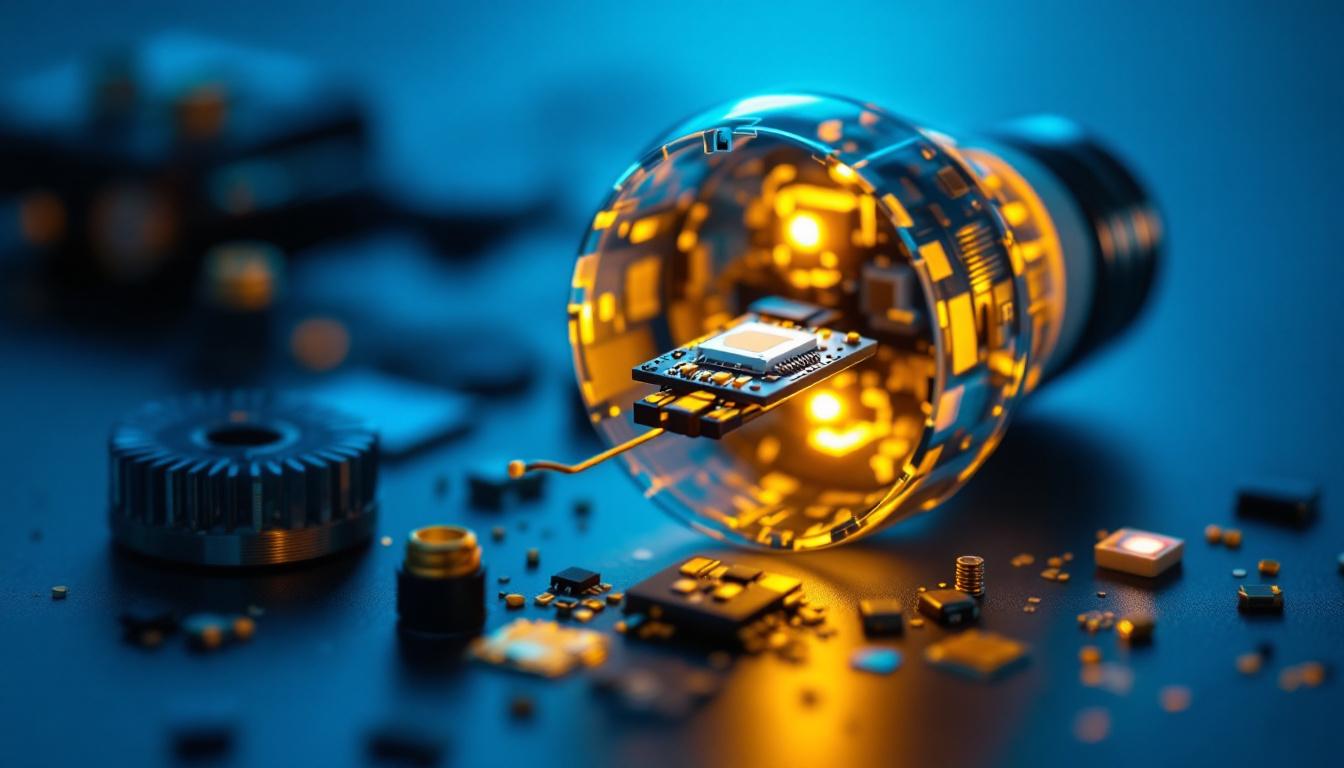
Each LED bulb comprises several critical components, including the LED chip, driver, heat sink, and lens. The LED chip is the heart of the bulb, responsible for emitting light when an electrical current passes through it. The driver, on the other hand, regulates the power supplied to the LED chip, ensuring it operates within safe parameters. This is particularly important because fluctuations in voltage can lead to reduced lifespan or performance issues. The heat sink plays a vital role in dissipating heat generated during operation, which is crucial for maintaining efficiency and preventing damage to the LED chip. Understanding these components not only helps contractors choose the right products but also empowers them to educate clients on the importance of quality and compatibility in lighting solutions.
Moreover, as the industry evolves, new advancements in LED technology continue to emerge, such as smart LEDs that integrate with home automation systems. Familiarity with these innovations enables contractors to stay competitive and offer cutting-edge solutions that meet the growing demand for energy-efficient and user-friendly lighting. By being knowledgeable about the latest trends and technologies, contractors can position themselves as trusted advisors, guiding clients through the myriad of options available in the market. This not only enhances customer satisfaction but also fosters long-term relationships built on expertise and reliability.
The Core Components of an LED Light Bulb
The LED Chip: The Heart of the Bulb
The LED chip is the semiconductor device that converts electrical energy into light. It’s a tiny but powerful component made primarily from gallium nitride or similar materials. The chip’s efficiency, color temperature, and brightness depend on its design and manufacturing quality.
For lighting contractors, recognizing the chip’s role is crucial because it influences the bulb’s color rendering index (CRI), lumen output, and lifespan. High-quality chips emit consistent light with minimal color shift over time, which is vital for both residential and commercial applications. Moreover, advancements in chip technology have led to the development of multi-chip configurations that can produce a broader spectrum of light, enhancing the visual appeal of spaces and improving energy efficiency.
Substrate and Phosphor Layer
The LED chip sits on a substrate, often made from ceramic or metal, which helps dissipate heat. Heat management is critical since excessive heat reduces LED efficiency and longevity. The phosphor layer, applied over the chip, converts the blue or ultraviolet light emitted by the chip into visible white light. Different phosphor formulations produce various color temperatures, from warm white to daylight.
Understanding these layers helps contractors select bulbs that maintain color consistency and brightness, especially in environments where lighting quality impacts mood or productivity. Additionally, the choice of phosphor can influence not just the color temperature but also the perceived warmth or coolness of the light, which can be particularly important in settings like restaurants or retail spaces where ambiance plays a significant role in customer experience.
Driver Circuit: The Power Regulator
The driver circuit is the electrical component that regulates power to the LED chip. It converts the incoming AC voltage to a stable DC current suitable for the LED. This part is often overlooked but is one of the most common points of failure in LED bulbs.
Drivers can be constant current or constant voltage types, and their quality directly affects flicker, dimming capability, and overall bulb lifespan. Lighting contractors should consider driver specifications when recommending bulbs for dimmable fixtures or sensitive installations. Furthermore, smart drivers are now emerging, allowing for integration with home automation systems, which can enhance energy savings and provide users with more control over their lighting environments.
Heat Sink: Managing Thermal Performance
LEDs generate heat that must be efficiently dissipated to maintain performance and prevent damage. The heat sink, typically made from aluminum or other thermally conductive materials, draws heat away from the LED chip and driver.
Proper heat sinking extends bulb life and maintains light output. Contractors should be aware that fixtures with poor ventilation can exacerbate heat issues, making heat sink design a key consideration in installation planning. Innovative designs, such as those incorporating fins or advanced thermal interface materials, can further enhance heat dissipation, allowing for more compact bulb designs without sacrificing performance.
Lens and Diffuser: Shaping the Light
The lens or diffuser covers the LED chip and affects how light is distributed. Lenses focus or spread light beams, while diffusers soften the light to reduce glare and create uniform illumination.
For contractors, understanding these optical components is essential when matching bulbs to fixture types or lighting design goals, such as spotlighting versus ambient lighting. The choice of material for lenses and diffusers also plays a crucial role; for instance, polycarbonate lenses are known for their durability and impact resistance, while glass lenses can provide superior optical clarity. This knowledge allows contractors to tailor lighting solutions to specific applications, enhancing both functionality and aesthetic appeal.
Housing and Base: The Structural Elements
The housing protects internal components and contributes to heat dissipation. It also influences the bulb’s compatibility with fixtures. The base connects the bulb electrically and mechanically to the socket, with common types including E26, GU10, and others.
Contractors should verify base types and housing dimensions to ensure proper fit and electrical safety during installations. Additionally, the design of the housing can affect the bulb’s overall aesthetic; sleek, modern designs may be preferred in contemporary settings, while more traditional styles might be better suited for classic interiors. Understanding these nuances can help contractors provide clients with options that not only meet technical specifications but also align with their design preferences.
Common Issues Linked to LED Bulb Components
Flickering and Dimming Problems
Flickering often stems from driver circuit issues or incompatibility with dimmer switches. Not all LED drivers support dimming, and some may flicker when paired with older dimmers designed for incandescent bulbs.
Lighting contractors can prevent flicker by specifying bulbs with compatible drivers and recommending modern dimmers designed for LED technology.
Premature Failure Due to Heat
Overheating is the leading cause of early LED bulb failure. Poor heat sink design or installation in enclosed fixtures without adequate airflow can cause components to degrade rapidly.
Contractors should advise clients on fixture compatibility and consider thermal management when selecting LED bulbs, especially for high-use or enclosed environments.
Color Shift and Light Quality Degradation
Phosphor degradation or chip aging can cause color shifts over time, leading to inconsistent lighting. This issue is more common in lower-quality bulbs with inferior materials.
Choosing reputable brands with proven component quality helps ensure long-term color stability, an important factor in commercial and hospitality settings.
Advancements in LED Technology Impacting Component Design
Integration of Smart Features
Modern LED bulbs increasingly incorporate smart drivers and wireless communication modules, enabling remote control, color tuning, and energy monitoring. These additions complicate the internal design but offer new value propositions for contractors and end-users.
Understanding these integrated components allows contractors to advise on compatibility with smart home systems and anticipate installation requirements.
Improved Thermal Materials and Designs
Advancements in materials science have led to more efficient heat sinks and substrates, improving thermal management without increasing bulb size. This progress enables brighter, longer-lasting bulbs suitable for diverse applications.
Contractors benefit from staying informed about these innovations to select the best products for challenging installations.
Enhanced Driver Efficiency and Reliability
New driver designs reduce energy loss and improve power factor, contributing to overall system efficiency. Additionally, better surge protection and thermal safeguards increase bulb reliability.
Contractors should prioritize bulbs with advanced drivers to minimize maintenance calls and enhance client satisfaction.
Practical Tips for Lighting Contractors When Working with LED Bulbs
Assess Fixture Compatibility Thoroughly
Not all LED bulbs fit or function well in every fixture. Check socket type, fixture size, ventilation, and dimmer compatibility before installation. This prevents common issues like overheating and flickering.
Prioritize Quality Over Cost
Lower-priced bulbs often cut corners on critical components like drivers and phosphors. Investing in higher-quality bulbs reduces callbacks and enhances reputation.
Stay Updated on Industry Standards
Familiarize yourself with evolving standards such as ENERGY STAR, DLC listings, and safety certifications. These benchmarks indicate component quality and performance reliability.
Educate Clients on LED Benefits and Limitations
Clear communication about what LED bulbs can and cannot do builds trust. Explain why certain bulbs cost more and how component quality affects longevity and light quality.
Conclusion: Mastering LED Components for Better Lighting Solutions
For lighting contractors, a deep understanding of LED light bulb parts is a powerful tool. It enables informed product selection, effective troubleshooting, and confident client guidance. As LED technology continues to evolve, staying knowledgeable about components-from chips and drivers to heat sinks and optics-ensures that contractors can deliver lighting solutions that are efficient, reliable, and tailored to each project’s needs.
Embracing this technical insight not only improves installation outcomes but also strengthens professional credibility in a competitive market. The science behind LED bulbs is complex, but mastering it is well worth the effort.
Get the Best in LED Lighting with LumenWholesale
Ready to elevate your lighting projects with the highest quality LED components? Look no further than LumenWholesale. Our commitment to providing spec-grade lighting products at unbeatable wholesale prices ensures that you can deliver exceptional lighting solutions without breaking the bank. Say goodbye to inflated markups and hello to a vast selection of reliable, high-performance lighting that meets the most rigorous industry standards. Plus, with the convenience of free shipping on bulk orders, you can enjoy premium lighting at the best value — hassle-free. Don’t compromise on quality or cost. Wholesale Lighting at the Best Value is just a click away. Choose LumenWholesale for all your lighting needs and experience the difference today.