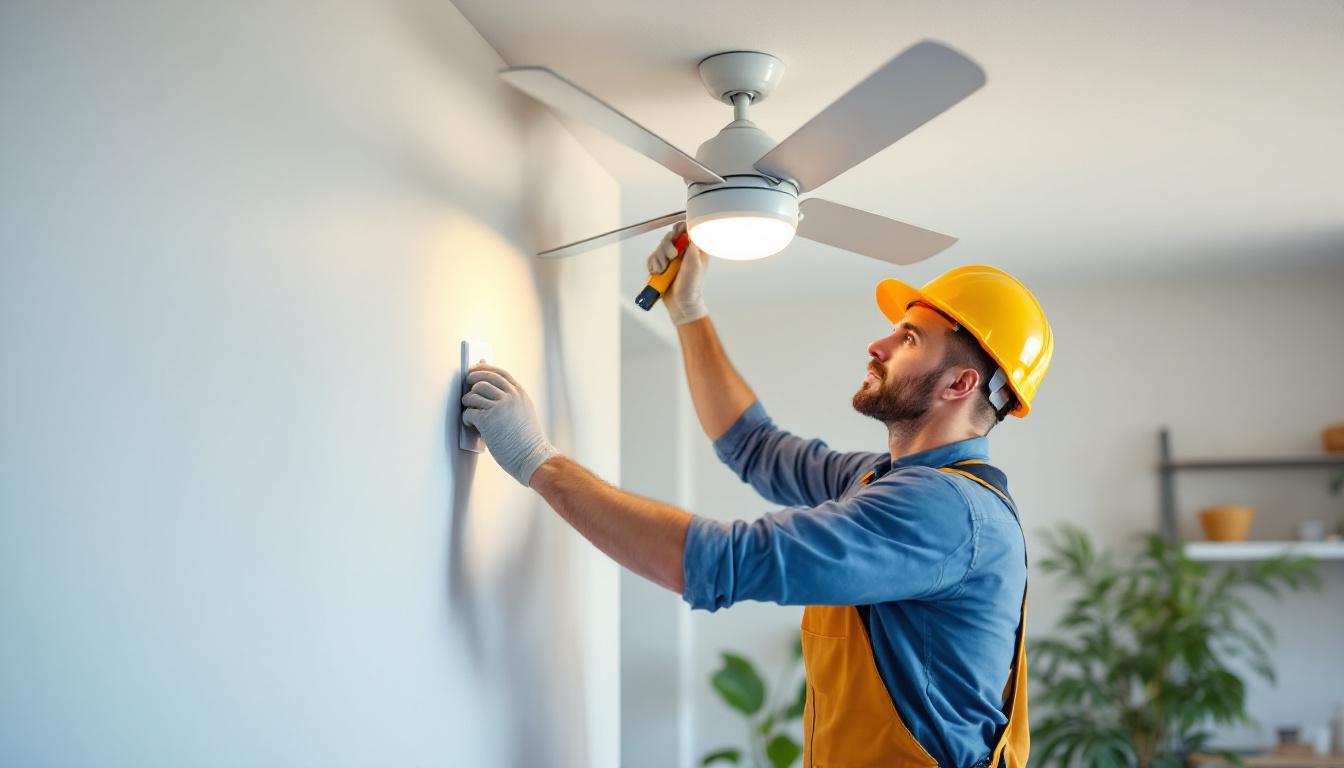
Introduction to Wall Switch Ceiling Fan Installations
Ceiling fans controlled by wall switches are a staple in residential and commercial lighting and ventilation solutions. For lighting contractors, installing these systems might seem straightforward, but the nuances involved often lead to common errors that can compromise functionality, safety, and client satisfaction. Understanding these pitfalls is essential for delivering professional-grade installations that meet both electrical codes and user expectations.
Lighting contractors must balance electrical wiring intricacies, user convenience, and aesthetic considerations when working with wall switch ceiling fans. This article explores the most frequent mistakes encountered during installation and offers practical advice to avoid them, enhancing the quality and reliability of your work.
One of the most critical aspects of wall switch ceiling fan installations is ensuring the correct wiring configuration. Many contractors overlook the importance of matching the fan’s wiring to the switch’s capabilities, which can lead to inadequate power supply or even electrical hazards. Additionally, understanding the specific requirements for different fan models, such as those with integrated lighting, is crucial for achieving optimal performance. Familiarity with the manufacturer’s instructions and local electrical codes can help mitigate these risks, ensuring that the installation is both safe and compliant.
Another common oversight is the placement of the wall switch itself. The location of the switch should facilitate easy access while considering the fan’s operational needs. For instance, placing the switch too far from the fan can lead to inconvenience for users, while positioning it near other switches can create confusion. Moreover, aesthetic considerations should not be ignored; the switch’s design and placement should harmonize with the room’s decor, enhancing the overall ambiance. By addressing these factors, contractors can significantly improve user satisfaction and the functionality of the ceiling fan system.
Misunderstanding Wiring Configurations and Circuit Requirements
Incorrect Wiring of Fan and Light Controls
One of the most prevalent mistakes contractors make is miswiring the fan and light components when both are controlled by separate wall switches. Many ceiling fans come with dual wiring options to allow independent control of the fan motor and the light kit. However, confusion often arises when contractors fail to identify the correct wiring scheme, resulting in both the fan and light operating simultaneously or not functioning as intended.
For example, a common error is connecting the fan and light wires to a single switch line, which eliminates the ability to control them independently. This oversight frustrates users who expect to run the fan without the light or vice versa. To avoid this, contractors should carefully review the fan’s wiring diagram and verify that the switch box has the necessary wiring—usually a neutral, hot, and possibly a traveler wire—to support separate controls. Furthermore, it is advisable for contractors to label wires clearly during installation. This practice not only aids in troubleshooting but also serves as a useful reference for future maintenance or upgrades.
In some cases, the layout of the room can also complicate the wiring process. For instance, if the fan is installed in a room with multiple switches, ensuring that each switch corresponds correctly to its intended function can be challenging. This situation often necessitates additional planning and communication with the homeowner to clarify how they wish to control the fan and light. By taking these extra steps, contractors can help prevent misunderstandings and ensure a smoother installation process.
Neglecting to Verify Circuit Load and Compatibility
Another critical aspect often overlooked is the electrical load on the circuit. Ceiling fans typically draw less current than lighting fixtures, but when combined with other devices on the same circuit, overloading can occur. Contractors sometimes fail to assess the total load or disregard manufacturer specifications, which can lead to tripped breakers or premature wear on components.
Additionally, the compatibility of dimmer switches or fan speed controls with the fan’s motor must be confirmed. Using an incompatible dimmer or speed control switch can cause humming noises, flickering lights, or damage to the fan motor. It’s essential to select switches rated for ceiling fan use and to ensure that the electrical panel can handle the combined load. Moreover, contractors should be aware of the specific wattage limits for circuits, especially in older homes where wiring may not be up to current standards. This awareness can prevent potential hazards and ensure that the installation adheres to local electrical codes.
Another important consideration is the impact of environmental factors on circuit load. For instance, in areas with high humidity or temperature fluctuations, the performance of both the fan and lighting can be affected. Contractors should advise homeowners on the importance of using fans and lights that are rated for such conditions, as this can enhance longevity and efficiency. By addressing these details, contractors can provide a more comprehensive service that not only meets the immediate needs of the installation but also anticipates future challenges.
Improper Switch Selection and Placement
Using Standard Light Switches Instead of Fan-Specific Controls
Many contractors default to installing standard single-pole light switches without considering the unique requirements of ceiling fans. While a simple on/off switch may suffice for basic fan operation, it does not provide speed control or the ability to dim lights effectively.
Fan speed control switches are designed to regulate motor speed smoothly and safely. Installing a regular light switch in place of a fan speed control can lead to abrupt starts and stops, motor strain, and user dissatisfaction. Similarly, light dimmers must be compatible with the fan’s light kit, especially if LED bulbs are used, as incompatible dimmers can cause flickering or reduced bulb lifespan.
Incorrect Switch Placement Affecting User Convenience
The physical location of the wall switch is another area where contractors sometimes falter. Switches placed too far from entry points or in inconvenient locations can diminish the user experience. For example, installing a fan control switch inside a closet or behind furniture defeats the purpose of easy access.
Contractors should collaborate with clients to determine optimal switch placement, considering room layout, entryways, and typical usage patterns. This attention to detail enhances functionality and client satisfaction.
Failing to Follow Electrical Codes and Safety Standards
Ignoring Local Electrical Code Requirements
Compliance with local electrical codes is non-negotiable for professional lighting contractors. Despite this, some installations fall short due to ignorance or oversight of updated regulations. For instance, many jurisdictions require that ceiling fan installations include a neutral wire in the switch box to accommodate modern smart switches or dimmers, which may not have been standard in older homes.
Failing to provide a neutral wire can limit future upgrade options and may necessitate costly rewiring. Additionally, grounding requirements must be strictly followed to prevent electrical hazards. Contractors should stay current with code changes and verify all installations against local standards.
Improper Use of Junction Boxes and Supports
Ceiling fans are heavier and subject to more mechanical stress than typical light fixtures. Installing them without proper support or using incorrect junction boxes can lead to dangerous situations, including fan wobbling or falling.
Lighting contractors must use fan-rated electrical boxes securely anchored to ceiling joists or other structural elements. Using standard light fixture boxes or insufficient mounting hardware is a common mistake that compromises safety and voids warranties.
Overlooking User Experience and Aesthetic Considerations
Neglecting to Coordinate Fan and Switch Styles
While functionality is paramount, the visual integration of the fan and wall switches within the room’s design should not be underestimated. Mismatched switch plates, outdated switch designs, or fans that clash with the room’s decor can detract from the overall aesthetic.
Contractors can add value by recommending switch styles and finishes that complement the fan and the room’s interior design. This attention to detail often impresses clients and enhances the perceived quality of the installation.
Failing to Educate Clients on Operation and Maintenance
After installation, contractors sometimes neglect to provide clients with clear instructions on how to operate the wall switches and maintain the ceiling fan. This gap can lead to improper use, such as running the fan at inappropriate speeds or neglecting cleaning, which reduces the fan’s lifespan and performance.
Providing a brief demonstration and written guidelines helps clients maximize their investment and reduces the likelihood of service calls related to user error.
Neglecting Smart Technology Integration Opportunities
Missing Out on Smart Fan Control Options
Smart home technology is increasingly popular, and ceiling fans controlled via wall switches can be integrated with smart switches, remote controls, or home automation systems. Contractors who overlook these options may miss opportunities to offer clients enhanced convenience and energy savings.
Smart fan controllers allow for remote speed adjustments, scheduling, and integration with voice assistants, adding significant value. Contractors should familiarize themselves with these technologies and discuss options with clients during the planning phase.
Improper Wiring for Future Upgrades
Even if a client does not initially request smart controls, wiring installations that accommodate future upgrades can save time and money. This includes running neutral wires to switch boxes and using conduit where possible.
Planning for future technology integration demonstrates professionalism and foresight, positioning contractors as trusted advisors rather than just installers.
Conclusion: Best Practices for Wall Switch Ceiling Fan Installations
Wall switch ceiling fan installations demand careful attention to wiring details, switch selection, code compliance, and user experience. Avoiding common mistakes such as incorrect wiring, improper switch placement, and neglecting safety standards ensures reliable and safe operation.
Contractors who invest time in understanding the electrical requirements, collaborate with clients on aesthetics and functionality, and stay informed about emerging smart technologies will differentiate themselves in a competitive market. Delivering flawless ceiling fan installations not only enhances client satisfaction but also builds a reputation for excellence and professionalism.
Upgrade Your Installations with LumenWholesale
Ready to elevate your ceiling fan installations with the highest quality products on the market? At LumenWholesale, we offer contractors an exceptional range of spec-grade lighting and ceiling fans that promise unmatched performance and durability. Say goodbye to local distributor markups and hello to competitive wholesale pricing, free shipping, and the convenience of bulk buying. Don’t let common installation mistakes hold you back. Choose LumenWholesale for your next project and experience the best value in Wholesale Lighting at the Best Value. Your clients—and your reputation—will thank you.