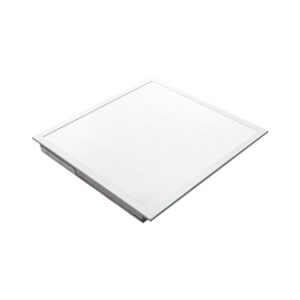
Understanding Surface Mount Panels: An Overview for Lighting Contractors
Surface mount panels have become a staple in modern lighting installations, offering a sleek, energy-efficient, and versatile solution for a variety of commercial and residential applications. For lighting contractors, mastering the nuances of these panels is essential to delivering quality work that meets client expectations and complies with industry standards.
Unlike recessed lighting, surface mount panels are installed directly onto the ceiling surface, eliminating the need for extensive ceiling modifications. This feature makes them particularly attractive for retrofit projects and spaces where ceiling cavities are limited. Their slim profile and uniform light distribution provide a clean, contemporary aesthetic favored in offices, retail environments, healthcare facilities, and educational institutions.
Before diving into installation, contractors must familiarize themselves with the different types of surface mount panels, including LED and fluorescent options, as well as variations in size, color temperature, and dimming capabilities. Understanding these factors ensures that the lighting solution aligns with the functional and design goals of the project.
In addition to their aesthetic appeal, surface mount panels are known for their energy efficiency, making them a cost-effective choice for clients looking to reduce utility bills. LED surface mount panels, in particular, consume significantly less energy compared to traditional fluorescent fixtures, and they also have a longer lifespan, which translates to lower maintenance costs over time. This energy efficiency is not only beneficial for the client’s bottom line but also contributes to sustainability efforts, aligning with the growing demand for environmentally friendly building practices.
Moreover, the versatility of surface mount panels extends beyond their installation locations. Many models now come equipped with smart technology features, allowing for integration with building management systems or smart home setups. This capability enables contractors to offer clients advanced lighting controls, such as remote dimming, scheduling, and even color tuning, enhancing the overall user experience. As the demand for smart lighting solutions continues to rise, being knowledgeable about these advanced options can set contractors apart in a competitive market, ensuring they can meet the evolving needs of their clients.
“`html
Key Considerations Before Installation
Assessing the Project Requirements
Every lighting project begins with a thorough assessment of the space and client needs. Lighting contractors should evaluate the ceiling type, existing electrical infrastructure, and the intended use of the space. Surface mount panels are particularly advantageous in areas with limited ceiling depth or where ceiling tiles cannot be removed. Additionally, understanding the layout of the space can help in determining the optimal placement of lighting fixtures to achieve uniform illumination and minimize shadows, which is especially important in areas such as offices, classrooms, or retail environments.
Energy efficiency is another critical factor. LED surface mount panels typically consume up to 50% less energy compared to traditional fluorescent fixtures, significantly reducing operational costs. Contractors should also consider the desired color temperature, which affects ambiance and productivity. For instance, cooler white light (4000K-5000K) is often preferred in workspaces, while warmer tones (2700K-3000K) suit hospitality or residential settings. Furthermore, the use of smart lighting controls can enhance energy savings by allowing users to adjust brightness levels and schedules according to their specific needs, thus maximizing both comfort and efficiency.
Compliance with Codes and Standards
Lighting contractors must ensure that all surface mount panel installations comply with local electrical codes and industry standards such as the National Electrical Code (NEC) and guidelines from the Illuminating Engineering Society (IES). This includes verifying that the panels have appropriate certifications, such as UL listing or DLC (DesignLights Consortium) qualification, which guarantees safety and performance. It’s also essential to stay updated on any changes in regulations, as these can impact the types of products that can be used and the methods of installation.
Proper grounding, wiring methods, and fixture placement are crucial to avoid hazards and ensure longevity. Additionally, contractors should be aware of any energy codes that may mandate the use of high-efficiency lighting products or specific controls like occupancy sensors and dimmers. Understanding these requirements not only ensures compliance but can also enhance the overall functionality of the lighting system, providing added convenience for users and reducing maintenance needs over time.
Selecting the Right Surface Mount Panel
Choosing the correct panel involves balancing aesthetics, functionality, and budget. Contractors should consider the panel’s lumen output, efficacy (lumens per watt), and CRI (Color Rendering Index), which affects how colors appear under the light. Panels with a CRI of 80 or higher are generally recommended for most commercial applications. It’s also wise to evaluate the thermal performance of the panels, as overheating can lead to reduced lifespan and efficiency, making it essential to select panels designed with proper heat dissipation features.
Another consideration is the panel size and mounting options. Common sizes include 1×4 feet, 2×2 feet, and 2×4 feet, but custom sizes are also available for unique spaces. Some panels come with integrated drivers and dimming capabilities, simplifying installation and control integration. Furthermore, the choice of finish and frame style can significantly impact the overall look of the installation, allowing contractors to align the lighting design with the aesthetic goals of the project. This attention to detail not only enhances the visual appeal but also contributes to creating a cohesive environment that reflects the client’s brand or personal style.
“`
Installation Best Practices for Surface Mount Panels
Preparation and Safety Measures
Before installation, contractors should turn off power at the circuit breaker and verify with a voltage tester to prevent electrical shock. It’s essential to have all tools and materials ready, including mounting brackets, screws, wire connectors, and the appropriate drill or screwdriver.
Surface mount panels are lightweight but require secure mounting to prevent sagging or detachment over time. Contractors should inspect the ceiling surface to ensure it can support the fixture and repair any damage beforehand.
Step-by-Step Installation Process
The installation process typically begins with marking the mounting points on the ceiling. Using a level ensures the panel will be installed evenly. Next, the mounting brackets or frame are secured to the ceiling, followed by wiring the panel according to the manufacturer’s instructions. It is crucial to connect the live, neutral, and ground wires correctly to avoid electrical faults.
Once wired, the panel is attached to the brackets and tested to confirm proper operation. Contractors should check for flickering or dimming issues, which might indicate wiring problems or incompatible dimmer switches. Finally, any diffuser covers are installed, and the work area is cleaned up.
Integration with Lighting Controls
Modern surface mount panels often support dimming and smart controls, enhancing energy savings and user comfort. Lighting contractors should verify compatibility with existing control systems or recommend upgrades such as occupancy sensors, daylight harvesting sensors, or wireless controls.
Proper integration requires understanding the panel’s driver specifications and control protocols, like 0-10V dimming or DALI (Digital Addressable Lighting Interface). This knowledge enables contractors to deliver a seamless, user-friendly lighting experience.
Maintenance and Troubleshooting Tips
Routine Maintenance
Surface mount panels are generally low-maintenance, but regular cleaning and inspection can extend their lifespan. Contractors should advise clients to gently dust the panels and clean diffusers with a soft cloth and mild detergent to maintain light quality and appearance.
Periodic checks for loose connections or signs of wear in wiring and mounting hardware can prevent potential failures. Replacing panels should be straightforward, but contractors should keep records of the installed products and their specifications for future reference.
Common Issues and Solutions
Flickering lights, dimming inconsistencies, or complete outages are common issues that contractors may encounter. Flickering often results from incompatible dimmers or loose wiring. Ensuring the use of compatible dimmers and secure electrical connections can resolve most flickering problems.
If a panel fails to light, troubleshooting should start with verifying power supply and wiring integrity. In some cases, the LED driver may need replacement. Contractors should also be prepared to address issues related to overheating, which can reduce panel lifespan and performance.
Maximizing Client Satisfaction and Project Success
Providing Expert Recommendations
Lighting contractors play a vital role in advising clients on the best surface mount panel solutions tailored to their needs. This includes discussing energy savings, lighting quality, and control options. Offering demonstrations or sample installations can help clients visualize the benefits.
Additionally, contractors should stay updated on emerging technologies such as tunable white panels, which allow users to adjust color temperature throughout the day to support circadian rhythms and enhance wellbeing.
Ensuring Quality and Warranty Support
Using reputable brands and verifying warranty terms protects both contractors and clients from premature failures. Contractors should educate clients on warranty coverage and encourage proper maintenance to uphold the product’s lifespan.
Documenting the installation process and providing clients with user manuals and maintenance tips fosters trust and reinforces the contractor’s professionalism.
Continuing Education and Industry Trends
Lighting technology evolves rapidly, and contractors who invest in ongoing education remain competitive. Attending trade shows, participating in certification programs, and subscribing to industry publications help contractors stay informed about new products, standards, and best practices.
Embracing innovations such as IoT-enabled lighting and advanced control systems can open new business opportunities and enhance project outcomes.
Conclusion
Surface mount panels offer lighting contractors a versatile and efficient option for a wide range of projects. By thoroughly assessing project requirements, adhering to codes, selecting the right products, and following best installation practices, contractors can ensure successful outcomes that satisfy clients and elevate their professional reputation.
Maintaining a proactive approach to troubleshooting, client education, and continuous learning will position lighting contractors as trusted experts in the evolving lighting landscape.
“`html
Get Your Premium Surface Mount Panels at LumenWholesale
Ready to elevate your lighting projects with the best surface mount panels on the market? Look no further than LumenWholesale, where we provide contractors with top-quality, spec-grade lighting products at unbeatable wholesale prices. Say goodbye to local distributor markups and hello to superior lighting solutions that meet the highest industry standards. With LumenWholesale, you can enjoy the convenience of bulk buying with free shipping, ensuring you get premium lighting at the best value — without hidden fees or compromises. Don’t miss out on the perfect blend of quality, affordability, and convenience. Visit Wholesale Lighting at the Best Value today and make your next lighting project a shining success.
“`