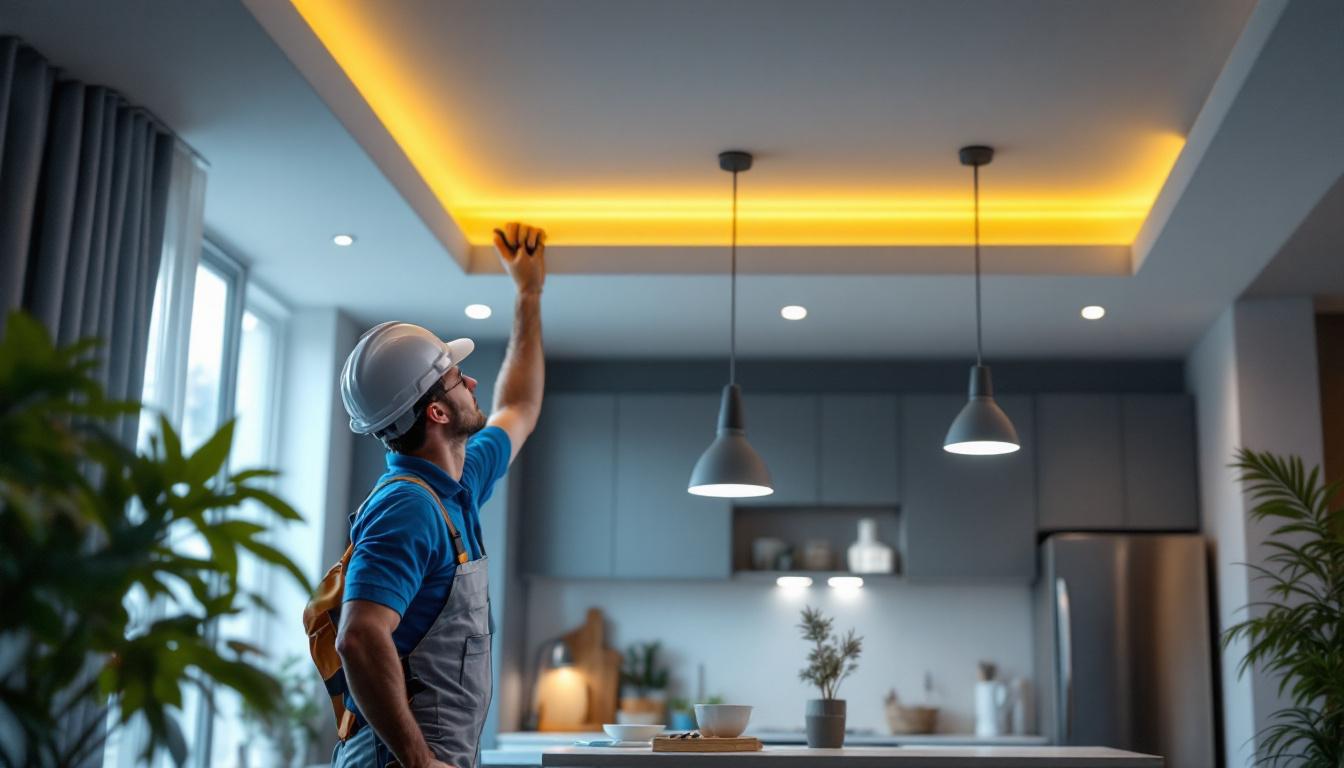
Ceiling Lighting: How It Can Reduce Costs for Lighting Contractors
Understanding Ceiling Lighting and Its Role in Modern Projects
Ceiling lighting is a fundamental component in both residential and commercial lighting designs. It encompasses a wide variety of fixtures installed on or recessed into ceilings, including recessed lights, pendant lights, chandeliers, and surface-mounted fixtures. For lighting contractors, ceiling lighting represents a significant portion of project scope, influencing both installation complexity and overall costs.
In recent years, advancements in lighting technology and design have transformed ceiling lighting from a purely functional element into a strategic tool for enhancing aesthetics, energy efficiency, and cost-effectiveness. Recognizing the potential of ceiling lighting to reduce expenses can empower contractors to deliver more competitive bids while maintaining high-quality outcomes.
The Importance of Efficient Ceiling Lighting
Lighting contractors face increasing pressure to balance client expectations with budget constraints. Efficient ceiling lighting solutions can reduce material costs, labor hours, and long-term maintenance expenses. By optimizing fixture selection and installation methods, contractors can minimize waste and streamline workflows.
Moreover, ceiling lighting plays a pivotal role in energy consumption. Selecting energy-efficient fixtures and controls not only benefits end-users but also enhances a contractor’s reputation for sustainable and cost-conscious practices.
In addition to energy efficiency, the design and placement of ceiling lighting can significantly influence the mood and functionality of a space. For instance, in commercial settings, strategically placed lighting can enhance productivity by reducing eye strain and creating a more inviting atmosphere for both employees and clients. In residential projects, the right ceiling fixtures can highlight architectural features or create cozy, intimate spaces for relaxation. Understanding the psychological impact of lighting can help contractors make informed decisions that align with their clients’ needs and preferences.
Furthermore, the integration of smart lighting technology into ceiling fixtures is becoming increasingly popular. These systems allow for customizable lighting scenarios that can adapt to different activities throughout the day, from bright, focused light for work to softer, ambient light for winding down in the evening. This adaptability not only improves user experience but also contributes to energy savings, as users can program their lighting to turn off when not needed. As the demand for smart home technology continues to rise, contractors who are knowledgeable about these innovations will be better positioned to meet client expectations and stand out in a competitive market.
Key Strategies for Cost Reduction in Ceiling Lighting
1. Leveraging LED Technology
One of the most significant advancements in ceiling lighting is the widespread adoption of LED (Light Emitting Diode) technology. LEDs offer substantial energy savings compared to traditional incandescent or fluorescent bulbs, consuming up to 75% less energy. For lighting contractors, this translates into lower material and operational costs over the lifespan of the installation.
LED fixtures also have a longer lifespan, often exceeding 50,000 hours, which reduces the frequency of replacements and maintenance visits. This durability can be a compelling selling point to clients, especially in commercial or industrial settings where lighting downtime can disrupt operations. Furthermore, the reduced heat output of LEDs minimizes the load on HVAC systems, leading to additional energy savings and a more comfortable environment. As businesses increasingly prioritize sustainability, the eco-friendly nature of LEDs—free from harmful substances like mercury—can enhance a contractor’s reputation as a responsible choice for clients looking to reduce their carbon footprint.
2. Modular and Pre-Assembled Fixtures
Using modular or pre-assembled ceiling lighting fixtures can significantly reduce installation time and labor costs. These products are designed for quick assembly and easy integration into various ceiling types, including drop ceilings and drywall. Contractors can benefit from simplified wiring and mounting processes, which reduce the likelihood of errors and rework.
Additionally, modular fixtures often come with standardized components, making it easier to stock and manage inventory. This efficiency can lead to bulk purchasing discounts and less material waste on site. The ability to customize configurations for different spaces also means that contractors can offer tailored solutions that meet specific client needs without incurring excessive costs. As a result, clients may appreciate the flexibility and adaptability of modular systems, which can be easily modified or expanded as their lighting requirements evolve over time.
3. Smart Lighting Controls
Integrating smart lighting controls such as occupancy sensors, dimmers, and programmable timers can enhance energy efficiency and reduce operational costs. For contractors, offering these options can differentiate their services and provide added value to clients.
Smart controls reduce unnecessary lighting usage, which lowers electricity bills and extends fixture life. From a contractor’s perspective, these systems may require a higher upfront investment but often result in reduced maintenance calls and improved client satisfaction. Moreover, the data collected from smart lighting systems can provide valuable insights into usage patterns, allowing clients to optimize their energy consumption further. This data-driven approach not only helps in making informed decisions about future upgrades but also reinforces the contractor’s role as a knowledgeable partner in the client’s long-term energy strategy. As smart technology continues to evolve, staying abreast of the latest innovations can position contractors as leaders in the field, attracting clients who are eager to embrace the future of lighting solutions.
Optimizing Installation Practices to Cut Costs
Efficient Planning and Layout Design
Thorough planning is essential for cost-effective ceiling lighting installation. Contractors who invest time in detailed layout designs can avoid costly mistakes such as over-purchasing fixtures or requiring extensive rewiring. Utilizing lighting design software can aid in visualizing the final setup and calculating precise fixture placement to achieve optimal illumination with fewer units.
Effective planning also involves coordinating with other trades on-site to prevent delays and conflicts. For example, aligning lighting installation schedules with ceiling grid or drywall work can minimize downtime and reduce labor overlap.
Standardizing Fixture Types and Components
Standardization is a proven method for reducing costs in construction projects. By limiting the variety of ceiling lighting fixtures and components used across a project, contractors can streamline procurement and training. This approach simplifies installation, reduces the risk of errors, and enhances bulk purchasing power.
Furthermore, standardized fixtures often have interchangeable parts, making maintenance and future upgrades easier and more affordable for clients.
Training and Skilled Labor Utilization
Investing in workforce training ensures that lighting contractors’ teams are proficient in the latest installation techniques and technologies. Skilled labor reduces installation time and minimizes the risk of damage to fixtures or ceilings, which can lead to costly repairs.
Encouraging continuous education on new lighting products and energy codes helps contractors stay competitive and compliant, ultimately reducing the risk of project delays or penalties.
Material and Procurement Considerations
Bulk Purchasing and Supplier Relationships
Building strong relationships with lighting suppliers can lead to better pricing, priority service, and access to new products. Contractors who purchase ceiling lighting fixtures and components in bulk often secure discounts that directly reduce project costs.
Additionally, reliable suppliers can provide technical support and warranty services, which help contractors manage risks and avoid unexpected expenses.
Choosing Cost-Effective Materials Without Compromising Quality
While it may be tempting to select the cheapest fixtures available, quality should never be sacrificed. Poor-quality ceiling lighting can lead to premature failures, increased maintenance, and dissatisfied clients. Instead, contractors should focus on cost-effective materials that meet industry standards and offer proven durability.
For example, aluminum housings for recessed lights provide a balance between cost and heat dissipation, extending fixture life. Similarly, choosing fixtures with high Color Rendering Index (CRI) ensures better light quality, enhancing client satisfaction without significant price increases.
Case Studies: Real-World Examples of Cost Savings
Commercial Office Retrofit
A lighting contractor working on a large office retrofit project reduced costs by switching from traditional fluorescent troffers to LED panel lights with integrated controls. This change lowered energy consumption by 60% and cut installation time by 25% due to the lightweight and modular design of the LED panels. The client benefited from reduced utility bills and minimal disruption during installation, while the contractor improved project margins.
Residential Multi-Unit Development
In a multi-unit residential development, a contractor standardized ceiling lighting fixtures across all units, choosing a single LED downlight model compatible with dimmers. This standardization simplified procurement and installation, resulting in a 15% reduction in labor costs. Additionally, the use of smart lighting controls provided long-term energy savings for residents, enhancing the project’s appeal to environmentally conscious buyers.
Future Trends in Ceiling Lighting and Their Impact on Costs
Integration with Building Automation Systems
The convergence of ceiling lighting with building automation systems (BAS) is becoming increasingly common. Lighting contractors who embrace this trend can offer integrated solutions that optimize energy use and provide advanced control features. While initial costs may be higher, the long-term benefits include reduced energy bills, lower maintenance, and improved occupant comfort.
Advancements in Wireless Lighting Controls
Wireless lighting controls eliminate the need for extensive wiring, reducing installation complexity and labor time. These systems are particularly advantageous in retrofit projects where running new cables can be disruptive and expensive. Contractors who adopt wireless technologies can offer flexible, scalable lighting solutions that adapt to client needs without significant cost increases.
Emergence of Human-Centric Lighting
Human-centric lighting (HCL) focuses on adjusting light intensity and color temperature to support human circadian rhythms and well-being. While HCL systems may involve higher upfront costs, they can create healthier and more productive environments, making them attractive in commercial and healthcare settings. Lighting contractors who specialize in HCL can differentiate themselves and command premium pricing while helping clients achieve long-term wellness benefits.
Conclusion: Maximizing Cost Efficiency Through Smart Ceiling Lighting Choices
For lighting contractors, ceiling lighting offers numerous opportunities to reduce costs without compromising quality or client satisfaction. By embracing LED technology, modular fixtures, smart controls, and efficient installation practices, contractors can streamline operations and improve profitability.
Strategic procurement, workforce training, and staying abreast of emerging trends further enhance a contractor’s ability to deliver cost-effective, high-performance lighting solutions. Ultimately, a focus on ceiling lighting as a cost-reduction lever can strengthen competitive positioning and foster long-term client relationships in a dynamic industry.
Get Your Lighting Edge with LumenWholesale
Ready to elevate your lighting projects while keeping costs down? At LumenWholesale, we provide lighting contractors with the edge they need. Our spec-grade lighting products are not only top-quality but come at unbeatable wholesale prices, directly to you without the middleman markups. With our extensive selection that meets the highest industry standards, you can ensure every project shines with reliability and performance. Plus, with free shipping on bulk orders, you can stock up on premium lighting at the best value — no hidden fees, no compromises. Don’t miss out on the perfect combination of quality, affordability, and convenience. Wholesale Lighting at the Best Value is just a click away. Experience the LumenWholesale difference today!