Understanding the Basics: What Is a Light Switch With a Light?
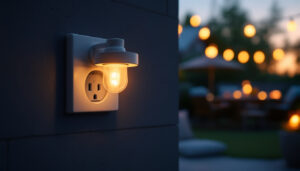
In the world of lighting installation and electrical work, the concept of a light switch with an integrated light might seem straightforward at first glance. Essentially, these switches incorporate a small indicator light—often an LED or neon bulb—within the switch itself. This feature serves multiple purposes, such as making the switch easier to locate in the dark or indicating the status of the connected lighting circuit.
While this might appear to be a minor detail, the inclusion of a lighted switch can significantly enhance user experience and safety. However, despite its apparent simplicity, many lighting contractors overlook critical factors when specifying, installing, or troubleshooting these devices. This article delves into the nuances of light switches with lights, highlighting common oversights and best practices to ensure optimal performance and client satisfaction.
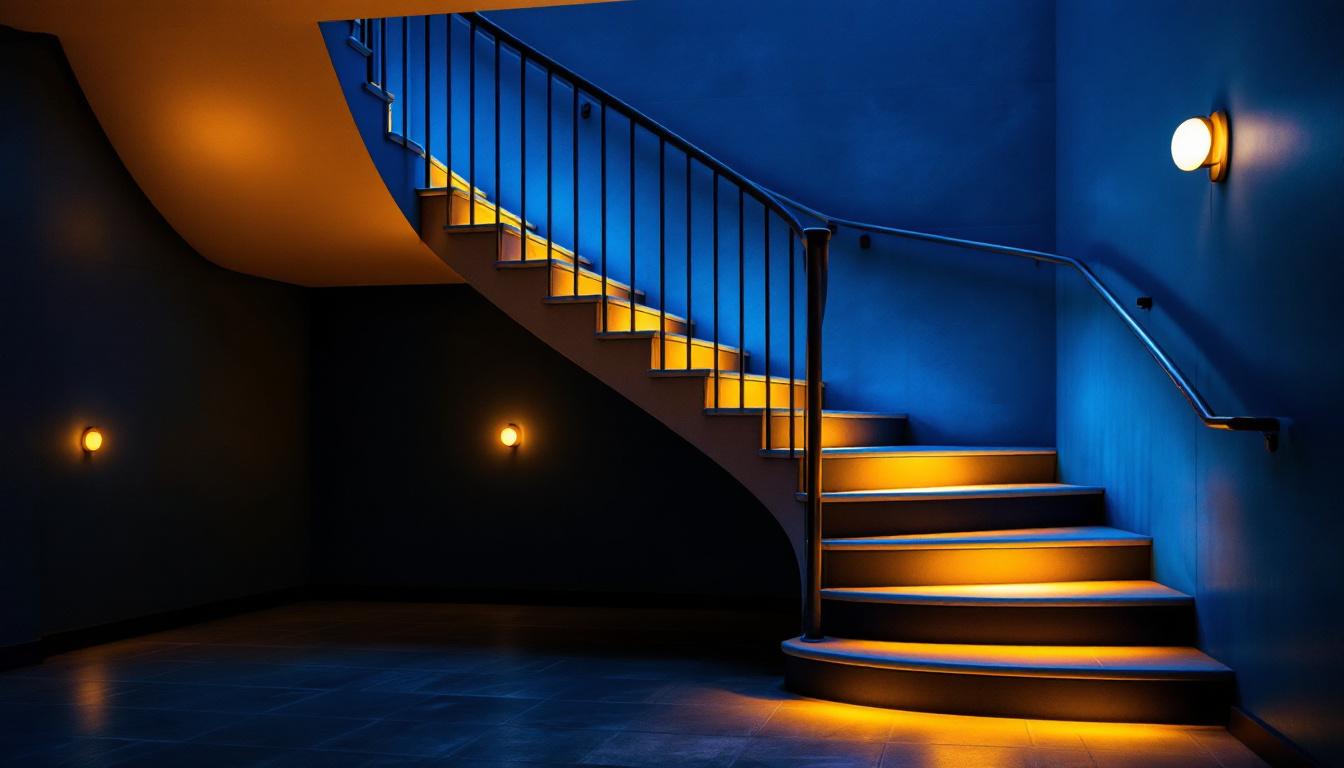
One of the primary benefits of a lighted switch is its ability to provide visual feedback in various environments. For instance, in a dimly lit hallway or a bedroom, the glow from the switch can guide individuals to the switch without the need for additional light sources. This feature is particularly advantageous for children or the elderly, who may have difficulty navigating spaces in low light. Moreover, the indicator light can serve as a reminder that the connected fixture is powered on, helping to prevent unnecessary energy consumption and enhancing overall energy efficiency.
Furthermore, the design and technology behind these switches have evolved significantly over the years. Modern lighted switches often come with customizable options, allowing homeowners to choose colors that match their decor or even adjust the brightness of the indicator light. This level of personalization not only adds to the aesthetic appeal but also caters to individual preferences and needs, making these switches a versatile choice for any home. Additionally, understanding the wiring and installation requirements specific to lighted switches is crucial, as improper installation can lead to malfunction or even safety hazards. Thus, it is essential for both homeowners and contractors to be aware of the intricacies involved in selecting and installing these devices correctly.
The Functional Advantages of Lighted Switches
Enhanced Visibility and User Convenience
One of the primary reasons for incorporating a light within a switch is to improve visibility. In low-light environments such as hallways, basements, or outdoor areas, a glowing switch allows users to quickly locate the control point without fumbling for the switch plate. This feature is especially appreciated in residential settings where occupants may need to navigate in the dark safely. Furthermore, the design of lighted switches often includes options for different colors, allowing homeowners to customize the ambiance of their spaces while also enhancing functionality. For example, a soft blue glow may create a calming atmosphere in a bedroom, while a bright white light can be more appropriate for a kitchen or workspace.
For commercial and industrial applications, illuminated switches can also serve as visual cues, reducing the likelihood of accidental activation or deactivation of critical lighting circuits. This can be particularly valuable in environments where lighting controls are less intuitive or where multiple switches are grouped together. In factories or warehouses, where safety is paramount, these switches can help ensure that workers can quickly identify which circuits are active, thereby minimizing the risk of accidents. Moreover, the inclusion of lighted switches can enhance overall workplace efficiency by streamlining the process of turning lights on and off, especially in areas with high foot traffic.
Indicator Functionality for Circuit Status
Beyond visibility, the light embedded in a switch often functions as an indicator of the circuit’s status. For example, some switches use the internal light to show when the connected fixture is powered on, providing immediate feedback to users. This is common in applications where the lighting load is remote or not directly visible from the switch location. In addition, this feature can be particularly beneficial in home theaters or media rooms, where users may want to ensure that all lights are off before settling in for a movie. The illuminated switch acts as a simple yet effective confirmation that enhances the overall user experience.
In more advanced setups, illuminated switches can be integrated with smart home or building automation systems, allowing for dynamic status indication based on various parameters such as occupancy, time of day, or energy consumption. These capabilities elevate the role of the switch from a simple mechanical device to an interactive control element. For instance, a smart switch could change its color based on the time of day, glowing a warm amber in the evening to indicate that it’s time to wind down, or flashing red to signal an alert when energy consumption exceeds a preset limit. Such innovations not only enhance user engagement but also contribute to energy efficiency and sustainability efforts, making lighted switches a forward-thinking choice for modern living and working environments.
Common Oversights by Lighting Contractors
Neglecting Compatibility with Load Types
A frequent mistake contractors make is failing to verify that the illuminated switch is compatible with the type of load it will control. Traditional incandescent loads behave differently compared to modern LED or CFL lighting, which have distinct electrical characteristics. For instance, many illuminated switches rely on a small current passing through the load to power the internal light. LED fixtures, with their low wattage and electronic drivers, may not allow sufficient current flow, causing the switch light either to flicker or fail to illuminate.
Ignoring this compatibility can lead to customer dissatisfaction and costly callbacks. It is essential to select switches specifically rated for the load type or to use alternative wiring methods, such as separate neutral wires, to ensure proper operation.
Overlooking Wiring Requirements
Another common pitfall is neglecting the specific wiring requirements of illuminated switches. Unlike standard switches, those with built-in lights often require a neutral wire at the switch box to complete the circuit for the internal illumination. Many older buildings, especially those constructed before widespread adoption of modern electrical codes, lack a neutral conductor in the switch box.
Failure to identify this during the planning or installation phase can result in non-functional switches or unsafe wiring practices. Lighting contractors must assess the existing wiring infrastructure and plan accordingly, potentially running new conductors or selecting switches designed for no-neutral applications.
Ignoring Energy Efficiency and Longevity
While illuminated switches add convenience, they also consume a small amount of power continuously. Some contractors overlook the importance of selecting energy-efficient indicator lights, such as low-wattage LEDs, which minimize standby energy consumption. Additionally, the quality and durability of the internal light source can vary widely between manufacturers.
Using inferior components may lead to premature failure, requiring maintenance or replacement. Lighting contractors should prioritize products that balance visibility, energy efficiency, and longevity to deliver lasting value to clients.
Installation Best Practices for Lighted Switches
Conduct Thorough Site Assessments
Before installation, lighting contractors should perform a detailed site assessment to understand the existing electrical infrastructure and client needs. This includes verifying the presence of a neutral wire, identifying the load type, and assessing environmental factors such as moisture or temperature that may affect switch performance.
Engaging with clients to clarify their expectations about switch functionality—whether for visibility, status indication, or aesthetic purposes—can guide the selection of the most appropriate product.
Adhere to Electrical Codes and Safety Standards
Compliance with local electrical codes and safety standards is non-negotiable. Illuminated switches must be installed following manufacturer instructions and in accordance with regulations governing wiring methods, grounding, and circuit protection.
Contractors should also ensure that the switches are rated for the intended application environment. For example, switches installed in damp or outdoor locations should have appropriate ingress protection ratings to prevent moisture ingress and electrical hazards.
Test Thoroughly Post-Installation
After installation, comprehensive testing is crucial to verify that the switch and its indicator light function correctly under all expected conditions. This includes checking for flickering, verifying the indicator’s visibility in different lighting environments, and ensuring that the switch reliably controls the load without unintended side effects.
Documenting the test results and educating clients on the switch’s operation and maintenance can prevent future issues and enhance customer satisfaction.
Emerging Trends and Innovations in Lighted Switch Technology
Smart Switches with Integrated Lighting
The rise of smart home technology has brought new dimensions to illuminated switches. Modern smart switches often feature customizable indicator lights that can change color or brightness based on user preferences or system status. These switches can be controlled remotely via apps or voice assistants, offering enhanced convenience and energy management capabilities.
Lighting contractors working with smart systems must stay informed about these advancements to provide clients with cutting-edge solutions that integrate seamlessly with broader home automation platforms.
Energy Harvesting and Wireless Solutions
Innovations in energy harvesting technology have led to the development of wireless illuminated switches that do not require direct wiring for power. These switches can draw energy from the mechanical action of the switch itself or from ambient sources such as light or vibration, powering the indicator light and wireless communication modules.
This technology simplifies installation in retrofit scenarios where running new wiring is challenging, expanding the possibilities for illuminated switch applications.
Customizable and Aesthetic Designs
Beyond functionality, there is increasing demand for illuminated switches that complement interior design. Manufacturers now offer switches with adjustable light colors, dimming capabilities, and sleek profiles that blend with modern décor.
Lighting contractors can leverage these options to provide clients with personalized solutions that enhance both the utility and aesthetics of their spaces.
Conclusion: Elevating the Role of Lighted Switches in Lighting Projects
Light switches with integrated lights are more than just a convenience—they are a critical component that influences user experience, safety, and energy efficiency. Lighting contractors who understand the nuances of these devices can avoid common pitfalls such as load incompatibility, wiring challenges, and energy waste.
By adopting best practices in assessment, installation, and testing, and by staying abreast of emerging technologies, contractors can deliver superior lighting control solutions that meet evolving client expectations. Ultimately, paying close attention to the often-overlooked details of lighted switches can differentiate a contractor’s service and contribute to the success of any lighting project.
Get the Best in Lighting with LumenWholesale
Ready to elevate your lighting projects with switches that offer both functionality and style? Look no further than LumenWholesale for all your lighting needs. We provide contractors with high-quality, specification-grade lighting products at unbeatable wholesale prices. Our extensive selection is designed to meet the highest industry standards, ensuring you have access to reliable and high-performance lighting solutions. Plus, with free shipping on bulk orders, you can enjoy premium lighting at the best value — without any hidden fees or compromises. Don’t let overlooked details compromise your projects. Choose LumenWholesale and experience the perfect blend of quality, affordability, and convenience. Visit us now at Wholesale Lighting at the Best Value and make the switch to better lighting today.