Understanding the Importance of Light Wall Covers in Modern Lighting Projects
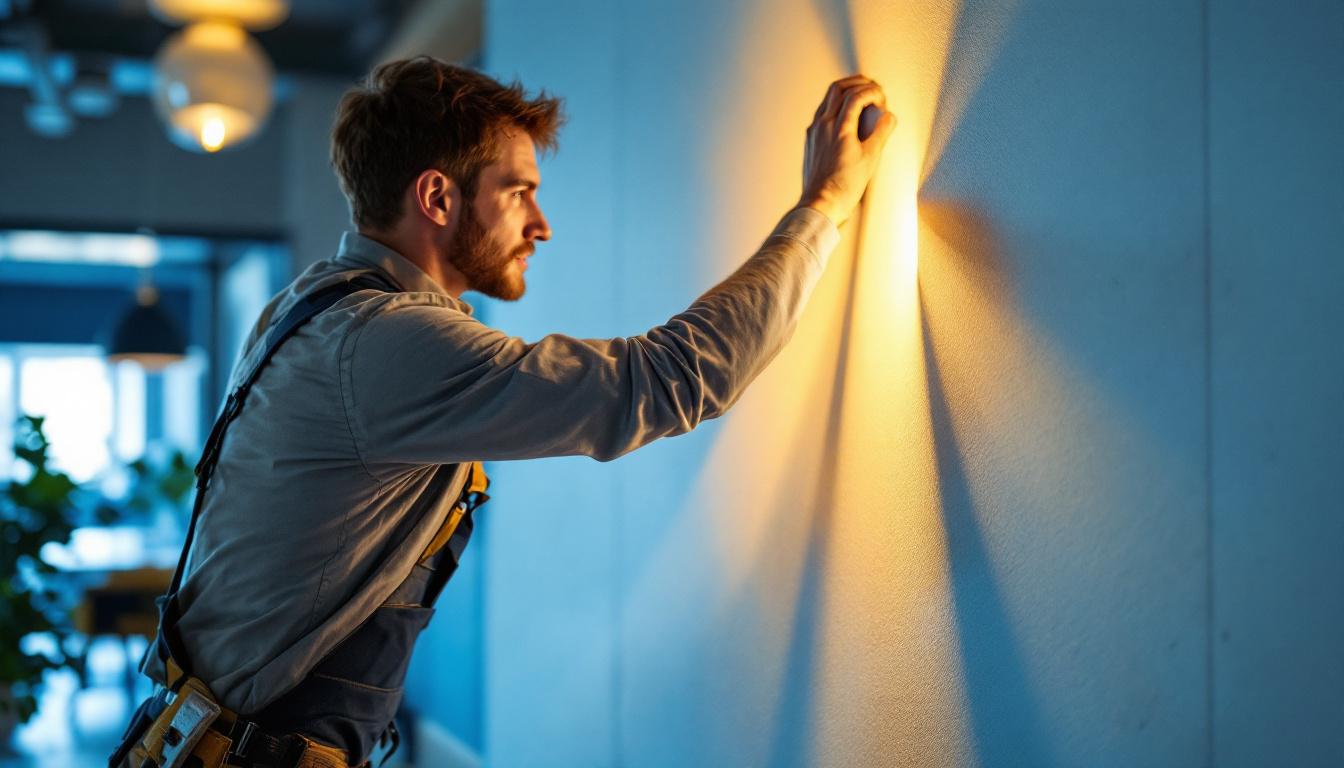
Lighting contractors play a pivotal role in shaping the ambiance, functionality, and safety of both residential and commercial spaces. While much attention is often given to the choice of fixtures, bulbs, and wiring, one component that deserves equal focus is the light wall cover. These covers are not merely aesthetic accessories; they serve critical functional purposes that impact the overall lighting quality and durability of installations.
Light wall covers act as protective barriers for lighting fixtures, shielding them from dust, moisture, and physical damage. They also influence the diffusion and direction of light, affecting how spaces are illuminated. For contractors, understanding the nuances of different types of covers and their applications can lead to enhanced client satisfaction, reduced maintenance calls, and compliance with safety standards.
What Are Light Wall Covers?
Light wall covers are materials or panels installed over wall-mounted lighting fixtures. They come in various forms, including glass, acrylic, polycarbonate, and metal grilles. Each type offers unique benefits in terms of durability, light transmission, and design flexibility. Selecting the appropriate cover depends on the environment, fixture type, and desired lighting effect.
Key Functions of Light Wall Covers
Beyond aesthetics, wall covers serve to protect lighting components from environmental factors such as moisture, dust, and impact. In commercial settings, they help maintain hygiene standards by preventing dust accumulation. Additionally, covers can reduce glare and distribute light more evenly, enhancing visual comfort for occupants.
Moreover, light wall covers can play a significant role in energy efficiency. By optimizing light diffusion, they can help reduce the need for additional lighting fixtures, allowing spaces to be illuminated effectively with fewer resources. This not only lowers energy costs but also contributes to a more sustainable approach to lighting design. In environments where energy consumption is closely monitored, such as corporate offices or educational institutions, the choice of wall cover can directly influence overall energy performance metrics.
Furthermore, the design of light wall covers can also enhance the aesthetic appeal of a space. With a plethora of styles and finishes available, contractors can choose covers that complement the interior design theme, whether it be modern, industrial, or traditional. Customizable options allow for creative expression, enabling contractors to tailor solutions that resonate with their clients’ vision. This attention to detail not only elevates the overall design but can also significantly impact the perceived value of a property, making it an essential consideration in any lighting project.
Enhancing Safety and Compliance Through Proper Wall Cover Selection
Safety is a non-negotiable aspect of any lighting installation. Light wall covers contribute significantly to meeting electrical and fire safety codes, which are critical for contractors to consider.
Many jurisdictions require lighting fixtures in certain environments—such as healthcare facilities, industrial sites, and public buildings—to have protective covers that prevent accidental contact with live components. Using the right covers helps contractors avoid costly code violations and potential liability issues. Moreover, the selection of wall covers can also enhance the overall aesthetic of a space, providing a dual benefit of safety and design.
Fire Resistance and Material Considerations
Materials used for light wall covers must often meet fire resistance standards. For example, polycarbonate covers are favored in environments where impact resistance and flame retardancy are essential. Glass covers, while aesthetically pleasing, may not be suitable in areas prone to breakage or where safety glazing is mandated. Additionally, the choice of materials can affect the longevity and maintenance of the installation; for instance, covers that are resistant to yellowing or degradation from UV exposure will ensure that the lighting remains effective and visually appealing over time.
Contractors should familiarize themselves with local building codes and material certifications to ensure compliance. Failure to do so can result in failed inspections and project delays. It is also beneficial for contractors to stay updated on emerging technologies in wall cover materials, such as those that incorporate antimicrobial properties, which can be particularly advantageous in healthcare settings where hygiene is paramount.
Electrical Safety and Protection
Properly installed wall covers prevent exposure to electrical components, reducing the risk of shocks or short circuits caused by dust or moisture ingress. In damp or outdoor environments, covers with appropriate ingress protection (IP) ratings are critical. For instance, an IP65-rated cover ensures the fixture is dust-tight and protected against water jets, making it suitable for exterior walls or wet areas.
Furthermore, the integration of smart lighting solutions is becoming increasingly popular, and this trend necessitates careful consideration of wall cover materials that can accommodate advanced technologies. Covers that allow for wireless communication while maintaining safety standards are essential in modern installations. This not only enhances functionality but also aligns with the growing emphasis on energy efficiency and sustainability in lighting design. As such, contractors must evaluate the compatibility of wall covers with these innovations to ensure a seamless integration of safety and technology in their projects.
Improving Lighting Efficiency and Aesthetic Appeal
Light wall covers are instrumental in shaping the quality and character of light within a space. Contractors who understand how to leverage these effects can deliver superior lighting solutions that meet both functional and design goals.
Light Diffusion and Glare Reduction
Harsh lighting can cause discomfort and reduce productivity, especially in workspaces. Diffuser covers made from frosted or opal acrylic materials scatter light evenly, minimizing glare and shadows. This creates a more pleasant environment and can contribute to energy savings by allowing the use of lower wattage bulbs without sacrificing illumination quality. Additionally, the use of these diffusers can enhance the longevity of light fixtures by reducing the strain on bulbs, which can lead to longer replacement cycles and lower maintenance costs. The right choice of diffuser can also help in achieving specific lighting effects, such as highlighting architectural features or creating focal points within a room.
Color Temperature and Visual Impact
Some wall covers can subtly influence the perceived color temperature of light. For example, tinted or colored glass covers can add warmth or coolness to a room’s ambiance. This capability allows contractors to tailor lighting schemes to client preferences or specific applications, such as creating a cozy atmosphere in hospitality settings or a crisp, alert environment in offices. Furthermore, the strategic use of color temperature can affect mood and behavior; warmer tones are often associated with relaxation, making them ideal for lounges and bedrooms, while cooler tones can enhance concentration and alertness, making them suitable for educational and professional environments.
Design Versatility and Customization
Modern manufacturing techniques enable the production of custom-shaped and textured wall covers. Contractors can work with designers and clients to select covers that complement architectural elements or branding. This level of customization enhances the overall project value and client satisfaction. Beyond aesthetics, these custom designs can incorporate functional elements, such as integrated lighting controls or smart technology features, which can further enhance user experience. Additionally, the ability to create bespoke designs allows for unique solutions that can address specific challenges, such as acoustic dampening or energy efficiency, making the lighting not just a visual element but a multifaceted aspect of interior design.
Durability and Maintenance: Long-Term Benefits for Contractors and Clients
Durability is a critical consideration for lighting contractors aiming to provide long-lasting solutions. Light wall covers contribute significantly to the lifespan and ease of maintenance of lighting installations.
Resistance to Environmental Factors
In outdoor or industrial environments, lighting fixtures are exposed to harsh conditions such as UV radiation, temperature fluctuations, and chemical exposure. Selecting covers made from UV-stabilized polycarbonate or tempered glass can prevent yellowing, cracking, or degradation over time. This reduces the frequency of replacements and maintenance visits.
Ease of Cleaning and Upkeep
Wall covers that are smooth and non-porous facilitate easy cleaning, which is especially important in healthcare, food service, and laboratory settings. Removable covers enable quick access to fixtures for bulb replacement or repairs, minimizing downtime.
Cost-Effectiveness Over Time
Though high-quality covers may have a higher upfront cost, their durability and protective qualities often result in lower total cost of ownership. Contractors who educate clients on these benefits can build trust and justify premium pricing.
Emerging Trends and Technologies in Light Wall Covers
The lighting industry is evolving rapidly, with new materials and smart technologies influencing the design and functionality of light wall covers. Staying informed about these trends allows contractors to offer cutting-edge solutions.
Smart Covers with Integrated Sensors
Some modern wall covers incorporate sensors for motion detection, ambient light measurement, or temperature monitoring. These smart covers enable adaptive lighting control, improving energy efficiency and user experience.
Eco-Friendly and Sustainable Materials
Environmental considerations are increasingly important to clients. Covers made from recycled or biodegradable materials are gaining popularity. Contractors who prioritize sustainability can differentiate themselves in a competitive market.
Advanced Coatings and Treatments
Anti-microbial coatings are becoming standard in healthcare and public spaces, reducing the spread of pathogens. Additionally, anti-reflective and scratch-resistant treatments enhance both function and longevity.
Conclusion: Why Lighting Contractors Must Prioritize Light Wall Covers
Light wall covers are a fundamental yet often underestimated component of lighting installations. For contractors, focusing on the selection, installation, and maintenance of these covers yields multiple benefits—from ensuring safety and code compliance to enhancing lighting quality and client satisfaction.
By understanding the diverse functions and emerging innovations in light wall covers, contractors can elevate their service offerings, reduce long-term maintenance issues, and deliver lighting solutions that stand the test of time. In a competitive industry, such attention to detail not only improves project outcomes but also strengthens professional reputation and client trust.
Illuminate Your Projects with LumenWholesale
Ready to enhance your lighting installations with the finest light wall covers? At LumenWholesale, we provide lighting contractors with spec-grade lighting products that combine quality with unbeatable wholesale value. Say goodbye to local distributor markups and hello to a vast selection of industry-standard lighting solutions that promise performance and reliability for every project. Plus, with free shipping on bulk orders, you can stock up on premium lighting without worrying about hidden fees. Elevate your lighting game and ensure client satisfaction with the perfect blend of quality, affordability, and convenience at LumenWholesale – Wholesale Lighting at the Best Value.