Understanding the Role of Home Light Poles in Lighting Design
For lighting contractors, the importance of a well-chosen home light pole cannot be overstated. It serves as the foundation for outdoor lighting installations, influencing both the functionality and aesthetic appeal of a lighting design. A light pole is more than just a metal or wooden structure; it is a critical component that supports fixtures, ensures optimal light distribution, and contributes to the overall safety and ambiance of a residential environment.
In residential lighting projects, the choice of a light pole affects everything from fixture height to durability under weather conditions. Properly selected poles can enhance the effectiveness of lighting by positioning fixtures at the right elevation and angle, which directly impacts illumination coverage and glare reduction. For contractors, understanding the nuances of home light poles is essential to delivering superior lighting solutions that satisfy client expectations and comply with safety standards.
The Functional Importance of Light Poles
Light poles provide the necessary height to maximize the spread of light, ensuring that pathways, gardens, driveways, and outdoor living spaces are well illuminated. The height and sturdiness of the pole determine how well the light fixture performs, influencing factors such as shadow casting and light uniformity. Additionally, poles must be robust enough to withstand environmental stressors like wind, rain, and temperature fluctuations, which is vital for long-term reliability. The choice of materials, such as galvanized steel or fiberglass, can also play a significant role in the longevity and maintenance of these structures, ensuring they remain functional and visually appealing throughout their lifespan.
Aesthetic Contributions to Lighting Designs
Beyond functionality, light poles contribute significantly to the visual appeal of a lighting installation. The design, material, and finish of the pole can complement the architectural style of the home, creating a cohesive outdoor environment. Whether opting for sleek, modern aluminum poles or classic wrought iron designs, contractors can use poles as design elements that enhance curb appeal and elevate the overall ambiance. Furthermore, the integration of decorative elements, such as lantern-style fixtures or custom finishes, can transform a simple light pole into a statement piece that reflects the homeowner’s personal style and enhances the character of the property.
Moreover, the placement of light poles can be strategically planned to create focal points in the landscape. For instance, positioning a light pole near a water feature or a beautifully landscaped garden can draw attention to these areas while providing necessary illumination. The interplay of light and shadow created by well-placed poles can add depth and dimension to outdoor spaces, making them more inviting and usable during the evening hours. This thoughtful approach to lighting design not only improves safety but also encourages outdoor living, allowing families to enjoy their yards long after the sun sets.
Key Considerations When Selecting Home Light Poles
Choosing the right light pole involves multiple factors that must be carefully evaluated to ensure optimal performance and client satisfaction. Lighting contractors should consider material, height, mounting options, and compliance with local regulations when selecting poles for residential projects.
Material Choices and Their Impact
Common materials used for home light poles include aluminum, steel, wood, and fiberglass. Each offers distinct advantages and challenges:
- Aluminum: Lightweight, corrosion-resistant, and low maintenance, aluminum poles are ideal for modern designs and coastal areas where salt air can accelerate rust.
- Steel: Known for strength and durability, steel poles are suitable for taller installations but require protective coatings to prevent rust.
- Wood: Offers a natural, rustic aesthetic that blends well with garden landscapes but demands regular treatment to resist weather damage and pests.
- Fiberglass: Durable and weather-resistant, fiberglass poles are a versatile option that can mimic wood or metal finishes while offering excellent longevity.
Contractors must weigh these material properties against project requirements, budget constraints, and client preferences to recommend the best option.
Height and Mounting Options
The height of a light pole directly influences the distribution and intensity of light. For residential applications, poles typically range from 8 to 16 feet. Shorter poles are suited for pathway and garden lighting, while taller poles are necessary for driveway or security lighting to cover larger areas effectively.
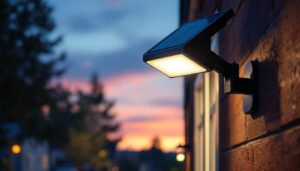
Mounting options include surface mounts, in-ground mounts, and wall-mounted brackets. Surface mounts are common for patios and decks, allowing easy installation on concrete or paved surfaces. In-ground mounts provide stability for taller poles and are often used in lawns or landscaped areas. Wall-mounted brackets offer a space-saving alternative for lighting near entrances or porches.
Compliance with Safety and Zoning Regulations
Lighting contractors must ensure that home light poles comply with local building codes, electrical standards, and zoning laws. These regulations often dictate maximum pole heights, fixture types, and light pollution limits to minimize glare and preserve neighborhood aesthetics. Adhering to these rules is critical to avoid costly modifications and ensure the safety of residents and visitors.
Innovative Lighting Pole Designs Elevating Residential Projects
The evolution of lighting technology has spurred innovation in light pole designs, enabling contractors to create more efficient, sustainable, and visually striking lighting solutions for homes.
Integration of Smart Lighting Technologies
Modern home light poles increasingly incorporate smart lighting controls such as motion sensors, dimmers, and programmable timers. These features allow homeowners to customize lighting schedules, enhance energy efficiency, and improve security by activating lights only when needed. For contractors, installing poles compatible with smart systems adds value and positions them as forward-thinking professionals in the lighting industry.
Energy-Efficient LED Fixtures and Pole Compatibility
LED technology has transformed residential lighting with its superior energy efficiency, longevity, and versatility. Selecting poles designed to accommodate LED fixtures ensures proper heat dissipation and optimal light distribution. Additionally, poles with integrated wiring channels simplify installation and maintenance, reducing labor costs and enhancing the overall quality of the lighting system.
Customizable Aesthetics and Modular Designs
To meet diverse client tastes, many manufacturers offer customizable light poles with interchangeable components such as finials, bases, and decorative sleeves. Modular designs enable contractors to tailor the pole’s appearance to match architectural styles, from traditional colonial to contemporary minimalist. This flexibility allows for creative lighting designs that resonate with homeowners’ personal styles.
Best Practices for Installing and Maintaining Home Light Poles
Proper installation and maintenance are crucial to maximize the lifespan and performance of home light poles. Contractors must follow industry best practices to ensure safety, durability, and client satisfaction.
Site Assessment and Preparation
Before installation, conducting a thorough site assessment is essential. This includes evaluating soil conditions, identifying underground utilities, and determining optimal pole placement for effective lighting coverage. Preparing a stable foundation, whether through concrete footings or ground anchors, ensures that poles remain secure and upright under various environmental conditions.
Professional Installation Techniques
Installing light poles requires precision and adherence to electrical codes. Proper grounding, weatherproof wiring connections, and secure mounting are vital to prevent electrical hazards and mechanical failures. Contractors should use corrosion-resistant hardware and sealants to protect against moisture ingress, which can compromise both electrical components and structural integrity.
Routine Inspection and Maintenance
Regular inspections help identify issues such as loose fixtures, corrosion, or damaged wiring before they escalate. Cleaning poles and fixtures removes dirt and debris that can diminish light output. For wooden poles, periodic treatment with preservatives extends service life. Maintenance plans not only prolong the functionality of lighting systems but also reinforce client trust and satisfaction.
Case Studies: Transforming Residential Spaces with Strategic Light Pole Use
Examining real-world examples highlights how thoughtful selection and placement of home light poles can dramatically improve outdoor lighting outcomes.
Enhancing Security and Curb Appeal in Suburban Homes
In a suburban neighborhood, a lighting contractor upgraded several homes by installing 12-foot aluminum poles with integrated LED fixtures and motion sensors. The poles were strategically placed along driveways and walkways, providing bright, energy-efficient illumination that deterred intruders and improved nighttime visibility. Homeowners reported increased peace of mind and a noticeable boost in property value.
Creating Inviting Outdoor Living Areas
For a client seeking to extend usable outdoor space, a contractor installed decorative wrought iron poles with adjustable fixtures around a patio and garden. The poles’ height and design complemented the home’s classic architecture, while the lighting created warm, inviting zones for evening gatherings. The project demonstrated how light poles can blend functionality with style to enhance lifestyle experiences.
Maximizing Efficiency in Eco-Conscious Residences
In an eco-friendly home, fiberglass poles equipped with solar-powered LED lights were used to minimize energy consumption and environmental impact. The contractor incorporated smart controls to optimize lighting schedules based on occupancy and ambient light levels. This approach not only reduced utility costs but also aligned with the homeowner’s sustainability goals.
Conclusion: Elevating Residential Lighting Through Expert Light Pole Selection
For lighting contractors, mastering the art and science of home light pole selection is a gateway to delivering exceptional lighting designs. By understanding the functional requirements, material options, regulatory considerations, and innovative technologies, professionals can create lighting solutions that are safe, efficient, and visually compelling.
Investing time and expertise in choosing the right poles enhances the durability and performance of outdoor lighting systems, ultimately leading to higher client satisfaction and repeat business. As residential lighting continues to evolve, contractors who prioritize strategic light pole integration will stand out as leaders in the industry, illuminating homes with precision and style.
Illuminate with Excellence from LumenWholesale
Ready to elevate your lighting projects with the finest home light poles and fixtures? At LumenWholesale, we provide lighting contractors with exceptional, spec-grade lighting products at unparalleled wholesale prices. Our comprehensive selection is designed to meet the highest industry standards, ensuring every installation shines with reliability and performance. Say goodbye to local distributor markups and hello to hassle-free bulk buying with free shipping. Don’t compromise on quality or value—choose LumenWholesale for your next project and experience the ideal fusion of quality, affordability, and convenience. Discover our range and secure the best value in wholesale lighting by visiting Wholesale Lighting at the Best Value.