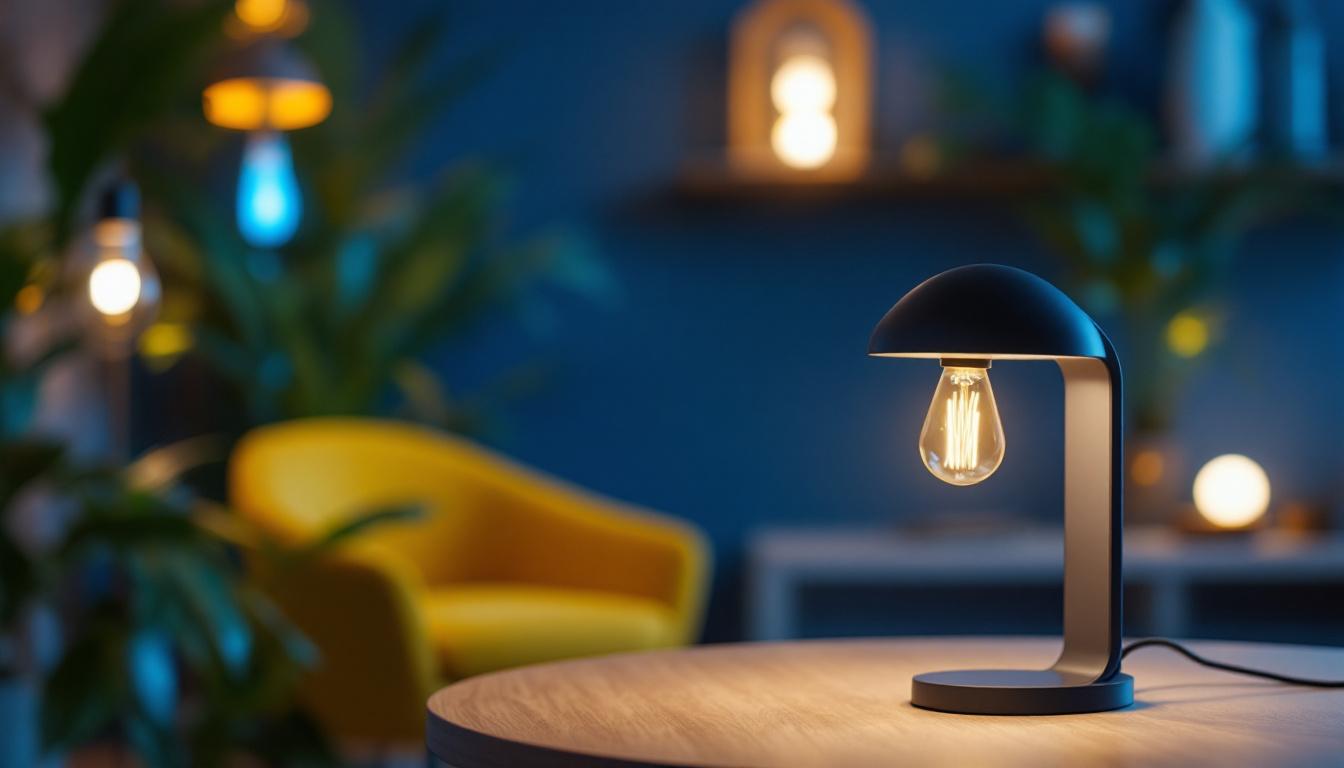
Understanding the Critical Role of Lampholders in Lighting Projects
In the competitive world of lighting contracting, every detail matters. From design to installation, the components selected can significantly influence project success, client satisfaction, and ultimately, contract wins. Among these components, lampholders often receive less attention than they deserve despite being fundamental to lighting systems.
Lampholders, also known as lamp sockets or light bulb holders, are the essential interface between the lighting fixture and the power source. They ensure that bulbs are securely mounted, electrically connected, and safely operated. Choosing the right lampholder is not just a technical decision but a strategic one that impacts durability, energy efficiency, maintenance, and compliance with safety standards.
For lighting contractors aiming to differentiate themselves and secure more contracts, understanding the nuances of lampholders is a competitive advantage. It enables the delivery of superior lighting solutions that meet client expectations and regulatory requirements.
Moreover, the variety of lampholders available on the market caters to a wide range of lighting needs, from incandescent to LED bulbs. Each type of lampholder is designed with specific applications in mind, ensuring optimal performance and longevity. For instance, ceramic lampholders are often preferred for high-wattage bulbs due to their heat resistance, while plastic lampholders are lightweight and suitable for low-wattage applications. This diversity allows contractors to tailor their lighting solutions to the specific requirements of each project, enhancing both functionality and aesthetic appeal.
Additionally, advancements in technology have led to the development of smart lampholders that integrate seamlessly with modern lighting systems. These innovative products can be controlled remotely, allowing for programmable lighting schedules and energy management. By incorporating smart lampholders into their designs, contractors can offer clients cutting-edge solutions that not only improve convenience but also contribute to sustainability efforts by reducing energy consumption. As the industry continues to evolve, staying informed about these trends will be crucial for contractors looking to maintain a competitive edge in the marketplace.
Why Lampholder Selection Influences Contract Success
Ensuring Safety and Compliance
Safety is paramount in any electrical installation. Lampholders must comply with stringent safety standards such as IEC, UL, or relevant national codes. Non-compliance can lead to project delays, costly reworks, or even legal liabilities.
For contractors, demonstrating expertise in selecting lampholders that meet or exceed these standards reassures clients and inspectors. It reduces the risk of failures like electrical shorts, overheating, or fire hazards, which can tarnish reputations and jeopardize future business. Furthermore, thorough documentation of compliance can serve as a valuable asset during inspections or audits, providing a clear trail of due diligence that can protect contractors from potential disputes or claims.
In addition to compliance, the choice of lampholders can also influence the overall safety of the installation environment. For example, selecting lampholders with built-in safety features, such as thermal fuses or shrouded designs, can further enhance protection against accidental contact with live components. This attention to detail not only safeguards the installation but also builds trust with clients who prioritize safety in their operations.
Enhancing Longevity and Reliability
Lampholders directly affect the lifespan and performance of lighting systems. High-quality lampholders resist corrosion, withstand temperature fluctuations, and maintain firm electrical contacts over time. This reliability minimizes maintenance visits and downtime, a critical selling point for clients investing in commercial or industrial lighting.
For example, lampholders made from durable materials like thermoplastics or ceramics with robust contact designs can handle higher wattages and harsh environments. Offering these options in proposals signals a commitment to quality and long-term value. Additionally, the selection of lampholders can also influence the overall aesthetic of the lighting installation. By choosing designs that complement the fixtures and the surrounding architecture, contractors can enhance the visual appeal of the space, creating a more inviting atmosphere for occupants and visitors alike.
Moreover, the integration of advanced technologies, such as smart sensors or dimming capabilities within lampholders, can further extend the functionality of lighting systems. This not only enhances energy efficiency but also allows for customizable lighting experiences that adapt to the needs of the users, thereby increasing satisfaction and utility.
Facilitating Energy Efficiency and Sustainability
Modern lighting projects increasingly prioritize energy efficiency and environmental impact. Lampholders compatible with LED technology and smart lighting controls enable contractors to propose solutions that reduce energy consumption and carbon footprints.
By selecting lampholders designed for LED retrofit bulbs or integrated LED modules, contractors can help clients achieve sustainability goals and comply with energy codes. This alignment with green building trends can be a decisive factor in winning contracts. Furthermore, the use of energy-efficient lampholders can significantly lower operational costs for clients, making the initial investment more attractive in the long run.
Additionally, the growing emphasis on sustainability in construction projects has led to an increased demand for lampholders that are not only energy-efficient but also made from recyclable or eco-friendly materials. By incorporating these options into their proposals, contractors can position themselves as leaders in sustainable practices, appealing to environmentally-conscious clients and stakeholders. This proactive approach not only enhances the contractor’s marketability but also contributes positively to the industry’s shift towards greener solutions.
Types of Lampholders and Their Applications
Bayonet Cap (BC) and Edison Screw (ES) Lampholders
Bayonet Cap and Edison Screw lampholders are among the most common types used in residential and commercial lighting. Bayonet caps offer secure, twist-and-lock connections, while Edison screws provide easy screw-in installation.
Understanding the appropriate use cases for each type helps contractors specify the right lampholder for fixture compatibility and client preferences. For instance, BC lampholders are often preferred in regions with specific standards or in fixtures requiring vibration resistance.
G-Type and GU-Type Lampholders for Specialty Lighting
G-type (bi-pin) and GU-type lampholders are widely used in specialty applications such as track lighting, display cases, and architectural lighting. These lampholders accommodate halogen, LED, and compact fluorescent lamps designed for directional lighting.
Contractors who can expertly recommend these lampholders demonstrate versatility and a deep understanding of lighting design, which can impress clients with complex or specialized requirements.
High-Intensity Discharge (HID) Lampholders
For industrial, street, and large-area lighting, HID lampholders are essential. These lampholders support high-wattage lamps like metal halide, sodium vapor, and mercury vapor lamps.
Choosing HID lampholders with appropriate heat resistance and electrical ratings ensures safety and performance in demanding environments. Contractors familiar with these specifications can confidently tackle municipal or commercial contracts involving outdoor or high-bay lighting.
How to Leverage Lampholder Expertise to Win More Contracts
Providing Value-Added Consultations
Clients increasingly seek contractors who offer more than just installation—they want trusted advisors. By showcasing expertise in lampholder selection, contractors can provide tailored recommendations that optimize lighting performance and lifecycle costs.
For example, advising on lampholders that enable easy bulb replacement or integration with smart controls adds tangible value. This consultative approach builds trust, differentiates bids, and positions contractors as partners rather than vendors.
Highlighting Compliance and Quality Assurance in Proposals
Including detailed lampholder specifications and compliance certifications in proposals signals professionalism and thoroughness. It reassures clients that the project will meet regulatory requirements and quality benchmarks.
Contractors should emphasize the use of certified lampholders from reputable manufacturers, backed by warranties and testing data. This transparency reduces client risk perception and can tip the scales in competitive bidding.
Offering Maintenance and Upgrade Services
Beyond initial installation, contractors can win repeat business by offering maintenance contracts focused on lampholder inspection and replacement. Regular maintenance prevents failures and extends system life, which clients appreciate.
Additionally, contractors can propose upgrades such as retrofitting older lampholders to support LED technology, helping clients improve energy efficiency without full fixture replacement. These ongoing service offerings create steady revenue streams and strengthen client relationships.
Case Studies: Lampholder Choices That Made a Difference
Commercial Office Renovation
A lighting contractor working on a large office renovation specified ceramic lampholders compatible with LED retrofit bulbs. This choice ensured heat resistance and durability while enabling energy savings of over 40% compared to traditional lighting. The client praised the reduced maintenance needs and lower energy bills, leading to referrals and additional contracts.
Outdoor Sports Facility Lighting
In a sports complex project, the contractor selected high-quality HID lampholders with IP-rated enclosures to withstand weather exposure. This decision prevented frequent lamp failures and electrical issues common in outdoor installations. The client’s satisfaction with the reliable lighting performance resulted in a long-term maintenance contract.
Retail Display Lighting Upgrade
A retail chain sought to upgrade display lighting to enhance product visibility and reduce energy costs. The contractor recommended GU10 lampholders compatible with dimmable LED spotlights, enabling dynamic lighting scenes. This innovative solution impressed the client and secured the contract amid stiff competition.
Best Practices for Sourcing and Installing Lampholders
Partnering with Trusted Suppliers
Reliable supply chains are crucial to project timelines and quality. Contractors should establish relationships with suppliers known for consistent quality, certification, and technical support.
Access to detailed product data sheets and samples allows contractors to verify lampholder suitability before procurement, reducing the risk of delays or incompatibilities.
Training Installation Teams
Proper installation of lampholders affects system safety and longevity. Training electricians on correct mounting techniques, wiring practices, and testing procedures ensures installations meet standards and client expectations.
Regular refresher training on new lampholder technologies and standards keeps teams up to date and capable of handling diverse projects.
Documenting and Communicating Specifications
Clear documentation of lampholder types, ratings, and installation instructions in project plans facilitates smooth coordination among contractors, electricians, and inspectors.
Providing clients with maintenance guidelines related to lampholders also enhances transparency and supports long-term satisfaction.
Conclusion: Elevating Your Lighting Contracts Through Lampholder Mastery
Lampholders may seem like a small component in lighting projects, but their impact on safety, performance, and client satisfaction is substantial. Lighting contractors who invest time and expertise in selecting, specifying, and installing the right lampholders position themselves as leaders in quality and reliability.
By emphasizing lampholder compliance, durability, and compatibility with modern lighting technologies, contractors can differentiate their bids, build stronger client relationships, and secure more contracts. Furthermore, offering maintenance and upgrade services related to lampholders creates ongoing value and business growth opportunities.
Ultimately, mastering lampholder knowledge is a strategic step toward winning more lighting contracts and establishing a reputation for excellence in the lighting industry.
Get the Best in Lighting with LumenWholesale
Ready to take your lighting contracts to the next level? At LumenWholesale, we provide you with the highest quality lampholders and lighting components you need to stand out in the industry. Our spec-grade products come at unbeatable wholesale prices, giving you the competitive edge to win more contracts and delight your clients. With our commitment to quality, affordability, and convenience, you’ll find everything you need to master your lampholder selection and installation. Don’t miss out on our hassle-free bulk buying with free shipping. Elevate your lighting projects today by visiting Wholesale Lighting at the Best Value and discover the LumenWholesale difference.