Understanding LED Cylinder Lights: An Overview for Lighting Contractors
LED cylinder lights have become a staple in modern lighting design, offering a sleek, versatile solution for both commercial and residential projects. For lighting contractors, understanding the nuances of these fixtures is crucial to delivering optimal results that satisfy both aesthetic and functional requirements.
At their core, LED cylinder lights are cylindrical fixtures that house LED light sources, designed to provide focused or ambient illumination. Their form factor allows for a variety of mounting options, including surface-mounted, recessed, or suspended installations, making them adaptable to diverse architectural environments. This versatility is particularly beneficial in spaces where lighting needs may change over time, as contractors can easily reposition or replace fixtures without extensive renovations.
One of the key reasons LED cylinder lights are favored is their energy efficiency combined with long operational life. Unlike traditional incandescent or halogen fixtures, LEDs consume significantly less power, reducing operational costs and environmental impact. This efficiency aligns with increasing regulatory demands and client expectations for sustainable lighting solutions. Furthermore, many LED cylinder lights are now equipped with advanced features such as dimming capabilities and smart technology integration, allowing for greater control over lighting conditions and enhancing the user experience.
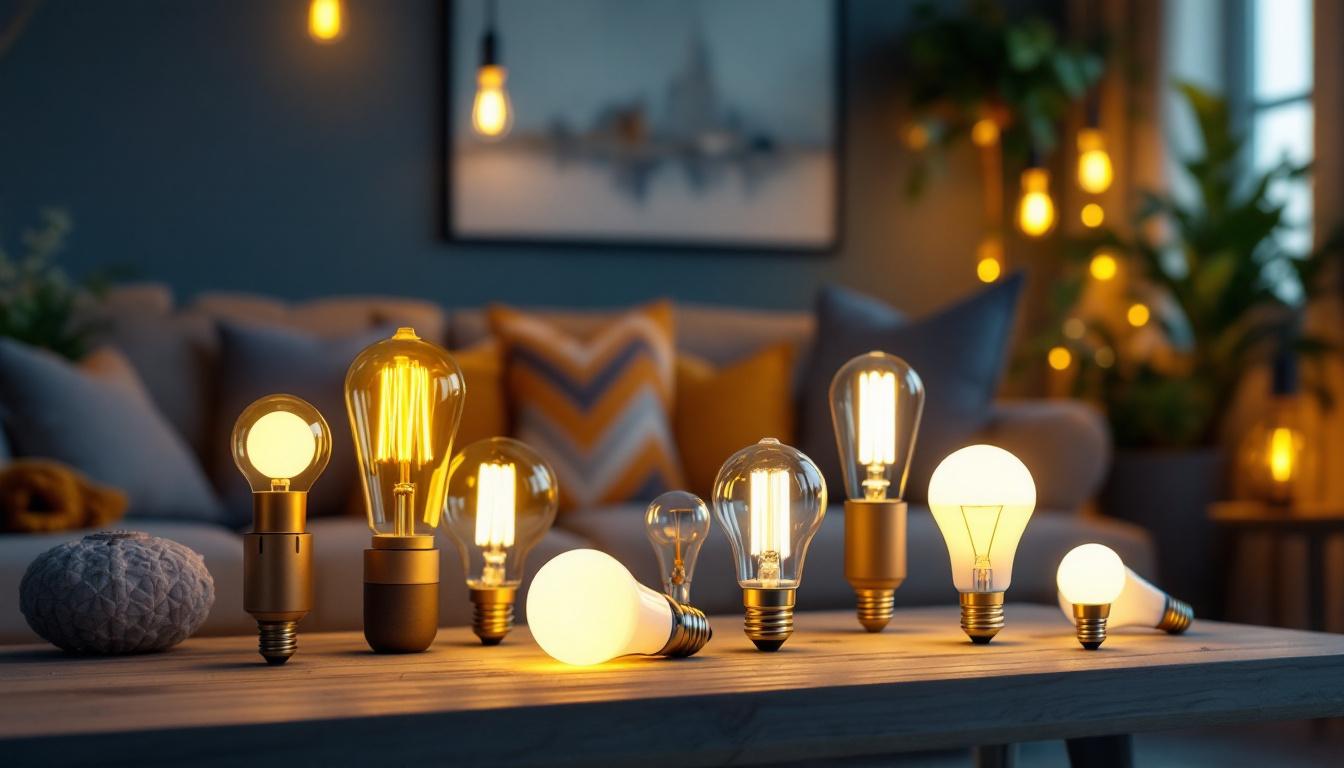
In addition to their functional benefits, LED cylinder lights also offer a wide range of design possibilities. Available in various sizes, finishes, and color temperatures, they can complement any interior style, from minimalist modern to rustic charm. Lighting contractors can leverage this aesthetic flexibility to create unique atmospheres tailored to specific spaces, such as using warmer tones in hospitality settings to evoke a cozy ambiance or cooler tones in retail environments to enhance product visibility. Moreover, the ability to customize beam angles and light distribution further enables contractors to achieve precise lighting effects, highlighting architectural features or artwork while ensuring adequate illumination for safety and comfort.
As the demand for innovative lighting solutions continues to grow, staying updated on the latest trends and technologies in LED cylinder lights is essential for contractors. Emerging options such as tunable white technology allow users to adjust the color temperature throughout the day, mimicking natural light patterns and promoting well-being. Additionally, the integration of smart controls and IoT connectivity is revolutionizing how lighting systems are managed, offering contractors the opportunity to provide clients with cutting-edge solutions that enhance both functionality and energy savings.
Technical Specifications and Performance Metrics
Light Output and Color Quality
When selecting LED cylinder lights, lighting contractors must pay close attention to luminous flux (measured in lumens) and color rendering index (CRI). Lumens indicate the brightness level, which should be matched to the space’s functional requirements. For example, retail environments may require higher lumens for product visibility, whereas hospitality settings might prioritize softer, ambient lighting.
CRI is essential for accurate color representation. LED cylinder lights with a CRI of 80 or above are generally considered suitable for most applications, but spaces demanding precise color discrimination—such as art galleries or medical facilities—may require fixtures with CRI values exceeding 90. Additionally, the color temperature, measured in Kelvin (K), plays a vital role in setting the mood of a space. Warmer temperatures (2700K-3000K) create a cozy atmosphere, while cooler temperatures (4000K-5000K) can enhance focus and productivity, making them ideal for workspaces and educational environments.
Beam Angle and Light Distribution
The beam angle determines how light is dispersed from the fixture. Narrow beam angles (15°–30°) provide focused illumination ideal for accent lighting or highlighting architectural features. Wider beam angles (60°–120°) create broader, more diffuse light suitable for general lighting purposes.
Lighting contractors should evaluate the intended lighting effect and space dimensions to select the appropriate beam angle. Many LED cylinder lights offer adjustable optics, enabling on-site customization to meet specific design intents. Moreover, the use of reflectors and lenses can further refine light distribution, allowing for tailored solutions that enhance the aesthetic appeal of a space while ensuring functional requirements are met. This adaptability is particularly beneficial in dynamic environments, where lighting needs may evolve over time.
Thermal Management and Lifespan
Efficient heat dissipation is critical to maintaining LED performance and longevity. LED cylinder lights typically incorporate heat sinks or thermal conductive materials to prevent overheating. Poor thermal management can lead to premature lumen depreciation and fixture failure.
Contractors should verify that fixtures meet industry standards for thermal performance and come with manufacturer warranties reflecting confidence in product durability. A well-designed LED cylinder light can offer operational lifespans exceeding 50,000 hours, significantly reducing maintenance frequency and costs. Furthermore, advancements in thermal management technologies, such as active cooling systems, are emerging, which can further enhance performance in high-output applications. This is particularly important in environments with high ambient temperatures or in installations where fixtures are densely packed, ensuring that the lighting remains consistent and reliable over time.
Installation Considerations and Best Practices
Mounting Options and Site Compatibility
LED cylinder lights are available in various mounting configurations, including surface-mounted, recessed, and suspended. Each method has specific installation requirements and implications for aesthetics and maintenance.
Surface-mounted fixtures are easier to install and maintain but may protrude more visibly, which can be a design consideration. Recessed installations provide a clean, integrated look but require precise ceiling cutouts and may complicate access for servicing. Suspended cylinder lights offer dramatic visual impact and are ideal for high ceilings or open-plan spaces.
Electrical and Safety Compliance
Ensuring that LED cylinder lights are installed in compliance with local electrical codes and safety standards is paramount. Lighting contractors must verify that fixtures have appropriate certifications such as UL, CE, or equivalent, depending on the region.
Proper wiring, grounding, and circuit protection are essential to prevent electrical hazards. Additionally, contractors should consider compatibility with dimming controls and emergency lighting systems, as these features are increasingly requested in commercial projects.
Integration with Lighting Controls
Modern LED cylinder lights often support advanced lighting control systems, including dimming, occupancy sensors, and daylight harvesting. Integration with these controls enhances energy savings and user comfort.
Lighting contractors should assess the compatibility of fixtures with control protocols such as DALI, 0-10V, or wireless communication standards. Proper commissioning and programming ensure that the lighting system performs as intended, providing flexibility and efficiency.
Applications and Design Flexibility
Commercial and Retail Environments
In commercial settings, LED cylinder lights are valued for their clean lines and ability to direct light precisely where needed. Retail spaces benefit from accent lighting that highlights merchandise, while office environments utilize these fixtures for general illumination that reduces glare and enhances productivity.
The modularity and variety of finishes available allow lighting contractors to tailor installations to brand aesthetics and functional demands, from matte black cylinders for a contemporary look to metallic finishes for upscale environments.
Hospitality and Residential Use
Hospitality venues such as hotels and restaurants leverage LED cylinder lights to create inviting atmospheres. Adjustable beam angles and dimmable features enable dynamic lighting scenes that adapt to different times of day and events.
In residential applications, these fixtures provide elegant task lighting in kitchens, living rooms, and hallways. Their compact form factor allows for subtle integration into ceiling designs without overwhelming the space.
Architectural and Accent Lighting
Architectural lighting often demands precision and flexibility, both of which LED cylinder lights deliver. They can be positioned to wash walls, highlight textured surfaces, or emphasize structural elements, contributing to the overall spatial experience.
Lighting contractors should collaborate closely with designers and architects to select fixtures that complement the architectural intent while meeting technical requirements.
Cost Implications and Return on Investment
Initial Investment vs. Long-Term Savings
While LED cylinder lights may have a higher upfront cost compared to traditional lighting options, their energy efficiency and longevity translate into significant savings over time. Reduced electricity consumption lowers utility bills, and longer lifespans decrease replacement and labor expenses.
Lighting contractors can provide clients with lifecycle cost analyses to demonstrate the financial benefits of investing in quality LED cylinder lighting solutions. This approach supports informed decision-making and fosters trust.
Maintenance and Reliability
Lower maintenance requirements are a critical advantage of LED technology. The extended operational life reduces fixture downtime and the frequency of service visits, which is particularly valuable in commercial and industrial settings where disruptions can be costly.
Contractors should emphasize the reliability of LED cylinder lights and recommend products with robust warranties and proven track records to minimize client risk.
Emerging Trends and Innovations in LED Cylinder Lighting
Smart Lighting Integration
The integration of smart technology into LED cylinder lights is transforming how lighting systems are controlled and optimized. Features such as app-based control, voice activation, and adaptive lighting profiles enhance user experience and energy management.
Lighting contractors should stay informed about these advancements to offer clients cutting-edge solutions that align with evolving building automation trends.
Human-Centric Lighting
Human-centric lighting focuses on adjusting light quality and intensity to support occupant well-being and circadian rhythms. LED cylinder lights capable of tunable white light and dynamic color temperature adjustments are increasingly specified in workplaces, healthcare, and educational environments.
Understanding the physiological and psychological impacts of lighting enables contractors to recommend fixtures that contribute to healthier indoor environments.
Sustainability and Environmental Impact
Sustainability remains a driving force in lighting design. LED cylinder lights manufactured with recyclable materials and designed for easy disassembly support circular economy principles.
Contractors can differentiate their services by prioritizing eco-friendly products and advising clients on sustainable lighting strategies that reduce carbon footprints and comply with green building certifications.
Conclusion: Essential Takeaways for Lighting Contractors
LED cylinder lights represent a versatile, efficient, and aesthetically pleasing option for a wide range of lighting applications. For lighting contractors, mastering the technical specifications, installation best practices, and emerging trends is essential to delivering high-quality outcomes.
By focusing on performance metrics such as luminous output, CRI, and thermal management, contractors can select fixtures that meet client needs and regulatory standards. Attention to installation details and integration with control systems ensures operational reliability and user satisfaction.
Finally, understanding the broader context of cost, sustainability, and human-centric design empowers lighting contractors to position themselves as trusted advisors in an increasingly competitive market. LED cylinder lights are not just fixtures—they are key components of modern lighting solutions that enhance spaces and experiences.
Illuminate Your Projects with LumenWholesale
Ready to elevate your lighting projects with the efficiency, style, and innovation of LED cylinder lights? At LumenWholesale, we provide lighting contractors with the highest quality, spec-grade lighting solutions at unbeatable wholesale prices. Say goodbye to inflated markups and hello to a vast selection of reliable, high-performance lighting that meets the most stringent industry standards. With the added convenience of free shipping on bulk orders, LumenWholesale is your go-to source for premium lighting without the premium price tag. Don’t compromise on quality or value—discover wholesale lighting at the best value today and bring brilliance to every space you illuminate.