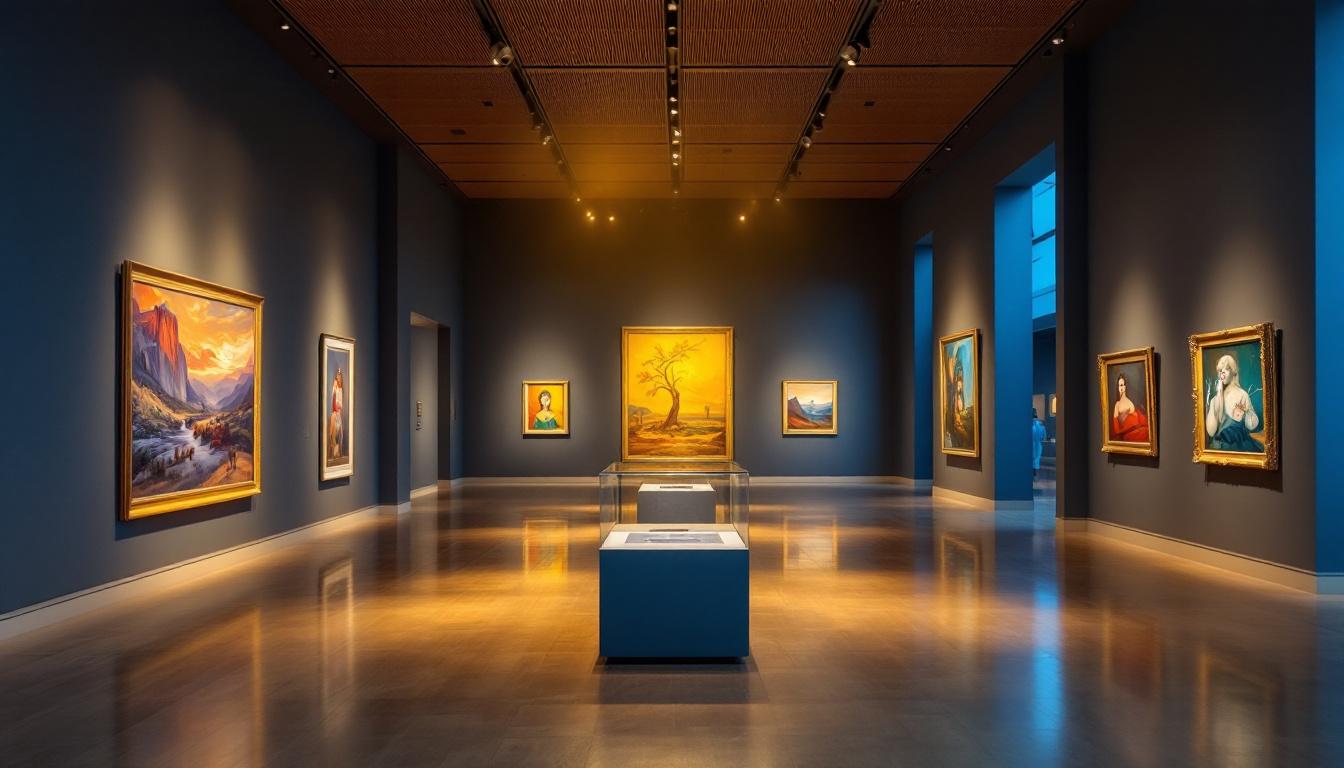
Understanding the Unique Lighting Needs of Home Cinemas
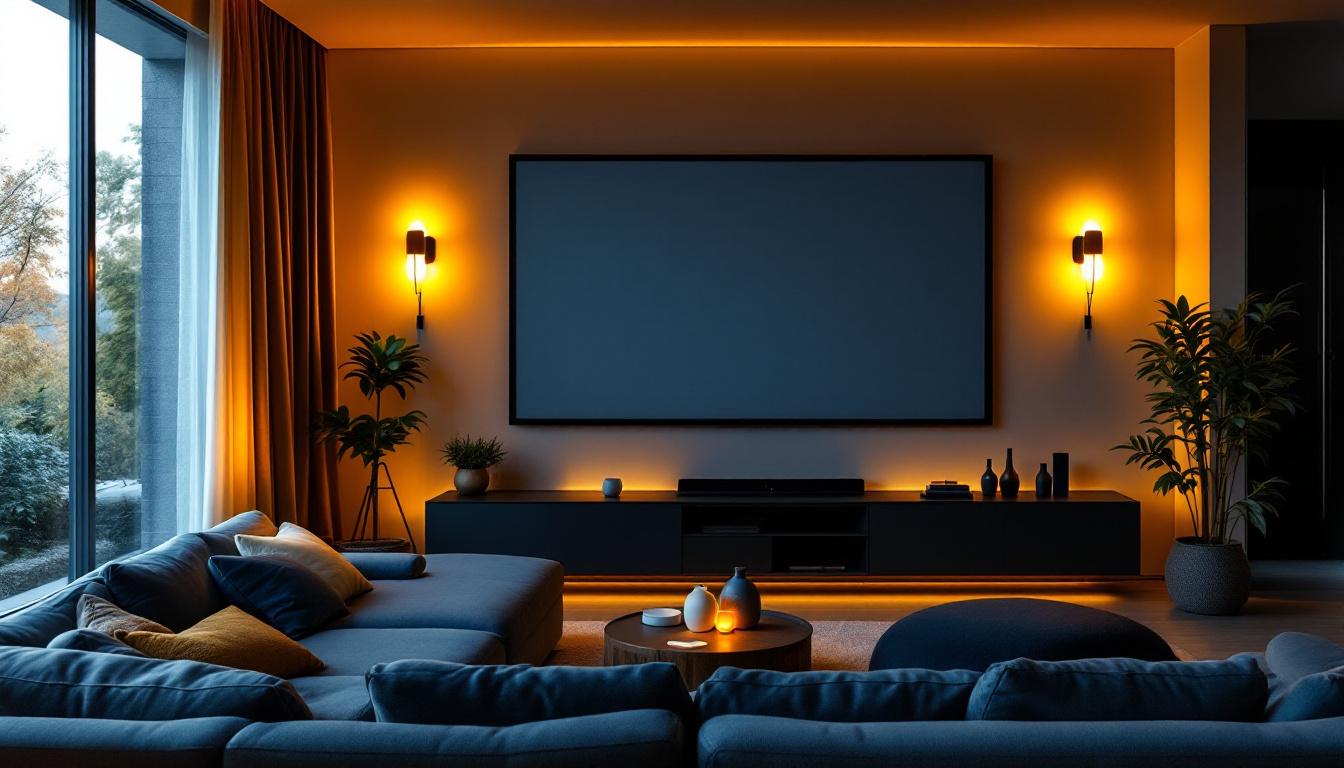
Home cinemas have evolved from simple TV rooms to sophisticated entertainment spaces that mimic the ambiance of commercial theaters. As lighting contractors, it’s essential to recognize that the lighting requirements for these spaces differ significantly from typical residential or commercial installations. The goal is to enhance the viewing experience without causing glare or distractions, while also contributing to the room’s aesthetic appeal.
Many contractors focus primarily on general illumination or decorative lighting, overlooking the nuanced demands of home cinema wall lights. These fixtures are not merely decorative; they play a crucial role in setting the mood, reducing eye strain, and improving spatial orientation within the darkened environment.
The Importance of Ambient and Accent Lighting
In a home cinema, ambient lighting should be subtle and indirect to avoid reflecting off the screen. Wall lights, when positioned correctly, provide soft illumination that helps viewers’ eyes adjust between scenes and reduces fatigue. Accent lighting can also highlight architectural features or artwork without overpowering the room’s primary function.
Failing to balance ambient and accent lighting can result in a harsh or uneven atmosphere, detracting from the immersive experience. Lighting contractors must carefully select fixtures with adjustable brightness and color temperature to tailor the environment to the homeowner’s preferences. Additionally, incorporating smart lighting systems can greatly enhance the functionality of home cinemas. These systems allow users to create customized lighting scenes that can be easily adjusted for different types of content, whether it be a bright animated film or a dark, suspenseful thriller. The ability to control lighting via smartphone apps or voice commands adds a layer of convenience and sophistication that modern homeowners appreciate.
Moreover, the placement of lighting fixtures is just as critical as the types of lights chosen. For instance, recessed lighting can be strategically installed to illuminate pathways without interfering with the screen’s visibility. Similarly, using dimmable sconces along the walls can provide just the right amount of light for navigating the space during a movie without disrupting the cinematic experience. By considering these factors, lighting contractors can create an environment that not only meets the technical requirements of a home cinema but also enhances the overall enjoyment and comfort of the viewing experience.
Common Oversights in Home Cinema Wall Light Installations
Ignoring Glare and Reflection Issues
One of the most frequent mistakes is installing wall lights that cause glare on the screen or reflective surfaces. This issue often arises when fixtures are placed too close to the viewing area or use bulbs with inappropriate brightness or color temperature. Glare not only diminishes picture quality but also causes discomfort and distraction.
Contractors should conduct thorough site assessments, considering screen placement, seating arrangements, and wall materials. Using fixtures with shielded designs or indirect lighting techniques can mitigate glare effectively. Additionally, the strategic use of dimmable wall sconces can help create a balance between ambient and task lighting, ensuring that the focus remains on the cinematic experience rather than on distracting reflections. It’s also worth noting that the finish of the walls can play a significant role; matte finishes tend to absorb light better than glossy ones, which can further reduce glare.
Overlooking Dimming and Control Capabilities
Home cinema lighting should be highly adaptable. Fixed brightness levels can be problematic, especially when transitioning between movie scenes or different activities within the room. Many lighting contractors neglect to incorporate dimming controls or smart lighting systems that allow for easy adjustments.
Integrating dimmers or programmable lighting controls enables users to customize the lighting intensity and color temperature, enhancing comfort and immersion. This flexibility is a critical feature that modern home cinema owners expect. Furthermore, the integration of smart home technology can allow for voice-activated controls and automated lighting scenes that adjust based on the time of day or specific movie genres. For instance, a ‘movie night’ setting could dim the lights to a pre-set level, creating an ideal viewing atmosphere with just a simple command.
Neglecting the Role of Color Temperature
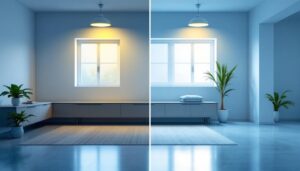
Color temperature profoundly influences the ambiance and viewer comfort in a home cinema. Cooler temperatures (above 4000K) can feel harsh and clinical, while warmer temperatures (below 3000K) create a cozy atmosphere conducive to relaxation. Many contractors default to standard white lighting without considering these impacts.
Choosing wall lights with adjustable or warm color temperatures helps maintain a comfortable environment that complements the on-screen content. This attention to detail can elevate the overall user experience. Additionally, the use of color-changing LED fixtures can offer versatility, allowing homeowners to shift the mood of the room based on the film genre or personal preference. For instance, a sci-fi thriller may benefit from cooler hues to enhance the futuristic feel, while a romantic comedy might call for warmer tones to foster a more intimate setting. Such thoughtful lighting choices can significantly enhance the storytelling aspect of the films being watched.
Design Considerations for Effective Home Cinema Wall Lighting
Placement and Spacing Strategies
Strategic placement of wall lights is vital to achieving balanced illumination. Lights should be positioned to wash the walls gently without shining directly into viewers’ eyes or onto the screen. Typically, placing fixtures at eye level or slightly above seating height works well.
Spacing is equally important; too few lights can create dark spots, while too many can overwhelm the space. A well-planned layout ensures uniform light distribution, enhancing both safety and ambiance.
Choosing the Right Fixtures
The selection of wall light fixtures should align with both functional and aesthetic goals. Sconces with diffusers or indirect light sources are ideal for minimizing glare. Additionally, fixtures with adjustable heads allow for greater control over light direction.
Materials and finishes also matter. Matte or textured surfaces reduce unwanted reflections, while finishes that complement the room’s decor contribute to a cohesive look. Lighting contractors should present clients with a curated selection of fixtures tailored to the home cinema environment.
Incorporating Smart Lighting Technology
Smart lighting solutions offer significant advantages in home cinema settings. Integration with home automation systems allows users to control lighting scenes via smartphones, voice commands, or remote controls. This convenience enhances usability and enables dynamic lighting effects synchronized with media playback.
Contractors should familiarize themselves with compatible smart lighting products and ensure proper wiring and system integration during installation. Offering these advanced options can differentiate a contractor’s services in a competitive market.
Technical Challenges and Solutions
Managing Heat and Energy Efficiency
Wall lights in enclosed or small home cinema rooms can generate heat, potentially affecting both comfort and equipment performance. Using LED fixtures is a practical solution, as they produce minimal heat and consume less energy compared to incandescent or halogen bulbs.
Additionally, LEDs offer longer lifespans and lower maintenance costs, making them a smart choice for both contractors and clients. Ensuring proper ventilation around fixtures further mitigates heat buildup.
Addressing Wiring and Installation Constraints
Home cinemas often have limited wall space or complex layouts, posing challenges for wiring and fixture placement. Contractors must plan carefully to conceal wiring and avoid interference with acoustic treatments or speaker systems.
Using low-voltage lighting systems can simplify installation and enhance safety. Pre-installation consultations with clients and other tradespeople, such as audio specialists, help coordinate efforts and prevent costly rework.
Ensuring Compliance with Safety Standards
Compliance with electrical codes and safety standards is non-negotiable. Contractors should verify that all wall light installations meet local regulations, including proper grounding, circuit protection, and fixture ratings for enclosed spaces.
In home cinema environments, where dimmers and smart controls are common, ensuring compatibility and safe operation is critical. Regular training and staying updated on code changes help maintain high-quality, compliant installations.
Enhancing Client Satisfaction Through Expert Lighting Design
Educating Clients on Lighting Options
Many homeowners are unaware of the complexities involved in home cinema lighting. Lighting contractors who take the time to educate clients about fixture types, placement, control options, and maintenance build trust and facilitate informed decision-making.
Providing visual aids, such as lighting simulations or mock-ups, can help clients visualize the final outcome and set realistic expectations.
Offering Customized Solutions
Every home cinema is unique, and a one-size-fits-all approach rarely suffices. Tailoring lighting solutions to the specific room dimensions, decor style, and user preferences enhances satisfaction and project success.
Contractors should conduct detailed consultations and site visits to gather all necessary information before proposing designs. Flexibility in design and product selection demonstrates professionalism and commitment to quality.
Providing Aftercare and Support
Post-installation support, including troubleshooting, maintenance advice, and system updates, strengthens client relationships and encourages repeat business. Offering service packages or warranties on lighting installations adds value and peace of mind.
Staying accessible and responsive to client needs ensures that the home cinema lighting continues to perform optimally over time.
Conclusion
Home cinema wall lighting is a specialized area that demands careful attention to detail, technical expertise, and an understanding of user experience. Lighting contractors who recognize and address the unique challenges—such as glare control, dimming capabilities, color temperature selection, and smart integration—can significantly enhance the functionality and ambiance of these entertainment spaces.
By avoiding common oversights and adopting best practices in design and installation, contractors not only deliver superior results but also position themselves as trusted experts in a growing market segment. Ultimately, thoughtful lighting design transforms home cinemas into immersive, comfortable environments that delight homeowners and elevate their entertainment experiences.
Illuminate Your Home Cinema Projects with LumenWholesale
Ready to elevate your home cinema installations with superior lighting solutions? At LumenWholesale, we provide lighting contractors with the highest quality, spec-grade lighting products at exceptional wholesale prices. Our extensive selection is designed to meet the intricate needs of home cinema environments, ensuring you can create that perfect immersive experience without the burden of inflated costs. Plus, with free shipping on bulk orders, you can stock up on everything you need while maximizing your budget. Don’t let common lighting oversights compromise your projects. Choose LumenWholesale for the best value in wholesale lighting and make every home cinema shine. Wholesale Lighting at the Best Value