Introduction to Parking Garage Lighting
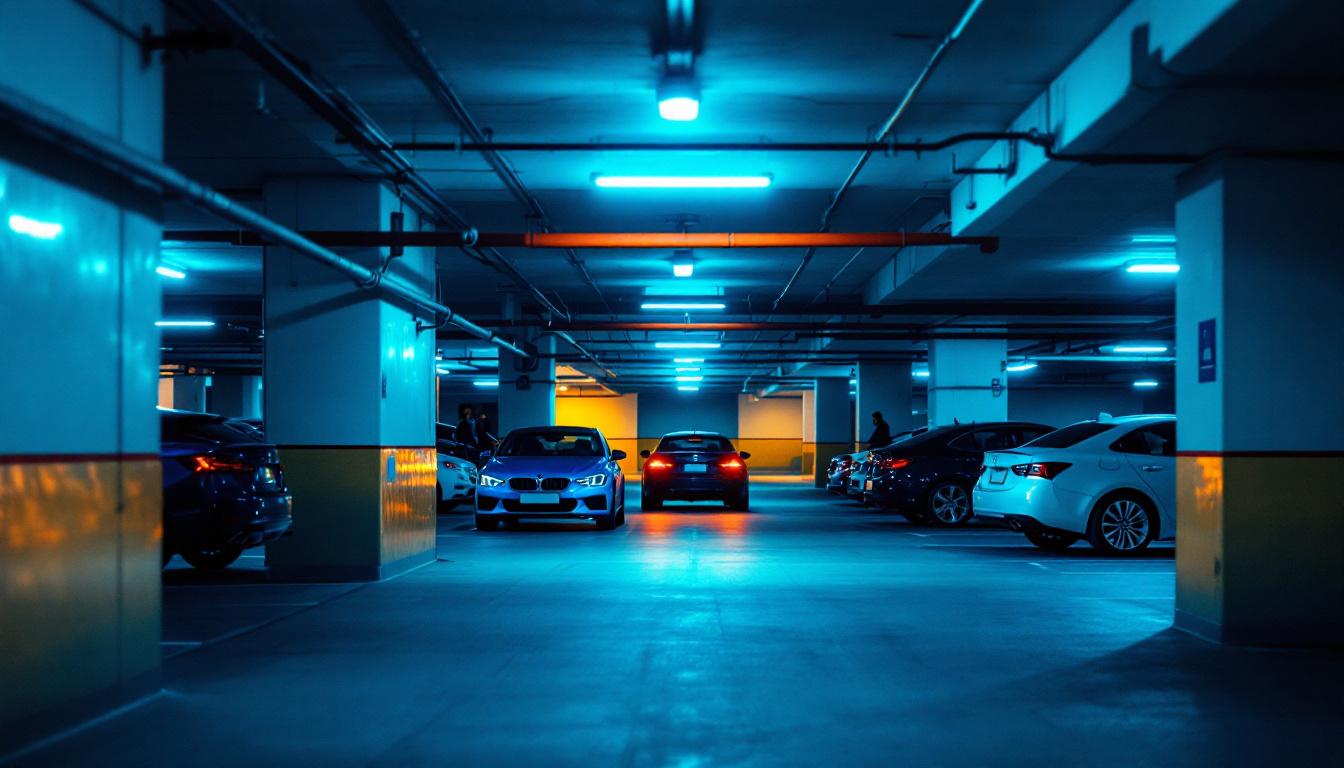
Lighting in parking garages is more than just a matter of illumination; it plays a crucial role in safety, energy efficiency, and overall user experience. For lighting contractors, understanding the nuances of parking garage lighting can lead to more efficient project execution and long-term benefits for clients. This article explores how strategic lighting choices and technologies can enhance the efficiency of lighting projects in parking garages.
Parking garages present unique challenges due to their structural design, environmental exposure, and usage patterns. Unlike open spaces, these facilities often have low ceilings, concrete surfaces, and varying levels of natural light penetration, all of which affect lighting requirements. Efficient lighting solutions must address these challenges while optimizing energy consumption and maintenance costs.
One of the key considerations in parking garage lighting is the balance between visibility and energy efficiency. LED lighting has emerged as a popular choice due to its long lifespan and low energy consumption. These lights not only provide bright, clear illumination that enhances visibility for drivers and pedestrians but also reduce the frequency of replacements and maintenance, which can be a significant cost factor in the long run. Additionally, integrating smart lighting controls that adjust brightness based on occupancy can lead to substantial energy savings, making it a sustainable option for facility managers.
Moreover, the psychological aspect of lighting cannot be overlooked. Well-lit parking garages can significantly improve the sense of security for users, deterring potential criminal activity and reducing the likelihood of accidents. The use of motion sensors and strategically placed fixtures can create a welcoming environment, encouraging more people to use the facility. Furthermore, incorporating design elements such as color temperature and light distribution can enhance the aesthetic appeal of the garage, making it not only functional but also visually pleasing. This attention to detail can elevate the overall user experience, fostering a positive impression of the facility and its management.
Key Considerations for Efficient Parking Garage Lighting
Understanding Lighting Requirements and Standards
Before selecting fixtures or controls, contractors must familiarize themselves with relevant lighting standards and guidelines. Organizations such as the Illuminating Engineering Society (IES) provide recommended illuminance levels for parking garages, typically ranging from 20 to 50 foot-candles depending on the area and usage.
These standards ensure adequate visibility for drivers and pedestrians, reducing accidents and enhancing security. Adhering to such guidelines also helps contractors meet regulatory requirements and avoid costly rework or penalties. Furthermore, it is essential to consider the color temperature of the lighting, as warmer tones can create a more welcoming atmosphere, while cooler tones can enhance visibility and alertness, particularly during nighttime hours.
Assessing the Space and Usage Patterns
Each parking garage has unique characteristics that influence lighting design. Factors such as ceiling height, layout complexity, and the amount of natural light entering the space impact fixture placement and type. Additionally, understanding peak usage times and occupancy patterns allows contractors to implement adaptive lighting controls that can significantly reduce energy consumption.
Moreover, integrating advanced technologies such as occupancy sensors and daylight harvesting systems can further optimize lighting efficiency. For instance, occupancy sensors can dim or turn off lights in unoccupied areas, while daylight harvesting can adjust artificial lighting based on the amount of natural light available, ensuring that energy is used judiciously. This not only contributes to cost savings but also enhances the overall user experience by providing well-lit, safe environments.
Energy Efficiency and Sustainability Goals
Energy consumption in parking garages can be substantial, often accounting for a significant portion of a building’s total electrical load. Contractors should prioritize energy-efficient lighting technologies and incorporate sustainable practices to meet client goals and regulatory incentives. This approach not only reduces operational costs but also enhances the environmental profile of the project.
In addition to selecting LED fixtures, which offer longer lifespans and lower energy use compared to traditional lighting options, contractors can explore smart lighting solutions that allow for remote monitoring and control. These systems can provide valuable data on energy usage patterns, enabling facility managers to make informed decisions about maintenance and further energy-saving opportunities. Incorporating renewable energy sources, such as solar panels, can also contribute to a more sustainable lighting strategy, aligning with broader corporate social responsibility objectives and appealing to environmentally conscious clients.
Advanced Lighting Technologies for Parking Garages
LED Lighting: The Industry Standard
Light Emitting Diode (LED) technology has revolutionized parking garage lighting. LEDs offer superior energy efficiency, longer lifespan, and better light quality compared to traditional fluorescent or metal halide lamps. For contractors, specifying LED fixtures can reduce installation frequency and maintenance costs, while providing clients with substantial energy savings.
Moreover, LEDs provide instant-on capabilities and excellent dimming performance, which are essential for integrating with advanced control systems. Their directional light output also minimizes light pollution and glare, improving driver comfort and safety. The color temperature of LED lights can also be tailored to enhance visibility, making it easier for drivers to navigate and park their vehicles. This adaptability not only improves the overall aesthetic of the garage but also contributes to a more welcoming environment for users, encouraging repeat visits.
Smart Lighting Controls
Integrating smart controls such as occupancy sensors, daylight harvesting, and programmable dimming schedules can dramatically increase project efficiency. Occupancy sensors detect movement and adjust lighting levels accordingly, ensuring lights are only on when needed. Daylight harvesting systems modulate artificial lighting based on ambient natural light, further reducing energy use.
These controls not only lower operational costs but also extend the life of lighting fixtures by reducing run-time. For contractors, pre-wiring and commissioning these systems during installation can streamline project timelines and enhance client satisfaction. Additionally, the data collected from these smart systems can be invaluable for analyzing usage patterns and optimizing energy consumption, helping facility managers make informed decisions about future upgrades and maintenance schedules.
Networked Lighting Systems
Networked or IoT-enabled lighting systems provide real-time monitoring and control capabilities. These systems allow facility managers to track energy consumption, identify maintenance needs, and adjust lighting remotely. For contractors, offering networked solutions can differentiate their services and provide added value through data-driven insights.
Furthermore, the integration of networked lighting systems with other building management systems can lead to enhanced operational efficiencies. For instance, linking lighting controls with security systems can ensure that lights are activated in specific areas during security breaches, thereby enhancing safety. Additionally, the ability to analyze data trends over time can help in forecasting maintenance needs and optimizing energy usage, ultimately leading to a more sustainable and cost-effective parking garage operation. As technology continues to evolve, the potential for innovative solutions in parking garage lighting seems limitless, paving the way for smarter, more efficient facilities.
Design Strategies to Optimize Lighting Project Efficiency
Fixture Placement and Layout Optimization
Proper fixture placement is critical to achieving uniform illumination and minimizing shadows or dark spots. Contractors should use lighting simulation software to model the garage environment and optimize fixture locations. This approach reduces the number of fixtures required and ensures compliance with lighting standards.
Additionally, selecting fixtures with appropriate beam angles and mounting heights tailored to the garage structure can improve light distribution and reduce energy waste.
Modular and Pre-Assembled Components
Using modular lighting components and pre-assembled fixtures can significantly reduce installation time and labor costs. These products are designed for quick mounting and easy wiring, which minimizes on-site adjustments and errors. Contractors benefit from faster project turnover and reduced risk of delays.
Phased Implementation and Retrofits
For existing parking garages, phased lighting upgrades allow for gradual improvements without disrupting facility operations. Contractors can prioritize high-traffic or poorly lit areas first, then expand upgrades as budgets allow. This strategy also provides opportunities to demonstrate energy savings and build client confidence for future phases.
Maintenance and Lifecycle Considerations
Reducing Maintenance Frequency
Maintenance in parking garages can be costly and disruptive. Selecting long-life LED fixtures and durable components reduces the frequency of replacements and repairs. Contractors should specify products with high ingress protection (IP) ratings to withstand dust, moisture, and temperature variations common in parking structures.
Easy Access and Serviceability
Designing lighting systems with maintenance in mind improves long-term efficiency. Fixtures that are easy to access and replace minimize labor time and safety risks. Contractors can recommend mounting solutions and fixture designs that facilitate quick servicing, which is particularly important in multi-level garages with limited access points.
Predictive Maintenance Through Monitoring
Networked lighting systems enable predictive maintenance by alerting facility managers to fixture failures or performance degradation before they become critical. This proactive approach reduces downtime and extends the overall lifespan of the lighting system, enhancing client satisfaction and operational efficiency.
Case Studies and Real-World Examples
Energy Savings Through LED Retrofit
A mid-sized urban parking garage replaced outdated metal halide fixtures with LED luminaires combined with occupancy sensors. The retrofit resulted in a 60% reduction in energy consumption and a 50% decrease in maintenance costs. The project was completed ahead of schedule due to the use of modular fixtures and pre-assembled wiring harnesses, demonstrating the value of thoughtful product selection and planning.
Smart Controls in a Multi-Level Garage
In a large multi-level parking structure, a networked lighting system was installed with real-time monitoring and adaptive controls. The system adjusted lighting levels based on occupancy and daylight availability, achieving a 45% energy reduction. The client benefited from detailed energy reports and predictive maintenance alerts, which helped optimize operational budgets.
Conclusion: Maximizing Efficiency in Parking Garage Lighting Projects
For lighting contractors, focusing on efficient parking garage lighting solutions offers multiple advantages: improved safety, energy savings, reduced maintenance, and enhanced client satisfaction. By leveraging LED technology, smart controls, and strategic design practices, contractors can streamline project execution and deliver superior results.
Understanding the unique challenges of parking garage environments and adhering to established lighting standards ensures that installations meet both functional and regulatory requirements. Incorporating modular components and networked systems further enhances efficiency throughout the project lifecycle.
Ultimately, investing in advanced lighting technologies and thoughtful design not only benefits clients through operational savings and improved user experience but also positions contractors as leaders in sustainable and innovative lighting solutions.
Illuminate Your Projects with LumenWholesale
Ready to elevate your parking garage lighting projects with efficiency and style? At LumenWholesale, we provide the cutting-edge LED technology and smart controls discussed in this article, ensuring your installations shine with safety, energy savings, and client satisfaction. Our spec-grade lighting products are available at unbeatable wholesale prices, giving you the quality and affordability you need to lead the market. Say goodbye to middleman markups and hello to hassle-free bulk buying with free shipping. Don’t compromise on quality or value—choose LumenWholesale for your lighting needs. Wholesale Lighting at the Best Value is just a click away.