Understanding the Basics: What Is a Fluorescent Ballast?
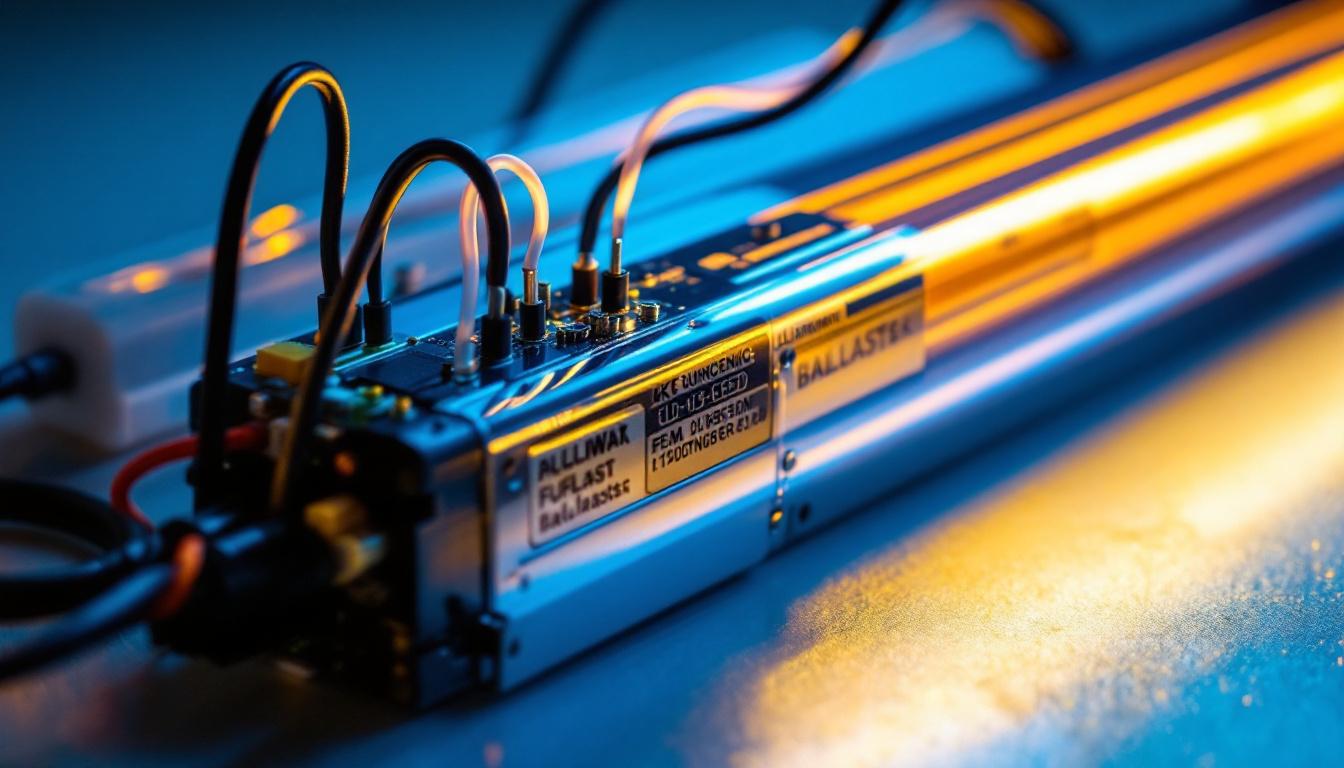
For lighting contractors, a deep understanding of fluorescent ballasts is essential to ensure efficient installations and maintenance. A fluorescent ballast is an electrical device that regulates the current to fluorescent lamps, providing the necessary voltage to start the lamp and then controlling the current flow during operation. Without a ballast, the lamp would draw excessive current, leading to overheating and premature failure.
Fluorescent lamps operate by exciting mercury vapor inside the tube, which emits ultraviolet light that then causes the phosphor coating on the inside of the tube to glow. This process requires a high initial voltage to ionize the gas and start the lamp, followed by a controlled current to maintain steady light output. The ballast fulfills these requirements by managing the electrical characteristics of the circuit.
There are primarily two types of fluorescent ballasts: magnetic and electronic. Magnetic ballasts, which have been around for decades, use inductive coils to regulate the current. They are generally heavier and less energy-efficient than their electronic counterparts, often generating more heat and noise during operation. On the other hand, electronic ballasts are lighter, more efficient, and provide better performance by allowing for rapid start-up times and flicker-free operation. This efficiency not only enhances the lifespan of the fluorescent lamps but also contributes to energy savings, making them a preferred choice in modern lighting applications.
In addition to their functional roles, ballasts also play a critical part in the overall lighting design and energy management strategies of a space. For instance, dimmable electronic ballasts can adjust the light output based on the ambient light conditions or specific user preferences, providing flexibility and comfort in various environments. This adaptability is particularly valuable in commercial settings, where lighting needs can vary significantly throughout the day. Furthermore, understanding the compatibility of ballasts with different lamp types is crucial for contractors, as using the wrong ballast can lead to inefficient operation or even damage to the lamps themselves.
The Role of Fluorescent Ballasts in Lighting Systems
Starting the Lamp: High Voltage Initiation
One of the primary functions of a fluorescent ballast is to provide the initial high voltage needed to start the lamp. When the lamp is switched on, the ballast generates a surge of voltage—often several hundred volts—that ionizes the gas inside the tube. This ionization allows current to flow through the lamp, initiating the light-emitting process.
Lighting contractors must recognize that the starting voltage requirements vary depending on the type of ballast and lamp. For example, rapid-start ballasts provide a continuous low voltage to preheat the electrodes before applying the starting voltage, reducing wear on the lamp and extending its life. In contrast, instant-start ballasts deliver a high voltage immediately, which can be more energy-efficient but may reduce lamp longevity.
Regulating Current: Preventing Overheating and Ensuring Efficiency
After the lamp starts, the ballast’s job shifts to regulating the current flowing through the lamp. Fluorescent lamps have a negative resistance characteristic, meaning that as current increases, the lamp’s resistance decreases, potentially causing a runaway current situation. The ballast acts as a current limiter, ensuring the lamp operates within safe electrical parameters.
For lighting contractors, understanding this regulation is crucial because improper ballast selection or installation can lead to flickering, reduced lamp life, or even electrical hazards. Modern electronic ballasts, for instance, use sophisticated circuitry to maintain steady current, improve energy efficiency, and reduce flicker compared to traditional magnetic ballasts.
Types of Fluorescent Ballasts and Their Impact on Lighting Projects
Magnetic Ballasts: The Traditional Workhorse
Magnetic ballasts have been the standard for decades and operate using inductive coils and capacitors to regulate current. They are robust, relatively simple, and inexpensive but tend to be heavier and less energy-efficient. Magnetic ballasts often produce a noticeable humming sound and can cause lamps to flicker, which may affect the ambiance of a space.
For lighting contractors working on retrofit projects or in environments where cost is a primary concern, magnetic ballasts may still be a viable option. However, awareness of their limitations is important when advising clients on lighting quality and energy consumption.
Electronic Ballasts: Enhancing Performance and Efficiency
Electronic ballasts have revolutionized fluorescent lighting by using solid-state electronics to control the lamp’s operation at high frequencies, typically between 20 kHz and 60 kHz. This high-frequency operation eliminates flicker and reduces audible noise, creating a more comfortable lighting environment.
Moreover, electronic ballasts are significantly more energy-efficient than magnetic ballasts, often reducing energy consumption by 10-30%. They also extend lamp life by providing controlled starting and operating conditions. For lighting contractors, specifying electronic ballasts can lead to satisfied clients through improved lighting quality, lower energy bills, and reduced maintenance costs.
Hybrid and Dimmable Ballasts: Flexibility for Modern Applications
In addition to standard ballasts, hybrid and dimmable ballasts offer lighting contractors greater flexibility. Hybrid ballasts combine features of magnetic and electronic ballasts, providing a balance between cost and performance. Dimmable ballasts allow for adjustable light levels, enabling energy savings and enhanced ambiance control.
These advanced ballasts are particularly valuable in commercial and institutional settings where lighting needs may vary throughout the day. Contractors who master the installation and programming of dimmable ballasts can offer clients tailored lighting solutions that optimize comfort and efficiency.
How Fluorescent Ballasts Transform the Workflow of Lighting Contractors
Streamlining Installation and Maintenance
Fluorescent ballasts simplify the installation process by providing a standardized method to control lamp operation. Modern electronic ballasts are designed for easy wiring and compatibility with various lamp types, reducing installation time and minimizing errors. This efficiency allows contractors to complete projects faster and with greater confidence.
Maintenance is also improved because electronic ballasts often include diagnostic features that help identify faults quickly. Contractors can troubleshoot issues such as lamp failure or ballast malfunction more effectively, reducing downtime and enhancing client satisfaction.
Enhancing Energy Efficiency and Compliance
Energy codes and regulations increasingly emphasize the importance of efficient lighting systems. Fluorescent ballasts, especially electronic models, play a critical role in meeting these standards. By selecting the appropriate ballast, contractors can ensure that lighting installations comply with local energy codes, such as those requiring reduced power consumption or compatibility with occupancy sensors.
Furthermore, the energy savings achieved through efficient ballasts translate into cost savings for clients, making contractors’ proposals more competitive. This alignment with sustainability goals also positions contractors as forward-thinking professionals in a market that values environmental responsibility.
Expanding Service Offerings and Client Satisfaction
Knowledge of fluorescent ballasts enables lighting contractors to offer a broader range of services, including retrofitting existing fixtures with modern ballasts, integrating lighting controls, and designing customized lighting solutions. These capabilities differentiate contractors in a competitive market and open opportunities for higher-value projects.
Clients benefit from improved lighting quality, reduced energy costs, and longer-lasting installations, fostering trust and repeat business. Contractors who stay informed about ballast technology can anticipate client needs and provide expert guidance, enhancing their reputation and business growth.
Best Practices for Lighting Contractors When Working with Fluorescent Ballasts
Accurate Ballast and Lamp Matching
One of the most critical considerations is ensuring that the ballast is compatible with the specific fluorescent lamp type. Mismatched ballasts can cause poor performance, reduced lamp life, and safety hazards. Contractors should verify lamp specifications, including wattage, length, and starting method, before selecting a ballast.
Manufacturers often provide compatibility charts and technical support, which contractors should utilize to make informed decisions. Proper matching also facilitates warranty compliance and reduces the risk of call-backs.
Adhering to Electrical Codes and Standards
Fluorescent ballast installation must comply with national and local electrical codes, such as the National Electrical Code (NEC) in the United States. This includes proper grounding, wiring methods, and adherence to manufacturer instructions. Non-compliance can lead to safety risks, failed inspections, and liability issues.
Contractors should stay current with code updates and participate in ongoing training to maintain best practices. Using certified ballasts and components also ensures adherence to safety and performance standards.
Prioritizing Energy Efficiency and Sustainability
Given the growing emphasis on sustainable building practices, contractors should prioritize energy-efficient ballasts and lighting designs. Electronic ballasts, combined with occupancy sensors, daylight harvesting, and dimming controls, can significantly reduce energy consumption.
Educating clients about the long-term benefits of efficient lighting systems, including lower utility bills and reduced environmental impact, helps contractors position themselves as trusted advisors. This approach aligns with green building certifications such as LEED and WELL, which increasingly influence project specifications.
The Future of Fluorescent Ballasts in the Lighting Industry
While LED technology continues to gain market share, fluorescent lighting remains prevalent in many commercial and industrial applications due to its cost-effectiveness and established infrastructure. Fluorescent ballasts will continue to play a vital role, especially in retrofit projects and facilities where full LED conversion is not yet feasible.
Advancements in ballast technology, such as improved electronic designs and integration with smart building systems, are enhancing the functionality and appeal of fluorescent lighting. Lighting contractors who stay abreast of these developments can leverage them to deliver innovative solutions that meet evolving client demands.
Ultimately, the fluorescent ballast is more than just a component—it is a transformative element that shapes how lighting contractors approach design, installation, and maintenance. Mastery of ballast technology empowers contractors to optimize lighting performance, improve energy efficiency, and elevate their professional service offerings.
Illuminate Your Projects with LumenWholesale
Ready to transform your lighting projects with the efficiency and expertise that only LumenWholesale can offer? Our extensive range of spec-grade fluorescent ballasts and lighting products are designed to meet the demands of modern contractors. With unbeatable wholesale prices and the convenience of free shipping, you’ll find everything you need to stay ahead in the ever-evolving lighting industry. Don’t let middleman markups dim your potential. Choose LumenWholesale for premium lighting solutions that combine quality, affordability, and hassle-free bulk buying. Elevate your service offerings and delight your clients by visiting Wholesale Lighting at the Best Value today.