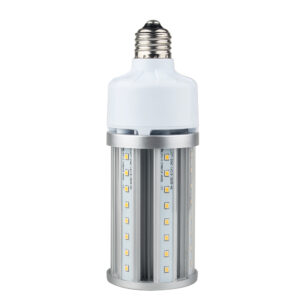
Introduction to Office Fluorescent Lighting
Fluorescent lighting has long been a staple in office environments due to its energy efficiency, longevity, and cost-effectiveness. For lighting contractors, understanding the nuances of installing, maintaining, and upgrading office fluorescent lighting systems is critical to delivering optimal results for clients. This checklist serves as a comprehensive guide to ensure every project meets industry standards, client expectations, and sustainability goals.
Office lighting directly impacts employee productivity, comfort, and overall workplace ambiance. Therefore, contractors must approach each installation with a strategic mindset, balancing technical requirements with aesthetic considerations. This article outlines the essential steps and considerations lighting contractors should follow when working with office fluorescent lighting.
One of the primary advantages of fluorescent lighting is its ability to provide bright, even illumination across large areas, which is essential in preventing eye strain and enhancing focus during long working hours. Additionally, fluorescent bulbs are available in various color temperatures, allowing contractors to tailor the lighting to match the specific needs of the workspace. For instance, cooler color temperatures can invigorate a space, making it ideal for creative environments, while warmer tones can create a more relaxed atmosphere suited for conference rooms or break areas. Understanding these nuances can significantly improve the overall effectiveness of the lighting design.
Moreover, the advancements in fluorescent technology, such as the introduction of electronic ballasts and high-efficiency bulbs, have further increased the appeal of this lighting solution. Electronic ballasts reduce flicker and noise, contributing to a more pleasant working environment, while high-efficiency bulbs consume less energy and have a longer lifespan, translating to reduced maintenance costs over time. As sustainability becomes a priority for many organizations, contractors should also consider integrating smart lighting controls that allow for dimming and scheduling, further enhancing energy savings and aligning with green building practices. This holistic approach not only meets the immediate needs of the office but also supports long-term sustainability goals.
Pre-Installation Assessment
Site Evaluation and Lighting Audit
Before any installation or upgrade, conducting a thorough site evaluation is crucial. This involves assessing the existing lighting infrastructure, measuring ambient light levels, and identifying potential problem areas such as glare, flicker, or uneven illumination. A lighting audit helps determine the number and placement of fixtures required to achieve uniform lighting that complies with workplace standards.
Utilizing tools like light meters and photometric software can provide precise data on illuminance levels. According to industry guidelines, office workspaces typically require between 300 to 500 lux, depending on the task. Ensuring compliance with these standards is essential for employee well-being and productivity. Furthermore, evaluating the color temperature of existing lights is equally important, as warmer tones can create a more inviting atmosphere, while cooler tones may enhance alertness and focus. This nuanced understanding of light quality can significantly influence the overall ambiance of the workspace.
Client Requirements and Budget Considerations
Understanding the client’s needs and budget constraints early in the process helps tailor the lighting solution effectively. Some clients prioritize energy savings and sustainability, while others may focus on aesthetics or ease of maintenance. Discussing these priorities upfront prevents costly revisions later and ensures alignment with the client’s goals. It is also beneficial to explore any specific design themes or branding elements that the client wishes to incorporate, as this can guide the selection of fixtures and finishes.
Additionally, contractors should provide clients with options for fixture types, lamp wattages, and control systems. Offering energy-efficient alternatives such as T5 or T8 fluorescent lamps, which consume less power and have longer lifespans than older T12 models, can be a value-added service. Beyond just lighting types, it’s essential to discuss the integration of smart lighting systems that allow for automated adjustments based on occupancy or natural light levels. This not only enhances energy efficiency but also provides a modern touch that many clients are increasingly seeking in their spaces. Such forward-thinking solutions can significantly elevate the overall project scope and client satisfaction.
Choosing the Right Fluorescent Fixtures and Lamps
Fixture Types and Design Considerations
Office fluorescent fixtures come in various forms, including recessed troffers, surface-mounted units, and pendant fixtures. Selecting the appropriate fixture depends on ceiling type, room layout, and design aesthetics. Recessed troffers are popular for suspended ceilings, providing a clean, integrated look, while surface-mounted fixtures suit hard ceilings or open spaces.
Contractors should also consider fixture efficiency ratings and compatibility with dimming or control systems. High-quality fixtures with well-designed reflectors and diffusers can reduce glare and improve light distribution, enhancing occupant comfort.
Lamp Selection: T5, T8, or T12?
Choosing the correct lamp type is critical for performance and energy efficiency. T5 and T8 lamps are preferred in modern office installations due to their superior efficacy and longer life compared to T12 lamps. T5 lamps are slimmer and operate at higher frequencies, resulting in reduced flicker and better color rendering.
Color temperature is another important factor. Most offices benefit from lamps in the 3500K to 4100K range, which provide a neutral to cool white light conducive to concentration without causing eye strain. Contractors should also verify the color rendering index (CRI) to ensure colors appear natural and vibrant.
Installation Best Practices
Electrical Safety and Compliance
Compliance with electrical codes and safety standards is non-negotiable. Contractors must ensure all wiring, ballasts, and fixtures are installed according to the National Electrical Code (NEC) or local regulations. Using UL-listed components and following manufacturer instructions minimizes risks of electrical faults or fire hazards.
Grounding and proper circuit protection are essential, especially in office environments where sensitive electronic equipment is prevalent. Additionally, contractors should verify that the ballast type matches the lamp specifications to avoid premature lamp failure or reduced efficiency.
Fixture Placement and Spacing
Proper fixture placement ensures even illumination and avoids dark spots or excessive brightness. The spacing-to-mounting height ratio (S/M ratio) is a useful guideline; typically, spacing between fixtures should not exceed 1.5 times the mounting height. For example, fixtures mounted 8 feet above the floor should be spaced no more than 12 feet apart.
Contractors should also consider the layout of workstations, conference rooms, and corridors to optimize lighting distribution. Avoid placing fixtures directly above computer screens to reduce glare and reflections.
Integration with Lighting Controls
Incorporating lighting controls such as occupancy sensors, daylight harvesting systems, and dimmers can significantly enhance energy savings and user comfort. Modern fluorescent ballasts support dimming capabilities, allowing for dynamic adjustment based on natural light availability or occupancy.
Contractors should coordinate with electrical engineers or building automation specialists to ensure seamless integration of controls. Proper commissioning and testing of these systems are vital to confirm functionality and client satisfaction.
Post-Installation Procedures
Quality Inspection and Testing
After installation, a comprehensive quality inspection should be conducted. This includes verifying fixture alignment, lamp operation, and light levels across the space. Using a light meter to measure illuminance at various points ensures compliance with design specifications.
Contractors should also check for flicker, noise from ballasts, and any signs of overheating. Addressing these issues promptly prevents future maintenance problems and enhances client trust.
Documentation and Client Handover
Providing detailed documentation is a professional best practice. This should include as-built drawings, fixture schedules, lamp types, ballast specifications, and maintenance recommendations. Clear instructions on lamp replacement and ballast servicing empower facility managers to maintain the lighting system effectively.
Additionally, contractors should offer training sessions or walkthroughs with client representatives to explain system features, control operation, and troubleshooting tips.
Maintenance and Upgrades
Routine Maintenance Checklist
Regular maintenance extends the lifespan of fluorescent lighting systems and ensures consistent performance. Contractors should advise clients to schedule periodic cleaning of fixtures and lenses to remove dust and debris that can reduce light output.
Replacing lamps before end-of-life prevents flickering and color shifts. Ballasts should also be inspected for signs of wear or failure. Establishing a maintenance contract can provide clients with peace of mind and steady business for contractors.
Energy-Efficient Upgrades and Retrofits
With the rise of LED technology, many offices are transitioning from fluorescent to LED lighting for even greater energy savings and reduced maintenance. However, retrofitting existing fluorescent fixtures with LED tubes or modules can be a cost-effective intermediate solution.
Contractors should evaluate the feasibility of such upgrades based on fixture compatibility, client budget, and desired outcomes. Offering energy audits and payback analyses helps clients make informed decisions about lighting investments.
Environmental and Regulatory Considerations
Disposal and Recycling of Fluorescent Lamps
Fluorescent lamps contain small amounts of mercury, making proper disposal essential to prevent environmental contamination. Contractors must follow local regulations for hazardous waste handling and encourage clients to participate in lamp recycling programs.
Partnering with certified recycling facilities ensures compliance and promotes corporate social responsibility. Educating clients about these requirements enhances the contractor’s reputation as an environmentally conscious professional.
Meeting Sustainability Goals
Many organizations are adopting sustainability initiatives that include reducing energy consumption and minimizing environmental impact. Lighting contractors play a pivotal role by recommending efficient fluorescent solutions and integrating smart controls.
Documenting energy savings and carbon footprint reductions from lighting projects can support clients’ green certifications such as LEED or WELL Building Standard. Staying informed about evolving regulations and incentives allows contractors to offer cutting-edge, compliant solutions.
Conclusion
Office fluorescent lighting remains a vital component of commercial lighting strategies, offering a balance of efficiency, cost, and performance. For lighting contractors, mastering the technical, aesthetic, and regulatory aspects of fluorescent installations is key to delivering successful projects.
This ultimate checklist guides contractors through every phase—from pre-installation assessment to maintenance and upgrades—ensuring high-quality outcomes that satisfy clients and promote sustainability. By adhering to these best practices, contractors can enhance their professionalism, build lasting client relationships, and contribute to healthier, more productive office environments.
Illuminate Your Projects with LumenWholesale
Ready to elevate your lighting projects with the best in efficiency, cost, and performance? Look no further than LumenWholesale. Our extensive selection of spec-grade lighting products is designed to meet the needs of the most discerning contractors. With unbeatable wholesale prices and the convenience of free shipping on bulk orders, you can trust us to provide premium lighting solutions that align with your commitment to quality and sustainability. Don’t let inflated markups dim your project’s potential. Choose LumenWholesale for Wholesale Lighting at the Best Value and experience the difference today.