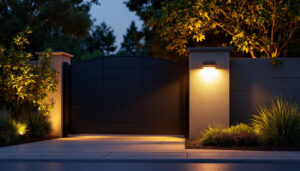
Understanding Plug In Outdoor Post Lights: An Overview for Lighting Contractors
Outdoor post lights are an essential component of landscape and architectural lighting, providing both functional illumination and aesthetic appeal. Among the various types available, plug in outdoor post lights have gained significant popularity due to their ease of installation and versatility. For lighting contractors, mastering the nuances of these fixtures is crucial to delivering quality results that satisfy clients and comply with safety standards.
Plug in outdoor post lights typically feature a built-in power cord that connects directly to a standard electrical outlet, eliminating the need for complex wiring or hardwiring. This design makes them particularly attractive for residential and commercial projects where quick installation and flexibility are priorities. However, despite their simplicity, contractors must be aware of best practices to ensure longevity, safety, and optimal performance.
One of the key advantages of plug in outdoor post lights is their adaptability to various settings. Whether illuminating a garden path, enhancing the ambiance of a patio, or providing safety along driveways, these lights can be easily repositioned or replaced without the need for extensive labor. This flexibility allows contractors to cater to the evolving needs of their clients, making it easier to adjust lighting schemes as landscapes change or as preferences shift over time. Additionally, many plug in models come equipped with features such as motion sensors or dimming capabilities, further enhancing their functionality and appeal.
Moreover, the aesthetic options available for plug in outdoor post lights are vast, ranging from traditional lantern styles to sleek, modern designs. This variety enables contractors to select fixtures that complement the architectural style of a property while also meeting the specific lighting requirements of the space. Furthermore, with advancements in LED technology, many of these lights offer energy-efficient solutions that not only reduce electricity costs but also contribute to a more sustainable approach to outdoor lighting. By staying informed about the latest trends and innovations in outdoor lighting, contractors can provide their clients with informed recommendations that align with both their stylistic preferences and environmental considerations.
Key Advantages of Plug In Outdoor Post Lights
Ease of Installation and Maintenance
One of the primary benefits of plug in outdoor post lights is their straightforward installation process. Unlike hardwired fixtures, these lights do not require electricians to run new wiring or install junction boxes, which can reduce labor costs and project timelines. This advantage is especially significant in retrofit projects or rental properties where permanent modifications are undesirable.
Maintenance is also simplified. Since the fixtures plug into standard outlets, troubleshooting electrical issues or replacing units can be done quickly without specialized tools or permits. This accessibility enhances contractor efficiency and client satisfaction. Additionally, many plug in outdoor post lights are designed with weather-resistant materials, ensuring durability and longevity even in harsh outdoor conditions. This means that homeowners can enjoy the benefits of their lighting without the constant worry of wear and tear, making these fixtures a practical choice for any outdoor space.
Flexibility and Portability
Plug in post lights offer remarkable flexibility in placement. Contractors can advise clients on repositioning fixtures seasonally or as landscape designs evolve without rewiring. This adaptability supports dynamic outdoor environments and allows for creative lighting schemes that can be adjusted with minimal effort. For instance, homeowners can easily shift their lighting to highlight seasonal decorations or to create a cozy ambiance for outdoor gatherings, enhancing the overall aesthetic of their property.
Additionally, portability means these lights can be used temporarily for events or construction sites, providing safe and effective illumination without permanent installation. This is particularly beneficial for outdoor events such as weddings or parties, where lighting needs may change throughout the evening. The ability to relocate these lights quickly allows for a more tailored lighting experience, ensuring that every corner of the space is beautifully illuminated, enhancing both safety and atmosphere.
Energy Efficiency and Compatibility
Modern plug in outdoor post lights often incorporate LED technology, which significantly reduces energy consumption compared to traditional incandescent or halogen bulbs. LEDs also have longer lifespans, lowering replacement frequency and maintenance costs. Lighting contractors should prioritize fixtures with ENERGY STAR certification or equivalent ratings to ensure energy efficiency and environmental responsibility. This commitment to sustainability not only benefits the environment but also appeals to eco-conscious consumers who are increasingly looking for energy-efficient solutions in their homes.
Furthermore, many plug in post lights are compatible with smart controls, timers, and sensors, enabling advanced energy management and automation that clients increasingly expect. This integration allows users to program their lighting to turn on and off at specific times, or to adjust based on ambient light levels, further optimizing energy use. As smart home technology continues to evolve, the ability to seamlessly incorporate outdoor lighting into a comprehensive home automation system becomes a significant selling point, providing convenience and enhancing the overall user experience.
Best Practices for Installation
Site Assessment and Planning
Before installation, a thorough site assessment is vital. Contractors should evaluate the location of existing power outlets, landscape features, and traffic patterns to determine optimal fixture placement. Ensuring outlets are weatherproof and compliant with local electrical codes is essential to prevent hazards.
Planning should also consider cable management to avoid tripping hazards and maintain a clean aesthetic. Using outdoor-rated extension cords and securing cables along posts or pathways can enhance safety and appearance.
Ensuring Proper Grounding and Weatherproofing
Although plug in post lights do not require hardwiring, grounding remains a critical safety consideration. Contractors should verify that the electrical outlets used are properly grounded and equipped with Ground Fault Circuit Interrupters (GFCIs) to protect against electrical shock in damp outdoor environments.
Weatherproofing extends beyond the fixture itself. Connections, plugs, and outlets must be rated for outdoor use and protected from moisture ingress. Employing weatherproof covers and sealants can prevent corrosion and electrical failures, thereby extending the lifespan of the installation.
Compliance with Electrical Codes and Standards
Adherence to the National Electrical Code (NEC) and local regulations is non-negotiable. Contractors must ensure that all components, including cords, outlets, and fixtures, meet the necessary safety standards. For example, outdoor receptacles should be installed at appropriate heights and locations, and all wiring should be rated for outdoor use.
Failing to comply not only endangers users but can also result in costly rework and liability issues. Staying current with code updates and industry best practices is a hallmark of professional contractors.
Optimizing Performance and Client Satisfaction
Choosing the Right Fixture and Bulb
Selecting the appropriate plug in outdoor post light involves balancing aesthetics, functionality, and technical specifications. Contractors should consider factors such as light output (lumens), color temperature, beam angle, and fixture design to complement the client’s landscape and architectural style.
LED bulbs with warm white color temperatures (2700K to 3000K) are often preferred for outdoor post lights as they create inviting and comfortable environments. Additionally, dimmable options can provide clients with greater control over ambiance and energy use.
Incorporating Smart Controls and Automation
Integrating smart lighting controls can significantly enhance the value proposition for clients. Motion sensors, dusk-to-dawn timers, and remote control capabilities allow for efficient operation and increased security. Contractors should familiarize themselves with compatible smart systems and advise clients on the benefits and installation requirements.
Smart technology not only improves user experience but also contributes to energy savings and sustainability goals, aligning with modern consumer expectations.
Providing Clear Client Guidance and Support
Effective communication with clients is essential for long-term satisfaction. Contractors should educate clients on proper use, maintenance, and troubleshooting of plug in outdoor post lights. Providing written instructions, warranty information, and contact details for support can reduce service calls and enhance trust.
Additionally, recommending routine inspections and cleaning schedules helps maintain fixture performance and appearance, ensuring that the investment continues to deliver value.
Common Challenges and How to Address Them
Managing Power Supply Limitations
One challenge with plug in outdoor post lights is the reliance on existing power outlets, which may be limited or inconveniently located. Contractors can address this by planning for outdoor-rated extension cords or recommending installation of additional weatherproof outlets where feasible.
It is important to avoid overloading circuits and to ensure that all connections remain safe and compliant with electrical codes.
Dealing with Environmental Factors
Outdoor lighting fixtures are exposed to weather extremes, pests, and physical impacts. Selecting durable materials such as powder-coated aluminum or stainless steel can enhance resistance to corrosion and damage.
Contractors should also advise clients on protecting fixtures during severe weather events and inspecting for insect nests or debris that may affect light output or safety.
Addressing Aesthetic Integration
Sometimes, plug in post lights may appear bulky or out of place within a carefully designed landscape. To mitigate this, contractors can recommend fixtures with sleek profiles, customizable finishes, or complementary design elements.
Using landscaping techniques such as planting or decorative enclosures can also help blend lighting fixtures seamlessly into the environment.
Conclusion: Elevating Outdoor Lighting Projects with Plug In Post Lights
For lighting contractors, plug in outdoor post lights represent a practical and popular solution that balances ease of installation with effective illumination. By adhering to best practices—ranging from careful site assessment and compliance with electrical codes to selecting appropriate fixtures and educating clients—contractors can ensure successful outcomes that enhance outdoor spaces.
Embracing innovations such as LED technology and smart controls further positions contractors to meet evolving client demands for energy efficiency, convenience, and aesthetic excellence. Ultimately, a well-executed plug in outdoor post lighting project not only brightens outdoor environments but also reinforces a contractor’s reputation for professionalism and quality.
Illuminate Your Projects with LumenWholesale
Ready to elevate your outdoor lighting projects with the best in plug in post lights? Look no further than LumenWholesale, where we provide lighting contractors with superior, spec-grade lighting products at unbeatable wholesale prices. Our extensive selection is designed to meet the highest industry standards, ensuring you deliver reliable, high-performance lighting to every client. Plus, with free shipping on bulk orders, you can enjoy premium lighting solutions at the best value — without hidden fees or compromises. Enhance your professional lighting projects today by visiting Wholesale Lighting at the Best Value and experience the LumenWholesale difference.