Understanding the 2 Lamp Fluorescent Fixture
For lighting contractors, the 2 lamp fluorescent fixture remains a staple in commercial and industrial lighting applications. Its design, featuring two fluorescent tubes, offers a balance of brightness and energy consumption that suits many environments, from offices to warehouses. However, to truly maximize efficiency, it is essential to understand the fixture’s components and how they interact.
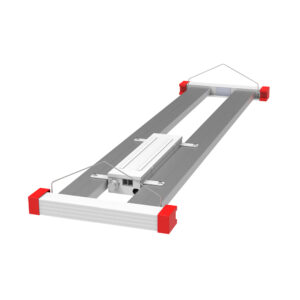
At its core, a 2 lamp fluorescent fixture consists of two fluorescent tubes, a ballast, a reflector, and a housing unit. The ballast regulates the current to the lamps, ensuring they operate safely and efficiently. Meanwhile, the reflector directs light output, enhancing illumination where it is needed most. Each element plays a critical role in the fixture’s overall performance.
The Role of Ballasts in Efficiency
Ballasts are often overlooked but are crucial for optimizing energy use. Traditional magnetic ballasts, while reliable, tend to consume more power and generate heat, reducing overall efficiency. Electronic ballasts, on the other hand, operate at higher frequencies, reducing flicker and energy consumption. Upgrading to electronic ballasts can improve fixture efficiency by up to 20%, a significant gain for large-scale installations.
Moreover, the choice of ballast can also influence the lifespan of the fluorescent tubes. Electronic ballasts not only enhance energy efficiency but also provide a more stable operating environment for the tubes, which can lead to extended lifespans and reduced maintenance costs. This is particularly beneficial in settings where replacing bulbs can be disruptive or costly, such as in high ceilings or hard-to-reach areas.
Fluorescent Tubes: Choosing the Right Type
Not all fluorescent tubes are created equal. The choice of tube impacts both light quality and energy efficiency. T8 tubes, for example, are more energy-efficient than older T12 models and provide better lumen output per watt. Additionally, selecting tubes with a high Color Rendering Index (CRI) enhances the visual quality of the space, which is often critical in commercial settings.
Furthermore, the color temperature of the fluorescent tubes can significantly affect the ambiance of a workspace. Cooler color temperatures, typically around 5000K, can create a bright, invigorating atmosphere that is ideal for work environments requiring focus and alertness. In contrast, warmer color temperatures, closer to 3000K, can foster a more relaxed and inviting setting, making them suitable for areas like reception lounges or conference rooms. Understanding these nuances allows contractors to tailor lighting solutions that not only meet functional requirements but also enhance the overall aesthetic of the space.
Optimizing Installation for Maximum Efficiency
Proper installation is key to unlocking the full potential of a 2 lamp fluorescent fixture. Lighting contractors must consider fixture placement, mounting height, and orientation to ensure optimal light distribution and minimize energy waste. An effective installation not only enhances the aesthetic appeal of a space but also contributes to energy savings and improved productivity in work environments. Understanding the specific lighting needs of different areas can lead to a more tailored approach, ensuring that each space is illuminated effectively.
Fixtures should be installed in locations where their light output can be fully utilized. For example, in an office setting, placing fixtures directly above workstations maximizes task lighting without requiring excessive brightness. This strategic placement can significantly reduce eye strain and improve overall employee comfort, leading to increased focus and productivity. Similarly, in warehouses, aligning fixtures parallel to aisles ensures even illumination and reduces shadows, which is essential for safety and efficiency in navigating large spaces. Additionally, considering the color temperature of the fluorescent lamps can further enhance the work environment, as cooler temperatures may promote alertness while warmer hues can create a more relaxed atmosphere.
Reflector Design and Its Impact
The reflector inside the fixture directs light downward and outward, enhancing the effective lumen output. Using high-quality, specular reflectors can increase light distribution efficiency by up to 15%. Reflectors made from anodized aluminum or coated with reflective materials help in minimizing light loss and improving uniformity. Moreover, the design of the reflector can be tailored to specific applications; for instance, parabolic reflectors can be used in settings where focused lighting is required, such as in retail displays, while broader reflectors may be more suitable for general ambient lighting. The choice of reflector not only impacts efficiency but also the quality of light, affecting how colors are perceived in the illuminated space.
Mounting Height and Spacing
Determining the correct mounting height and spacing between fixtures is crucial. Too high, and the light intensity diminishes; too low, and glare becomes an issue. Generally, mounting heights between 8 to 12 feet are ideal for 2 lamp fluorescent fixtures in commercial environments. Spacing should be calculated based on the fixture’s lumen output and the desired foot-candle levels, ensuring consistent illumination without over-lighting. Additionally, factors such as the type of activities performed in the space, the presence of windows, and the color of walls and ceilings can influence the optimal configuration. For instance, lighter wall colors can reflect more light, potentially allowing for greater spacing between fixtures, while darker colors may absorb more light, necessitating closer fixture placement to achieve the same level of brightness. This nuanced approach to installation can significantly enhance the overall lighting quality and energy efficiency of the space.
Energy Efficiency Strategies for 2 Lamp Fluorescent Fixtures
Energy efficiency is a top priority for lighting contractors aiming to reduce operational costs and meet sustainability goals. Several strategies can be employed to optimize the energy use of 2 lamp fluorescent fixtures.
Upgrading to Electronic Ballasts
As mentioned earlier, replacing magnetic ballasts with electronic versions reduces power consumption and heat generation. Electronic ballasts also extend lamp life, reducing maintenance costs. Many electronic ballasts are compatible with dimming controls, offering further energy savings by adjusting light levels based on occupancy or daylight availability.
Implementing Lighting Controls
Integrating occupancy sensors and daylight harvesting controls can significantly reduce energy waste. Occupancy sensors ensure lights are only on when spaces are occupied, while daylight sensors adjust artificial lighting based on natural light levels. These controls can reduce energy consumption by up to 40% in some applications.
Using High-Efficiency Fluorescent Tubes
Selecting high-efficiency fluorescent tubes with improved phosphor coatings and optimized gas mixtures can increase lumen output and reduce wattage. For example, premium T8 lamps often deliver 10-15% more light per watt compared to standard models. This translates to lower energy bills and better lighting quality.
Maintenance Practices to Sustain Efficiency
Maintaining 2 lamp fluorescent fixtures is essential to preserving their efficiency over time. Dust accumulation, aging components, and improper handling can degrade performance and increase energy consumption.
Regular Cleaning and Inspection
Dust and dirt on lamps and reflectors reduce light output by blocking or scattering light. Regular cleaning, typically every six months, helps maintain optimal lumen levels. Inspecting fixtures for signs of wear, such as flickering lamps or ballast noise, allows for timely repairs or replacements.
Timely Lamp Replacement
Fluorescent lamps lose brightness gradually, often unnoticed until illumination levels drop significantly. Replacing lamps before they reach end-of-life ensures consistent lighting quality and efficiency. Many contractors recommend replacing fluorescent tubes after approximately 20,000 operating hours, depending on usage patterns.
Ballast Replacement and Upgrades
Ballasts also degrade over time, impacting fixture performance. Upgrading to modern electronic ballasts during maintenance cycles can improve energy efficiency and reduce maintenance frequency. It is advisable to evaluate ballasts during routine inspections and plan replacements accordingly.
Case Studies: Efficiency Gains in Real-World Applications
Examining real-world examples helps illustrate the tangible benefits of optimizing 2 lamp fluorescent fixtures.
Office Building Retrofit
A commercial office building replaced outdated magnetic ballasts and T12 lamps with electronic ballasts and high-efficiency T8 tubes in their 2 lamp fluorescent fixtures. The retrofit resulted in a 25% reduction in lighting energy consumption and improved light quality, enhancing occupant comfort and productivity. Additionally, the building qualified for energy rebates, offsetting upgrade costs.
Warehouse Lighting Optimization
In a large warehouse, careful repositioning of 2 lamp fluorescent fixtures combined with the installation of specular reflectors improved light distribution and reduced the number of fixtures required. Coupled with occupancy sensors, the facility achieved a 30% reduction in lighting energy use without compromising safety or visibility.
Future Trends and Considerations
While 2 lamp fluorescent fixtures remain prevalent, emerging technologies and regulations are shaping the future of efficient lighting.
LED Retrofits for 2 Lamp Fixtures
LED technology offers superior energy efficiency, longer life, and improved light quality. Many lighting contractors are transitioning 2 lamp fluorescent fixtures to LED tube replacements or integrated LED retrofit kits. These upgrades can reduce energy consumption by up to 50% and lower maintenance requirements.
Regulatory Compliance and Incentives
Energy codes and standards increasingly favor high-efficiency lighting solutions. Lighting contractors should stay informed about local regulations and incentive programs that encourage upgrading fluorescent fixtures. Compliance not only ensures legal adherence but also provides financial benefits.
Smart Lighting Integration
The integration of smart lighting controls with 2 lamp fluorescent fixtures is gaining traction. Advanced systems enable remote monitoring, adaptive lighting schedules, and data-driven maintenance, further enhancing efficiency and reducing operational costs.
Conclusion
Optimizing 2 lamp fluorescent fixtures for maximum efficiency involves a comprehensive approach, including selecting the right components, proper installation, energy-saving strategies, and diligent maintenance. For lighting contractors, understanding these factors is essential to delivering high-performance lighting solutions that meet client expectations and sustainability goals.
By upgrading ballasts, choosing efficient tubes, implementing controls, and considering future technologies like LED retrofits, contractors can significantly enhance the efficiency and longevity of 2 lamp fluorescent fixtures. This not only benefits end-users through reduced energy costs and improved lighting quality but also positions contractors as experts in sustainable lighting solutions.
Illuminate Your Projects with LumenWholesale
Ready to elevate your lighting projects to new heights of efficiency and performance? Look no further than LumenWholesale for all your lighting needs. Our extensive selection of spec-grade lighting products ensures you have access to the most efficient and reliable options on the market. Say goodbye to inflated markups and hello to unbeatable wholesale prices, complete with the convenience of free shipping. Don’t compromise on quality or value—choose LumenWholesale for premium lighting solutions that make every project shine. Start experiencing the difference today by visiting Wholesale Lighting at the Best Value.