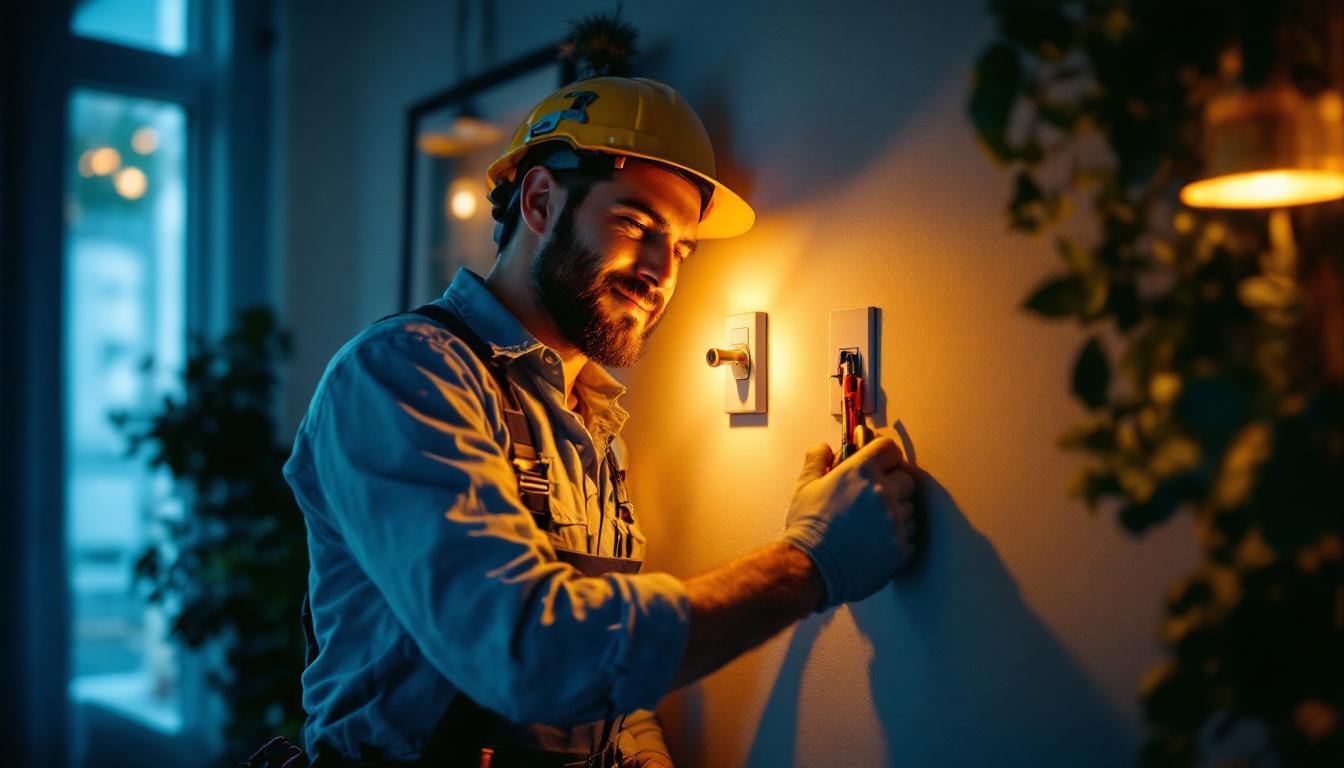
Understanding the Importance of Wall Sconce Covers
Wall sconces are a popular lighting choice in both residential and commercial settings, offering ambient illumination and enhancing interior design. However, the role of the wall sconce cover often goes overlooked. For lighting contractors, understanding the function and selection of wall sconce covers is critical not only for aesthetics but also for safety, durability, and energy efficiency.
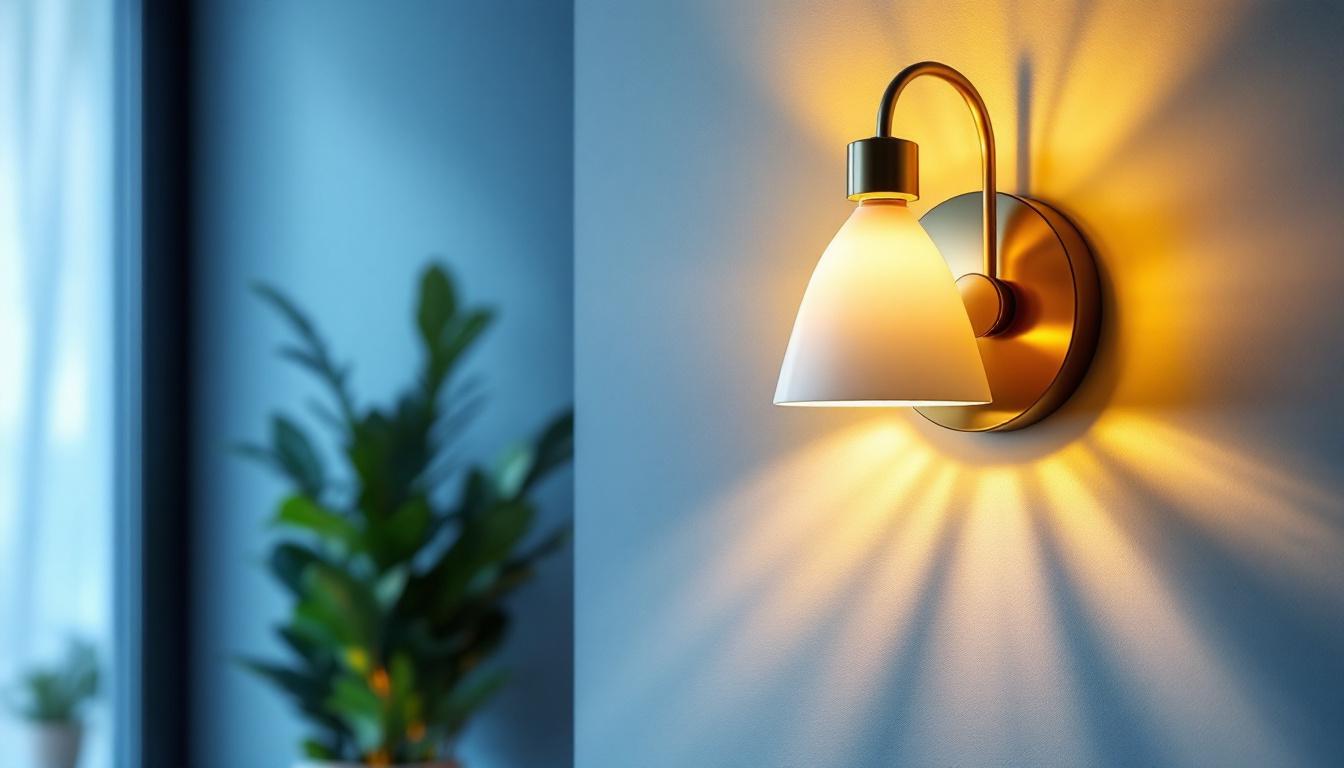
A wall sconce cover serves as the protective barrier between the light source and the environment. It diffuses light, reduces glare, and shields the bulb from dust, moisture, and accidental contact. Selecting the right cover can extend the lifespan of the fixture and improve the overall lighting quality, making it a vital consideration during installation and maintenance.
Moreover, wall sconce covers come in a variety of materials and designs, each offering unique benefits. Glass covers, for instance, can provide a sleek, modern aesthetic while allowing maximum light transmission. On the other hand, fabric or metal covers can add texture and warmth to a space, creating a more inviting atmosphere. When choosing a cover, it’s essential to consider the overall theme of the room, as well as the specific lighting needs. For example, a dimly lit hallway may benefit from a cover that softens the light, while a bright reading nook might require a more transparent option to enhance visibility.
In addition to aesthetic considerations, the installation of wall sconce covers plays a significant role in energy efficiency. Properly fitted covers can minimize energy waste by ensuring that light is directed where it is needed most, reducing the need for additional fixtures. Furthermore, many modern covers are designed to accommodate LED bulbs, which not only consume less energy but also produce less heat, contributing to a safer environment. Thus, understanding the compatibility of wall sconce covers with various bulb types is essential for optimizing both performance and energy savings.
Material Choices and Their Impact
Glass vs. Acrylic Covers
One of the primary decisions lighting contractors face is choosing between glass and acrylic wall sconce covers. Glass covers are favored for their clarity and resistance to scratching, which ensures long-lasting brilliance and minimal light distortion. They also tend to withstand higher temperatures, making them suitable for fixtures with incandescent or halogen bulbs. Additionally, glass offers a timeless aesthetic that can complement both modern and traditional decor, enhancing the overall ambiance of a space.
On the other hand, acrylic covers offer lightweight durability and greater resistance to impact, which is particularly advantageous in high-traffic or commercial environments. Acrylic is also easier to mold into various shapes and textures, allowing for more creative design options. However, acrylic can yellow over time when exposed to UV light and may scratch more easily than glass. To combat these drawbacks, manufacturers have developed UV-resistant acrylics that help preserve clarity and color integrity, making them a more viable option for outdoor or sunlit areas.
Metal and Other Materials
While glass and acrylic dominate the market, some wall sconce covers incorporate metal elements or are entirely metal-based. Metals such as brass, copper, or aluminum can add a decorative and industrial touch, but they typically do not function as diffusers. Instead, they serve as decorative housings or frames. For contractors, understanding the difference between functional covers and decorative elements is essential to meet client expectations and maintain lighting performance. The choice of metal can also influence the overall style of the fixture; for instance, polished brass can evoke a sense of luxury, while brushed aluminum may lend a more contemporary feel.
Moreover, the finish of the metal plays a crucial role in the fixture’s maintenance and longevity. Coated metals can resist tarnishing and corrosion, making them suitable for various environments, including coastal areas where salt air can be particularly damaging. Additionally, some manufacturers are now experimenting with mixed materials, combining metal with glass or acrylic to create unique visual contrasts and enhance the functionality of the sconce. This trend not only broadens the design possibilities but also allows for innovative lighting solutions that cater to diverse aesthetic preferences and practical needs.
Design Considerations for Optimal Lighting
Diffusion and Light Distribution
The design of a wall sconce cover directly influences how light is dispersed within a space. Frosted or etched glass covers soften light and reduce harsh shadows, creating a warm, inviting atmosphere. Clear covers, while brighter, can cause glare if not paired with the right bulb or placement. The choice of material also plays a significant role; for instance, acrylic covers can provide a similar diffusion effect to glass but are often lighter and more impact-resistant, making them an excellent choice for high-traffic areas.
Lighting contractors should evaluate the intended ambiance and function of the space when selecting covers. For example, in hospitality settings, diffused lighting is often preferred to enhance comfort, whereas in retail environments, brighter, more direct light may be necessary to highlight products. Additionally, the color temperature of the light can further influence the mood; warmer tones can create a cozy feel, while cooler tones may be more energizing. It’s essential to consider how these elements interact to achieve the desired effect, as well as how they complement the overall design aesthetic of the space.
Compatibility with Bulbs and Fixtures
Another critical factor is ensuring the wall sconce cover is compatible with the fixture and bulb type. LED bulbs, which have become the industry standard due to their energy efficiency and longevity, often generate less heat than traditional bulbs. This allows for a wider range of cover materials and designs. However, some covers may restrict airflow, potentially causing overheating if used with high-wattage bulbs. In contrast, using dimmable LED options can provide versatility in lighting levels, allowing spaces to transition from bright task lighting to softer ambient lighting seamlessly.
Contractors should always verify manufacturer specifications and consider ventilation needs to prevent premature fixture failure or safety hazards. Furthermore, the integration of smart lighting technology can enhance functionality, allowing users to control brightness and color temperature remotely. This adaptability not only improves energy efficiency but also caters to changing needs throughout the day or for different events. As the landscape of lighting design evolves, staying informed about the latest innovations and best practices is crucial for delivering optimal results in any project.
Installation and Maintenance Tips
Proper Mounting Techniques
Installing wall sconce covers requires precision to ensure safety and aesthetic alignment. Covers must be securely fastened to prevent loosening over time, which can cause rattling or even fall hazards. Using the correct mounting hardware and following manufacturer guidelines is essential.
Additionally, contractors should assess wall surface conditions before installation. Uneven or damaged walls can compromise the fit and stability of the sconce cover, necessitating repairs or adjustments prior to mounting.
Routine Cleaning and Upkeep
Wall sconce covers accumulate dust, grime, and sometimes moisture, which can diminish light output and affect appearance. Regular cleaning with appropriate materials—such as microfiber cloths and non-abrasive cleaners—helps maintain clarity and prolongs the life of the cover.
For glass covers, gentle cleaning solutions like diluted vinegar or commercial glass cleaners are effective. Acrylic covers require milder cleaning agents to prevent scratching or clouding. Lighting contractors should advise clients on maintenance schedules and techniques to preserve the fixture’s performance.
Energy Efficiency and Safety Compliance
Enhancing Energy Efficiency
Wall sconce covers can contribute to energy efficiency by optimizing light distribution. Covers that diffuse light evenly reduce the need for additional fixtures or higher wattage bulbs, thereby lowering energy consumption. This is particularly relevant as energy codes and sustainability standards become more stringent across regions.
Contractors should recommend covers that complement LED technology and promote efficient lighting design. Incorporating dimmable covers or those compatible with smart lighting controls can further enhance energy savings and user convenience.
Meeting Safety Standards
Compliance with safety regulations is paramount in lighting installations. Wall sconce covers must meet fire resistance, electrical insulation, and impact resistance standards as specified by local building codes and organizations such as UL (Underwriters Laboratories) or CSA (Canadian Standards Association).
Contractors must ensure that the selected covers are certified and suitable for the installation environment, especially in areas exposed to moisture or high traffic. Proper labeling and documentation should be maintained for inspection and warranty purposes.
Trends and Innovations in Wall Sconce Covers
Smart and Adaptive Covers
Recent advancements in lighting technology have introduced smart wall sconce covers that integrate sensors or adaptive materials. These covers can adjust opacity or color temperature based on ambient light or user preferences, enhancing both functionality and ambiance.
While still emerging, such innovations offer lighting contractors opportunities to differentiate their services and meet growing client demands for intelligent lighting solutions.
Eco-Friendly Materials
With increasing environmental awareness, there is a shift toward sustainable materials in lighting components. Recycled glass, biodegradable plastics, and low-impact manufacturing processes are becoming more common in wall sconce cover production.
Contractors who prioritize eco-friendly options can appeal to environmentally conscious clients and contribute to greener building practices.
Final Recommendations for Lighting Contractors
Choosing and installing the right wall sconce cover requires a balance of aesthetics, functionality, safety, and efficiency. Lighting contractors should:
- Assess the installation environment and client needs thoroughly before selecting covers.
- Prioritize materials and designs that enhance light quality and fixture longevity.
- Stay updated on industry standards and emerging technologies.
- Educate clients on maintenance and energy-saving benefits.
- Ensure all products comply with relevant safety certifications and codes.
By applying these quick tips, lighting contractors can deliver superior results, optimize lighting performance, and build lasting client trust.
Illuminate Your Projects with LumenWholesale
Ready to enhance your lighting projects with the finest wall sconce covers and more? At LumenWholesale, we provide lighting contractors with an exceptional range of spec-grade lighting products at prices that can’t be beaten. Say goodbye to unnecessary markups and hello to a vast selection of industry-standard, reliable lighting solutions. Plus, with free shipping on bulk orders, you can stock up on premium lighting without worrying about hidden costs. Don’t compromise on quality or value—visit LumenWholesale today and discover the ideal mix of quality, affordability, and convenience for all your lighting needs.