30 Watt LED Light Bulb: Lighting Contractors’ Common Questions
The transition to LED lighting has revolutionized the way we illuminate spaces, offering energy efficiency, longevity, and versatility. Among the various options available, the 30-watt LED light bulb has gained significant attention from lighting contractors. This article aims to address common questions that arise regarding this specific type of bulb, providing insights that can aid in decision-making and project execution.
Understanding the Basics of 30 Watt LED Bulbs
What is a 30 Watt LED Light Bulb Equivalent to?
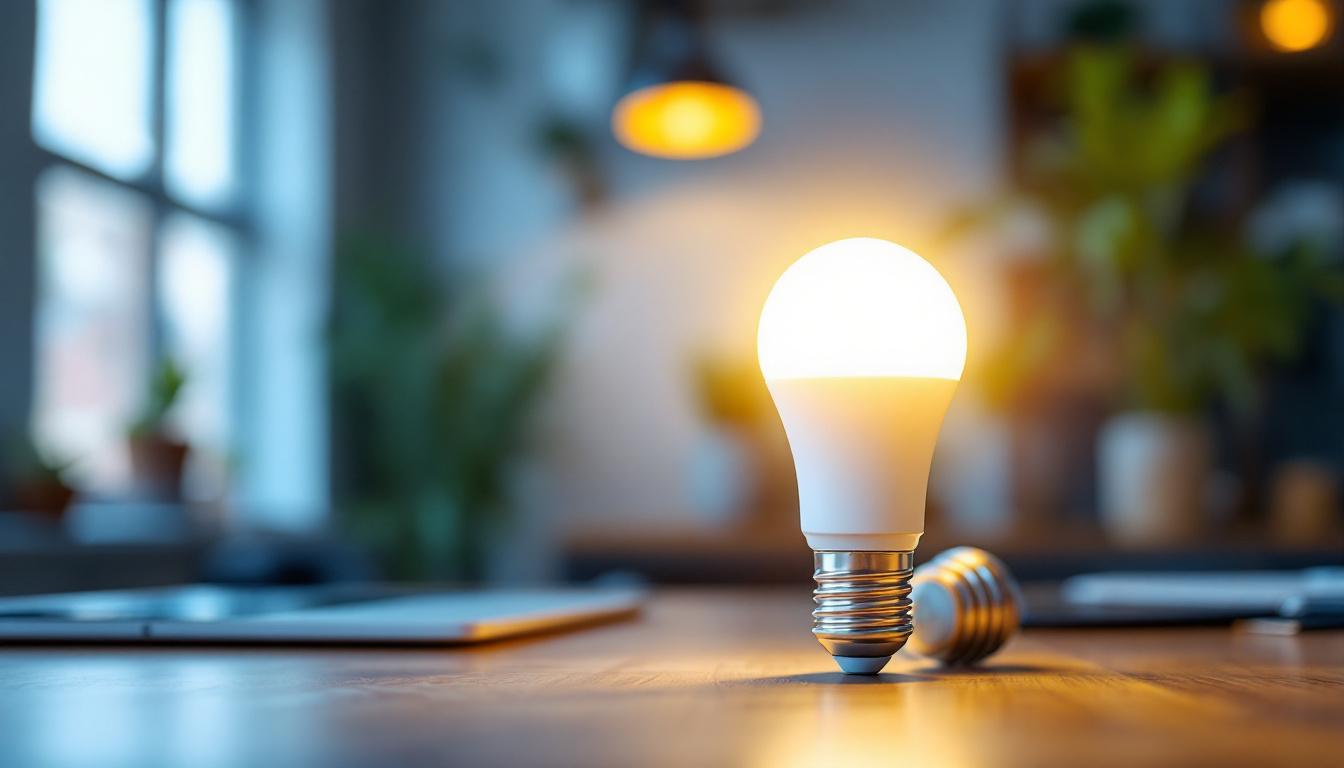
One of the most frequent inquiries from lighting contractors pertains to the equivalent wattage of a 30-watt LED bulb in traditional incandescent or halogen bulbs. Typically, a 30-watt LED can replace a 150-watt incandescent bulb. This equivalency is crucial for contractors when recommending lighting solutions to clients, as it helps them understand the energy savings and overall efficiency.
Moreover, the lumen output of a 30-watt LED is generally around 2,600 to 3,000 lumens, depending on the manufacturer and specific design. This level of brightness is ideal for various applications, including residential, commercial, and industrial settings. Understanding these equivalencies allows contractors to make informed choices that align with their clients’ needs.
What Are the Benefits of Using 30 Watt LED Bulbs?
The advantages of 30-watt LED bulbs extend beyond mere energy savings. These bulbs are known for their longevity, often lasting up to 25,000 hours or more. This durability translates to reduced maintenance costs, as contractors and clients alike spend less time and money on replacements.
Additionally, 30-watt LED bulbs emit less heat compared to traditional lighting options, which can contribute to lower cooling costs in commercial spaces. This feature is particularly appealing in environments where temperature control is essential. Furthermore, the versatility of these bulbs makes them suitable for various fixtures and applications, enhancing their appeal to lighting contractors.
Installation and Compatibility Concerns
Are 30 Watt LED Bulbs Compatible with Existing Fixtures?
Compatibility is a significant concern for contractors when integrating new lighting solutions into existing systems. Fortunately, 30-watt LED bulbs are designed to fit standard sockets, making them compatible with most fixtures. However, it’s essential to check the fixture’s specifications, especially in cases where dimming capabilities are required.
For fixtures with dimmer switches, contractors should ensure that the LED bulb is labeled as dimmable. Not all LED bulbs are compatible with all dimmers, and using an incompatible bulb can lead to flickering or reduced lifespan. Therefore, it’s advisable to recommend specific dimmers that are known to work well with LED technology.
What Are the Best Practices for Installing 30 Watt LED Bulbs?
When installing 30-watt LED bulbs, following best practices can enhance performance and longevity. First, ensure that the power is turned off before replacing any bulbs to prevent electrical shock. Additionally, it’s crucial to handle the bulbs carefully, as the LED components can be sensitive to physical stress.
Contractors should also consider the orientation of the bulb. While many LED bulbs can function in any position, some designs may have specific requirements regarding vertical or horizontal placement. Following the manufacturer’s guidelines will ensure optimal performance and safety.
Performance and Efficiency Questions
How Do 30 Watt LED Bulbs Compare in Energy Efficiency?
Energy efficiency is one of the primary reasons for the shift towards LED lighting. A 30-watt LED bulb consumes significantly less energy compared to its incandescent counterparts, leading to substantial cost savings on electricity bills. The efficiency of LED technology is measured in lumens per watt (lm/W), and a 30-watt LED typically offers an impressive lm/W ratio.
For contractors, emphasizing the energy efficiency of these bulbs can be a selling point for clients focused on sustainability and cost-effectiveness. The reduced energy consumption not only benefits the environment but also aligns with many businesses’ goals to lower operational costs.
What Is the Lifespan of a 30 Watt LED Bulb?
The lifespan of a 30-watt LED bulb is one of its most attractive features. With a typical lifespan of 25,000 hours or more, these bulbs outlast traditional incandescent bulbs by a significant margin. This longevity means fewer replacements and less waste, which is appealing to both contractors and environmentally conscious clients.
However, it’s essential to note that the actual lifespan can vary based on usage patterns and environmental conditions. Factors such as temperature, humidity, and the quality of the electrical supply can influence how long the bulb lasts. Contractors should communicate these variables to clients to set realistic expectations.
Cost Considerations
What Is the Average Cost of a 30 Watt LED Bulb?
The cost of a 30-watt LED bulb can vary based on brand, features, and where it is purchased. On average, these bulbs tend to be more expensive upfront than traditional incandescent bulbs. However, when considering the total cost of ownership, including energy savings and replacement costs, the long-term savings become evident.
Contractors should educate clients about the initial investment versus the lifetime savings. While the upfront cost may be higher, the reduction in energy bills and the extended lifespan of the bulb can lead to significant savings over time. This perspective can help clients make informed decisions regarding their lighting choices.
Are There Any Incentives for Using LED Lighting?
Many regions offer incentives for businesses and homeowners to switch to energy-efficient lighting solutions, including LED bulbs. These incentives can come in the form of rebates, tax credits, or grants aimed at promoting sustainability and energy efficiency.
Contractors should stay informed about local and national programs that support the adoption of LED technology. By providing clients with information on available incentives, contractors can enhance their value proposition and help clients save even more on their lighting upgrades.
Environmental Impact
How Do 30 Watt LED Bulbs Contribute to Sustainability?
The environmental benefits of 30-watt LED bulbs are substantial. Their energy efficiency reduces the overall demand for electricity, which can lead to lower greenhouse gas emissions from power plants. Additionally, the longer lifespan of LED bulbs means fewer bulbs end up in landfills, contributing to waste reduction.
Contractors can play a pivotal role in promoting sustainability by advocating for LED lighting solutions. By educating clients on the environmental impact of their lighting choices, contractors can help foster a culture of sustainability within their communities.
What Is the Role of LEDs in Reducing Carbon Footprint?
Switching to LED lighting, including 30-watt bulbs, can significantly reduce a building’s carbon footprint. The lower energy consumption translates to less fossil fuel use, which is a primary source of carbon emissions. For businesses looking to enhance their corporate responsibility initiatives, adopting LED technology is a practical step towards achieving sustainability goals.
Moreover, as more contractors promote LED solutions, the cumulative effect can lead to a substantial reduction in energy consumption across various sectors. This collective effort can contribute to a more sustainable future and a healthier planet.
Common Misconceptions About LED Lighting
Are LED Bulbs Only Suitable for Certain Applications?
A common misconception is that LED bulbs, including the 30-watt variety, are only suitable for specific applications. In reality, these bulbs are incredibly versatile and can be used in a wide range of settings, from residential homes to commercial spaces and outdoor areas.
Contractors should emphasize the adaptability of LED lighting to their clients. Whether it’s for ambient lighting in a living room, task lighting in a kitchen, or outdoor security lighting, 30-watt LED bulbs can meet various lighting needs effectively.
Do LED Bulbs Emit Harmful UV Rays?
Another myth surrounding LED lighting is the belief that they emit harmful ultraviolet (UV) rays. In fact, LED bulbs produce very little UV radiation compared to traditional lighting options. This characteristic makes them a safer choice for environments where UV exposure is a concern, such as museums or art galleries.
Contractors can use this information to reassure clients about the safety of LED lighting. By dispelling myths and providing accurate information, contractors can foster trust and confidence in their recommendations.
Future Trends in LED Lighting
What Innovations Are on the Horizon for LED Technology?
The LED lighting industry is continually evolving, with new technologies and innovations emerging regularly. Future trends may include advancements in smart lighting, where LED bulbs can be controlled remotely or programmed for specific lighting scenarios. This technology can enhance convenience and energy savings, appealing to tech-savvy clients.
Additionally, improvements in color rendering and adjustable color temperatures are likely to become more prevalent. These innovations can provide contractors with even more options to meet their clients’ aesthetic and functional lighting needs.
How Will Regulations Impact LED Lighting Adoption?
As energy efficiency regulations become more stringent, the adoption of LED lighting solutions is expected to increase. Governments and regulatory bodies are likely to continue promoting energy-efficient technologies to reduce overall energy consumption and combat climate change.
Contractors should stay informed about upcoming regulations and standards in the lighting industry. By proactively adapting to these changes, contractors can position themselves as leaders in the field and provide clients with the most current and effective lighting solutions.
Conclusion
The 30-watt LED light bulb represents a significant advancement in lighting technology, offering numerous benefits that appeal to both contractors and clients. Understanding the common questions surrounding these bulbs can enhance a contractor’s ability to provide informed recommendations and solutions.
From energy efficiency and cost considerations to environmental impact and future trends, the insights provided in this article can serve as a valuable resource for lighting contractors. By embracing the advantages of 30-watt LED bulbs, contractors can contribute to a more sustainable and efficient lighting landscape.
As the lighting industry continues to evolve, staying informed and adaptable will be key to success. By addressing client concerns and promoting the benefits of LED technology, contractors can build lasting relationships and drive their businesses forward in an increasingly competitive market.
Illuminate Your Projects with LumenWholesale
Ready to elevate your lighting game? Look no further than LumenWholesale for all your 30-watt LED light bulb needs and more. We provide lighting contractors with the highest quality, spec-grade lighting products at unbeatable wholesale prices. Say goodbye to local distributor markups and hello to superior lighting solutions that meet the highest industry standards. With our hassle-free bulk buying and free shipping, you can trust that you’re getting premium lighting at the best value — without any hidden fees. Make the smart choice for your lighting projects and experience the best in wholesale lighting with LumenWholesale.