In the ever-evolving world of lighting technology, LED work light bulbs have emerged as a game-changer for contractors. Their energy efficiency, longevity, and versatility make them an attractive option for a variety of applications. As the demand for more sustainable and cost-effective lighting solutions continues to rise, understanding the latest trends in LED work light bulbs is essential for lighting contractors. This article delves into the key trends that every lighting contractor should be aware of to stay competitive in the market.
The Rise of Energy Efficiency
Energy efficiency has become a critical consideration in lighting design, and LED work light bulbs lead the charge in this area. Unlike traditional incandescent and fluorescent bulbs, LEDs consume significantly less energy while providing the same, if not better, illumination. This shift not only reduces energy bills for clients but also aligns with growing environmental concerns. The longevity of LED bulbs, often lasting up to 25,000 hours or more, further enhances their appeal, as they require less frequent replacement, thereby minimizing waste and contributing to a more sustainable future.
Moreover, the versatility of LED technology allows for a wide range of applications, from industrial settings to residential use. Their ability to produce various color temperatures means that clients can choose lighting that best suits their needs, whether it’s a warm glow for a cozy living room or a bright, cool light for a workshop. This adaptability makes LEDs not just an energy-efficient choice, but also a highly functional one, catering to the specific requirements of different environments.
Understanding Efficacy Ratings
One of the most important metrics for evaluating LED work light bulbs is their efficacy rating, which measures the amount of light produced per watt of electricity consumed. Higher efficacy ratings indicate better energy efficiency. As a contractor, it is essential to educate clients on the benefits of selecting bulbs with high efficacy ratings to maximize energy savings. For instance, a bulb with an efficacy rating of 100 lumens per watt will provide the same amount of light as a bulb rated at 60 lumens per watt while using significantly less energy. This understanding empowers clients to make informed decisions that not only benefit their wallets but also contribute to broader energy conservation efforts.
In addition to efficacy ratings, clients should also consider the Color Rendering Index (CRI), which measures how accurately a light source displays colors in comparison to natural light. A higher CRI can enhance the visual appeal of spaces, making it an important factor in environments where color accuracy is crucial, such as in art studios or retail settings. By discussing both efficacy and CRI, contractors can help clients achieve optimal lighting solutions tailored to their unique needs.
Government Incentives and Regulations
Many regions are implementing stricter regulations on energy consumption and offering incentives for using energy-efficient lighting solutions. These regulations often include rebates for installing LED lighting systems, making them a more attractive option for clients. Contractors should stay informed about local policies to guide clients effectively and take advantage of available incentives. Additionally, some states have adopted energy codes that require a certain percentage of lighting to be energy-efficient, further pushing the adoption of LED technology in both new constructions and renovations.
Furthermore, as public awareness of climate change grows, many businesses are seeking to enhance their sustainability profiles. By investing in LED lighting, companies not only benefit from reduced operational costs but also improve their public image as environmentally responsible entities. This shift in consumer preference can be a significant selling point for contractors, as clients are increasingly looking for solutions that align with their values. By highlighting these incentives and the long-term benefits of energy-efficient lighting, contractors can position themselves as knowledgeable partners in their clients’ sustainability journeys.
Advancements in Technology
Technological advancements in LED work light bulbs are rapidly transforming the landscape of lighting solutions. From smart technology integration to improved thermal management, these innovations enhance both performance and user experience.
Smart Lighting Solutions
The integration of smart technology into LED work light bulbs is a trend that is gaining traction. Smart bulbs can be controlled remotely via smartphones or other devices, allowing users to adjust brightness, color temperature, and even set schedules. This level of control not only enhances convenience but also contributes to energy savings. Contractors should consider recommending smart LED options to clients looking for modern, efficient solutions.
Improved Thermal Management
Heat management is crucial for the longevity and performance of LED bulbs. Recent advancements in thermal management technology have led to the development of more efficient heat dissipation systems. These improvements help maintain optimal operating temperatures, thereby extending the lifespan of the bulbs and reducing the frequency of replacements. Contractors should be aware of these advancements to provide clients with durable and reliable lighting solutions.
Design Versatility
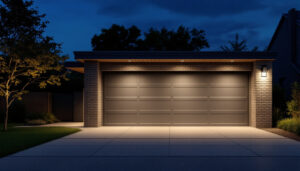
The versatility of LED work light bulbs allows them to be used in a wide range of applications, from construction sites to workshops and home garages. This adaptability is a significant trend that lighting contractors should leverage in their offerings.
Variety of Form Factors
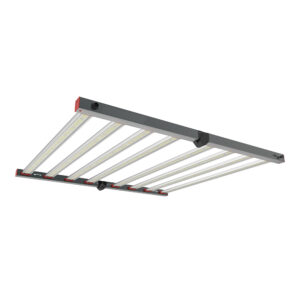
LED work light bulbs come in various shapes and sizes, including floodlights, spotlights, and portable options. This variety allows contractors to choose the right type of lighting for specific tasks and environments. Understanding the different form factors available can help contractors make informed recommendations to clients based on their unique needs.
Customizable Solutions
Many manufacturers now offer customizable LED work light solutions, allowing contractors to tailor lighting systems to meet specific project requirements. This customization can include adjustable brightness levels, color temperatures, and even the ability to integrate with existing lighting systems. By offering these tailored solutions, contractors can enhance client satisfaction and differentiate themselves in a competitive market.
Focus on Durability and Longevity
Durability is a critical factor for work light bulbs, especially in demanding environments. LED technology inherently offers a longer lifespan compared to traditional lighting options, but recent trends have further enhanced this aspect.
Rugged Designs for Harsh Environments
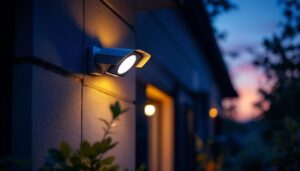
Many LED work light bulbs are now designed with rugged features to withstand harsh conditions. This includes water and dust resistance, as well as impact-resistant materials. Contractors should consider these features when selecting lighting solutions for construction sites or outdoor applications, ensuring that the products can endure the rigors of the job.
Extended Warranty Options
As manufacturers recognize the importance of durability, many are offering extended warranty options for their LED work light bulbs. This trend not only provides peace of mind for contractors and clients but also reflects the confidence manufacturers have in their products. Contractors should take advantage of these warranties to reassure clients about the quality and longevity of their lighting investments.
Emphasis on Health and Well-being
In recent years, there has been a growing recognition of the impact of lighting on health and well-being. As a result, LED work light bulbs are being designed with this consideration in mind.
Human-Centric Lighting
Human-centric lighting focuses on creating environments that support human health and productivity. This involves adjusting color temperatures and brightness levels to mimic natural light patterns throughout the day. By incorporating human-centric lighting principles into their projects, contractors can enhance the well-being of workers and improve overall productivity.
Reducing Blue Light Exposure
There is increasing awareness of the effects of blue light exposure, particularly in work environments. Some LED work light bulbs are now designed to reduce blue light emissions, helping to minimize eye strain and improve comfort. Contractors should consider these options when selecting lighting solutions for environments where workers spend long hours, such as offices and workshops.
Cost Considerations and ROI
While the initial investment in LED work light bulbs may be higher than traditional options, the long-term cost savings and return on investment (ROI) make them a compelling choice for contractors and clients alike.
Calculating Total Cost of Ownership
When evaluating lighting options, it is essential to consider the total cost of ownership, which includes not only the purchase price but also energy consumption, maintenance, and replacement costs. LED work light bulbs typically have a lower total cost of ownership due to their energy efficiency and longevity. Contractors should educate clients on these savings to justify the initial investment.
Highlighting Long-term Savings
In addition to energy savings, LED work light bulbs can also reduce maintenance costs. With a longer lifespan and lower failure rates, contractors can minimize the frequency of bulb replacements and associated labor costs. By highlighting these long-term savings, contractors can effectively demonstrate the value of investing in LED technology.
Market Trends and Consumer Preferences
Understanding market trends and consumer preferences is crucial for lighting contractors to remain competitive. As the demand for LED work light bulbs continues to grow, staying attuned to these shifts can inform product offerings and marketing strategies.
Growing Demand for Sustainable Solutions
Consumers are increasingly seeking sustainable and eco-friendly products, and LED work light bulbs fit this demand perfectly. As contractors, aligning with this trend by promoting the environmental benefits of LED technology can attract more clients who prioritize sustainability in their purchasing decisions.
Preference for Quality over Cost
While cost remains a significant factor in purchasing decisions, many consumers are willing to invest in higher-quality products that offer better performance and longevity. Contractors should focus on providing high-quality LED work light solutions that meet client needs while emphasizing the value of quality over the initial price tag.
Conclusion
The landscape of LED work light bulbs is continually evolving, driven by advancements in technology, a focus on energy efficiency, and a growing emphasis on health and well-being. For lighting contractors, staying informed about these trends is essential for providing clients with the best solutions available. By embracing the latest innovations and understanding market demands, contractors can position themselves as leaders in the lighting industry, ensuring that they meet the needs of their clients while contributing to a more sustainable future.
As the market for LED work light bulbs continues to expand, contractors who adapt to these trends will not only enhance their offerings but also build lasting relationships with clients who value quality, efficiency, and sustainability.
Illuminate Your Projects with LumenWholesale
Ready to elevate your lighting game with the latest LED work light bulb trends? Look no further than LumenWholesale, where we provide lighting contractors with superior, spec-grade lighting products at unbeatable wholesale prices. Our commitment to quality and affordability means you can offer your clients the best in energy efficiency, durability, and design versatility. Say goodbye to middleman markups and hello to hassle-free bulk buying with free shipping. Don’t compromise on quality or value—choose LumenWholesale for Wholesale Lighting at the Best Value and light up your projects with confidence.