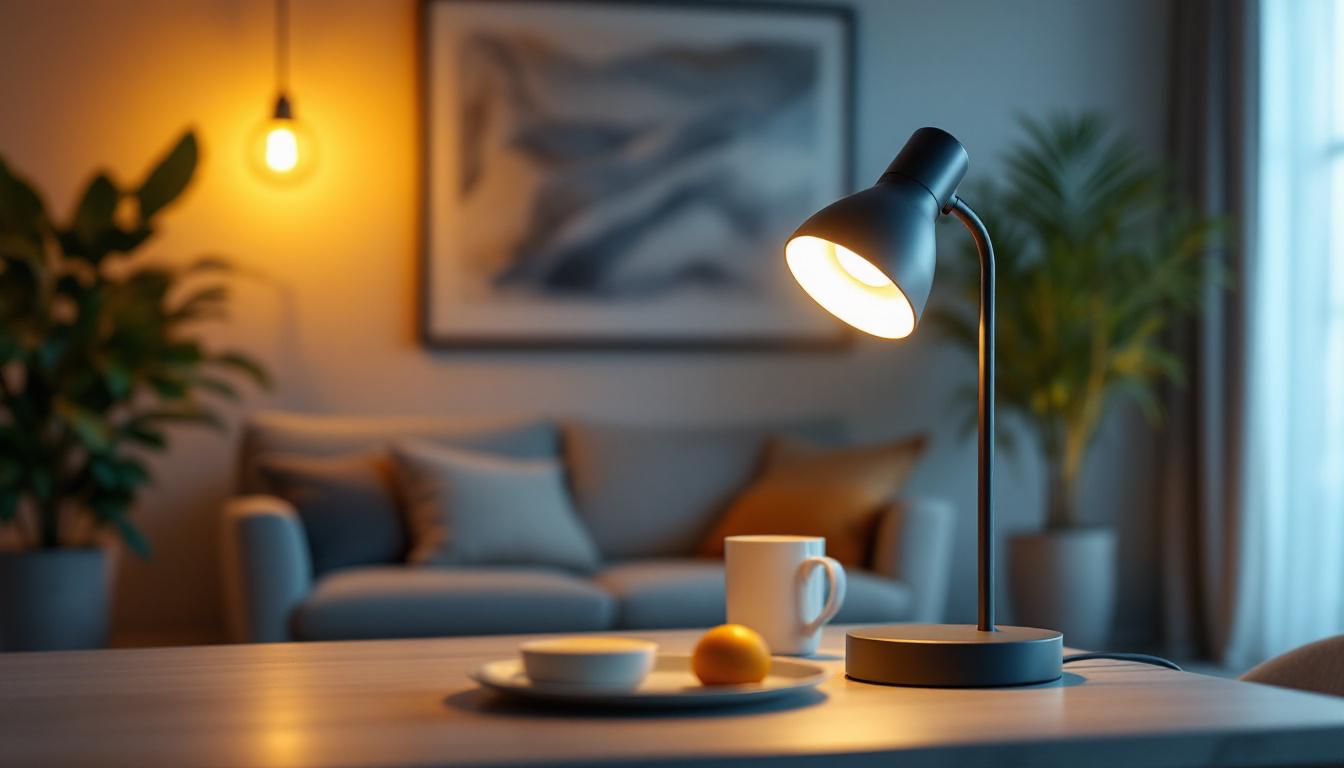
Lighting is a critical aspect of any design project, whether residential or commercial. Among the various lighting fixtures available, uplights have gained popularity for their versatility and aesthetic appeal. This article will explore what uplights are, their applications, and provide quick tips for lighting contractors to effectively incorporate them into their projects.
Understanding Uplights
Uplights are lighting fixtures designed to direct light upwards, creating an ambient glow that enhances the overall atmosphere of a space. They are often used to highlight architectural features, artwork, or landscaping elements, adding depth and dimension to the environment. Unlike traditional downlights, uplights can create a more dramatic effect, making them a preferred choice for many lighting designers. The ability to manipulate light direction allows for creative expression, enabling designers to play with shadows and highlights to achieve a desired mood or theme.
Types of Uplights
Uplights come in various forms, each suited for different applications. Some common types include:
- Floor Uplights: These are placed on the ground and directed towards walls or ceilings, often used in event spaces or galleries. Their placement allows for a broad spread of light, making them effective in illuminating large areas.
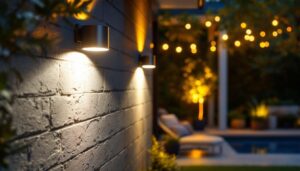
- Wall-mounted Uplights: Installed directly onto walls, these fixtures can create a wash of light that enhances textures and colors. They are particularly effective in highlighting artwork or architectural details, drawing the eye to focal points within a room.
- Portable Uplights: These are versatile and can be moved as needed, making them ideal for temporary installations or events. Their mobility allows for quick adjustments to lighting schemes, catering to the dynamic nature of events.
Applications of Uplights
Uplights are incredibly versatile and can be used in various settings, including:
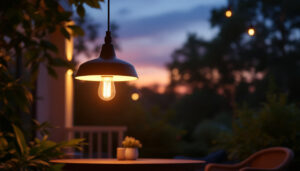
- Residential Spaces: Uplights can enhance living rooms, dining areas, and outdoor patios, creating a warm and inviting atmosphere. By strategically placing uplights, homeowners can create cozy nooks or highlight features such as plants or decorative elements, adding a layer of sophistication to their decor.
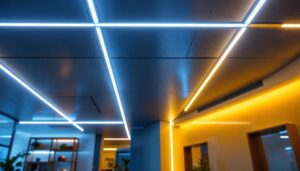
- Commercial Environments: In retail spaces or offices, uplights can highlight products or architectural features, improving the overall aesthetic. Retailers often use uplighting to draw attention to merchandise displays, creating an inviting shopping experience that encourages customers to explore.
- Events and Weddings: Uplighting can transform venues, adding color and ambiance to create a memorable experience. By utilizing colored gels or smart lighting technology, event planners can customize the uplighting to match the theme of the event, whether it’s a romantic wedding or a vibrant corporate gathering.
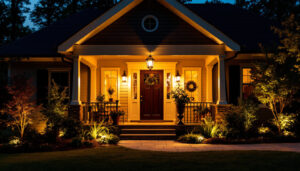
Furthermore, uplights can also be utilized in outdoor settings, where they can illuminate pathways, trees, or garden features, enhancing nighttime visibility while creating a magical atmosphere. The interplay of light and shadow in outdoor spaces can evoke a sense of wonder, making gatherings under the stars even more enchanting. Additionally, advancements in LED technology have made uplights more energy-efficient and longer-lasting, allowing for greater flexibility in design without the worry of high energy costs or frequent replacements.
Benefits of Using Uplights
Incorporating uplights into a lighting design offers several advantages that can enhance any project. Understanding these benefits can help lighting contractors make informed decisions when planning installations.
Enhanced Aesthetics
One of the primary benefits of uplights is their ability to enhance the visual appeal of a space. By casting light upwards, they create interesting shadows and highlights that can emphasize architectural details or artwork. This not only adds depth but also creates a dynamic atmosphere that can be tailored to suit the mood of the environment.
Flexibility and Versatility
Uplights are highly adaptable, making them suitable for a wide range of applications. They can be used in both indoor and outdoor settings, with options for permanent or temporary installations. This flexibility allows contractors to use uplighting in various projects, from residential homes to large commercial venues.
Energy Efficiency
Modern uplights often utilize LED technology, which is known for its energy efficiency and longevity. This not only reduces energy costs for clients but also minimizes the need for frequent replacements, making it a cost-effective choice in the long run. Additionally, LED uplights produce less heat, contributing to a more comfortable environment.
Choosing the Right Uplight
When selecting uplights for a project, several factors must be considered to ensure the right fit for the intended application. Lighting contractors should evaluate the following aspects before making a decision.
Light Output and Color Temperature
The light output of an uplight is crucial in determining its effectiveness in a space. Contractors should assess the lumen output required for the specific area and consider the desired color temperature. Warmer tones (2700K-3000K) create a cozy atmosphere, while cooler tones (4000K-5000K) can provide a more modern and energetic feel.
Fixture Design and Style
The design of the uplight should complement the overall aesthetic of the space. From sleek and modern fixtures to more ornate designs, choosing the right style can significantly impact the visual harmony of the environment. Additionally, consider the materials used in the uplight’s construction, as this can affect both durability and appearance.
Installation Requirements
Understanding the installation requirements for uplights is essential for a successful project. Some uplights may require specific mounting hardware or electrical considerations. Contractors should ensure that the chosen fixtures are compatible with the existing infrastructure and that installation is feasible within the project’s timeline and budget.
Installation Tips for Uplights
Proper installation of uplights is crucial for achieving the desired effect. Here are some quick tips for lighting contractors to ensure a successful uplight installation.
Placement and Positioning
When installing uplights, placement is key. Positioning the uplights at an appropriate distance from walls or objects can create the desired wash of light without overwhelming the space. A general rule of thumb is to place uplights about one-third of the way up the wall to achieve a balanced effect.
Adjusting Angles
The angle at which uplights are directed can dramatically change the ambiance of a space. Experimenting with different angles during installation can help contractors find the perfect position to highlight architectural features or create the desired mood. It’s often beneficial to test the uplights before finalizing their placement.
Utilizing Dimmers
Incorporating dimmers into the uplight installation allows for greater control over the lighting levels. This flexibility enables clients to adjust the ambiance according to different occasions or preferences. Dimmers can enhance the functionality of uplights, making them suitable for both vibrant events and more subdued gatherings.
Common Mistakes to Avoid
Even experienced lighting contractors can make mistakes during the design and installation of uplights. Being aware of common pitfalls can help ensure a smoother process and better results.
Overlighting
One of the most common mistakes is overlighting a space. Uplights should enhance the environment, not overpower it. Contractors should carefully consider the number of fixtures used and their placement to avoid creating a harsh or overly bright atmosphere. Balance is key to achieving the desired effect.
Ignoring the Environment
Uplights should be chosen with the surrounding environment in mind. Factors such as wall color, furniture, and existing lighting should all be considered to ensure that the uplights complement the overall design. Ignoring these elements can lead to a disjointed look that detracts from the intended aesthetic.
Neglecting Maintenance
Finally, it’s essential to consider the maintenance of uplights during the installation process. Fixtures that are difficult to access for bulb replacement or cleaning can lead to long-term issues. Choosing uplights that are easy to maintain will ensure that they continue to perform effectively and look great over time.
Innovative Uplighting Techniques
As lighting design continues to evolve, so do the techniques used to create stunning uplighting effects. Here are some innovative methods that lighting contractors can incorporate into their projects.
Color Changing Uplights
Color-changing uplights allow for dynamic lighting effects that can adapt to different events or moods. These fixtures can be controlled remotely, enabling contractors to change colors seamlessly throughout an event. This versatility can enhance the atmosphere and create memorable experiences for clients and guests alike.
Layering Light
Layering uplights with other forms of lighting can create a more complex and visually appealing environment. By combining uplights with downlights, wall sconces, or even natural light, contractors can achieve a well-rounded lighting design that enhances the overall ambiance of the space.
Using Uplights for Projection
Some uplights are designed to accommodate gobo projections, allowing for the projection of patterns or images onto walls or ceilings. This technique can be particularly effective in event settings, where branding or thematic elements can be highlighted creatively. Utilizing uplights in this way adds an extra layer of interest and personalization to the design.
Conclusion
Uplights are a powerful tool in the lighting contractor’s arsenal, offering versatility, aesthetic appeal, and energy efficiency. By understanding the different types of uplights, their applications, and best practices for installation, contractors can create stunning environments that meet their clients’ needs. Furthermore, staying informed about innovative techniques and avoiding common mistakes will ensure that uplighting remains a valuable aspect of any lighting design project.
Incorporating uplights effectively can transform spaces, creating atmospheres that resonate with users and enhance their experiences. As the demand for unique and dynamic lighting solutions continues to grow, mastering the art of uplighting will position lighting contractors as leaders in the industry.
Illuminate Your Projects with LumenWholesale
Ready to elevate your lighting designs with the versatility and charm of uplights? Look no further than LumenWholesale for all your lighting needs. We provide an extensive selection of spec-grade lighting products that meet the highest industry standards, ensuring your projects shine with reliability and performance. With our unbeatable wholesale prices and the convenience of free shipping on bulk orders, you can access premium lighting solutions at the best value. Transform your spaces and captivate your clients by choosing LumenWholesale, where quality, affordability, and convenience come together seamlessly. Discover our range and take advantage of the best value in wholesale lighting by visiting Wholesale Lighting at the Best Value today.