LED Lights In Recessed Lighting Fixtures: Everything You Need to Know for Lighting
Recessed lighting has become a staple in modern interior design, providing a sleek and unobtrusive way to illuminate spaces. With the advent of LED technology, the options available for recessed lighting fixtures have expanded significantly. This article delves into the essential aspects of LED lights in recessed fixtures, exploring their benefits, installation considerations, and best practices for lighting design.
Understanding LED Technology
LED, or Light Emitting Diode, technology has revolutionized the way we think about lighting. Unlike traditional incandescent or fluorescent bulbs, LEDs are more energy-efficient, longer-lasting, and versatile. Understanding the fundamentals of LED technology is crucial for lighting contractors looking to implement these fixtures effectively.
Energy Efficiency
One of the primary advantages of LED lights is their energy efficiency. LEDs consume significantly less power than traditional bulbs, which translates to lower electricity bills for homeowners and businesses alike. This efficiency is particularly beneficial in recessed lighting applications, where multiple fixtures may be used in a single space.
In addition to reduced energy consumption, LEDs also generate less heat. This characteristic not only contributes to energy savings but also enhances safety, as there is a lower risk of overheating, which can be a concern with older lighting technologies. Furthermore, the ability to dim LED lights without compromising their lifespan allows for greater control over energy use, making them an excellent choice for settings where mood and ambiance are essential, such as restaurants and theaters.
Longevity and Durability
LED lights are known for their impressive lifespan, often lasting up to 25,000 hours or more. This longevity means fewer replacements and less maintenance for lighting contractors and their clients. In high-ceiling applications or hard-to-reach areas, the durability of LEDs can save time and effort in the long run.
Moreover, LEDs are less susceptible to breakage compared to traditional bulbs, making them a more reliable option for various environments, including commercial spaces and residential areas with children or pets. The robust construction of LED fixtures also allows them to withstand vibrations and impacts, which is particularly advantageous in industrial settings or outdoor installations where weather conditions can be unpredictable. This resilience not only enhances their lifespan but also ensures consistent performance, providing peace of mind for both contractors and end-users.
Benefits of Using LED Lights in Recessed Fixtures
Incorporating LED lights into recessed fixtures offers numerous benefits that extend beyond energy savings and longevity. Understanding these advantages can help contractors make informed decisions when recommending lighting solutions to clients.
Versatility in Design
LED recessed lighting fixtures come in a variety of styles, shapes, and color temperatures, allowing for greater design flexibility. From warm white to cool daylight options, contractors can tailor lighting solutions to match the aesthetic preferences of their clients. This versatility makes LED recessed lights suitable for diverse applications, including residential, commercial, and hospitality settings.
Additionally, many LED recessed fixtures are dimmable, enabling users to adjust the brightness according to their needs. This feature enhances the ambiance of a space and can be particularly useful in settings such as dining rooms, theaters, or conference rooms. Furthermore, the ability to choose different beam angles allows for targeted lighting, which can highlight architectural features or artwork, creating a more dynamic and engaging environment. This adaptability not only meets functional lighting needs but also contributes to the overall design narrative of a space.
Environmental Impact
As sustainability becomes a priority for many consumers, the environmental benefits of LED lighting cannot be overlooked. LEDs contain no harmful substances like mercury, which is found in some fluorescent bulbs. Furthermore, their energy efficiency contributes to a reduction in greenhouse gas emissions, making them an eco-friendly choice for lighting.
By promoting the use of LED recessed fixtures, contractors can align their services with the growing demand for sustainable building practices, appealing to environmentally-conscious clients. Moreover, the long lifespan of LED lights means fewer replacements and less waste in landfills, further enhancing their green credentials. The reduced frequency of bulb changes not only saves resources but also minimizes disruption in both residential and commercial environments, making LED recessed lighting a practical choice for busy spaces. As more clients seek to reduce their carbon footprint, offering LED solutions positions contractors as leaders in sustainable innovation within the lighting industry.
Installation Considerations for LED Recessed Lighting
While LED recessed lighting fixtures offer many advantages, proper installation is key to maximizing their performance and longevity. Contractors must be aware of several critical factors when installing these fixtures.
Choosing the Right Fixture
Selecting the appropriate LED recessed fixture is essential for achieving optimal results. Factors such as the size of the fixture, the type of housing, and the desired beam angle should be considered. For instance, a narrow beam angle may be suitable for highlighting artwork, while a wider beam angle is ideal for general illumination.
Additionally, contractors should ensure that the fixtures are compatible with the existing electrical system. Some LED fixtures may require specific dimmer switches or transformers, so it is crucial to verify compatibility before installation.
Proper Placement and Spacing
The placement and spacing of recessed lights can significantly impact the overall lighting effect. A common guideline is to space fixtures approximately 4 to 6 feet apart, depending on the height of the ceiling and the desired brightness. For higher ceilings, fixtures may need to be spaced further apart to achieve even illumination.
Consideration should also be given to the purpose of the space. For example, in a kitchen, task lighting may be prioritized over ambient lighting, leading to a different layout than in a living room where a softer glow is desired.
Best Practices for LED Recessed Lighting Design
Designing an effective recessed lighting scheme requires a thoughtful approach that balances aesthetics, functionality, and energy efficiency. Here are some best practices to consider.
Layered Lighting
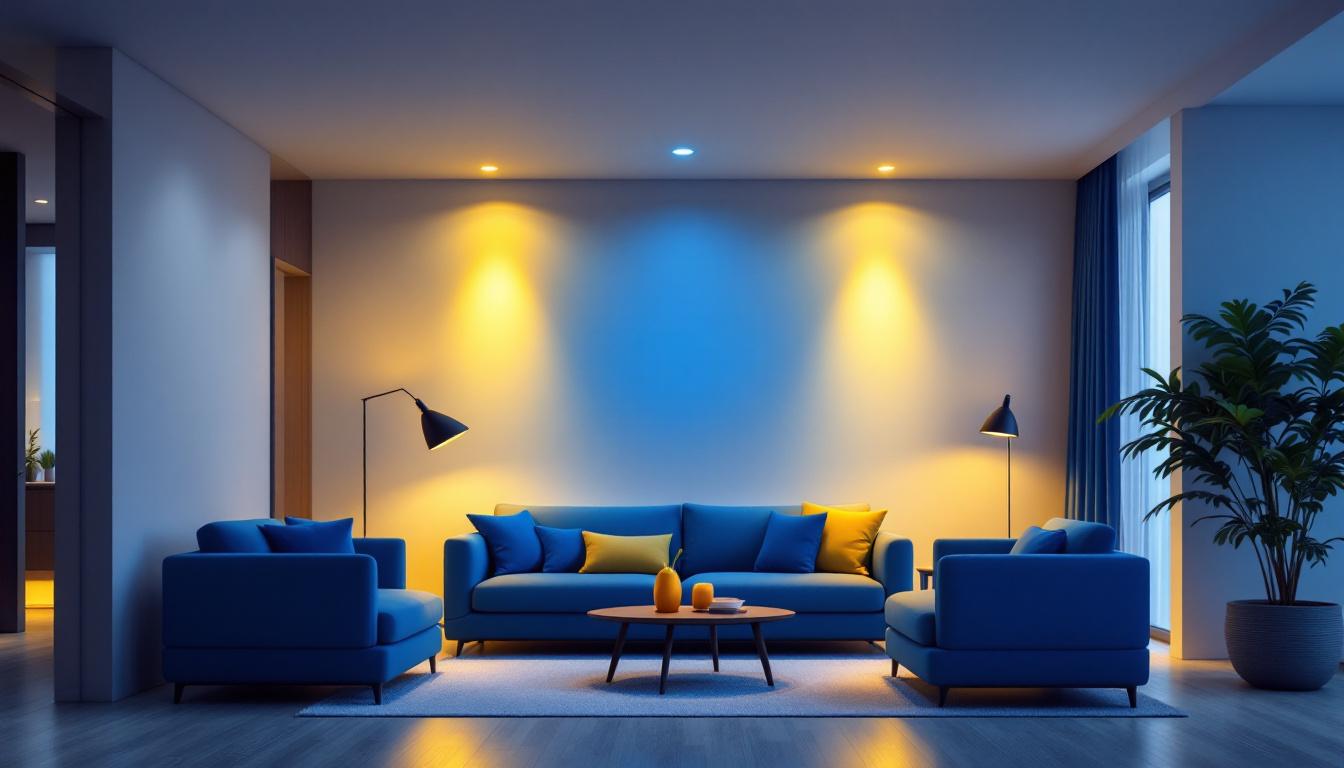
Utilizing a layered lighting approach can enhance the overall ambiance of a space. Combining recessed lighting with other light sources, such as pendant lights or wall sconces, creates depth and dimension. This technique allows for flexibility in adjusting the mood and functionality of the environment.
For instance, in a living room, recessed lights can provide general illumination, while accent lighting from wall sconces can highlight architectural features or artwork. This combination not only improves the visual appeal but also enhances the usability of the space.
Color Temperature Selection
The choice of color temperature plays a crucial role in setting the mood of a room. Warmer tones (2700K to 3000K) are often preferred for residential settings, creating a cozy and inviting atmosphere. In contrast, cooler tones (4000K to 5000K) are more suitable for workspaces, promoting alertness and focus.
Contractors should consult with clients to determine their preferences and the intended use of each space, ensuring that the selected color temperatures align with their vision.
Common Challenges and Solutions
While LED recessed lighting offers numerous benefits, there are common challenges that contractors may encounter during installation and maintenance. Understanding these challenges and their solutions can help ensure a smooth process.
Flickering and Dimming Issues
One of the most common issues faced with LED lighting is flickering, especially when used with incompatible dimmer switches. To mitigate this problem, it is essential to use dimmers specifically designed for LED fixtures. These dimmers help regulate the power supply and prevent flickering, ensuring a smooth dimming experience.
If flickering persists, it may be necessary to check the wiring and connections to ensure they are secure and free from damage. In some cases, upgrading the entire dimming system may be required to achieve optimal performance.
Heat Management
Although LEDs generate less heat than traditional bulbs, proper heat management is still crucial for maintaining their lifespan. Ensuring adequate ventilation around recessed fixtures can help dissipate heat and prevent overheating.
Contractors should also be mindful of the insulation used in ceilings. Using IC-rated fixtures can help prevent heat buildup in insulated areas, ensuring safety and efficiency.
Future Trends in LED Recessed Lighting
The world of LED recessed lighting is continually evolving, with new technologies and trends emerging regularly. Staying informed about these developments can help contractors remain competitive and offer cutting-edge solutions to their clients.
Smart Lighting Integration
Smart lighting technology is gaining popularity, allowing users to control their lighting through mobile apps or voice commands. Integrating smart LED recessed fixtures into a lighting design can enhance convenience and customization for users. Features such as scheduling, remote access, and scene setting can significantly improve the user experience.
Contractors should familiarize themselves with the various smart lighting systems available and consider how they can be integrated into recessed lighting designs for clients seeking modern solutions.
Advancements in Color Tuning
Advancements in color tuning technology allow for dynamic adjustments to color temperature and brightness. This flexibility enables users to create personalized lighting scenarios that adapt to different activities and moods throughout the day.
Incorporating color-tunable LED recessed fixtures into designs can provide clients with a versatile lighting solution that enhances their living or working environment.
Conclusion
LED lights in recessed lighting fixtures offer a multitude of benefits, making them an ideal choice for modern lighting design. From energy efficiency and longevity to versatility and environmental impact, the advantages are clear. However, successful implementation requires careful consideration of installation practices, design principles, and emerging trends.
By remaining informed and adapting to the evolving landscape of LED technology, lighting contractors can provide exceptional service and innovative solutions to their clients. Embracing the potential of LED recessed lighting not only enhances the aesthetic appeal of spaces but also contributes to a more sustainable future.
Illuminate Your Projects with LumenWholesale
Ready to elevate your lighting designs with the efficiency, longevity, and versatility of LED recessed lighting fixtures? At LumenWholesale, we provide lighting contractors with the highest quality, spec-grade lighting products at unbeatable wholesale prices. Say goodbye to inflated markups and hello to a vast selection of reliable, high-performance lighting that meets the strictest industry standards. Make your next project shine brighter while enjoying the convenience of free shipping on bulk orders. Discover the best value in lighting with LumenWholesale and transform your lighting solutions today. Wholesale Lighting at the Best Value.