Lighting installations are an essential aspect of any construction or renovation project. They not only illuminate spaces but also enhance the aesthetic appeal of a room. However, the effectiveness of a lighting system largely depends on the quality and functionality of the components used, particularly plugs and switches. This article delves into the critical role that plugs and switches play in lighting installations, providing insights for lighting contractors.
The Importance of Plugs in Lighting Installations
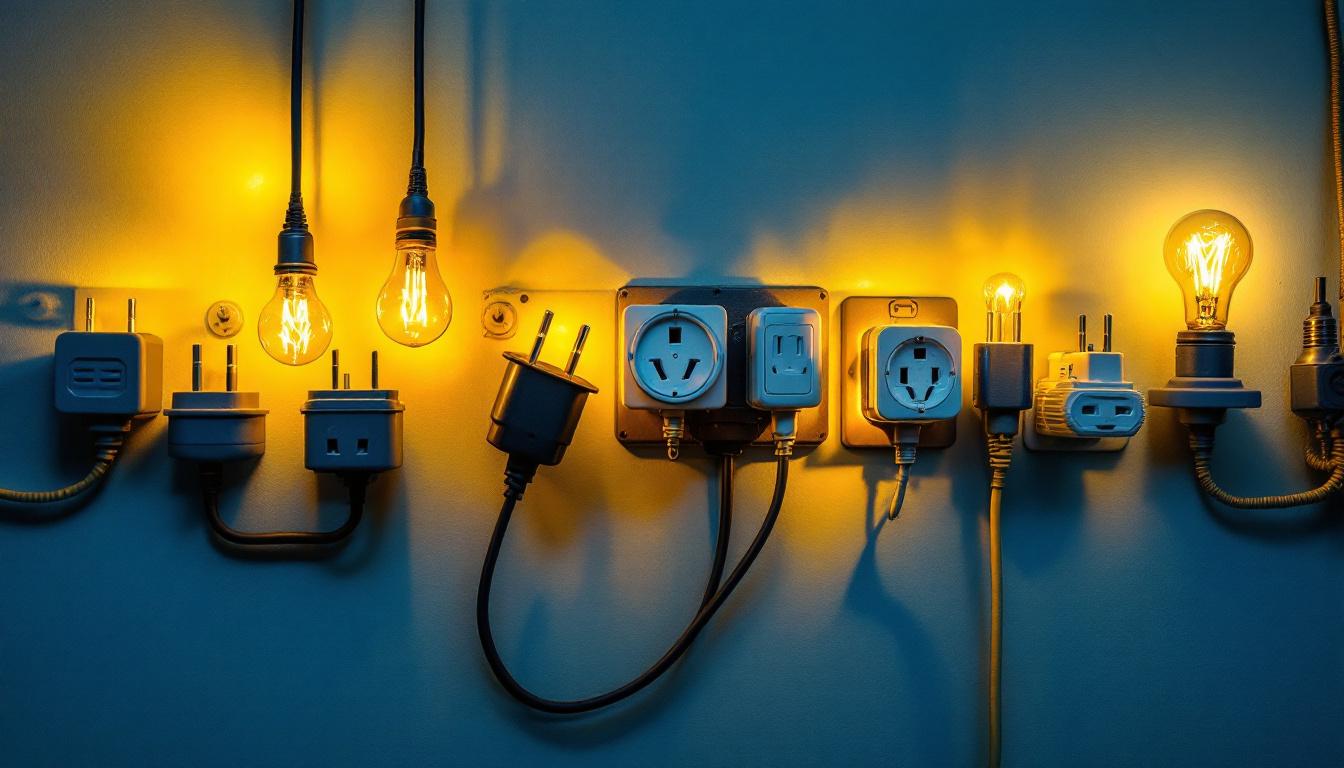
Plugs are often overlooked components in lighting installations, yet they serve a vital purpose. They provide a secure connection between the power source and the lighting fixture, ensuring that electricity flows safely and efficiently. Without high-quality plugs, the risk of electrical failures increases significantly.
Ensuring Safety and Compliance
Safety is paramount in any electrical installation. Plugs must comply with local and national electrical codes to ensure that they can handle the voltage and current required by the lighting fixtures. Using substandard plugs can lead to overheating, short circuits, and even fires. Therefore, it is crucial for lighting contractors to select plugs that meet safety standards and are suitable for the specific application.
Moreover, compliance with regulations not only protects the occupants of the building but also safeguards the contractor’s reputation. A well-executed installation that adheres to safety standards can lead to repeat business and referrals, while a failure to comply can result in costly legal issues. In addition, regular inspections and maintenance of plugs and connections can help identify potential hazards before they escalate, ensuring ongoing safety and reliability in lighting systems.
Types of Plugs and Their Applications
There are various types of plugs available, each designed for specific applications. For instance, standard plugs are commonly used in residential settings, while industrial-grade plugs are necessary for commercial applications where higher power demands are present. Understanding the differences between these plugs and their appropriate uses is essential for any lighting contractor.
In addition to standard and industrial plugs, there are also specialty plugs designed for specific environments, such as weather-resistant plugs for outdoor lighting. Choosing the right type of plug not only ensures functionality but also extends the lifespan of the lighting installation. For example, plugs equipped with built-in surge protection can shield sensitive lighting fixtures from voltage spikes, which is particularly important in areas prone to electrical storms. Furthermore, connectors with locking mechanisms can prevent accidental disconnections in high-traffic areas, enhancing both safety and performance.
The Role of Switches in Lighting Control
Switches are another critical component in lighting installations. They allow users to control the lighting in a space, providing convenience and flexibility. The choice of switch can greatly impact the overall user experience, making it essential for lighting contractors to consider various options.
Types of Switches and Their Features
Switches come in various forms, including toggle switches, dimmer switches, and smart switches. Toggle switches are the most common and are straightforward to use. However, they lack the versatility offered by dimmer switches, which allow users to adjust the brightness of the lights according to their needs.
Smart switches, on the other hand, are becoming increasingly popular due to their advanced features. They can be controlled remotely via smartphones or integrated into smart home systems, providing users with unparalleled convenience. Lighting contractors should stay informed about the latest switch technologies to offer clients the best solutions for their needs. Additionally, some smart switches come equipped with voice control capabilities, allowing users to adjust their lighting simply by speaking commands, which is particularly beneficial for those with mobility challenges.
Enhancing Energy Efficiency
Energy efficiency is a growing concern in today’s world, and the choice of switches can contribute significantly to reducing energy consumption. Dimmer switches, for example, not only allow for customizable lighting but also help in minimizing energy use when full brightness is not required.
Moreover, smart switches can provide valuable insights into energy usage, enabling users to make informed decisions about their lighting habits. By incorporating energy-efficient switches into lighting installations, contractors can help clients save on utility bills while also promoting sustainability. Furthermore, many modern switches are designed to work in conjunction with LED lighting, which is inherently more energy-efficient than traditional incandescent bulbs. This compatibility ensures that clients can maximize their energy savings while enjoying the benefits of advanced lighting control technologies.
Installation Best Practices for Plugs and Switches
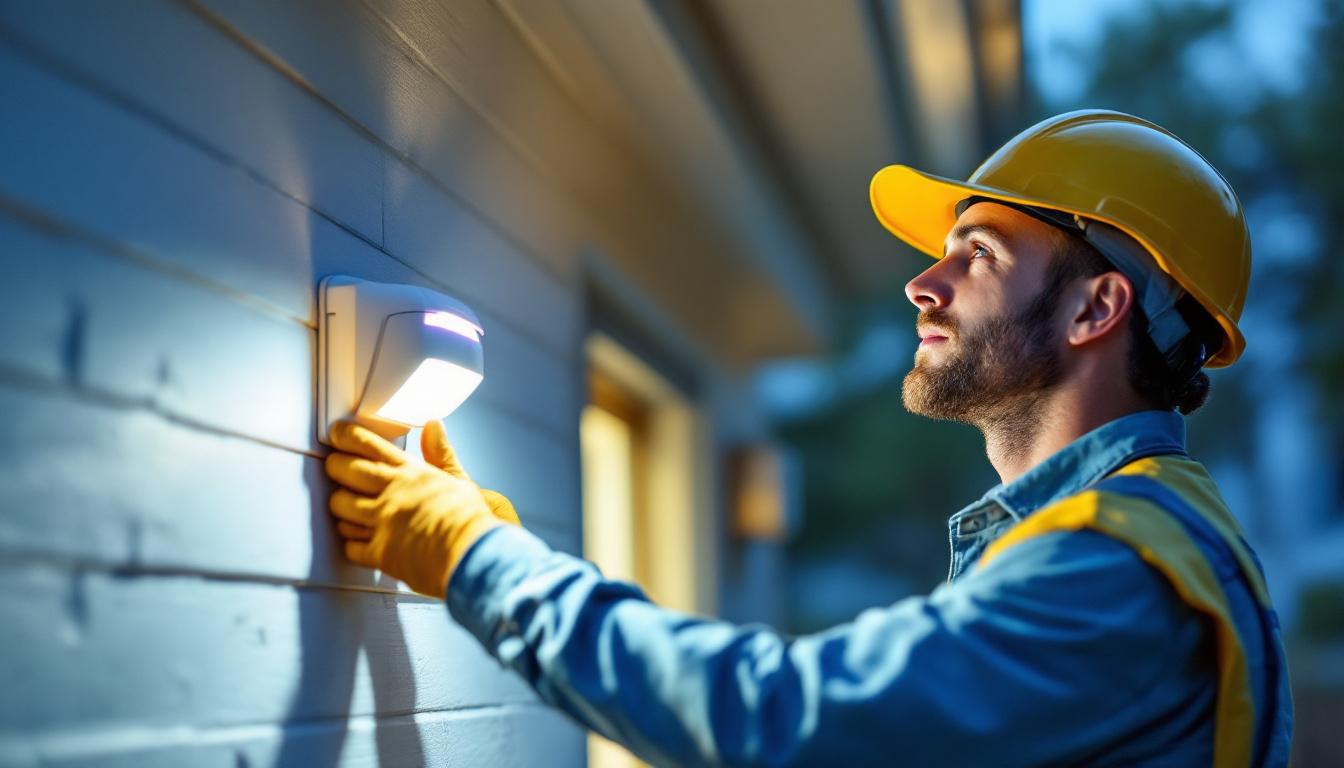
Proper installation of plugs and switches is crucial for ensuring the safety and functionality of lighting systems. Lighting contractors should adhere to best practices to guarantee a successful installation.
Planning the Layout
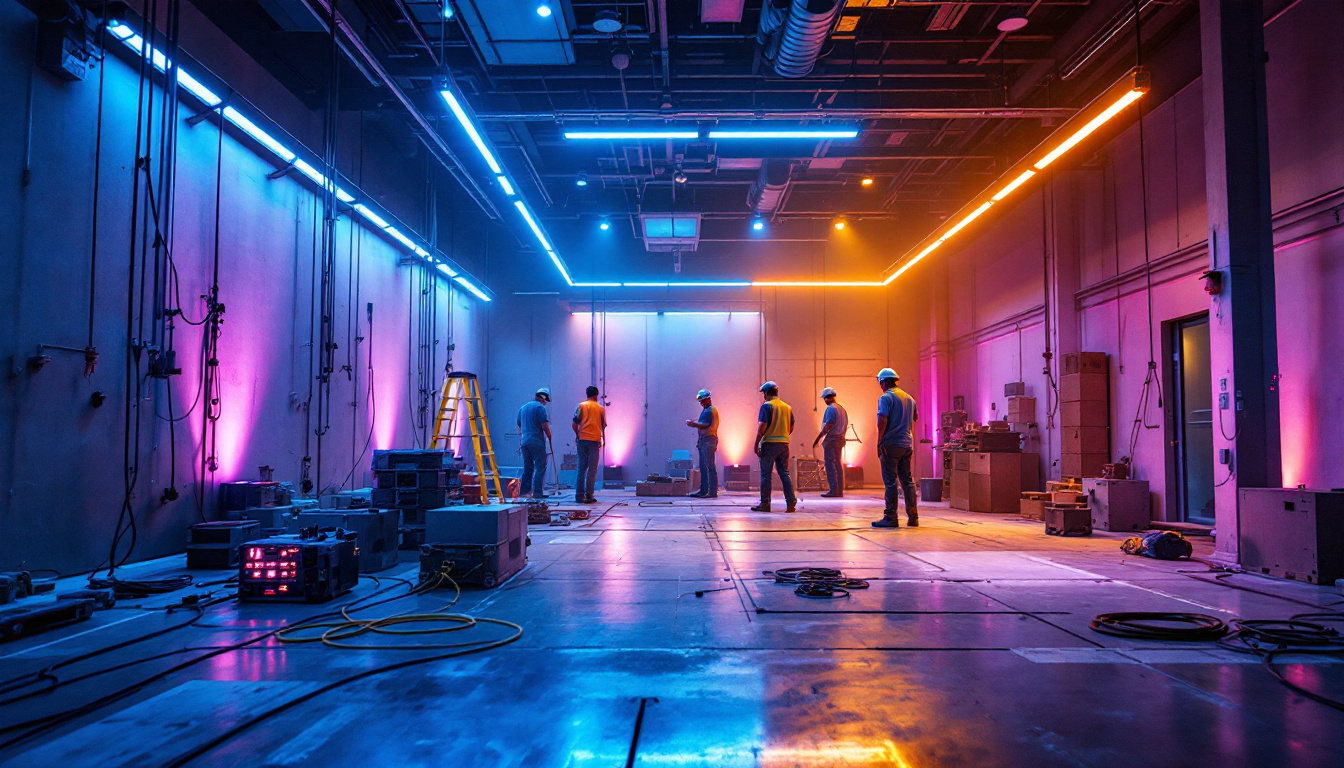
Before installation, it is essential to plan the layout of plugs and switches carefully. Consideration should be given to the placement of fixtures, the type of lighting being installed, and the convenience of access to switches. A well-thought-out layout can enhance the usability of the lighting system and create a more enjoyable environment.
Additionally, contractors should take into account the electrical load and ensure that the plugs and switches are rated appropriately for the intended use. This foresight can prevent future complications and ensure a smooth operation of the lighting system. It’s also beneficial to consider the aesthetic aspects of the installation; ensuring that outlets and switches are placed in unobtrusive yet accessible locations can contribute to a cleaner look and feel in the space. Moreover, integrating smart technology into the layout can provide added convenience and energy efficiency, allowing users to control lighting remotely or through automation.
Testing and Quality Assurance
After installation, thorough testing is necessary to ensure that all plugs and switches function correctly. This includes checking for secure connections, proper grounding, and verifying that switches operate as intended. Quality assurance should be a priority, as any oversight can lead to significant issues down the line.
Documentation of testing results can also serve as a valuable resource for future maintenance or troubleshooting. Keeping detailed records helps in identifying potential problems and provides a reference for any necessary repairs or upgrades. Additionally, contractors should consider implementing a checklist that outlines all testing procedures and results, which can streamline the process and ensure consistency across projects. Regular follow-up inspections can also be beneficial, as they allow for the early detection of wear and tear, ensuring that the lighting system remains safe and efficient over time. Engaging clients in this process by providing them with a summary of the installation and testing can also enhance their understanding and satisfaction with the work performed.
Common Issues with Plugs and Switches
Despite careful planning and installation, issues can still arise with plugs and switches in lighting installations. Being aware of common problems can help contractors address them promptly and effectively.
Loose Connections
One of the most common issues is loose connections, which can lead to flickering lights or complete power loss. Regular inspections and maintenance can help identify and rectify loose connections before they become a significant problem.
Contractors should educate clients on the importance of keeping an eye on their lighting systems and encourage them to report any irregularities immediately. Early detection can prevent more extensive damage and costly repairs.
Additionally, loose connections can pose safety hazards, including the risk of electrical fires. It’s crucial for contractors to emphasize the importance of using quality materials and ensuring that all connections are secure during installation. This proactive approach not only enhances the reliability of the lighting system but also instills confidence in clients regarding the safety of their electrical installations.
Wear and Tear
Over time, plugs and switches can experience wear and tear due to regular use. This can manifest as difficulty in operating switches or physical damage to plugs. Contractors should recommend periodic inspections to assess the condition of these components and replace them as necessary.
In some cases, clients may not realize the importance of replacing worn-out components. Providing education on the signs of wear can empower clients to take action, ensuring the longevity and safety of their lighting installations.
Moreover, it’s essential to discuss the impact of environmental factors on wear and tear. For instance, exposure to moisture, dust, and extreme temperatures can accelerate deterioration. By advising clients on best practices for maintaining their lighting systems, such as keeping switches clean and ensuring plugs are not overloaded, contractors can help extend the life of these critical components. This not only saves clients money in the long run but also enhances the overall efficiency of their lighting systems.
Future Trends in Lighting Controls
The lighting industry is continuously evolving, and staying abreast of future trends is crucial for lighting contractors. Emerging technologies are reshaping how plugs and switches are utilized in lighting installations.
Integration with Smart Home Systems
As smart home technology becomes more prevalent, the integration of lighting controls with these systems is a growing trend. Smart plugs and switches can be programmed to work in conjunction with other smart devices, creating a seamless user experience.
This integration not only enhances convenience but also allows for advanced automation features, such as scheduling and remote control. Contractors should be prepared to offer solutions that incorporate these technologies, catering to the demands of tech-savvy clients.
Wireless Technology
Wireless technology is another area gaining traction in lighting controls. Wireless switches eliminate the need for extensive wiring, making installations quicker and less invasive. This can be particularly advantageous in renovation projects where existing structures may complicate traditional wiring methods.
Contractors should familiarize themselves with wireless options and their installation processes to provide clients with innovative solutions that meet modern demands.
Conclusion
In summary, plugs and switches are critical components in lighting installations that significantly impact safety, functionality, and user experience. Lighting contractors must prioritize the selection, installation, and maintenance of these components to ensure successful projects.
By understanding the importance of plugs and switches, staying informed about industry trends, and adhering to best practices, contractors can enhance their services and provide clients with reliable, efficient lighting solutions. The future of lighting is bright, and with the right knowledge and tools, contractors can illuminate spaces with confidence.
Illuminate with Confidence with LumenWholesale
Ready to elevate your lighting installations with the best in quality and value? Look no further than LumenWholesale. We provide contractors with an extensive selection of top-quality, spec-grade lighting products at unbeatable wholesale prices. Say goodbye to inflated markups and hello to superior lighting products that meet the highest industry standards. With LumenWholesale, bulk buying is a breeze, thanks to our hassle-free process and free shipping. Don’t compromise on quality or price. Choose LumenWholesale for premium lighting solutions that blend quality, affordability, and convenience seamlessly. Wholesale Lighting at the Best Value is just a click away. Illuminate your projects with confidence today!