LED 4′ Strip Lights: Key Tips for Lighting Contractors
In the ever-evolving world of lighting solutions, LED 4′ strip lights have emerged as a popular choice among both residential and commercial projects. These versatile lighting fixtures offer a range of benefits, from energy efficiency to aesthetic appeal. For lighting contractors, understanding the nuances of these products is essential for successful installations and satisfied clients. This article provides key tips that can help contractors maximize the potential of LED 4′ strip lights.
Understanding LED Strip Lights
LED strip lights are flexible circuit boards populated with light-emitting diodes (LEDs). They are available in various lengths, colors, and brightness levels, making them suitable for diverse applications. The 4′ variant is particularly favored for its balance between size and functionality, allowing for easy installation in various settings. These strips can be cut to fit specific lengths, enabling customization for any project, whether it’s illuminating a kitchen cabinet or creating an accent in a home theater.
Types of LED Strip Lights
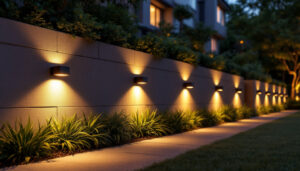
When selecting LED strip lights, contractors should be aware of the different types available. These can include standard, waterproof, and RGB (color-changing) options. Each type serves specific needs and environments. For instance, waterproof strips are ideal for outdoor installations or areas exposed to moisture, while RGB strips can create dynamic lighting effects for entertainment spaces. Additionally, there are also addressable LED strips that allow for individual control of each LED, enabling intricate designs and animations that can enhance the visual appeal of any project.
Key Specifications to Consider
Before selecting LED strip lights, it is crucial to understand the specifications that will impact the performance and suitability of the product. Key factors include:
- Brightness: Measured in lumens, this determines how much light the strip emits. Higher lumens are typically better for task lighting, while lower lumens may suffice for ambient lighting.
- Color Temperature: Measured in Kelvin (K), color temperature affects the mood of a space. Warmer temperatures (2700K-3000K) create a cozy atmosphere, while cooler temperatures (4000K-5000K) are better for work environments.
- Power Consumption: Understanding wattage is essential for energy efficiency. LED strip lights consume less power than traditional lighting, but knowing the total wattage needed for a project can help in planning electrical requirements.
Another important specification to consider is the LED density, which refers to the number of LEDs per meter. Higher density strips provide more uniform illumination and are less likely to have dark spots, making them ideal for applications where consistent light quality is crucial. Furthermore, the quality of the adhesive backing on the strips can significantly affect installation; a strong adhesive ensures that the lights stay in place, especially in areas with high heat or humidity. Therefore, evaluating these factors can lead to a more satisfactory lighting solution that meets both aesthetic and functional needs.
Installation Best Practices
Proper installation is key to ensuring that LED strip lights perform optimally. Here are several best practices that contractors should follow:
Preparation and Planning
Before installation, thorough planning is essential. This includes measuring the installation area and determining the required length of the strip lights. It is also crucial to assess the power supply and ensure compatibility with the LED strips. Contractors should take into account the layout of the space and how the lighting will be used, as this will influence the positioning of the strips. Additionally, considering the color temperature and brightness of the LED strips during the planning phase can greatly enhance the overall ambiance of the space. For instance, warmer tones might be more suitable for residential areas, while cooler tones may be preferred in commercial settings to create a more vibrant atmosphere.
Surface Selection
The surface to which the LED strip lights will be mounted can significantly affect their performance and longevity. For optimal adhesion, surfaces should be clean, dry, and smooth. In some cases, using mounting brackets or channels can enhance the aesthetic appeal and protect the strips from damage. Additionally, ensuring that the strips are not placed in direct contact with heat sources will help maintain their lifespan. It’s also worth noting that different surfaces, such as wood, metal, or drywall, may require specific adhesives or mounting techniques. Contractors should be prepared to adapt their installation methods based on the unique characteristics of each surface to ensure a secure and lasting fit.
Electrical Considerations
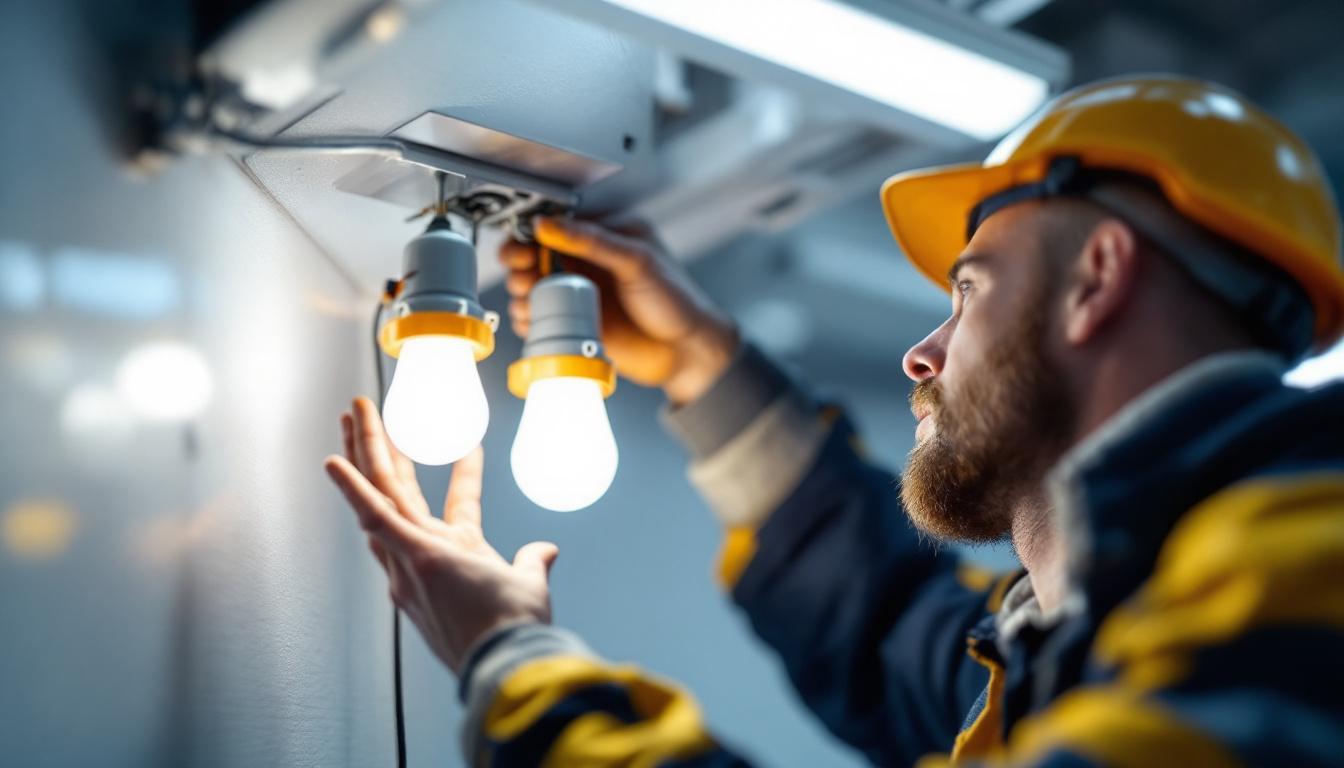
Electrical safety should always be a priority. Contractors must ensure that the power supply matches the voltage requirements of the LED strip lights. It is also advisable to use connectors and wiring that are rated for the appropriate load. For larger installations, consider using a controller to manage multiple strips, which can simplify operation and enhance functionality. Furthermore, implementing a circuit breaker or fuse can add an extra layer of safety, protecting the installation from potential overloads. Regularly checking connections and ensuring that all components are securely fastened can prevent issues down the line and contribute to the overall reliability of the lighting system.
Enhancing Aesthetics with LED Strip Lights
LED strip lights are not just functional; they also offer significant aesthetic benefits. Contractors can leverage their versatility to enhance the visual appeal of various spaces. These lights are energy-efficient and long-lasting, making them a sustainable choice for both residential and commercial projects. With advancements in technology, LED strip lights are now available in a variety of styles, colors, and brightness levels, allowing for even greater customization to suit any design vision.
Creative Placement Ideas
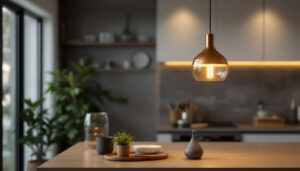
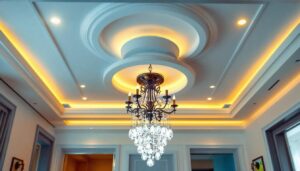
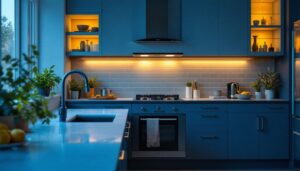
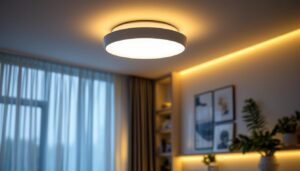
One of the most effective ways to use LED strip lights is through creative placement. Consider installing them under cabinets, along staircases, or behind furniture to create a soft glow that enhances the ambiance. In commercial settings, they can be used to highlight architectural features or signage, drawing attention to specific areas. Additionally, think about using LED strips in unconventional places, such as inside bookshelves or along the edges of mirrors, to create a unique visual effect. This not only adds depth to the space but also serves a functional purpose by providing additional illumination where needed.
Color and Effects
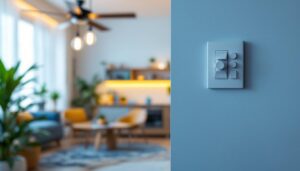
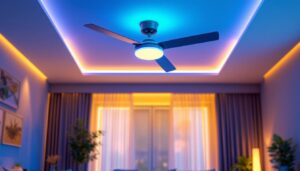
Utilizing RGB LED strip lights allows for dynamic color changes, which can transform a space instantly. Contractors should consider the mood they want to create and adjust the colors accordingly. For example, warmer tones can create a welcoming environment, while cooler tones may be more suitable for modern, sleek designs. Additionally, using dimmers can provide flexibility in lighting levels, allowing clients to customize their experience. Beyond static colors, incorporating programmable effects such as fading, strobing, or color cycling can add an element of excitement and creativity, making the lighting a key feature of the space rather than just an afterthought. This adaptability makes LED strip lights perfect for settings that host various events or activities, as they can easily be adjusted to match the occasion or theme.
Maintenance and Troubleshooting
To ensure longevity and optimal performance, regular maintenance and troubleshooting are crucial. Here are some tips to keep in mind:
Routine Inspections
Contractors should recommend routine inspections of LED strip lights to identify any issues early on. This includes checking for flickering lights, which may indicate a power supply problem, or discoloration, which could signal overheating. Regularly cleaning the strips to remove dust and debris can also help maintain their brightness and efficiency.
Common Issues and Solutions
Some common issues that may arise with LED strip lights include:
- Flickering: This can often be resolved by checking the power supply and ensuring it is compatible with the LED strips.
- Dim Lighting: If the lights appear dim, it may be due to insufficient power or a failing LED. Replacing the affected section or ensuring proper voltage can often resolve this issue.
- Color Inconsistency: This can occur if different batches of LED strips are used. Always source strips from the same manufacturer for consistent color quality.
Energy Efficiency and Sustainability
As energy efficiency becomes increasingly important, LED strip lights offer a sustainable solution for lighting contractors. Understanding their benefits can help contractors promote these products effectively.
Energy Savings
LED strip lights consume significantly less energy compared to traditional incandescent or fluorescent lighting. This not only reduces electricity bills for clients but also contributes to a lower carbon footprint. By promoting the energy-saving aspects of LED strip lights, contractors can appeal to environmentally conscious customers.
Longevity and Waste Reduction
Another advantage of LED technology is its longevity. LED strip lights can last up to 50,000 hours or more, greatly reducing the frequency of replacements. This longevity not only saves money in the long run but also minimizes waste, making it a more sustainable choice for lighting solutions.
Client Education and Engagement
Educating clients about the benefits and features of LED strip lights can enhance their overall experience and satisfaction. Here are some strategies for effective client engagement:
Demonstrating Versatility
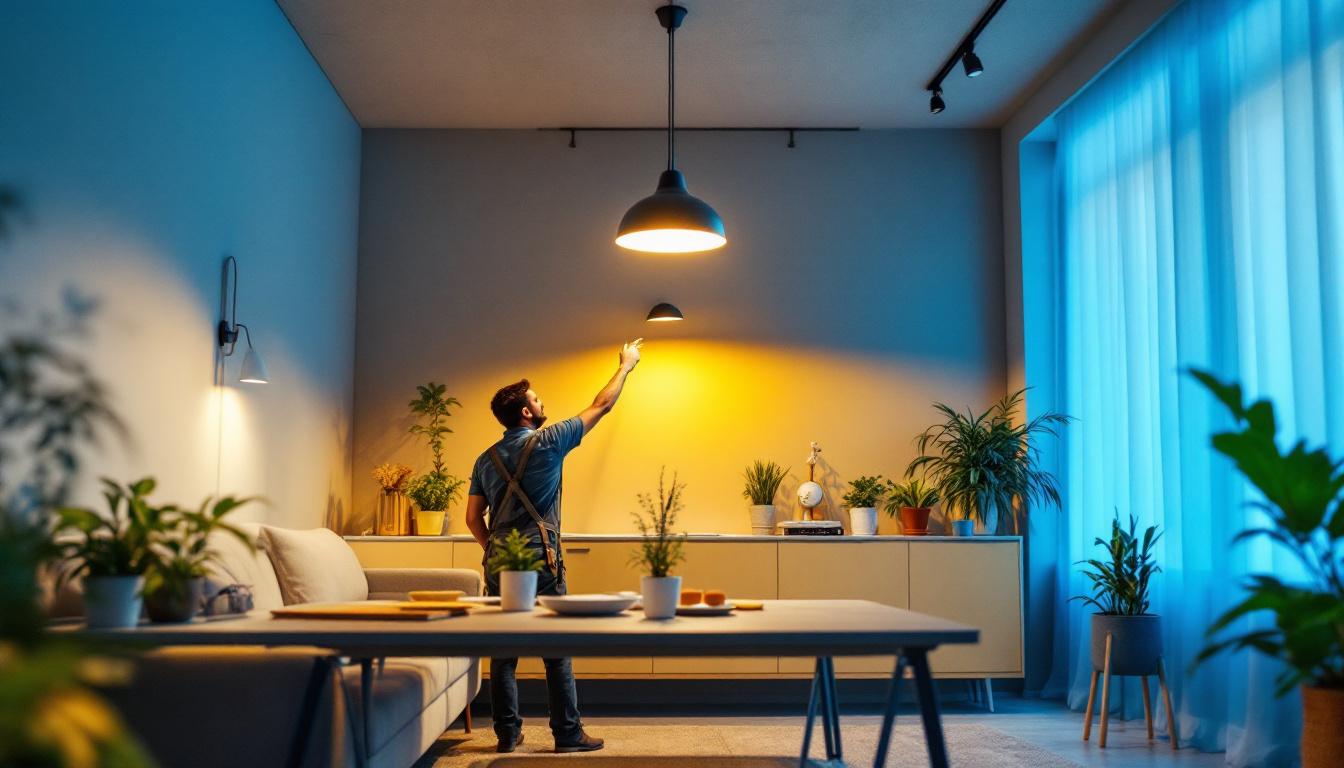
Contractors should take the time to demonstrate the versatility of LED strip lights to clients. Showcasing various applications, from ambient to task lighting, can help clients visualize how these lights can enhance their spaces. Providing samples or mock-ups can also be an effective way to illustrate potential outcomes.
Providing Maintenance Guidelines
Educating clients on proper maintenance can prolong the life of their LED strip lights. Providing simple guidelines, such as how to clean the strips and check for issues, empowers clients to take care of their lighting systems. This not only builds trust but also encourages repeat business as clients appreciate the ongoing support.
Conclusion
LED 4′ strip lights offer a wealth of opportunities for lighting contractors looking to enhance their projects. By understanding the various types, installation best practices, and maintenance requirements, contractors can ensure successful installations that meet client needs. Moreover, promoting the energy efficiency and aesthetic benefits of LED strip lights can help contractors stand out in a competitive market. Ultimately, staying informed and engaged with clients will foster long-term relationships and lead to continued success in the lighting industry.
Get Your Premium LED Strip Lights at LumenWholesale
Ready to elevate your lighting projects with the best LED 4′ strip lights on the market? Look no further than LumenWholesale, where we provide contractors with exceptional, spec-grade lighting products at unbeatable wholesale prices. Say goodbye to local distributor markups and hello to a vast selection of top-tier lighting that meets the highest industry standards. With LumenWholesale, you can count on reliable, high-performance lighting solutions for every project. Plus, enjoy the convenience of bulk buying with free shipping, ensuring you get the premium lighting you need at the best price — without any hidden fees. Make the smart choice for quality, affordability, and hassle-free service. Wholesale Lighting at the Best Value is just a click away!