Lighting projects can be intricate and multifaceted, especially when dealing with large-scale installations such as 8 ft LED lighting. Contractors must navigate a range of considerations, from energy efficiency to aesthetic appeal, all while keeping costs under control. This article aims to provide insights into common pitfalls and how to avoid them, ensuring that your lighting projects are successful and cost-effective.
Understanding the Basics of 8 Ft LED Lighting
Before diving into the complexities of lighting projects, it’s essential to grasp the fundamental aspects of 8 ft LED lighting. These fixtures are increasingly popular due to their energy efficiency, longevity, and versatility. However, understanding their specifications, applications, and benefits is crucial for any lighting contractor.
Specifications and Features
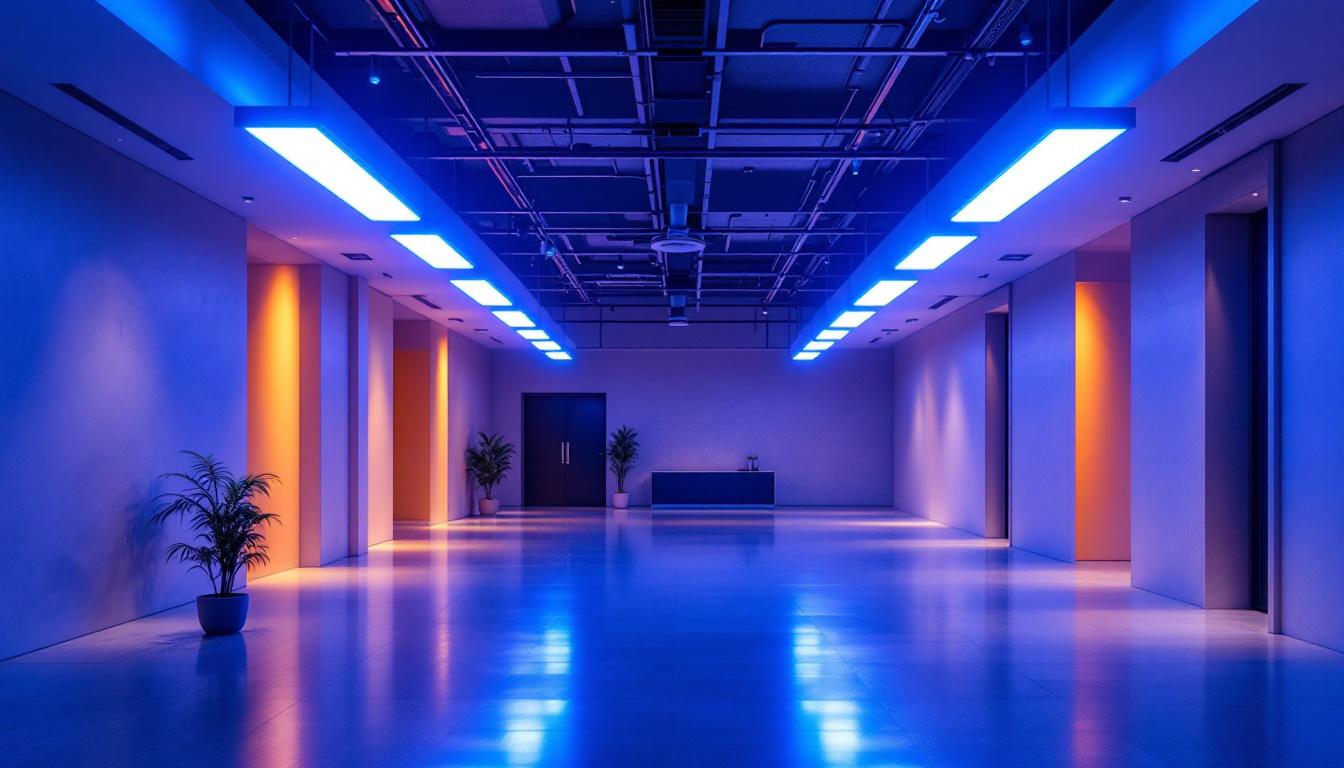
8 ft LED lights typically come in various configurations, including linear, high bay, and low bay designs. Each type serves different purposes and environments, from warehouses and industrial settings to commercial spaces. When selecting fixtures, pay attention to lumens, color temperature, and wattage. These specifications will significantly influence the lighting quality and energy consumption. Additionally, many 8 ft LED fixtures offer features such as dimming capabilities, motion sensors, and smart technology integration, allowing for enhanced control over the lighting environment. This adaptability not only improves energy savings but also contributes to a more comfortable and productive atmosphere in any space.
Applications of 8 Ft LED Lighting
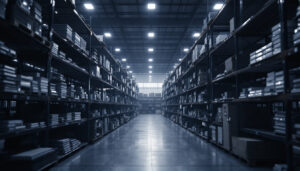
These lights are ideal for expansive areas requiring uniform illumination. Common applications include warehouses, manufacturing facilities, retail spaces, and gymnasiums. Understanding the specific needs of each environment will help in choosing the right lighting solution that meets both functional and aesthetic requirements. For instance, in a warehouse, the high bay configurations can provide the necessary brightness to ensure safety and efficiency during operations, while in retail spaces, color temperature can be adjusted to enhance product displays and create an inviting shopping experience. Furthermore, the durability of LED technology means that these fixtures can withstand the rigors of industrial environments, reducing the need for frequent replacements and maintenance, which ultimately leads to significant cost savings over time.
Common Mistakes in Lighting Projects
Even seasoned contractors can make mistakes during lighting projects. Identifying these common pitfalls can save time, resources, and money. Here are some of the most frequent errors encountered in 8 ft LED lighting installations.
Inadequate Planning and Design
One of the most significant mistakes is failing to plan adequately. A thorough design phase is crucial for understanding the lighting needs of the space. This includes considering the layout, the purpose of the area, and the desired ambiance. Skipping this step can lead to insufficient lighting, uneven distribution, or excessive energy consumption. Additionally, it’s important to involve all stakeholders in the planning process, as their input can provide valuable insights into how the space is used and what lighting solutions will be most effective. For instance, a workspace may require brighter, more focused lighting during business hours, while a lounge area might benefit from softer, warmer tones in the evenings.
Ignoring Local Regulations and Standards
Lighting projects must comply with local building codes and regulations. Ignoring these can lead to costly fines and the need for rework. Familiarize yourself with the relevant standards, including energy efficiency requirements and safety regulations, to avoid potential setbacks. Furthermore, it’s wise to stay updated on any changes in legislation that could affect your project. For example, new energy codes may mandate the use of specific types of lighting or require advanced controls to optimize energy savings. Engaging with local authorities early in the project can help ensure that all necessary permits are obtained and that the installation meets all compliance requirements, thus preventing delays and additional costs down the line.
Choosing the Right Fixtures
Selecting the appropriate fixtures is critical to the success of any lighting project. With numerous options available, making the right choice can be daunting. Here are some considerations to keep in mind when choosing 8 ft LED lighting fixtures.
Quality Over Cost
While it may be tempting to opt for cheaper fixtures to save on initial costs, this can lead to higher expenses in the long run. Low-quality lights may have shorter lifespans, require frequent replacements, and consume more energy. Investing in high-quality LED fixtures will provide better performance and reliability. Additionally, premium fixtures often come with enhanced features such as better color rendering, adjustable brightness, and improved heat dissipation, which can significantly enhance the overall lighting experience in your space.
Compatibility with Existing Systems
Ensure that the new lighting fixtures are compatible with existing electrical systems. This includes checking voltage requirements, dimming capabilities, and control systems. Mismatches can lead to operational issues and additional costs for retrofitting or upgrading systems. Furthermore, consider the layout of your space and how the fixtures will integrate with other elements such as ceiling height and furniture placement. Proper alignment and positioning can maximize light distribution and minimize shadows, creating a more inviting atmosphere.
Energy Efficiency and Sustainability
When selecting lighting fixtures, it’s essential to consider their energy efficiency ratings. LED fixtures are known for their low energy consumption compared to traditional lighting options, but not all LEDs are created equal. Look for fixtures that have been certified by recognized energy efficiency programs, as these can significantly reduce electricity bills and environmental impact. Additionally, many manufacturers are now focusing on sustainable practices, offering products made from recyclable materials or those that have a lower carbon footprint during production. This not only contributes to a greener planet but can also enhance your brand’s reputation if you’re implementing lighting in a commercial setting.
Design and Aesthetics
The design of your lighting fixtures should complement the overall aesthetic of your space. Whether you’re aiming for a modern, industrial, or classic look, there are countless styles available to match your vision. Consider the finish, shape, and size of the fixtures, as these elements can dramatically influence the ambiance of a room. For instance, sleek, minimalist designs may work well in contemporary settings, while ornate fixtures can add a touch of elegance to traditional spaces. Additionally, think about how the fixtures will interact with natural light throughout the day, as this can affect both the functionality and mood of your environment.
Installation Best Practices
Proper installation is crucial for maximizing the performance and efficiency of 8 ft LED lighting. Following best practices can help avoid common installation errors that may lead to subpar results.
Proper Mounting Techniques
When installing 8 ft LED lights, ensure that they are mounted securely and at the correct height. Improper mounting can result in uneven lighting and potential safety hazards. Always follow manufacturer guidelines for installation to ensure optimal performance.
Wiring and Electrical Considerations
Electrical work should always be performed by qualified professionals. Ensure that all wiring is up to code and that connections are secure. Poor wiring can lead to flickering lights, increased energy consumption, and even fire hazards. Conduct thorough inspections to confirm that all electrical components are functioning correctly.
Energy Efficiency and Sustainability
In today’s environmentally conscious world, energy efficiency is more important than ever. 8 ft LED lighting offers significant advantages in this area, but it’s essential to implement strategies that enhance sustainability.
Utilizing Smart Controls
Integrating smart controls into lighting systems can significantly improve energy efficiency. Smart dimmers, timers, and occupancy sensors can help reduce energy consumption by ensuring lights are only used when needed. This not only lowers energy bills but also extends the lifespan of the fixtures.
Regular Maintenance and Upgrades
Regular maintenance is vital for ensuring the longevity and efficiency of lighting systems. Schedule routine inspections to clean fixtures, check for any damage, and replace bulbs as needed. Additionally, consider upgrading to newer technologies as they become available, which can provide even greater energy savings.
Enhancing Aesthetics and Functionality
While functionality is paramount, aesthetics should not be overlooked. The right lighting can enhance the overall appeal of a space, creating an inviting atmosphere for occupants.
Color Temperature and Mood
The color temperature of lighting can significantly impact the mood of a space. Warmer temperatures (2700K-3000K) create a cozy and inviting atmosphere, while cooler temperatures (4000K-5000K) are more energizing and suitable for work environments. Understanding the desired ambiance can guide the selection of the appropriate color temperature for each area.
Layering Light for Effect
Layering different types of lighting—ambient, task, and accent—can create a more dynamic and functional space. Combining 8 ft LED fixtures with other lighting sources can enhance visual interest and improve the overall lighting design. Consider how different layers of light can work together to achieve the desired effect.
Budgeting and Cost Management
Effective budgeting is essential for the success of any lighting project. Understanding the costs associated with 8 ft LED lighting can help contractors manage expenses and avoid surprises.
Estimating Total Costs
When budgeting for a lighting project, consider all associated costs, including fixtures, installation, maintenance, and energy consumption. Create a detailed estimate that accounts for each aspect of the project to ensure that the budget is realistic and comprehensive.
Identifying Potential Savings
Look for opportunities to save costs without compromising quality. This could include bulk purchasing of fixtures, negotiating with suppliers, or exploring rebates and incentives for energy-efficient lighting. Identifying these savings can help keep the project within budget.
Conclusion
Lighting projects, particularly those involving 8 ft LED fixtures, can be complex and challenging. However, by understanding the common mistakes, adhering to best practices, and prioritizing quality and efficiency, contractors can successfully navigate these projects. By implementing the strategies outlined in this article, contractors can avoid costly errors and deliver exceptional lighting solutions that meet the needs of their clients.
In the ever-evolving world of lighting technology, staying informed and adaptable is key. Continuous education and awareness of new products and techniques will further enhance the ability to execute successful lighting projects. Ultimately, the goal is to create spaces that are not only functional but also visually appealing and sustainable.
Illuminate Your Projects with LumenWholesale
Ready to elevate your lighting projects with the best in spec-grade solutions? Look no further than LumenWholesale, where we provide contractors with top-tier, energy-efficient 8 ft LED lighting at unbeatable wholesale prices. Say goodbye to inflated markups and hello to a vast selection that meets the highest industry standards. With free shipping on bulk orders, LumenWholesale is your go-to source for premium lighting that combines quality, affordability, and convenience. Don’t compromise on your lighting needs—explore our collection and secure the best value in wholesale lighting today.