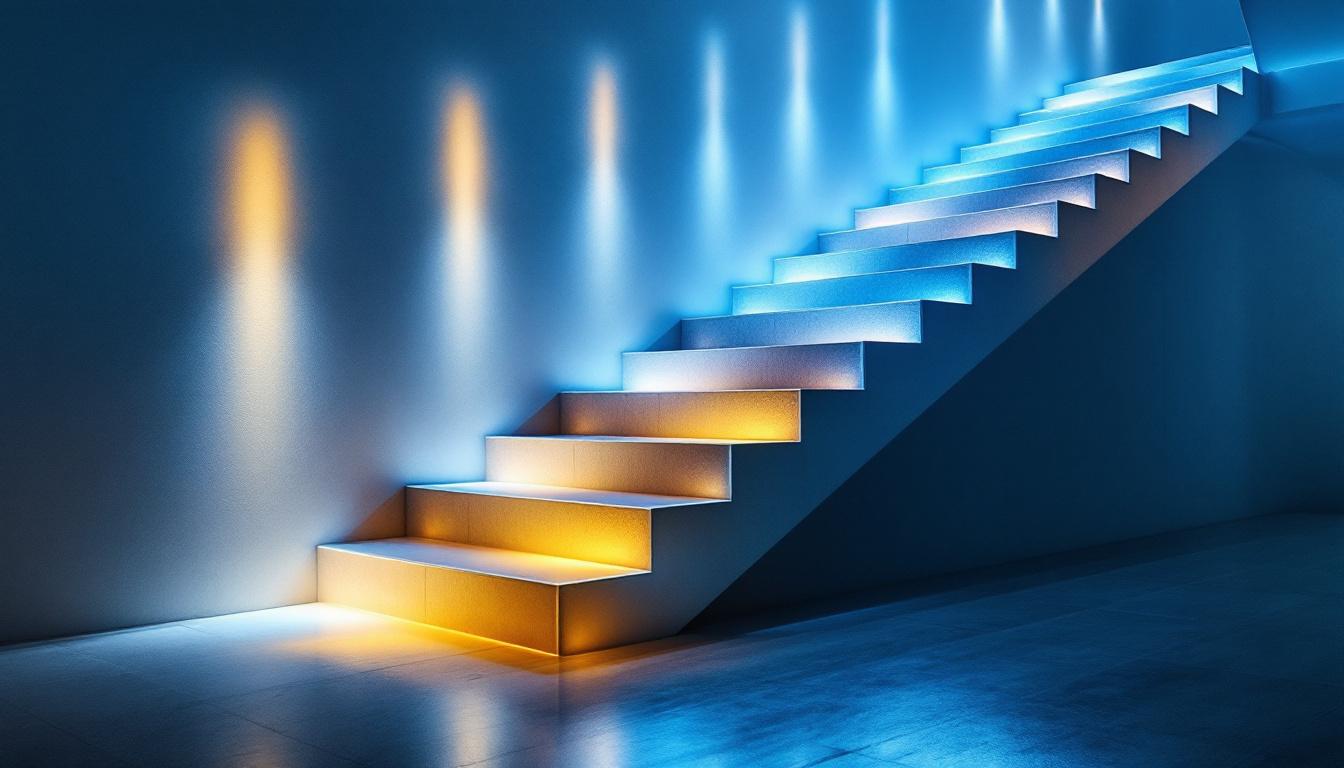
Lighting plays a crucial role in enhancing the safety, aesthetics, and functionality of any space. Among the various applications of lighting, stairways often receive less attention than they deserve. However, with the advent of LED technology, stairs LED lights have emerged as a transformative solution for lighting installation projects. This article explores the benefits, applications, and considerations of integrating stairs LED lights into lighting designs.
The Importance of Stair Lighting
Stairways are often considered transitional spaces, yet they are essential for ensuring safe navigation within a building. Proper lighting in these areas can significantly reduce the risk of accidents, especially in low-light conditions. Moreover, well-lit stairs can enhance the overall ambiance of a space, making it more inviting and visually appealing.
In addition to safety and aesthetics, stair lighting can also serve practical purposes. For instance, it can guide visitors through a property, highlight architectural features, and create a seamless flow between different levels of a building. This multifaceted role of stair lighting makes it a key consideration for any lighting contractor. The choice of lighting can also reflect the personality of the space, whether it be a cozy home, a sleek modern office, or an elegant public venue, thus playing a crucial role in the overall design narrative.
Safety Enhancements
One of the primary reasons for installing LED lights on stairs is to improve safety. Poorly lit staircases can lead to slips, trips, and falls, particularly for the elderly and children. By strategically placing LED lights along the stair treads or risers, visibility can be significantly improved. This not only helps individuals navigate the stairs with confidence but also reduces liability for property owners.
Moreover, LED lights can be equipped with motion sensors, which automatically activate the lighting when someone approaches. This feature is particularly beneficial in residential settings, where family members may frequently use the stairs at different times of the day. The combination of safety and convenience makes LED stair lighting an attractive option for any installation project. Additionally, incorporating features like dimmable lights can allow users to adjust brightness levels according to their needs, further enhancing the safety and comfort of stair navigation during various times of the day.
Aesthetic Appeal
In addition to enhancing safety, LED stair lights can also elevate the aesthetic value of a space. The soft glow of LED lights can create a warm and inviting atmosphere, transforming a mundane staircase into a stunning focal point. Various design options, including color temperature and brightness levels, allow lighting contractors to tailor the lighting to suit the overall decor of the building.
Furthermore, LED lights can be integrated into the architecture of the stairs themselves. For example, recessed lighting can be installed within the stair risers, providing a sleek and modern look. This type of design not only enhances the visual appeal but also maximizes the use of space, making it a practical choice for both residential and commercial settings. Beyond just functionality, the incorporation of colored LED lights can add a dynamic element to stair lighting, allowing for seasonal changes or special events to be reflected in the ambiance. This versatility ensures that stair lighting can be both a practical necessity and a creative expression of style, adapting to the evolving needs of the space and its occupants.
Benefits of Using LED Technology
LED technology has revolutionized the lighting industry, offering numerous advantages over traditional incandescent or fluorescent lighting. For lighting contractors, understanding these benefits is essential for making informed decisions about lighting installation projects.
Energy Efficiency
One of the standout features of LED lights is their energy efficiency. Compared to traditional bulbs, LEDs consume significantly less electricity while providing the same or even greater levels of brightness. This reduction in energy consumption translates to lower utility bills for property owners and a reduced carbon footprint, aligning with the growing demand for sustainable building practices.
Moreover, the long lifespan of LED lights means that they require less frequent replacement, further contributing to cost savings over time. For lighting contractors, this can be a selling point when discussing options with clients, as it highlights the long-term benefits of investing in LED stair lighting. Additionally, the durability of LED technology means they are less prone to breakage and can withstand harsher conditions, making them ideal for both indoor and outdoor applications. This resilience not only enhances safety but also reduces maintenance costs, allowing property owners to focus on other important aspects of their facilities.
Versatility and Customization
LED lights offer unparalleled versatility, making them suitable for a wide range of applications. From color-changing options to dimmable features, lighting contractors can customize stair lighting to meet the specific needs of each project. This adaptability allows for creative solutions that can enhance both functionality and aesthetics.
For instance, in commercial settings, LED stair lights can be programmed to change colors based on the time of day or special events, creating a dynamic atmosphere that engages visitors. In residential projects, homeowners may prefer warm white lights for a cozy feel or cooler tones for a more modern look. The ability to customize lighting solutions ensures that contractors can meet diverse client preferences. Furthermore, the compact size of LED fixtures allows for innovative designs and installations in tight spaces, enabling contractors to explore new layouts and configurations that were previously impractical with traditional lighting. This flexibility opens up a world of possibilities, allowing for unique and personalized lighting designs that can transform any environment into a visually stunning space.
Installation Considerations
While the benefits of stairs LED lights are clear, there are several important considerations that lighting contractors should keep in mind during installation. Proper planning and execution are key to ensuring that the lighting meets both functional and aesthetic requirements.
Placement and Design
The placement of LED lights on staircases is critical for achieving optimal results. It is essential to consider factors such as light distribution, glare, and the overall design of the staircase. For instance, lights should be positioned to illuminate the entire stair tread without creating harsh shadows or blinding glare.
In addition to placement, the design of the lighting fixtures themselves should complement the staircase’s architecture. Whether opting for surface-mounted fixtures, recessed lights, or strip lighting, the chosen design should enhance the overall look of the stairs while providing adequate illumination. Furthermore, the color temperature of the LED lights can significantly impact the ambiance; warmer tones can create a cozy and inviting atmosphere, while cooler tones may lend a more modern and sleek appearance.
Power Supply and Wiring
Another important aspect of installation is ensuring that the power supply and wiring are appropriate for the LED lights being used. Contractors should verify that the electrical system can handle the load and that all wiring meets local codes and regulations. This may involve consulting with an electrician to ensure a safe and efficient installation.
Additionally, incorporating smart technology into stair lighting systems can enhance functionality. For example, integrating LED lights with home automation systems allows for remote control and scheduling, providing added convenience for homeowners. However, this requires careful planning and expertise to ensure seamless integration. The use of motion sensors can also be a valuable addition, allowing lights to automatically illuminate when someone approaches the stairs, thereby enhancing safety and energy efficiency. Moreover, considering the use of dimmable LED options can provide flexibility in adjusting brightness levels according to different times of day or occasions, further enriching the user experience.
Maintenance and Longevity
One of the key advantages of LED lights is their low maintenance requirements. Unlike traditional bulbs that may burn out frequently, LEDs have a much longer lifespan, reducing the need for regular replacements. However, some maintenance practices can help extend the life of the lighting system and maintain optimal performance.
Regular Cleaning
Dust and debris can accumulate on LED fixtures, diminishing their brightness and effectiveness. Regular cleaning of the lights and surrounding areas is essential to ensure maximum illumination. Contractors should advise clients on proper cleaning techniques and schedules to maintain the appearance and functionality of the stair lighting.
In addition to cleaning, it is important to periodically check for any signs of wear or damage to the fixtures. Promptly addressing any issues can prevent more significant problems down the line and ensure the longevity of the lighting system.
Upgrading Technology
As technology continues to evolve, lighting contractors should stay informed about the latest advancements in LED lighting. Upgrading to newer models with improved efficiency and features can enhance the overall performance of stair lighting systems. This may include options such as tunable white lights, which allow users to adjust the color temperature based on their preferences or time of day.
By keeping up with technological advancements, contractors can offer clients the best possible solutions for their stair lighting needs, ensuring that installations remain relevant and effective for years to come.
Conclusion
Incorporating stairs LED lights into lighting installation projects offers numerous benefits, from enhanced safety and aesthetics to energy efficiency and versatility. As lighting contractors, understanding the importance of stair lighting and the advantages of LED technology is essential for delivering high-quality solutions to clients.
By carefully considering installation factors, maintenance practices, and the latest advancements in LED technology, contractors can create stunning and functional stair lighting designs that meet the needs of any space. Ultimately, the integration of stairs LED lights not only improves the overall lighting experience but also elevates the value of the property, making it a worthwhile investment for any lighting project.
Illuminate Your Projects with LumenWholesale
Ready to take your stair lighting installations to the next level? Choose LumenWholesale for an unbeatable combination of quality, affordability, and convenience. Our spec-grade LED lighting solutions are designed to meet the highest industry standards, ensuring your projects shine with reliability and performance. Say goodbye to middleman markups and hello to hassle-free bulk buying with free shipping. Elevate your lighting installations with premium products at the best value. Wholesale Lighting at the Best Value is just a click away. Transform your lighting projects with LumenWholesale today.