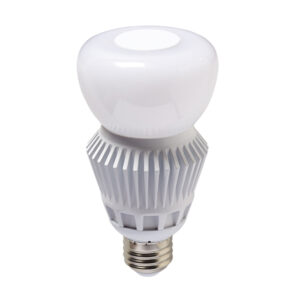
As lighting technology continues to evolve, the demand for versatile and energy-efficient solutions is on the rise. Dimming switches have become a staple in modern lighting design, offering both aesthetic appeal and functional benefits. For lighting contractors, understanding the intricacies of dimming switches is essential for delivering quality installations that meet client expectations. This guide aims to provide valuable insights into the types, benefits, installation, and troubleshooting of dimming switches.
Understanding Dimming Switches
Dimming switches allow users to adjust the brightness of their lighting fixtures, creating a customizable ambiance for various settings. These switches can be used in residential, commercial, and industrial applications, making them a versatile choice for contractors. Understanding the different types of dimming switches and their functionalities is crucial for effective installation and client satisfaction.
Types of Dimming Switches
There are several types of dimming switches available on the market, each designed to cater to specific lighting needs. The most common types include:
- Incandescent Dimmers: These are the traditional dimmers that work with incandescent and halogen bulbs. They function by reducing the voltage supplied to the bulb, allowing for smooth brightness control.
- LED Dimmers: As LED lighting has gained popularity, specialized dimmers have been developed to accommodate their unique electrical characteristics. LED dimmers are designed to prevent flickering and ensure smooth dimming.
- CFL Dimmers: Compact fluorescent lamps (CFLs) require specific dimmers to function correctly. These dimmers are engineered to handle the electrical load of CFLs and provide effective brightness control.
- Smart Dimmers: With the rise of smart home technology, smart dimmers have emerged as a popular choice. These dimmers can be controlled via smartphone apps or voice commands, offering convenience and advanced features.
Benefits of Using Dimming Switches
Incorporating dimming switches into lighting installations provides numerous benefits that can enhance the overall experience for users. Some of the key advantages include:
- Energy Efficiency: Dimming switches can significantly reduce energy consumption by allowing users to adjust lighting levels according to their needs. This not only lowers electricity bills but also contributes to environmental sustainability.
- Extended Bulb Life: By reducing the voltage supplied to lighting fixtures, dimming switches can prolong the lifespan of bulbs. This results in fewer replacements and lower maintenance costs.
- Enhanced Ambiance: Dimming switches enable users to create the desired mood in a space, whether it’s a cozy atmosphere for a dinner party or bright lighting for a workspace. This flexibility is particularly appealing in residential and hospitality settings.
Moreover, the use of dimming switches can also enhance the functionality of spaces. For instance, in a home theater setup, dimming switches allow for the perfect lighting conditions to enjoy movies without glare or distractions. In restaurants, the ability to adjust lighting can transform an ordinary dining experience into a special occasion, encouraging patrons to linger longer and enjoy their meals. Additionally, in workplaces, the right lighting can boost productivity and concentration, making dimming switches an essential tool for creating an optimal work environment.
Another noteworthy aspect of dimming switches is their role in promoting wellness through lighting design. Research has shown that lighting can significantly impact mood and well-being. By utilizing dimming switches, users can simulate natural light patterns, which can help regulate circadian rhythms and improve overall health. This is particularly beneficial in spaces where people spend extended periods, such as offices or healthcare facilities. With the ability to adjust brightness according to the time of day, dimming switches can contribute to a more comfortable and health-conscious environment.
Installation Considerations
Proper installation of dimming switches is crucial for optimal performance and safety. Lighting contractors must be aware of various factors that can impact the installation process.
Electrical Compatibility
Before installing a dimming switch, it is essential to ensure that the switch is compatible with the existing electrical system and the type of bulbs being used. For instance, LED dimmers must be compatible with the specific LED bulbs to prevent flickering or poor performance. Always refer to the manufacturer’s specifications to confirm compatibility. Additionally, it’s important to consider the wattage limits of the dimmer switch, as exceeding these limits can lead to overheating and potential failure. Some dimmers are rated for specific wattages, and selecting a dimmer that matches or exceeds the total wattage of the connected bulbs ensures safe operation.
Wiring Requirements
Wiring for dimming switches can vary based on the type of switch and the complexity of the lighting system. Standard dimmers typically require a three-wire connection, which includes a line wire, load wire, and ground wire. In cases of multi-location dimming, additional wiring may be necessary. It is crucial to follow local electrical codes and regulations during installation. Furthermore, understanding the difference between single-pole and three-way dimmers is essential, as this affects how multiple switches control the same light fixture. Properly labeling wires during installation can also help simplify future maintenance or upgrades.
Placement and Design
Consideration of the switch’s placement is vital for user convenience. Dimming switches should be easily accessible and positioned in logical locations. Additionally, the design of the switch should complement the overall aesthetic of the space. Many manufacturers offer a variety of styles and finishes to match different interior designs. Beyond aesthetics, it’s beneficial to consider the functionality of the switch in relation to the room’s layout; for example, placing dimmers near entry points allows for quick adjustments as one enters or leaves a room. Moreover, some modern dimmers come equipped with smart technology, enabling users to control lighting through mobile apps or voice commands, adding an extra layer of convenience and innovation to home lighting systems.
Advanced Features in Dimming Switches
Modern dimming switches often come equipped with advanced features that enhance usability and functionality. Understanding these features can help contractors provide clients with tailored solutions.
Remote Control and Automation
Many smart dimmers include remote control capabilities, allowing users to adjust lighting from anywhere within the home. Some models can be integrated into home automation systems, enabling users to set schedules, create scenes, and control lighting through voice commands. This level of convenience is increasingly sought after in contemporary homes.
Multi-Zone Control
For larger spaces, multi-zone dimming systems allow for independent control of different lighting areas. This feature is particularly beneficial in commercial settings, where different zones may require varying levels of illumination. Contractors should consider recommending multi-zone systems for clients with expansive or multi-functional spaces.
Energy Monitoring
Some advanced dimming switches offer energy monitoring features that track usage and provide insights into energy consumption patterns. This data can help users make informed decisions about their lighting habits, promoting further energy savings. Educating clients about these features can enhance their overall satisfaction with the installation.
Troubleshooting Common Issues
Flickering Lights
One of the most common issues with dimming switches is flickering lights. This can occur due to incompatible bulbs, poor connections, or faulty dimmers. Contractors should first check the compatibility of the bulbs with the dimmer. If the bulbs are compatible, inspecting the wiring connections for any loose or damaged wires is the next step.
Inconsistent Dimming
Inconsistent dimming can be frustrating for users. This issue may arise from using multiple types of bulbs on the same circuit or from a dimmer that is not rated for the load. Contractors should advise clients to use the same type of bulbs in a single circuit and ensure that the dimmer is appropriately rated for the total wattage of the connected fixtures.
Overheating
Overheating can be a serious concern with dimming switches, especially if they are overloaded. If a dimmer feels excessively hot to the touch, it may indicate that it is handling more wattage than it is rated for. Contractors should educate clients about the importance of adhering to wattage limits and recommend upgrading to a higher-rated dimmer if necessary.
Best Practices for Lighting Contractors
To ensure successful installations and satisfied clients, lighting contractors should adhere to best practices when working with dimming switches.
Stay Informed on Industry Trends
The lighting industry is continually evolving, with new technologies and products emerging regularly. Contractors should stay informed about the latest trends in dimming technology, including advancements in smart dimmers and energy-efficient solutions. This knowledge will enable contractors to offer clients the most current and effective options.
Provide Comprehensive Client Education
Educating clients about the benefits and functionalities of dimming switches is essential for ensuring their satisfaction. Contractors should take the time to explain how to use the dimmers effectively, including any advanced features. Providing written instructions or video tutorials can also enhance the client experience.
Follow Up After Installation
A follow-up after installation can help address any concerns or questions clients may have. This practice demonstrates a commitment to customer service and can lead to positive referrals and repeat business. Contractors should encourage clients to reach out if they encounter any issues or need assistance with their dimming switches.
Conclusion
Dimming switches are a valuable addition to any lighting installation, offering flexibility, energy savings, and enhanced ambiance. For lighting contractors, understanding the various types, benefits, installation considerations, and troubleshooting techniques is essential for delivering quality service. By staying informed about industry trends and prioritizing client education, contractors can ensure successful installations and foster long-lasting relationships with their clients.
As the demand for customizable lighting solutions continues to grow, mastering the art of dimming switch installation will position contractors for success in a competitive market. Embracing these practices will not only enhance the quality of installations but also elevate the overall client experience.
Get Your Premium Dimming Switches at LumenWholesale
Ready to elevate your lighting installations with the highest quality dimming switches? Look no further than LumenWholesale, where we provide contractors with spec-grade lighting products at unbeatable wholesale prices. Say goodbye to local distributor markups and hello to our extensive selection that meets the highest industry standards. With LumenWholesale, you’ll enjoy the convenience of bulk buying with free shipping, ensuring you get the best value without hidden fees. Make your next project shine with the perfect blend of quality, affordability, and convenience. Visit us now for Wholesale Lighting at the Best Value.