Understanding the Importance of LED Lighting
LED lighting has revolutionized the way spaces are illuminated, offering energy efficiency, longevity, and versatility. For lighting contractors, understanding the nuances of LED technology is essential for delivering optimal solutions to clients. While many contractors are aware of the basics, there are several overlooked aspects that can significantly impact the effectiveness and aesthetic appeal of LED installations.
Energy Efficiency and Cost Savings
One of the primary advantages of LED lights is their energy efficiency. Unlike traditional incandescent or fluorescent bulbs, LEDs consume significantly less power while providing the same, if not better, illumination. This translates into lower energy bills for clients, making LED lighting an attractive option for both residential and commercial spaces.
However, many contractors overlook the long-term savings associated with LED installations. While the initial investment may be higher, the reduced energy consumption and extended lifespan of LEDs lead to substantial cost savings over time. Educating clients about these benefits can enhance their appreciation for LED technology and justify the upfront costs. Furthermore, many utility companies offer rebates and incentives for switching to LED lighting, which can further offset initial expenses and encourage clients to make the switch sooner rather than later.
Color Temperature and Quality of Light
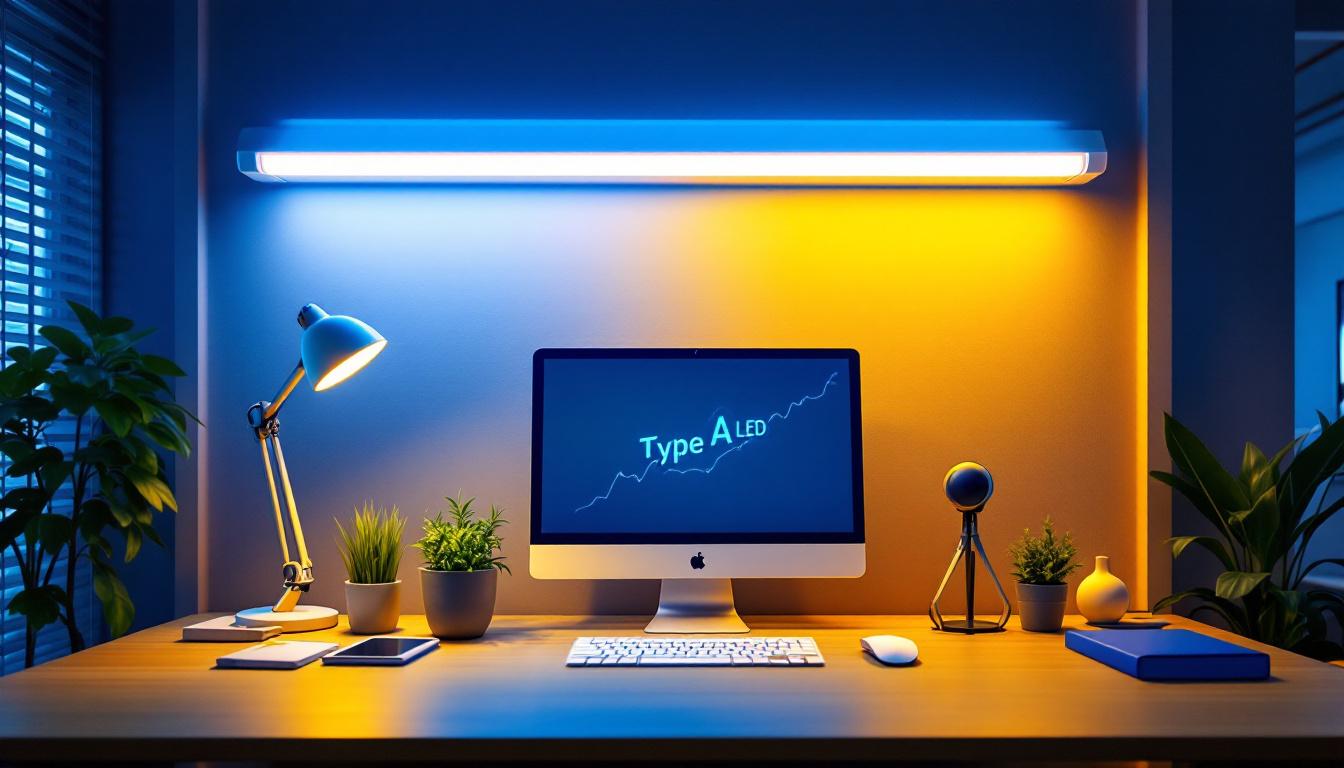
Another critical factor often overlooked by lighting contractors is the color temperature of LED lights. The color temperature, measured in Kelvin (K), affects the ambiance of a space. Warmer tones (around 2700K) create a cozy atmosphere, while cooler tones (above 5000K) can enhance productivity in workspaces.
Contractors should take the time to discuss color temperature options with clients, as the wrong choice can lead to dissatisfaction with the final look. Additionally, the quality of light emitted by LEDs varies, and understanding the difference between high and low CRI (Color Rendering Index) can help contractors select products that showcase colors accurately and beautifully. A higher CRI, typically above 90, ensures that colors appear vibrant and true to life, which is particularly important in settings like art galleries or retail spaces where color perception is crucial. Moreover, the growing trend of tunable white LEDs allows for dynamic adjustments in color temperature throughout the day, aligning with circadian rhythms and enhancing overall well-being in both residential and commercial environments.
Design Considerations for LED Wall Lighting
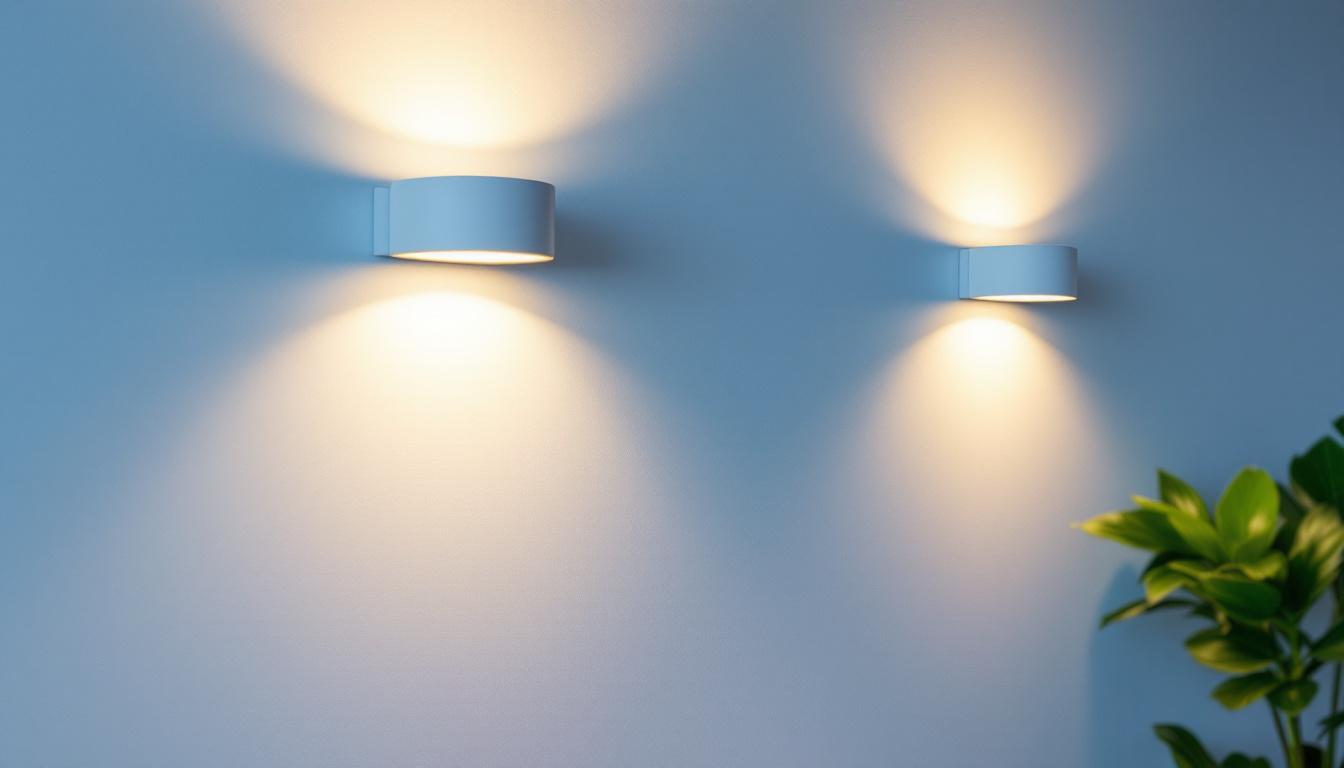
When it comes to wall lighting, design plays a crucial role in achieving the desired effect. Many contractors focus solely on functionality, neglecting the aesthetic aspects that can elevate a space. Thoughtful design considerations can make a significant difference in the overall impact of an LED installation.
Placement and Spacing
Proper placement and spacing of LED fixtures are vital to creating an even distribution of light. Contractors often underestimate the importance of these factors, leading to uneven lighting and shadows that can detract from the overall design. It is essential to take measurements and plan the layout meticulously to ensure optimal lighting coverage.
Additionally, the height at which fixtures are installed can influence the effectiveness of the lighting. For example, wall sconces placed too high may not provide adequate illumination for tasks, while those placed too low can create harsh shadows. Contractors should consider the intended use of the space and the activities that will take place there when determining fixture placement. Furthermore, the color temperature of the LED lights can also affect how light is perceived in a room. Warmer tones can create a cozy and inviting atmosphere, while cooler tones may be more suitable for modern, minimalist designs. Experimenting with different color temperatures can help achieve the perfect ambiance for any environment.
Layered Lighting Techniques
Layered lighting is a technique that combines ambient, task, and accent lighting to create a well-balanced illumination scheme. Many contractors overlook this approach, opting for a single type of lighting that fails to address the diverse needs of a space. By incorporating multiple layers of light, contractors can enhance the functionality and aesthetic appeal of a room.
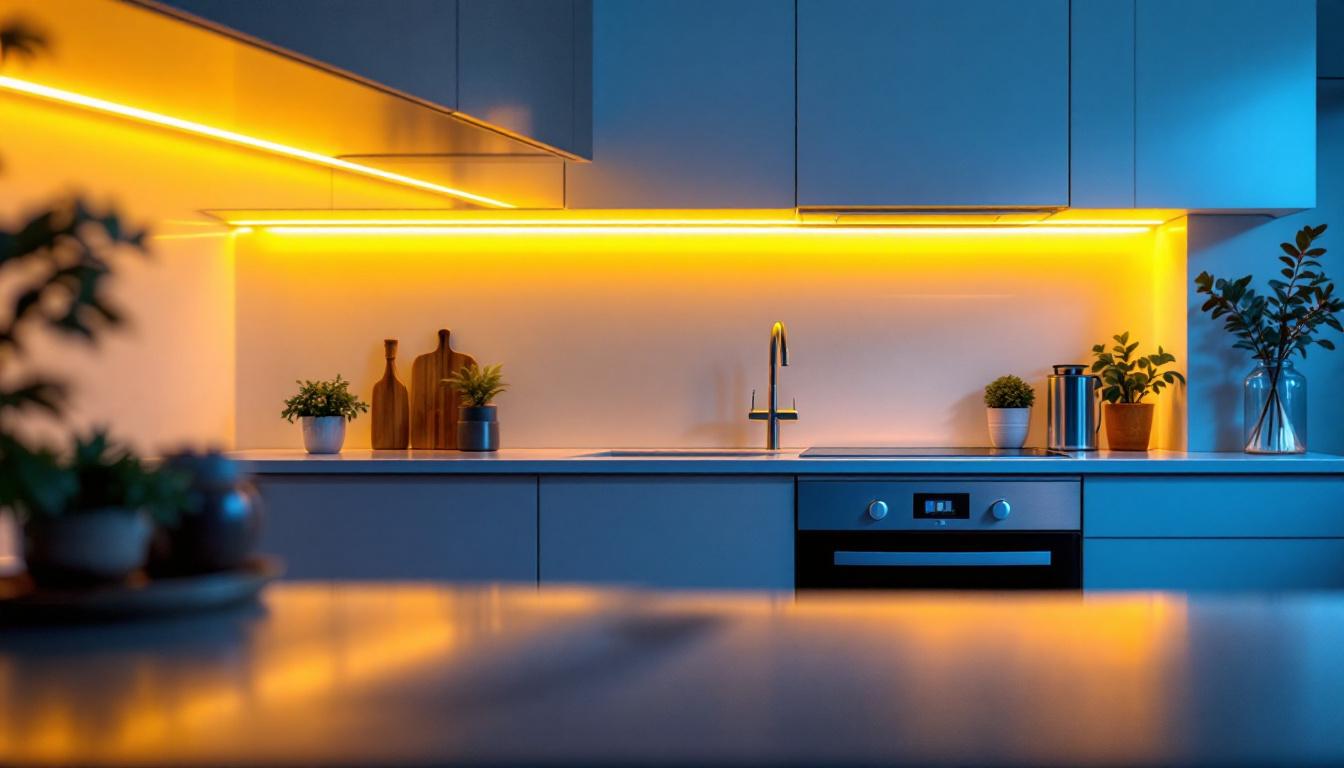
For instance, ambient lighting provides general illumination, while task lighting focuses on specific areas where activities occur. Accent lighting, on the other hand, draws attention to architectural features or artwork. By combining these elements, contractors can create a dynamic and inviting atmosphere that meets the needs of the occupants. Moreover, the use of dimmers can further enhance the versatility of layered lighting, allowing occupants to adjust the brightness according to their mood or the time of day. This flexibility not only improves the usability of the space but also contributes to energy efficiency, as lights can be dimmed rather than turned off completely, extending their lifespan and reducing electricity costs.
The Role of Dimming and Control Systems
Dimming capabilities and control systems are often underestimated in the design of LED lighting installations. The ability to adjust light levels can significantly enhance the functionality and ambiance of a space. Many contractors fail to educate clients about the benefits of integrating dimmers and smart controls into their lighting systems.
Benefits of Dimming
Dimming not only allows for customization of light levels based on the time of day or activity but also contributes to energy savings. Lowering the brightness of LED lights can reduce energy consumption and extend the lifespan of the fixtures. Contractors should emphasize these advantages when discussing options with clients.
Moreover, dimming can enhance the overall experience of a space. For example, in a dining area, softer lighting can create a more intimate atmosphere, while brighter light may be preferred during meal preparation. Understanding the versatility of dimming can help contractors provide tailored solutions that meet the specific needs of their clients.
Smart Lighting Solutions
With the rise of smart home technology, integrating smart lighting solutions into LED installations has become increasingly popular. These systems allow users to control their lighting remotely, set schedules, and even adjust colors to match their mood. However, many contractors overlook the potential of these systems, missing an opportunity to offer clients cutting-edge solutions.
Smart lighting not only enhances convenience but also offers energy management features that can lead to significant savings. By educating clients about the possibilities of smart lighting, contractors can position themselves as forward-thinking professionals who are attuned to the latest trends in the industry.
Choosing the Right Fixtures
The selection of fixtures is a crucial aspect of any LED lighting project. Contractors often default to standard options without considering the unique characteristics of the space or the specific needs of the client. Taking the time to explore various fixture styles, sizes, and finishes can lead to more successful installations.
Fixture Styles and Aesthetics
LED fixtures come in a wide range of styles, from sleek and modern to classic and ornate. Contractors should consider the overall design theme of the space when selecting fixtures. A well-chosen fixture can serve as a focal point, enhancing the visual appeal of the room.
Additionally, the finish of the fixtures can impact the quality of light. For example, matte finishes can diffuse light more evenly, while glossy finishes may create hotspots. Understanding the interplay between fixture style and finish can help contractors make informed decisions that elevate the overall lighting design.
Size and Scale
The size and scale of fixtures are equally important considerations. A large fixture in a small room can overwhelm the space, while tiny fixtures in a vast area may go unnoticed. Contractors should take measurements and consider the proportions of the room when selecting fixtures to ensure a harmonious balance.
Furthermore, the height at which fixtures are installed can affect their visual impact. For instance, pendant lights should be hung at an appropriate height to avoid obstructing views while providing adequate illumination. Paying attention to these details can enhance the functionality and aesthetics of the lighting design.
Common Mistakes to Avoid
Even experienced lighting contractors can fall into common pitfalls when working with LED wall lighting. Recognizing these mistakes can help ensure successful installations and satisfied clients.
Neglecting the Importance of Testing
One of the most significant oversights is neglecting to test the lighting before finalizing the installation. Many contractors assume that the chosen fixtures will perform as expected, leading to potential issues down the line. Testing the lighting in various scenarios can help identify any shortcomings and allow for adjustments before the project is completed.
Additionally, testing can reveal how the lighting interacts with the colors and textures of the space. Different surfaces can reflect light differently, and understanding these interactions can lead to more informed decisions about fixture placement and selection.
Ignoring Client Feedback
Client feedback is invaluable in the lighting design process. Contractors who overlook this aspect may miss opportunities to refine their designs and better meet the needs of their clients. Engaging clients in discussions about their preferences and expectations can lead to more successful outcomes.
Moreover, involving clients in the decision-making process fosters a sense of ownership and satisfaction with the final result. Contractors should prioritize communication and collaboration to ensure that the lighting design aligns with the client’s vision.
Conclusion: Elevating LED Lighting Installations
In conclusion, while LED lighting offers numerous advantages, there are several critical aspects that lighting contractors often overlook. From understanding energy efficiency and color temperature to considering design elements and control systems, contractors have the opportunity to elevate their installations by addressing these factors.
By taking a holistic approach to LED wall lighting, contractors can provide clients with tailored solutions that enhance both functionality and aesthetics. Emphasizing the importance of testing, client feedback, and thoughtful fixture selection can lead to successful projects and satisfied customers.
As the demand for LED lighting continues to grow, staying informed about the latest trends and technologies will be essential for lighting contractors. By prioritizing education and communication, contractors can position themselves as trusted experts in the field, ultimately leading to more successful installations and lasting client relationships.
Get Your Premium LED Lighting at LumenWholesale
Ready to take your LED wall lighting installations to the next level? At LumenWholesale, we provide lighting contractors with the high-quality, specification-grade lighting products you need to exceed client expectations. Say goodbye to local distributor markups and hello to our unbeatable wholesale prices. Our extensive selection not only meets but surpasses industry standards, ensuring your projects shine with reliability and performance. Plus, with free shipping on bulk orders, you can stock up on superior lighting solutions at the best value—no hidden fees, no compromises. Elevate your lighting game today and experience the best in wholesale lighting at LumenWholesale.