As a lighting contractor, understanding the nuances of ceiling fan lights in living rooms can set you apart from the competition. This article delves into the essential aspects of ceiling fan lights, offering insights and secrets that can elevate your expertise and service offerings.
Understanding Ceiling Fan Lights
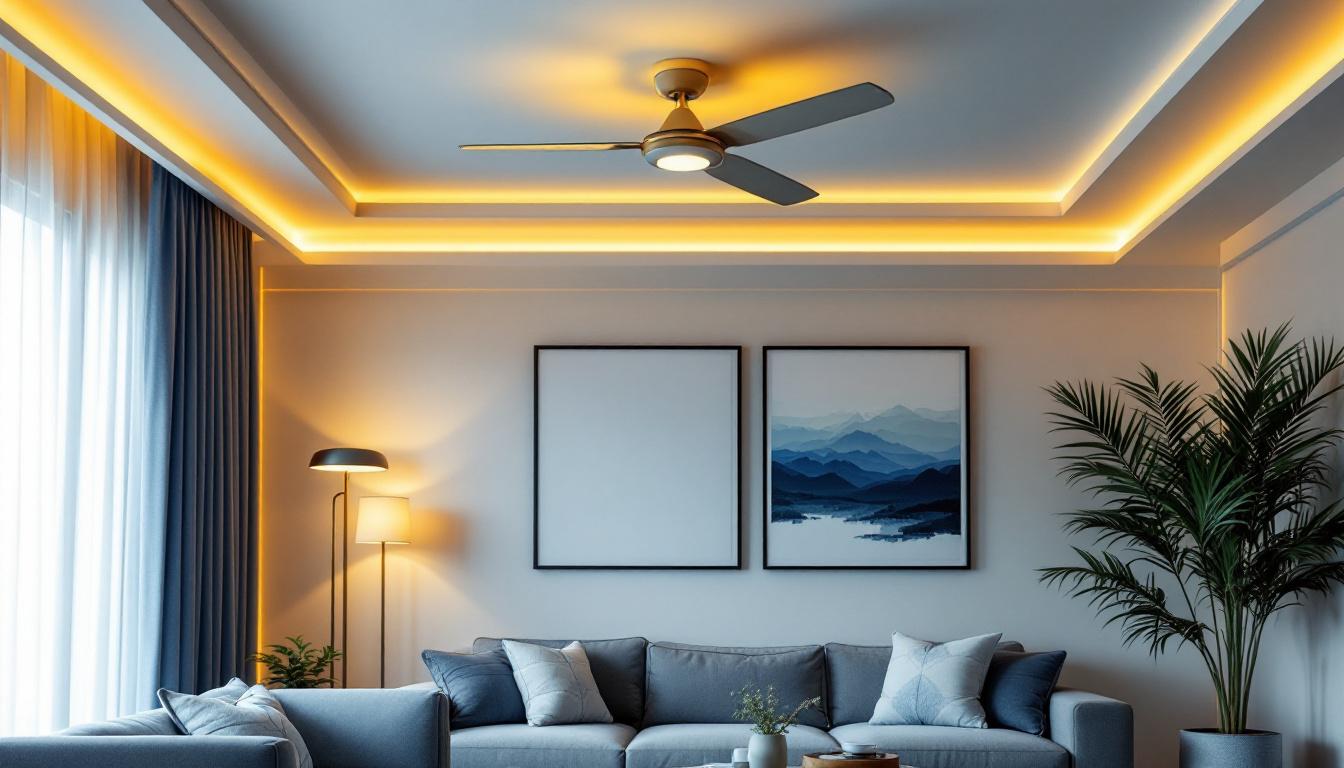
Ceiling fan lights serve a dual purpose: they provide illumination and enhance the aesthetic appeal of a room. When installed correctly, they can create a warm, inviting atmosphere while also ensuring adequate lighting for various activities. However, selecting the right ceiling fan light can be a daunting task, given the myriad of options available in the market.
Types of Ceiling Fan Lights
There are several types of ceiling fan lights, each designed to cater to different needs and preferences. The most common types include integrated lights, light kits, and decorative fixtures. Integrated lights are built directly into the fan, offering a sleek and modern look. Light kits, on the other hand, can be added to existing fans, providing flexibility in design and functionality. Decorative fixtures add a unique touch, allowing homeowners to express their personal style.
When advising clients, it’s essential to understand their specific needs. Some may prioritize energy efficiency, while others might focus on aesthetics. By being knowledgeable about the various types of ceiling fan lights, contractors can make informed recommendations that align with their clients’ preferences. Additionally, it’s worth noting that the placement of the ceiling fan light can significantly impact the overall lighting scheme of a room. For instance, positioning the light source closer to seating areas can enhance visibility for reading or socializing, while a more centralized location may provide a uniform glow throughout the space.
Choosing the Right Bulbs
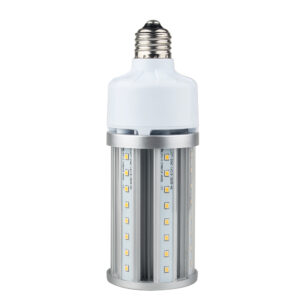
The choice of bulbs is crucial in achieving the desired ambiance in a living room. LED bulbs are becoming increasingly popular due to their energy efficiency and longevity. They emit less heat and are available in various color temperatures, allowing for customization of the lighting atmosphere. Contractors should educate clients about the benefits of LED bulbs, including their cost-effectiveness over time. Moreover, dimmable LED options can provide even greater flexibility, enabling homeowners to adjust the brightness according to the time of day or occasion.
Another option is incandescent bulbs, which provide a warm, inviting glow but consume more energy. While they may be preferred for their warm light, it’s essential to inform clients about the long-term implications of energy consumption. Offering a balanced view of the pros and cons of each bulb type can help clients make informed decisions. Additionally, clients may also want to consider smart bulbs, which can be controlled via smartphone apps or voice commands, adding a layer of convenience and modernity to their lighting solutions. This technology allows users to set schedules, change colors, and even sync lights with music or movies, creating a dynamic environment that can adapt to any mood or activity.
Installation Best Practices
Proper installation of ceiling fan lights is critical for both functionality and safety. A well-installed ceiling fan light not only enhances the room’s aesthetic but also ensures optimal performance. Lighting contractors should adhere to best practices to guarantee a successful installation.
Mounting Techniques
When mounting a ceiling fan light, it’s vital to ensure that the fan is securely attached to the ceiling. Using a ceiling fan-rated box is essential, as it can support the weight of the fan and light fixture. This is particularly important in living rooms where the ceiling fan may be used frequently.
Additionally, contractors should consider the height of the ceiling. For standard 8-foot ceilings, the fan should be installed approximately 7 to 9 feet above the floor. In rooms with higher ceilings, a downrod may be necessary to achieve the optimal height. Ensuring proper mounting not only enhances safety but also improves the overall performance of the ceiling fan light.
Wiring Considerations
Wiring is another critical aspect of ceiling fan light installation. Contractors must ensure that the electrical connections are secure and comply with local codes. Properly connecting the wiring can prevent issues such as flickering lights or, worse, electrical fires. It’s advisable to use wire nuts and electrical tape to secure connections and prevent accidental disconnections.
Moreover, understanding the different wiring configurations is essential. Some ceiling fans come with remote control capabilities, requiring additional wiring considerations. Educating clients about these options can enhance their experience and satisfaction with the installation.
Design Considerations
Design plays a significant role in the selection and installation of ceiling fan lights. The right design can complement the living room’s décor and enhance its overall aesthetic. Lighting contractors should be well-versed in design principles to provide valuable insights to their clients.
Style Matching
When selecting ceiling fan lights, it’s crucial to match the style of the fan with the overall décor of the living room. For instance, a modern fan with sleek lines pairs well with contemporary furnishings, while a rustic fan may complement a farmhouse-style room. Contractors should encourage clients to consider the existing décor and select fixtures that harmonize with their style.
Furthermore, color and finish are essential elements to consider. Brushed nickel, oil-rubbed bronze, and white finishes can all create different moods and aesthetics. By guiding clients in their selection process, contractors can help them achieve a cohesive look that enhances the beauty of their living space.
Light Distribution
Effective light distribution is vital for creating the right ambiance in a living room. Ceiling fan lights should provide adequate illumination without creating harsh shadows or overly bright spots. Contractors should educate clients about the importance of light placement and how it affects the overall atmosphere of the room.
For instance, using multiple bulbs or adjustable fixtures can enhance light distribution. Additionally, dimmer switches can provide flexibility, allowing homeowners to adjust the brightness according to their needs. By incorporating these elements into their designs, contractors can elevate the functionality and aesthetics of ceiling fan lights.
Energy Efficiency and Sustainability
In today’s environmentally conscious world, energy efficiency is a significant consideration for homeowners. Lighting contractors should be equipped with knowledge about sustainable practices and energy-efficient options to meet the growing demand for eco-friendly solutions.
Energy-Efficient Options
As mentioned earlier, LED bulbs are an excellent choice for energy efficiency. They consume significantly less energy than traditional incandescent bulbs and have a longer lifespan, making them a cost-effective option in the long run. Contractors should promote the benefits of LED technology to clients, highlighting both environmental and financial advantages.
Additionally, smart lighting systems are gaining popularity. These systems allow homeowners to control their lighting remotely, set schedules, and even adjust brightness levels based on the time of day. By integrating smart technology into their offerings, contractors can appeal to tech-savvy clients looking for modern solutions.
Recycling and Disposal
Proper disposal of old fixtures and bulbs is another aspect of sustainability that contractors should address. Many communities have recycling programs for electronic waste, including light fixtures and bulbs. Educating clients about these options can enhance their overall experience and demonstrate a commitment to environmental responsibility.
Contractors can also consider partnering with local recycling programs to facilitate the disposal of old lighting fixtures. This not only helps the environment but also positions contractors as responsible and community-oriented professionals.
Common Challenges and Solutions
Even experienced lighting contractors encounter challenges during ceiling fan light installations. Understanding these common issues and having solutions at hand can streamline the process and enhance client satisfaction.
Noise Issues
One common challenge is noise generated by ceiling fans. This can be particularly problematic in living rooms where tranquility is desired. Contractors should ensure that fans are properly balanced during installation, as an unbalanced fan can create excessive noise. Additionally, using high-quality components can minimize vibrations that lead to noise.
If noise persists, contractors should be prepared to troubleshoot. This may involve checking the mounting hardware, ensuring that all screws are tightened, and verifying that the fan blades are not warped. Providing clients with guidance on maintenance can also help mitigate noise issues in the long run.
Inconsistent Lighting
Another challenge is inconsistent lighting, which can occur due to improper bulb selection or placement. Contractors should assess the room’s layout and recommend appropriate bulb types and wattages to achieve even lighting. Conducting a lighting audit before installation can help identify potential issues and ensure optimal results.
Furthermore, educating clients about the importance of regular maintenance, such as cleaning bulbs and fixtures, can help maintain consistent lighting over time. By addressing these challenges proactively, contractors can enhance their reputation and build lasting client relationships.
Conclusion
Mastering the art of ceiling fan lights in living rooms requires a combination of technical knowledge, design expertise, and an understanding of client needs. By staying informed about the latest trends, technologies, and best practices, lighting contractors can provide exceptional service and stand out in a competitive market.
From selecting the right fixtures and bulbs to ensuring proper installation and addressing common challenges, every aspect plays a crucial role in delivering a successful project. By implementing the secrets shared in this article, contractors can elevate their skills and enhance the overall experience for their clients.
Ultimately, the goal is to create beautiful, functional, and energy-efficient living spaces that meet the diverse needs of homeowners. With dedication and a commitment to excellence, lighting contractors can master the art of ceiling fan lights and leave a lasting impact on their clients’ homes.
Illuminate Your Projects with LumenWholesale
Ready to take your lighting projects to the next level? At LumenWholesale, we provide lighting contractors like you with the highest quality, spec-grade ceiling fan lights and more, all at unbeatable wholesale prices. Say goodbye to local distributor markups and hello to a vast selection of reliable, high-performance lighting that meets the strictest industry standards. Plus, with free shipping on bulk orders, you can stock up on premium lighting solutions without worrying about hidden fees or compromises. Elevate your service offerings and delight your clients with the perfect blend of quality, affordability, and convenience. Discover the best value in wholesale lighting by visiting Wholesale Lighting at the Best Value today!