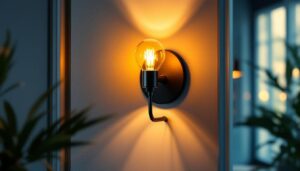
Fluorescent Bulbs: The Growing Importance in the Lighting Industry
In recent years, the lighting industry has witnessed a significant shift towards energy-efficient solutions, with fluorescent bulbs leading the charge. These bulbs have become increasingly important in various applications, from residential to commercial spaces, due to their efficiency, longevity, and versatility. As lighting contractors, understanding the benefits and applications of fluorescent bulbs is essential for staying competitive in this evolving market.
The Advantages of Fluorescent Bulbs
Fluorescent bulbs offer a plethora of advantages that make them a preferred choice for many lighting applications. Their efficiency and lifespan are among the most compelling reasons for their growing popularity.
Energy Efficiency
One of the most significant benefits of fluorescent bulbs is their energy efficiency. Compared to traditional incandescent bulbs, fluorescent lights consume up to 75% less energy while providing the same amount of light. This efficiency translates into lower electricity bills for consumers and businesses alike, making them an attractive option for cost-conscious clients.
Moreover, the reduced energy consumption contributes to a lower carbon footprint, aligning with the global push towards sustainability. As more individuals and organizations prioritize eco-friendly solutions, the demand for energy-efficient lighting options like fluorescent bulbs is expected to rise. In addition to their energy-saving capabilities, fluorescent bulbs can also be integrated with smart lighting systems, allowing users to control their lighting remotely and further optimize energy usage based on real-time needs.
Longevity and Durability
Fluorescent bulbs also boast a longer lifespan than their incandescent counterparts. Typically, a fluorescent bulb can last anywhere from 7,000 to 15,000 hours, depending on usage and operating conditions. This longevity means fewer replacements and less waste, which is a significant advantage for both contractors and clients.
Additionally, fluorescent bulbs are designed to withstand more wear and tear compared to traditional bulbs. They are less prone to breakage and can operate effectively in various environments, making them suitable for both indoor and outdoor applications. Their versatility extends to various settings, from commercial spaces like offices and retail stores to residential areas, where they can illuminate kitchens, garages, and basements. Furthermore, advancements in technology have led to the development of compact fluorescent lamps (CFLs) that fit standard light fixtures, providing even more options for consumers looking to upgrade their lighting without extensive renovations.
Applications of Fluorescent Bulbs
The versatility of fluorescent bulbs allows them to be used in a wide range of applications. From residential settings to large commercial spaces, their adaptability makes them a valuable asset for lighting contractors.
Residential Use
In residential settings, fluorescent bulbs are often used in kitchens, bathrooms, and garages. Their bright, white light can enhance visibility in areas where clarity is crucial. Furthermore, the energy savings associated with fluorescent lighting can appeal to homeowners looking to reduce their utility bills.
Many homeowners are also drawn to the variety of fluorescent bulb styles available, including compact fluorescent lamps (CFLs) and linear fluorescent tubes. This variety allows for creative lighting solutions that can complement any home décor. Additionally, some fluorescent bulbs are designed to mimic natural daylight, which can create a more inviting atmosphere in living spaces. This feature is particularly beneficial in areas where natural light is limited, helping to uplift moods and improve overall well-being.
Commercial and Industrial Applications
Fluorescent bulbs are particularly popular in commercial and industrial environments. Retail stores, warehouses, and offices benefit from the bright, efficient lighting that these bulbs provide. In large spaces, the ability to illuminate effectively while minimizing energy costs is a significant advantage.
Moreover, fluorescent bulbs are often used in specialized settings such as laboratories and manufacturing facilities, where specific lighting requirements must be met. Their ability to produce consistent, high-quality light makes them ideal for tasks that require precision and accuracy. In addition, many fluorescent fixtures are designed to be easily integrated into existing lighting systems, allowing businesses to upgrade their lighting without incurring substantial renovation costs. This adaptability not only streamlines the installation process but also ensures that companies can maintain optimal working conditions while adhering to energy efficiency standards.
Furthermore, the use of fluorescent lighting in educational institutions has gained traction, as it provides a bright and stimulating environment conducive to learning. Classrooms equipped with fluorescent bulbs can enhance focus and concentration among students, making them an excellent choice for schools aiming to create an engaging atmosphere. Additionally, the longevity of fluorescent bulbs means that maintenance costs are reduced, allowing educational facilities to allocate resources to other important areas.
Fluorescent Bulbs vs. Other Lighting Technologies
While fluorescent bulbs offer numerous benefits, they are not the only option available in the lighting market. Understanding how they compare to other technologies, such as LED and incandescent bulbs, is crucial for making informed decisions.
Comparison with LED Lighting
LED lighting has gained significant traction in recent years, often touted as the superior energy-efficient option. While it is true that LED bulbs consume even less energy than fluorescent bulbs and have a longer lifespan, fluorescent lighting still holds its ground in certain applications.
For instance, fluorescent bulbs typically have a lower initial cost compared to LEDs, making them a more accessible option for budget-conscious projects. Additionally, in some commercial settings, the warm light produced by fluorescent bulbs may be preferred over the cooler tones of LED lighting, which can sometimes feel harsh. Moreover, fluorescent lights are often used in large-scale applications such as warehouses and retail spaces, where their ability to illuminate wide areas effectively can be a significant advantage. The diffuse light produced by fluorescent tubes can help reduce shadows and create a more uniform lighting environment, which is particularly beneficial in workspaces where visibility is crucial.
Comparison with Incandescent Bulbs
When compared to incandescent bulbs, fluorescent lighting is a clear winner in terms of efficiency and longevity. Incandescent bulbs are rapidly becoming obsolete due to their high energy consumption and short lifespan. The transition away from incandescent lighting has paved the way for fluorescent bulbs to take center stage.
However, it is essential to note that incandescent bulbs still have their place in specific applications where warm light and instant brightness are required. For example, in residential settings where ambiance is key, some homeowners may still prefer the soft glow of incandescent lighting. Additionally, the dimming capabilities of incandescent bulbs can create a cozy atmosphere that is often sought after in living rooms and dining areas. Furthermore, while fluorescent bulbs can sometimes take a moment to reach full brightness, incandescent bulbs provide immediate light, making them ideal for spaces where instant illumination is necessary, such as hallways or entryways. This immediate response can be particularly advantageous in homes with children or elderly residents who may require quick access to light at any given moment.
Challenges and Considerations
Despite their many advantages, fluorescent bulbs are not without challenges. Lighting contractors must be aware of these issues to provide the best solutions for their clients.
Environmental Concerns
Fluorescent bulbs contain small amounts of mercury, which poses environmental risks if not disposed of properly. As a lighting contractor, it is crucial to educate clients about the importance of recycling these bulbs to minimize their environmental impact. Many communities offer recycling programs specifically for fluorescent lighting, and contractors can play a vital role in guiding clients towards responsible disposal methods.
Flickering and Warm-Up Time
Another consideration is the flickering and warm-up time associated with some fluorescent bulbs. While modern technology has improved the performance of fluorescent lighting, certain types may still experience flickering, particularly in colder temperatures. This can be a concern in settings where consistent lighting is essential.
Contractors should be aware of these potential issues and recommend high-quality fluorescent options that minimize flickering and provide quicker warm-up times. This approach ensures that clients receive the best possible lighting experience.
The Future of Fluorescent Lighting
As the lighting industry continues to evolve, the future of fluorescent bulbs remains promising. While LED technology may dominate the market, fluorescent bulbs will continue to play a vital role in various applications.
Innovation and Development
Ongoing research and development in fluorescent lighting technology aim to enhance performance and reduce environmental impact. Innovations such as improved phosphor coatings and electronic ballasts are making fluorescent bulbs more efficient and reliable than ever.
Lighting contractors should stay informed about these advancements to offer clients the latest and most effective solutions. By embracing innovation, contractors can position themselves as leaders in the industry and meet the changing needs of their clients.
Integration with Smart Technology
As smart home technology becomes increasingly popular, the integration of fluorescent bulbs with smart systems presents new opportunities. Smart fluorescent bulbs that can be controlled remotely or programmed for specific lighting scenarios are emerging in the market.
Contractors who are knowledgeable about these smart solutions can provide added value to their clients, offering customized lighting experiences that enhance convenience and energy savings. This integration will likely become a significant trend in the coming years, making it essential for contractors to stay ahead of the curve.
Conclusion
Fluorescent bulbs have established themselves as a crucial component of the lighting industry, offering energy efficiency, longevity, and versatility. As lighting contractors, understanding the advantages and applications of these bulbs is essential for providing clients with effective solutions.
While challenges exist, the ongoing innovation and development in fluorescent technology, coupled with the potential for integration with smart systems, ensure that these bulbs will remain relevant in the evolving landscape of lighting. By staying informed and adaptable, contractors can continue to thrive in a competitive market and meet the diverse needs of their clients.
Illuminate Your Projects with LumenWholesale
Ready to enhance your lighting solutions with the efficiency and versatility of fluorescent bulbs? Look no further than LumenWholesale for all your lighting needs. We provide contractors with the highest quality, spec-grade lighting products at unbeatable wholesale prices. Say goodbye to local distributor markups and hello to superior lighting products that meet the highest industry standards. With LumenWholesale, bulk buying is a breeze, thanks to our hassle-free free shipping. Don’t compromise on quality or price. Click now to discover our extensive selection and experience the perfect blend of quality, affordability, and convenience at Wholesale Lighting at the Best Value.