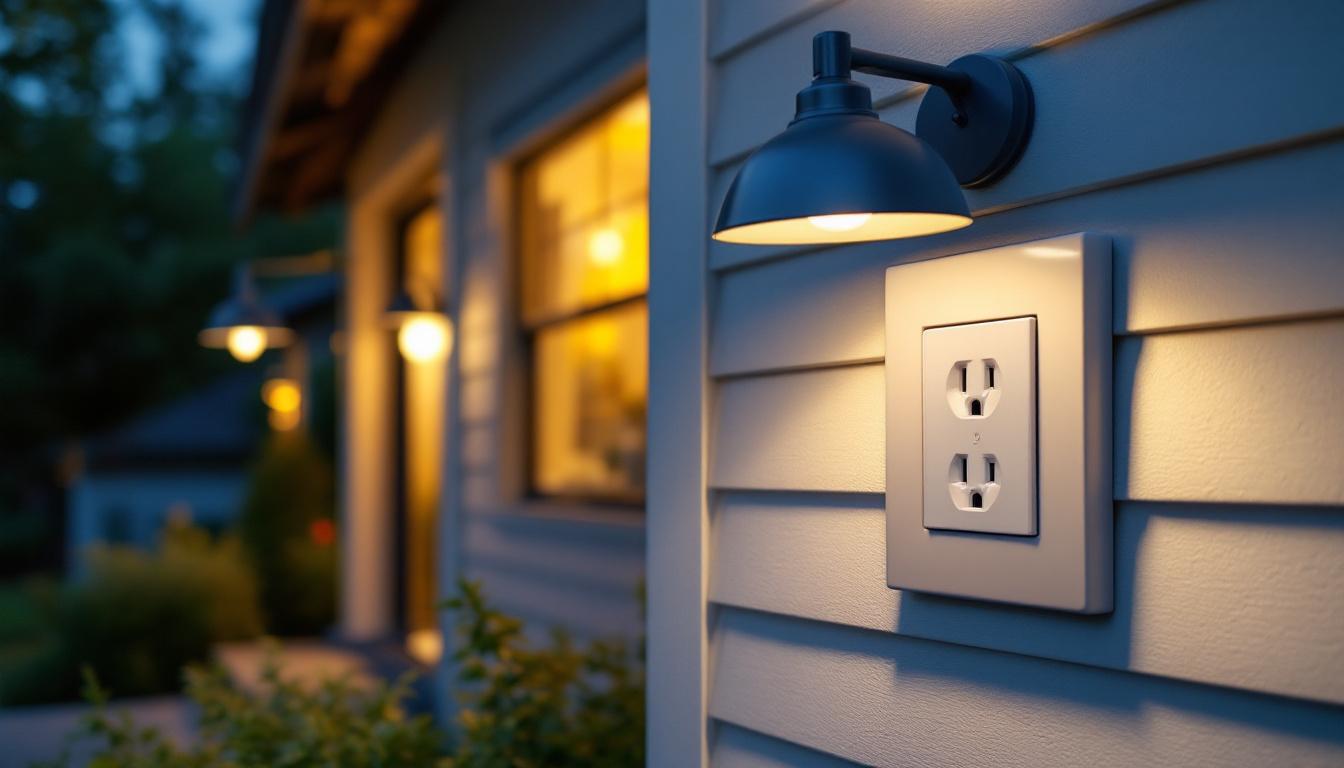
In the world of electrical installations, flush mount exterior outlet boxes play a crucial role in ensuring safety, functionality, and aesthetic appeal. For lighting contractors, understanding the nuances of these boxes is essential for delivering high-quality work that meets both client expectations and regulatory standards. This article delves into key tips that can enhance the installation process and overall effectiveness of flush mount exterior outlet boxes.
Understanding Flush Mount Exterior Outlet Boxes
Flush mount exterior outlet boxes are designed to be installed flush with the surface of the exterior wall. This design not only provides a clean and unobtrusive appearance but also protects the electrical components from environmental factors. These boxes are typically made from durable materials that can withstand various weather conditions, making them ideal for outdoor applications. The installation process is straightforward, allowing for a seamless integration into the building’s facade, which is particularly beneficial for homeowners looking to maintain a cohesive aesthetic.
Benefits of Using Flush Mount Boxes
One of the primary advantages of flush mount exterior outlet boxes is their ability to blend seamlessly with the building’s exterior. This feature is particularly important for residential projects where aesthetics are a priority. Additionally, flush mount boxes minimize the risk of damage to the outlet from external elements, such as rain or snow, thereby enhancing the longevity of the installation. This durability is crucial for homeowners who wish to avoid frequent repairs or replacements, ultimately saving time and money in the long run.
Moreover, these boxes often come with integrated weatherproof covers, providing an extra layer of protection. This is essential for outdoor lighting applications, where moisture and debris can compromise the functionality of standard outlets. By utilizing flush mount boxes, lighting contractors can ensure that their installations are not only visually appealing but also robust and reliable. Furthermore, the ease of access to these outlets encourages homeowners to utilize outdoor electrical power for various activities, such as holiday lighting, outdoor cooking, or even powering tools for yard work, thereby enhancing the usability of outdoor spaces.
Types of Flush Mount Boxes
There are several types of flush mount exterior outlet boxes available on the market, each designed for specific applications. The most common types include standard outlet boxes, GFCI (Ground Fault Circuit Interrupter) boxes, and weatherproof boxes. Understanding the differences between these types is crucial for selecting the right box for each project. For instance, while standard outlet boxes are suitable for general use, they may not provide the necessary protection in areas prone to moisture exposure.
Standard outlet boxes are suitable for general use, while GFCI boxes are essential for areas where water exposure is likely, as they provide an added layer of safety by preventing electrical shocks. Weatherproof boxes, on the other hand, are specifically designed to protect outlets from the elements, making them ideal for outdoor lighting installations. Choosing the right type of box can significantly impact the safety and functionality of the electrical system. Additionally, some flush mount boxes are designed with built-in surge protection, which can be particularly beneficial in regions prone to thunderstorms or electrical surges, ensuring that your outdoor equipment remains safe and operational. This variety allows homeowners and contractors to tailor their electrical solutions to meet specific needs and environmental conditions, enhancing both safety and convenience in outdoor electrical installations.
Installation Best Practices
Proper installation of flush mount exterior outlet boxes is critical to ensure safety and compliance with electrical codes. Lighting contractors should adhere to best practices during the installation process to avoid common pitfalls and ensure a successful outcome.
Planning the Installation Location
Before installation, careful planning of the outlet location is essential. Consider factors such as accessibility, proximity to power sources, and the intended use of the outlet. For example, outlets intended for outdoor lighting should be positioned where they can easily connect to light fixtures while remaining accessible for maintenance.
Additionally, it is important to avoid placing outlets in areas that may be prone to water accumulation or debris. Conducting a thorough site assessment can help identify the most suitable locations for installation, thereby enhancing the overall effectiveness of the outlet. Furthermore, considering the aesthetic aspects of the installation can also play a significant role. Outlets should be positioned in a way that complements the overall design of the outdoor space, ensuring they blend seamlessly with landscaping or architectural features. This attention to detail not only improves functionality but also enhances the visual appeal of the installation.
Ensuring Compliance with Codes
Electrical codes and regulations vary by region, and it is vital for lighting contractors to stay informed about the specific requirements in their area. Compliance with these codes not only ensures safety but also protects contractors from potential liabilities.
For instance, the National Electrical Code (NEC) outlines specific guidelines for outdoor electrical installations, including the use of GFCI outlets in wet locations. Familiarizing oneself with these codes can help contractors avoid costly mistakes and ensure that their work passes inspections. Additionally, contractors should document their compliance efforts, maintaining records of inspections and any correspondence with local authorities. This documentation can be invaluable in the event of disputes or inspections, providing proof of adherence to safety standards and regulations.
Utilizing the Right Tools and Materials
Using the appropriate tools and materials is critical for a successful installation. Lighting contractors should invest in high-quality flush mount exterior outlet boxes that meet industry standards. Additionally, having the right tools on hand—such as drills, wire strippers, and screwdrivers—can streamline the installation process and reduce the likelihood of errors.
Moreover, contractors should ensure that all wiring and connections are made with weather-resistant materials to prevent corrosion and ensure long-lasting performance. Taking the time to select the right tools and materials can significantly enhance the quality of the installation. In addition to standard tools, incorporating advanced technology such as voltage testers and circuit analyzers can further enhance safety and efficiency during the installation process. These tools help identify potential issues before they become problems, ensuring that the installation is not only compliant but also reliable and safe for long-term use. Furthermore, investing in training and education on the latest installation techniques and materials can empower contractors to stay ahead in a rapidly evolving industry, ultimately benefiting their clients and their business reputation.
Maintenance and Troubleshooting
Even the most carefully installed flush mount exterior outlet boxes may require maintenance or troubleshooting over time. Understanding common issues and their solutions can help lighting contractors provide ongoing support to their clients.
Regular Inspections
Conducting regular inspections of exterior outlet boxes is essential for identifying potential problems before they escalate. Contractors should encourage clients to check for signs of wear, such as cracks in the box or corrosion on the outlets. Regular maintenance can help extend the lifespan of the installation and ensure continued safety.
During inspections, it is also important to check the functionality of GFCI outlets, as these devices can sometimes trip or fail. Testing the outlets regularly can help ensure that they are operating correctly and providing the necessary protection against electrical shocks.
Common Issues and Solutions
Some common issues that may arise with flush mount exterior outlet boxes include water ingress, loose connections, and tripped GFCI outlets. Water ingress can often be mitigated by ensuring that the box is properly sealed and that the weatherproof cover is securely in place.
Loose connections can lead to intermittent power supply, which may frustrate clients. Ensuring that all connections are tight and secure during installation can help prevent this issue. If a GFCI outlet trips frequently, it may indicate a ground fault or a problem with the connected device. In such cases, troubleshooting the connected equipment or replacing the outlet may be necessary.
Enhancing Aesthetic Appeal
While functionality and safety are paramount, the aesthetic appeal of flush mount exterior outlet boxes should not be overlooked. Lighting contractors can play a significant role in ensuring that these installations complement the overall design of the property.
Choosing the Right Finish
Flush mount boxes come in various finishes, including metallic, plastic, and painted options. Selecting a finish that matches or complements the building’s exterior can enhance the overall visual appeal. For instance, a sleek metallic finish may be ideal for modern homes, while a painted box may blend seamlessly with a more traditional aesthetic.
Contractors should also consider the color and style of the weatherproof covers, as these can significantly impact the overall look of the installation. Taking the time to choose finishes that align with the client’s design preferences can elevate the quality of the work.
Integrating with Landscape Design
In addition to considering the building’s exterior, lighting contractors should also think about how flush mount exterior outlet boxes fit into the overall landscape design. Strategically placing outlets can facilitate outdoor lighting that enhances the property’s curb appeal.
For example, placing outlets near pathways or garden areas can allow for decorative lighting that highlights landscaping features. By integrating electrical installations with landscape design, contractors can create a cohesive outdoor environment that meets both functional and aesthetic needs.
Conclusion
Flush mount exterior outlet boxes are an essential component of outdoor electrical installations, particularly for lighting contractors. By understanding the benefits, installation best practices, maintenance requirements, and aesthetic considerations of these boxes, contractors can enhance their service offerings and deliver high-quality results to clients.
Staying informed about the latest trends and technologies in the industry will further empower lighting contractors to make informed decisions and provide exceptional service. Ultimately, a well-executed installation of flush mount exterior outlet boxes not only ensures safety and functionality but also contributes to the overall beauty and value of the property.
Get Your Premium Lighting Supplies at LumenWholesale
Ready to elevate your lighting installations with the highest quality flush mount exterior outlet boxes? Look no further than LumenWholesale, where we offer spec-grade lighting products at unbeatable wholesale prices. With our extensive selection that meets rigorous industry standards, you can ensure each project shines with reliability and performance. Say goodbye to local distributor markups and enjoy the convenience of free shipping on bulk orders. Make your next project a testament to quality and value. Wholesale Lighting at the Best Value is just a click away. Experience the LumenWholesale difference today!