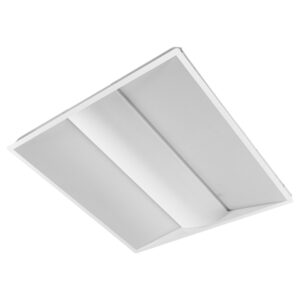
In the world of commercial and industrial lighting, the replacement of 4 ft fluorescent light fixtures is a common task that lighting contractors frequently encounter. Understanding the nuances of this process is essential for ensuring efficiency, safety, and customer satisfaction. This article delves into the key aspects that lighting contractors need to consider when replacing these fixtures, from selecting the right components to adhering to safety regulations.
Understanding Fluorescent Lighting
Fluorescent lighting has been a staple in both residential and commercial settings for decades. Its efficiency and longevity make it a preferred choice for many applications. However, as technology evolves, the need to replace older fixtures becomes inevitable. The introduction of LED technology has sparked a shift in how we view traditional fluorescent lights, prompting many to reconsider their lighting choices. While fluorescent lights have served us well, the benefits of modern alternatives are hard to ignore, especially with growing concerns about energy consumption and environmental impact.
Fluorescent lights operate by passing an electric current through a gas-filled tube, causing it to emit ultraviolet light. This UV light then excites a phosphor coating on the inside of the tube, producing visible light. Understanding this mechanism is crucial for contractors, as it informs decisions about fixture replacement and the selection of compatible components. Moreover, it is important to note that fluorescent lighting can sometimes flicker or hum, which may be a concern for sensitive individuals or in environments requiring quietude. This knowledge can help in selecting the right type of lighting that minimizes such disturbances.
Types of Fluorescent Fixtures
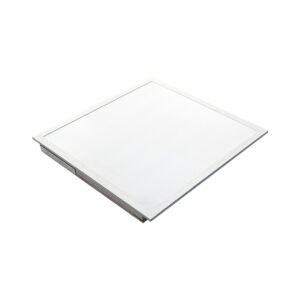
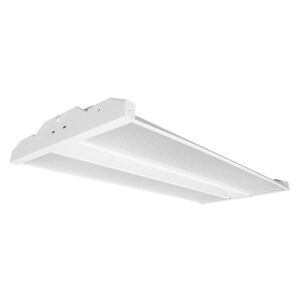
There are several types of 4 ft fluorescent fixtures, including surface-mounted, recessed, and pendant styles. Each type has its own installation requirements and aesthetic considerations. Surface-mounted fixtures are often found in warehouses and retail spaces, while recessed fixtures are common in office environments. Pendant fixtures, on the other hand, provide a more decorative option and can be used to create focal points in a room, making them a popular choice for restaurants and cafes.
When replacing a fixture, it is essential to consider the specific needs of the space. For instance, a surface-mounted fixture may be more appropriate in areas with high ceilings, while recessed fixtures can provide a cleaner look in low-profile settings. Additionally, the layout of the room and the activities that will take place within it should influence the choice of fixtures. Areas requiring detailed work, such as workshops or kitchens, may benefit from fixtures that offer higher lumen outputs and more focused lighting, ensuring that tasks can be performed safely and efficiently.
Choosing the Right Replacement Fixture
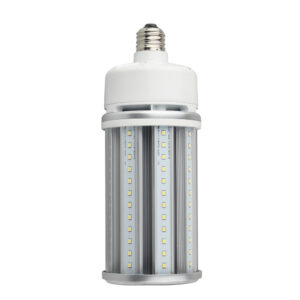
When selecting a replacement fixture, contractors should consider factors such as energy efficiency, lumen output, and color temperature. Energy-efficient options, such as LED retrofits, can provide significant savings on electricity bills while also reducing maintenance costs. These modern alternatives not only last longer but also come in a variety of styles that can mimic the look of traditional fluorescent lights, making the transition smoother for those hesitant to move away from familiar lighting solutions.
Additionally, contractors should evaluate the lumen output to ensure that the new fixture will provide adequate illumination for the intended space. The color temperature, measured in Kelvin, also plays a crucial role in creating the desired ambiance. Warmer tones (around 3000K) are often preferred for residential settings, while cooler tones (5000K and above) are more suitable for commercial applications. It’s also worth noting that the choice of color temperature can impact mood and productivity; for example, cooler light can enhance alertness and concentration, making it ideal for workspaces. Understanding these nuances can help contractors and homeowners alike make informed decisions that enhance both functionality and aesthetics in their lighting choices.
Tools and Equipment Needed
Proper tools and equipment are essential for a successful fluorescent light fixture replacement. Having the right tools on hand not only speeds up the process but also ensures safety and precision.
Essential Tools for Replacement
Common tools required for replacing 4 ft fluorescent fixtures include screwdrivers, pliers, wire strippers, and a voltage tester. A ladder may also be necessary for reaching high ceilings. It is important for contractors to familiarize themselves with these tools and ensure they are in good working condition before starting any project.
In addition to basic tools, specialized equipment such as a circuit tester can help verify that the power is off before beginning the replacement process. This is a critical step in ensuring the safety of both the contractor and the surrounding environment.
Safety Equipment
Safety should always be a top priority during any electrical work. Contractors should wear appropriate personal protective equipment (PPE), including gloves, safety glasses, and hard hats if working in environments where overhead hazards exist.
Moreover, it is advisable to have a first aid kit on hand and to be familiar with emergency procedures. By prioritizing safety, contractors can minimize the risk of accidents and ensure a smooth replacement process.
Step-by-Step Replacement Process
Replacing a 4 ft fluorescent light fixture can be straightforward if approached methodically. Below is a step-by-step guide to ensure a successful installation.
Preparation
Before beginning the replacement, it is essential to gather all necessary tools and materials. Ensure that the new fixture is compatible with the existing electrical setup. If the existing fixture is damaged or outdated, it may be beneficial to upgrade to a more energy-efficient model.
Next, turn off the power to the fixture at the circuit breaker. This step is crucial to prevent electrical shock during the replacement process. Use a voltage tester to confirm that the power is off before proceeding.
Removing the Old Fixture
Once the power is confirmed off, carefully remove the old fixture. This typically involves unscrewing the fixture from its mounting bracket and disconnecting the wiring. Take note of how the wiring is connected, as this will aid in connecting the new fixture.
It is advisable to take a photo of the wiring setup before disconnecting it. This visual reference can be invaluable when reconnecting the new fixture, ensuring that all connections are made correctly.
Installing the New Fixture
After removing the old fixture, install the new one by following the manufacturer’s instructions. Begin by connecting the wiring, ensuring that the connections are secure and properly insulated. Most fixtures will have color-coded wires, making it easier to match them correctly.
Once the wiring is connected, secure the fixture to the mounting bracket and ensure it is level. Finally, replace any covers or diffusers that came with the new fixture. Turn the power back on at the circuit breaker and test the fixture to ensure it operates correctly.
Common Challenges and Solutions
Even with careful planning, contractors may encounter challenges during the replacement process. Being prepared to address these issues can save time and ensure a successful installation.
Dealing with Electrical Issues
One common challenge is encountering unexpected electrical issues, such as faulty wiring or circuit overloads. If the new fixture does not operate after installation, it may be necessary to troubleshoot the electrical system. This could involve checking for loose connections, verifying the circuit breaker, or using a multimeter to test voltage levels.
If electrical problems persist, it may be prudent to consult with a licensed electrician to ensure the safety and functionality of the installation.
Addressing Fixture Size and Fit
Another challenge that contractors may face is ensuring that the new fixture fits correctly in the existing space. If the new fixture is larger or smaller than the previous one, adjustments may need to be made to the mounting hardware or the surrounding area.
In some cases, it may be necessary to patch and repaint the ceiling or wall to accommodate the new fixture’s size. Planning for these potential adjustments can help streamline the replacement process.
Regulatory Compliance and Best Practices
Lighting contractors must adhere to local building codes and regulations when replacing fixtures. Compliance not only ensures safety but also protects contractors from potential legal issues.
Understanding Local Codes
Before beginning any replacement project, contractors should familiarize themselves with local electrical codes and regulations. These codes often dictate specific requirements for fixture installation, including wiring methods, fixture placement, and energy efficiency standards.
Failure to comply with these regulations can result in fines, penalties, and potentially hazardous situations. Therefore, staying informed about local codes is essential for any lighting contractor.
Best Practices for Fixture Replacement
In addition to regulatory compliance, adopting best practices can enhance the quality of work and customer satisfaction. This includes thorough inspections of the existing electrical system, clear communication with clients about the replacement process, and providing recommendations for energy-efficient alternatives.
Furthermore, documenting the replacement process with photographs and notes can be beneficial for future reference and for addressing any client concerns. Such practices not only demonstrate professionalism but also build trust with clients.
Future Trends in Lighting Technology
As technology continues to advance, the landscape of lighting is evolving rapidly. Contractors should stay informed about emerging trends that may impact fixture replacement and overall lighting design.
LED Retrofits and Smart Lighting
One significant trend is the shift towards LED retrofits. Many contractors are now replacing traditional fluorescent fixtures with LED options that offer longer lifespans, lower energy consumption, and reduced maintenance costs. This transition not only benefits clients financially but also contributes to sustainability efforts.
Additionally, smart lighting technology is gaining traction, allowing for greater control over lighting systems. Features such as dimming capabilities, color temperature adjustments, and remote control options are becoming increasingly popular in both residential and commercial applications. Contractors who embrace these technologies will be better positioned to meet the evolving needs of their clients.
Emphasis on Sustainability
As environmental concerns grow, there is a heightened emphasis on sustainability in the lighting industry. Contractors should consider eco-friendly options when selecting fixtures and materials, as well as promoting energy-efficient practices to clients.
By prioritizing sustainability, contractors can not only contribute to a healthier planet but also appeal to environmentally conscious consumers who are seeking responsible lighting solutions.
Conclusion
Replacing 4 ft fluorescent light fixtures is a fundamental task for lighting contractors that requires a blend of technical knowledge, safety awareness, and customer service skills. By understanding the intricacies of fluorescent lighting, preparing adequately, and adhering to best practices and regulations, contractors can ensure successful installations that meet client needs.
Moreover, staying informed about emerging trends and technologies will position contractors for future success in an ever-evolving industry. Embracing energy-efficient solutions and sustainability will not only benefit clients but also enhance the contractor’s reputation in the marketplace.
Ultimately, the ability to navigate the complexities of fixture replacement with confidence and professionalism will set contractors apart in a competitive field. By focusing on quality, safety, and innovation, lighting contractors can thrive in their endeavors and contribute to brighter, more efficient spaces.
Upgrade Your Lighting Projects with LumenWholesale
Ready to elevate your lighting installations with the best in class products? Look no further than LumenWholesale for all your 4 ft fluorescent light fixture replacement needs. We provide lighting contractors with high-quality, specification-grade lighting solutions at unbeatable wholesale prices. Our extensive selection is designed to meet the highest industry standards, ensuring you deliver reliable and high-performance lighting to your clients. Plus, with free shipping on bulk orders, you can stock up on premium lighting without worrying about hidden fees or inflated costs. Make the smart choice for your business and visit LumenWholesale today to take advantage of the best value in wholesale lighting.