LED Lighting For Artwork: Essentials for Lighting Contractors
In the realm of art, lighting plays a pivotal role in enhancing the visual experience. For lighting contractors, understanding the nuances of LED lighting specifically designed for artwork is essential. This article delves into the critical aspects of LED lighting tailored for art installations, providing insights that can aid contractors in delivering exceptional lighting solutions.
The Importance of Proper Lighting in Art Displays
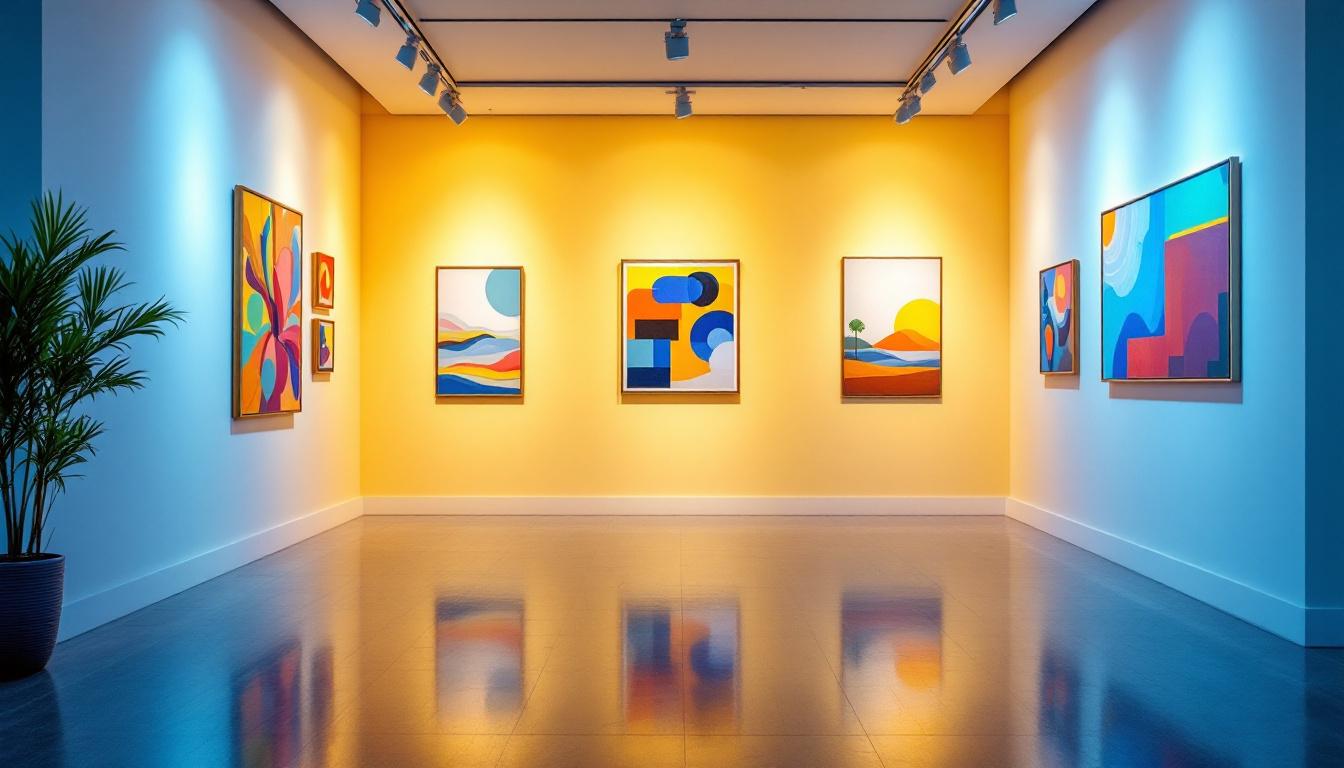
Lighting is not merely a functional aspect of art display; it is an integral component that can significantly influence the viewer’s perception. Proper lighting accentuates colors, textures, and details, allowing the artwork to be appreciated in its entirety. Inadequate or harsh lighting can distort the intended message of the piece, detracting from its beauty and meaning.
Enhancing Visual Appeal
LED lighting provides a unique advantage in enhancing the visual appeal of artworks. With the ability to produce a broad spectrum of colors and adjustable brightness levels, LED lights can be tailored to suit various types of artwork. Whether illuminating a vibrant painting or a subtle sculpture, the right LED setup can bring out the best features of each piece. Moreover, the directionality of LED lights allows curators to create dynamic lighting effects that can change the mood of a gallery space. By strategically placing lights at different angles, shadows can be manipulated to add depth and intrigue, inviting viewers to engage more deeply with the artwork.
Reducing Damage to Artworks
Traditional lighting sources, such as incandescent bulbs, emit significant heat and UV radiation, which can cause damage over time. LED lights, on the other hand, are cooler and emit minimal UV rays, making them a safer choice for illuminating valuable artworks. This characteristic is particularly crucial for galleries and museums, where preserving the integrity of the artwork is paramount. Additionally, the lower heat output of LED lighting helps maintain a stable environment, which is essential for the longevity of sensitive materials like canvas and paper. Curators often utilize this feature to create controlled lighting environments that protect artworks from fading and deterioration, ensuring that future generations can enjoy them in their original splendor.
Energy Efficiency and Longevity
In addition to their aesthetic advantages, LED lights are highly energy-efficient and have a longer lifespan compared to traditional lighting options. This efficiency not only reduces operational costs but also minimizes the frequency of replacements, making them a practical choice for lighting contractors. By opting for LED lighting, contractors can provide clients with sustainable solutions that align with modern energy standards. Furthermore, the reduced energy consumption of LED lights contributes to lower carbon footprints, making them an environmentally friendly choice. As galleries and museums increasingly prioritize sustainability, the adoption of LED technology not only enhances the display of art but also reflects a commitment to ecological responsibility. This dual benefit of aesthetics and sustainability positions LED lighting as a forward-thinking solution in the evolving landscape of art display.
Key Considerations for LED Lighting in Art Installations
When selecting LED lighting for artwork, several factors must be taken into account. These considerations ensure that the lighting not only complements the art but also meets the specific needs of the installation environment.
Color Temperature
Color temperature is a critical factor in how artwork is perceived. Measured in Kelvin (K), it influences the warmth or coolness of the light. For artwork, a color temperature range of 2700K to 3000K is often recommended, as it provides a warm, inviting glow that enhances the richness of colors without overwhelming the viewer. However, some contemporary pieces may benefit from cooler temperatures, so understanding the specific requirements of each artwork is essential. Additionally, the surrounding environment plays a significant role; for instance, a gallery with high ceilings and natural light may require different color temperatures than a more intimate space. Curators should consider the overall ambiance they wish to create, as this can dramatically affect the viewer’s emotional response to the artwork.
Color Rendering Index (CRI)
The Color Rendering Index (CRI) is another vital consideration. A high CRI rating (90 or above) indicates that the LED light will accurately render colors as they appear in natural light. This is particularly important for artworks, as colors can appear drastically different under poor lighting conditions. Lighting contractors should prioritize LEDs with a high CRI to ensure that the artwork is displayed in its true form. Furthermore, different mediums—such as oil paints, watercolors, or mixed media—can react uniquely to various lighting conditions. For example, oil paintings may require a different approach than textile art, as the textures and finishes can alter how light interacts with the surface. Therefore, it is crucial to test lighting options in situ before finalizing any installations to ensure that the artwork is showcased to its fullest potential.
Adjustability and Control
Flexibility in lighting design is crucial for art installations. LED lights that offer dimming capabilities and adjustable beam angles allow for a tailored lighting experience. Contractors should consider incorporating smart lighting systems that enable clients to control the intensity and direction of the light. This adaptability not only enhances the visual experience but also allows for changes in the display without requiring extensive reinstallation. Moreover, the ability to program lighting schedules can create dynamic environments, where the artwork is illuminated differently at various times of the day or during special events. This feature can be particularly effective in museums or galleries that host rotating exhibitions, as it allows curators to highlight different aspects of the artwork or create thematic lighting that aligns with specific exhibits. By leveraging technology in this way, art installations can engage audiences more deeply and provide a fresh perspective on familiar works.
Types of LED Lighting Solutions for Artwork
There are various types of LED lighting solutions available for artwork, each with its unique advantages. Understanding these options can help lighting contractors make informed decisions that best suit their clients’ needs.
Track Lighting
Track lighting is a versatile option that allows for the positioning of multiple fixtures along a single track. This flexibility makes it ideal for galleries and exhibition spaces where artworks may need to be rearranged frequently. LED track lights can be adjusted to focus on specific pieces, creating a dynamic viewing experience. Additionally, the ability to change the direction of the light helps to highlight different aspects of the artwork.
Wall Washers
Wall washers are designed to evenly illuminate large surfaces, making them an excellent choice for displaying paintings or murals. These fixtures provide a soft, diffuse light that minimizes harsh shadows and highlights the texture of the artwork. By utilizing LED wall washers, contractors can create a uniform lighting effect that enhances the overall ambiance of the space.
Spotlights
For artworks that require focused illumination, LED spotlights are an ideal solution. These fixtures can direct light precisely onto specific areas of a piece, drawing attention to intricate details or textures. Spotlights can be used in conjunction with other lighting types to create a layered lighting effect, adding depth and interest to the display.
Installation Best Practices
Proper installation is crucial for maximizing the effectiveness of LED lighting in art displays. Lighting contractors should adhere to best practices to ensure optimal performance and safety.
Positioning and Angling
The positioning and angling of LED fixtures can significantly impact the quality of light on the artwork. Fixtures should be placed at a distance that allows for even illumination without causing glare. Additionally, angling the lights to minimize direct reflections can enhance the visibility of the artwork’s details. Contractors should take the time to experiment with different positions to achieve the best results.
Wiring and Electrical Considerations
When installing LED lighting, it is essential to consider the electrical requirements and wiring configurations. Ensuring that the electrical system can support the load of the LED fixtures is crucial for preventing flickering or outages. Contractors should also be aware of the potential for dimming systems and smart controls, which may require additional wiring or compatibility checks.
Testing and Adjustments
After installation, thorough testing of the lighting setup is essential. Contractors should assess the quality of light, checking for even distribution and color accuracy. Making adjustments to the angle, intensity, or positioning of fixtures can help achieve the desired effect. Engaging with clients during this process can also provide valuable feedback, ensuring that the final setup meets their expectations.
Maintaining LED Lighting for Art Displays
Once installed, ongoing maintenance of LED lighting systems is necessary to ensure their longevity and effectiveness. Lighting contractors should provide clients with guidelines for proper care and maintenance.
Regular Cleaning
Dust and debris can accumulate on LED fixtures over time, diminishing their output and color accuracy. Regular cleaning of the fixtures is essential to maintain optimal performance. Contractors should advise clients on the best cleaning methods, emphasizing the importance of using non-abrasive materials to avoid damage.
Monitoring Performance
Monitoring the performance of LED lighting systems is crucial for identifying any issues early on. Contractors should encourage clients to report any flickering, dimming, or color shifts, as these may indicate a need for adjustments or replacements. Regular check-ups can help maintain the integrity of the lighting setup, ensuring that artworks are always displayed in the best possible light.
Upgrading Technology
As technology continues to evolve, lighting solutions also improve. Contractors should stay informed about the latest advancements in LED technology, including new fixtures, controls, and energy-saving options. Offering clients the opportunity to upgrade their systems can enhance the overall lighting experience and keep their displays current with industry standards.
Conclusion
In conclusion, LED lighting is an invaluable tool for lighting contractors working with artwork. By understanding the importance of proper lighting, key considerations, types of solutions, installation best practices, and maintenance, contractors can create stunning displays that enhance the viewer’s experience. As the demand for quality art displays continues to grow, staying informed and adaptable will be key to success in this dynamic field.
Ultimately, the right LED lighting can transform an ordinary art display into an extraordinary experience, showcasing the beauty and intricacies of each piece. Lighting contractors play a crucial role in this transformation, making their expertise essential in the world of art and design.
Illuminate Your Artwork with LumenWholesale
Ready to elevate your art installations with the finest LED lighting solutions? At LumenWholesale, we provide lighting contractors with the highest quality, spec-grade lighting products at the most competitive wholesale prices. Say goodbye to local distributor markups and hello to a vast selection of reliable, high-performance lighting that meets the strictest industry standards. With free shipping on bulk orders, you can stock up on premium lighting without any hidden fees or compromises. Enhance your art displays and impress your clients by choosing Wholesale Lighting at the Best Value with LumenWholesale. Experience the difference in quality, affordability, and convenience today.