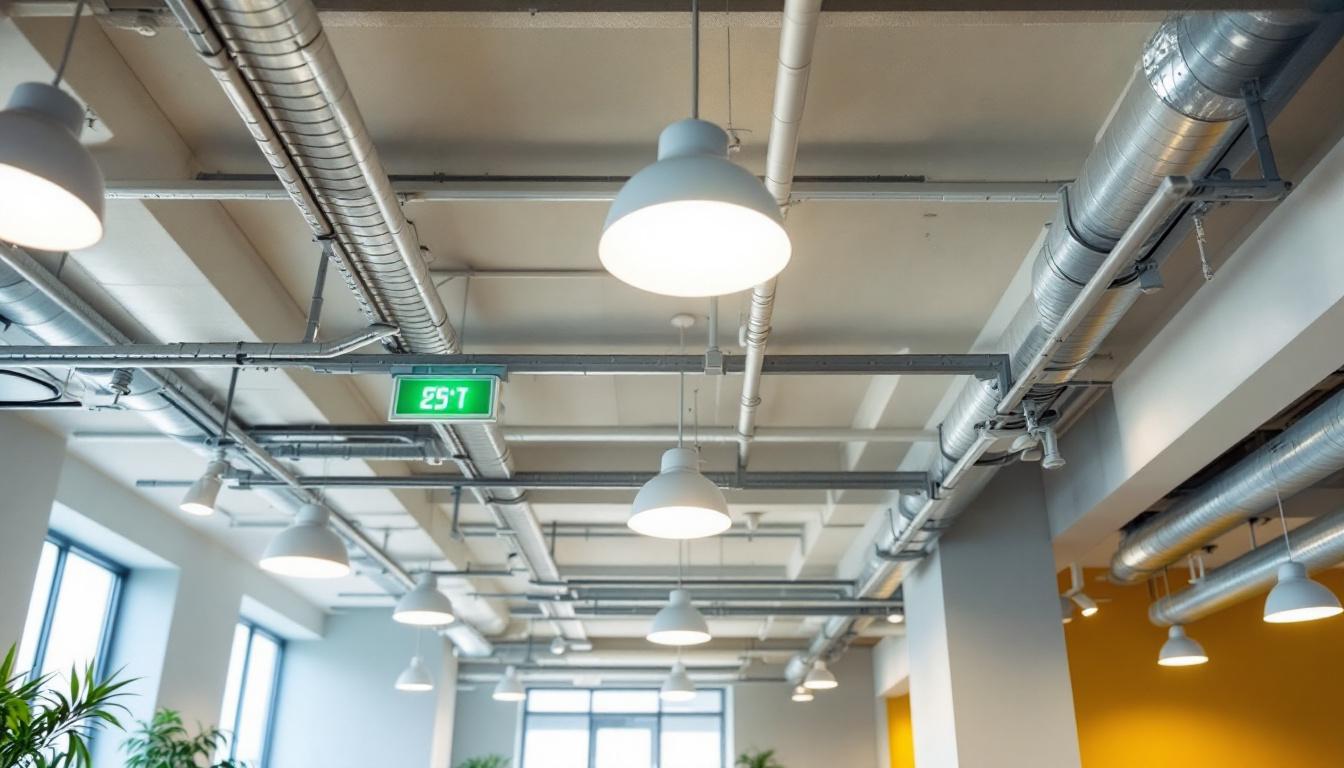
Suspended ceilings, also known as drop ceilings, have become a staple in modern construction and renovation projects. They offer an array of benefits, from aesthetic appeal to functional advantages like sound insulation and easy access to plumbing and electrical systems. For lighting contractors, understanding the intricacies of suspended ceilings is crucial to delivering quality work that meets client expectations. This article provides essential facts about suspended ceilings that every lighting contractor should know.
Understanding Suspended Ceilings
Suspended ceilings are constructed by hanging a grid system from the overhead structure, allowing tiles or panels to be placed within this framework. This design not only conceals wiring and ductwork but also provides opportunities for creative lighting solutions. The versatility of suspended ceilings makes them ideal for a variety of settings, including offices, retail spaces, and educational institutions. Furthermore, they can be customized to fit the aesthetic needs of any space, offering a range of textures, colors, and finishes that can complement the overall design scheme.
In addition to their aesthetic appeal, suspended ceilings can also play a crucial role in improving the functionality of a space. By allowing for the integration of various technologies, such as sound systems and climate control, they help create an environment that is not only visually pleasing but also conducive to productivity and comfort. This adaptability is particularly beneficial in multi-purpose venues where different activities may require different configurations and setups.
Components of Suspended Ceilings
To effectively work with suspended ceilings, it is important to understand their main components. The grid system typically consists of main runners, cross tees, and wall angles. Main runners are the primary support beams, while cross tees connect to create a grid that holds the ceiling tiles. Wall angles are installed along the perimeter to provide additional support and a finished look. This grid system is designed to be lightweight yet sturdy, ensuring that it can support the weight of the ceiling tiles while maintaining structural integrity.
The ceiling tiles themselves come in various materials, such as mineral fiber, metal, and gypsum. Each material has its own set of properties, including weight, durability, and acoustic performance. For instance, mineral fiber tiles are known for their excellent sound absorption qualities, making them a popular choice in environments where noise control is essential. In contrast, metal tiles can add a sleek, modern touch to a space while also being highly durable and easy to clean. Lighting contractors must be familiar with these materials to recommend the best options for specific applications, taking into account factors like fire ratings, moisture resistance, and aesthetic preferences.
Benefits of Suspended Ceilings
One of the most significant advantages of suspended ceilings is their ability to improve acoustic performance. They can reduce noise levels by absorbing sound, making them ideal for environments that require confidentiality or focus, such as offices or classrooms. Additionally, suspended ceilings can enhance energy efficiency by accommodating insulation and HVAC systems, leading to lower energy costs. The ability to incorporate energy-efficient lighting solutions, such as LED fixtures, further contributes to the overall sustainability of the space.
Another benefit is the ease of installation and maintenance. The modular nature of suspended ceilings allows for quick installation and easy access to electrical and plumbing systems. If a tile becomes damaged or stained, it can be easily replaced without disrupting the entire ceiling. This feature is particularly advantageous in commercial settings, where minimizing downtime is crucial for maintaining productivity. Moreover, the space above a suspended ceiling can be utilized for additional storage or even as a conduit for future upgrades, making it a practical choice for businesses looking to future-proof their facilities.
Lighting Options for Suspended Ceilings
When it comes to lighting suspended ceilings, there are numerous options available. The choice of lighting can significantly impact the overall atmosphere and functionality of a space. Understanding the various lighting solutions is essential for lighting contractors to provide the best recommendations to their clients.
Recessed Lighting
Recessed lighting is a popular choice for suspended ceilings due to its sleek and unobtrusive design. These fixtures are installed above the ceiling tiles, providing a clean look while illuminating the space effectively. Recessed lights can be used for general lighting, task lighting, or accent lighting, depending on the needs of the space.
When installing recessed lighting, it is essential to consider the spacing and placement of fixtures to avoid dark spots and ensure even illumination. Additionally, selecting the right type of bulb, whether LED, incandescent, or fluorescent, can enhance energy efficiency and longevity.
Surface-Mounted Fixtures
Surface-mounted fixtures are another viable option for suspended ceilings. Unlike recessed lighting, these fixtures are mounted directly onto the ceiling grid. They come in various styles and designs, making them suitable for different aesthetics. Surface-mounted fixtures can provide both ambient and task lighting, depending on their placement and design.
These fixtures are particularly advantageous in spaces where ceiling height is limited or where a more decorative lighting solution is desired. They can also be easier to install than recessed fixtures, as they do not require cutting into the ceiling tiles.
Design Considerations
Designing a lighting plan for a suspended ceiling involves more than just selecting fixtures. Lighting contractors must consider the overall layout, the purpose of the space, and the aesthetic preferences of the client. A well-thought-out design can enhance the functionality and visual appeal of the area.
Layered Lighting Approach
A layered lighting approach is essential for creating a well-lit environment. This strategy involves combining different types of lighting—ambient, task, and accent—to achieve a balanced illumination. Ambient lighting provides general illumination, while task lighting focuses on specific areas, such as desks or workstations. Accent lighting can highlight architectural features or artwork.
By incorporating multiple layers of lighting, contractors can create a dynamic and inviting atmosphere that meets the diverse needs of occupants. This approach also allows for flexibility in adjusting the lighting based on the time of day or specific activities.
Color Temperature and Light Quality
The color temperature of lighting plays a crucial role in setting the mood of a space. Lighting contractors should consider the desired ambiance when selecting bulbs. Warmer color temperatures (around 2700K to 3000K) create a cozy and inviting environment, while cooler temperatures (above 4000K) promote alertness and focus, making them suitable for offices and workspaces.
Additionally, the quality of light is essential for visual comfort. High Color Rendering Index (CRI) bulbs provide more accurate color representation, which is particularly important in retail environments or art galleries. Selecting the right lighting fixtures and bulbs can significantly enhance the overall experience of a space.
Installation Best Practices
Proper installation of suspended ceilings and lighting fixtures is crucial to ensure safety, functionality, and longevity. Lighting contractors must adhere to best practices to achieve optimal results.
Safety Precautions
Safety should always be a top priority during installation. Contractors should ensure that the grid system is securely anchored to the overhead structure to prevent sagging or collapse. Additionally, electrical connections must be made in accordance with local codes and regulations to avoid hazards.
Using appropriate personal protective equipment (PPE) is also essential. This includes hard hats, safety glasses, and gloves, especially when working in elevated positions or with electrical components.
Testing and Adjustments
Once the installation is complete, testing the lighting system is vital. Contractors should check for proper functionality, including verifying that all fixtures are working correctly and that the light distribution is even throughout the space. Adjustments may be necessary to achieve the desired lighting effect.
It is also advisable to conduct a final walkthrough with the client to ensure that their expectations have been met. This not only fosters client satisfaction but also provides an opportunity for contractors to address any concerns or make further adjustments.
Maintenance and Upgrades
Regular maintenance of suspended ceilings and lighting systems is essential to ensure their longevity and performance. Lighting contractors should educate clients on the importance of keeping fixtures clean and replacing bulbs as needed.
Cleaning and Care
Dust and debris can accumulate on ceiling tiles and light fixtures, affecting both aesthetics and performance. Regular cleaning can help maintain a fresh appearance and optimal lighting quality. Contractors can recommend appropriate cleaning methods and products to avoid damaging the materials.
In addition to cleaning, it is essential to check the integrity of the ceiling tiles and grid system periodically. Any signs of damage, such as sagging tiles or rusted grid components, should be addressed promptly to prevent further issues.
Upgrading Lighting Systems
As technology advances, upgrading lighting systems can significantly enhance energy efficiency and performance. Contractors should stay informed about the latest lighting technologies, such as smart lighting systems and energy-efficient LED options. These upgrades can provide clients with long-term cost savings and improved functionality.
When proposing upgrades, it is essential to consider the existing infrastructure and how new systems can be integrated seamlessly. Providing clients with a clear understanding of the benefits and potential return on investment can help facilitate the decision-making process.
Conclusion
Suspended ceilings are an integral part of modern construction, offering numerous benefits for both aesthetics and functionality. For lighting contractors, understanding the components, design considerations, and installation best practices is essential to delivering quality work that meets client needs. By staying informed about the latest lighting technologies and maintenance practices, contractors can ensure that their projects not only look great but also perform optimally over time.
As the demand for innovative and efficient lighting solutions continues to grow, lighting contractors who are knowledgeable about suspended ceilings will be better positioned to succeed in a competitive market. By mastering the essential facts outlined in this article, contractors can enhance their expertise and provide exceptional service to their clients.
Illuminate Your Projects with LumenWholesale
Ready to elevate your lighting projects with the best in spec-grade solutions? Look no further than LumenWholesale, where we provide contractors with exceptional lighting products at unbeatable wholesale prices. Our commitment to quality and affordability means you can access a wide range of industry-standard lighting options, all while enjoying the convenience of free shipping on bulk orders. Don’t let inflated markups dim your project’s potential. Choose LumenWholesale for premium lighting that combines quality, affordability, and convenience. Discover the value we bring to your projects by visiting Wholesale Lighting at the Best Value today.