In the realm of commercial lighting, the choice of light bulbs plays a pivotal role in both functionality and aesthetics. For lighting contractors, understanding the nuances of various types of commercial light bulbs is essential for delivering optimal solutions to clients. This article delves into best practices for selecting, installing, and maintaining commercial light bulbs, ensuring that contractors are well-equipped to meet the diverse needs of their projects.
Understanding Different Types of Commercial Light Bulbs
The landscape of commercial lighting is vast, with a variety of bulb types available, each with its unique characteristics and applications. Familiarity with these options is crucial for making informed decisions.
Incandescent Bulbs
Incandescent bulbs have been a staple in lighting for decades. They produce a warm light and are often favored for their color rendering capabilities. However, their energy efficiency is relatively low compared to modern alternatives. Contractors should consider using incandescent bulbs in spaces where ambiance is paramount, such as restaurants and boutique stores, where the warm light enhances the aesthetic appeal. Additionally, these bulbs are dimmable, allowing for adjustable lighting levels that can create a more intimate atmosphere during evening hours or special events. Despite their declining popularity due to energy regulations, they still hold a nostalgic charm that many consumers appreciate.
Fluorescent Bulbs
Fluorescent bulbs are known for their energy efficiency and longevity. They are commonly used in commercial settings like offices, schools, and retail spaces. These bulbs come in various sizes and color temperatures, allowing contractors to tailor lighting solutions to specific environments. However, it is essential to be aware of the potential flickering and color rendering issues that can arise with certain fluorescent fixtures. Moreover, advancements in fluorescent technology, such as the introduction of T5 and T8 bulbs, have improved their performance and reduced the flickering effect, making them a more viable option for modern applications. Their ability to provide bright, even illumination makes them particularly effective in environments that require consistent lighting, such as warehouses and manufacturing facilities.
LED Bulbs
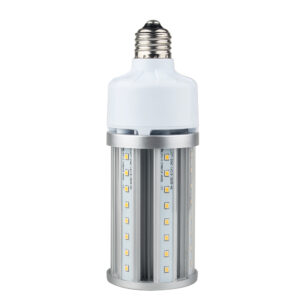
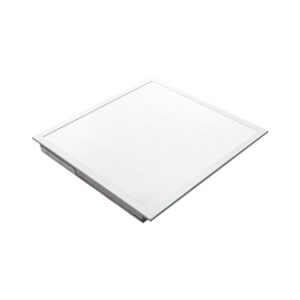
LED technology has revolutionized the lighting industry, offering exceptional energy efficiency and a long lifespan. They are available in a wide range of color temperatures and styles, making them suitable for virtually any commercial application. Lighting contractors should advocate for LED solutions, as they not only reduce energy costs but also minimize maintenance efforts due to their longevity. Furthermore, LEDs emit very little heat compared to incandescent and fluorescent bulbs, which can contribute to lower cooling costs in commercial spaces. The versatility of LED fixtures also allows for innovative designs, such as recessed lighting and smart lighting systems, which can enhance both functionality and aesthetics in modern commercial environments. As the technology continues to evolve, the potential for smart integrations, such as motion sensors and dimming capabilities, further solidifies LEDs as the preferred choice for forward-thinking businesses.
Choosing the Right Bulb for the Application
Selecting the appropriate bulb for a specific application is critical to achieving the desired lighting effect. Various factors must be considered to ensure optimal performance and satisfaction.
Assessing Lighting Needs
Before making a selection, it is vital to assess the lighting needs of the space. This includes evaluating the purpose of the area, the desired ambiance, and the tasks that will be performed there. For instance, a warehouse may require bright, uniform lighting, while a lounge area might benefit from softer, more inviting illumination. Additionally, the layout and design of the space can influence how light is distributed. Open areas might benefit from overhead fixtures that cast light evenly across the floor, while smaller, cozier spaces may be enhanced with strategically placed lamps that create pockets of warmth and intimacy.
Evaluating Energy Efficiency
Energy efficiency is a significant consideration in today’s commercial lighting landscape. Contractors should be well-versed in the energy consumption of various bulb types and how they impact operational costs. LED bulbs, for instance, consume significantly less energy than incandescent or fluorescent options, making them a cost-effective choice in the long run. Moreover, the longevity of LED bulbs—often lasting up to 25,000 hours—means reduced maintenance and replacement costs, which is particularly advantageous for businesses looking to minimize disruptions. Understanding the return on investment (ROI) associated with energy-efficient lighting can also help clients make informed decisions that align with their budget and sustainability goals.
Considering Color Temperature
The color temperature of a bulb affects not only the appearance of the space but also the mood it creates. Measured in Kelvin (K), lower temperatures (2700K-3000K) produce a warm light, while higher temperatures (4000K-5000K) yield a cooler, more clinical light. Contractors should guide clients in selecting the appropriate color temperature based on the intended use of the space. For example, warmer tones are often preferred in residential settings to create a cozy atmosphere, while cooler tones may be more suitable for work environments, where alertness and concentration are paramount. Additionally, the use of dimmable bulbs can provide flexibility, allowing users to adjust the light intensity and color temperature throughout the day to suit their changing needs and preferences.
Installation Best Practices
Adhering to Manufacturer Guidelines
Each type of bulb comes with specific installation guidelines provided by the manufacturer. Lighting contractors should familiarize themselves with these instructions to avoid complications. For instance, some LED fixtures may require compatible dimmers, while fluorescent bulbs need proper ballast to function correctly. Following these guidelines not only ensures safety but also maximizes the lifespan of the bulbs.
Ensuring Proper Fixture Compatibility
Compatibility between the bulb and fixture is essential for optimal performance. Contractors should verify that the chosen bulb fits the fixture’s specifications, including wattage, base type, and size. Mismatched components can lead to reduced efficiency, flickering, or even damage to the lighting system.
Implementing Safety Measures
Safety should always be a top priority during installation. Contractors are encouraged to use appropriate personal protective equipment (PPE) and to follow local electrical codes. Additionally, ensuring that the power is turned off before beginning any installation work is crucial to preventing accidents.
Maintenance and Troubleshooting
Routine Inspections
Cleaning Fixtures and Bulbs
Dust and debris can accumulate on light fixtures and bulbs, diminishing their effectiveness. Contractors should recommend a cleaning schedule to clients, ensuring that fixtures are wiped down regularly. This simple practice can significantly improve light output and extend the life of the bulbs.
Addressing Common Issues
When problems arise, contractors should be prepared to troubleshoot effectively. Common issues include flickering lights, which may be caused by loose connections or incompatible dimmers, and color shifts, which can indicate a failing bulb. Identifying the root cause of these problems allows for timely repairs and replacements, maintaining the integrity of the lighting system.
Energy Regulations and Incentives
In the current climate, understanding energy regulations and available incentives can provide significant advantages for lighting contractors and their clients. Staying informed about these aspects can lead to cost savings and compliance with local laws.
Familiarity with Local Codes
Each region has its own set of energy codes and regulations governing commercial lighting. Contractors should be well-versed in these requirements to ensure compliance during installations. Familiarity with local codes not only prevents potential fines but also enhances the contractor’s reputation as a knowledgeable professional.
Utilizing Incentive Programs
Many governments and utility companies offer incentive programs to encourage the adoption of energy-efficient lighting solutions. Contractors should inform clients about these programs, which may include rebates for upgrading to LED technology or tax incentives for energy-efficient installations. Leveraging these incentives can make energy-efficient solutions more appealing and financially feasible for clients.
Future Trends in Commercial Lighting
The commercial lighting industry is continually evolving, with new technologies and trends emerging regularly. Staying ahead of these trends can provide contractors with a competitive edge.
Smart Lighting Solutions
Smart lighting systems are gaining traction in commercial spaces, allowing for enhanced control and customization. These systems can be integrated with building management systems, enabling features such as occupancy sensing and daylight harvesting. Contractors should consider the benefits of smart lighting solutions and how they can enhance energy efficiency and user experience.
Sustainability and Eco-Friendly Options
As businesses increasingly prioritize sustainability, eco-friendly lighting options are becoming more popular. This includes not only energy-efficient bulbs but also fixtures made from sustainable materials. Contractors should be prepared to offer clients eco-friendly solutions that align with their values and goals.
Advancements in LED Technology
LED technology continues to advance, with improvements in color rendering, efficiency, and design. Contractors should stay informed about the latest developments in LED technology to provide clients with the best possible options. As LED technology becomes more sophisticated, it opens up new possibilities for innovative lighting designs and applications.
Conclusion
In the competitive field of commercial lighting, lighting contractors must be equipped with the knowledge and skills to navigate the complexities of light bulb selection, installation, and maintenance. By understanding the different types of bulbs, adhering to best practices, and staying informed about industry trends, contractors can provide exceptional service and solutions to their clients. Ultimately, the goal is to create lighting environments that are not only functional and efficient but also enhance the overall experience of the space.
Illuminate Your Projects with LumenWholesale
Ready to elevate your commercial lighting projects with the best in spec-grade lighting products? Look no further than LumenWholesale, where we offer an extensive selection of top-quality lighting solutions at unbeatable wholesale prices. Say goodbye to inflated markups and hello to superior lighting that meets the highest industry standards. With free shipping on bulk orders, you can trust that you’re getting premium lighting at the best value — without any hidden fees. Enhance your lighting environments with the perfect blend of quality, affordability, and convenience. Visit LumenWholesale today and discover the difference for yourself.