Lighting plays a pivotal role in shaping the ambiance and functionality of any space, particularly when it comes to large wall lights. For lighting professionals, understanding the nuances of selecting and installing these fixtures is essential. This article provides a comprehensive checklist to guide lighting contractors through the process, ensuring that every project meets aesthetic and practical requirements.
Understanding the Purpose of Large Wall Lights
Large wall lights serve multiple functions in residential and commercial settings. They can enhance the overall design of a room, provide essential task lighting, and even contribute to safety by illuminating pathways and staircases. Recognizing the primary purpose of the lighting fixture is the first step in making informed decisions.
Enhancing Aesthetic Appeal
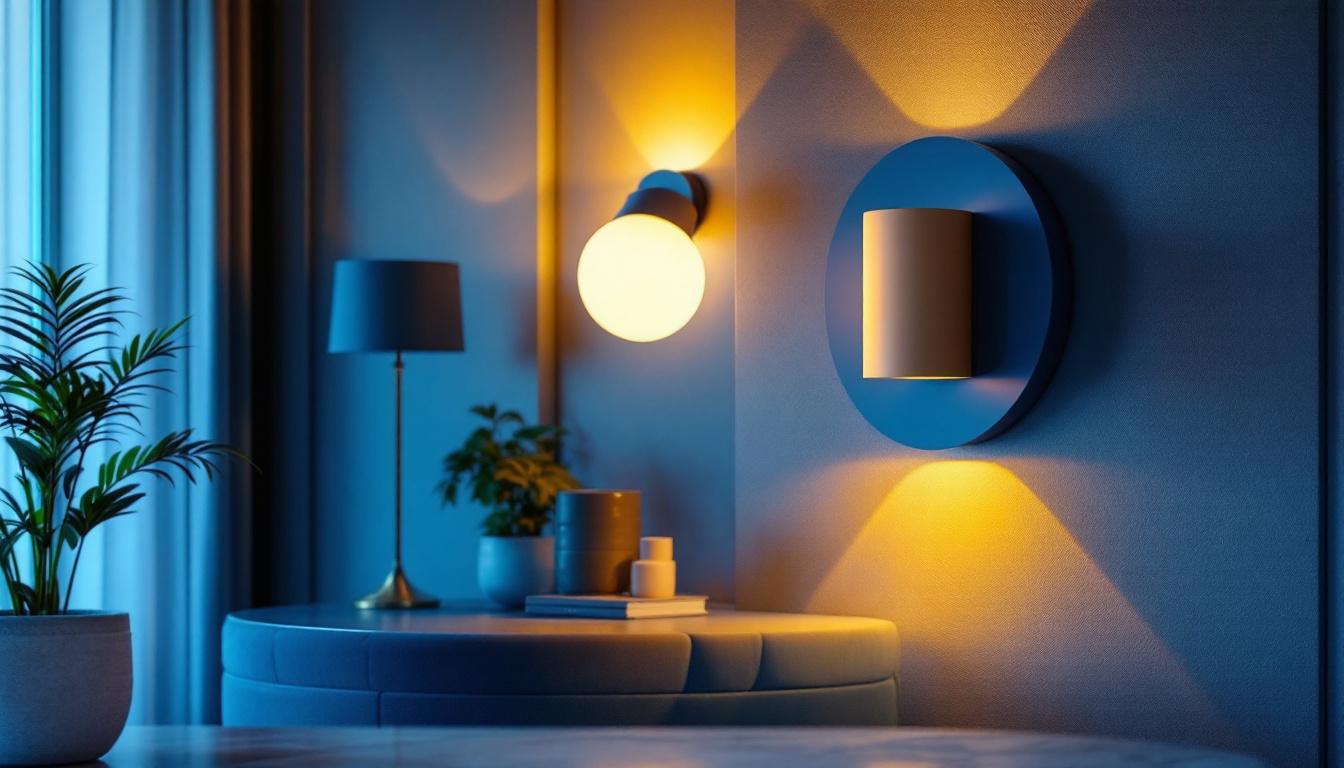
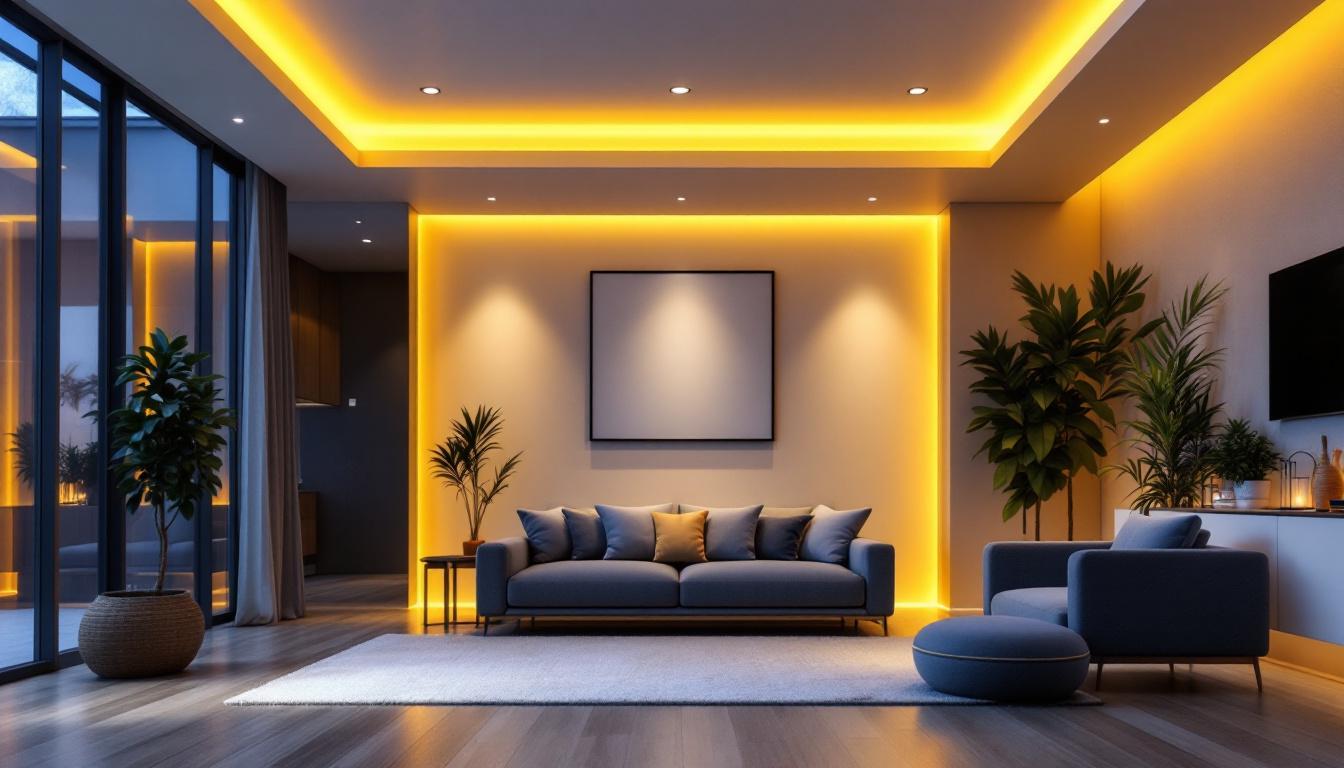
Large wall lights can act as focal points in a room, drawing attention to architectural features or artwork. When selecting fixtures, consider the style of the space—modern, traditional, or eclectic—and choose designs that complement the overall decor. The finish, color, and shape of the lights should harmonize with existing elements to create a cohesive look. Additionally, the placement of these fixtures can significantly impact the ambiance; for instance, wall sconces flanking a mirror can create a flattering glow, while strategically placed fixtures can highlight textured walls or intricate moldings, adding depth and interest to the design.
Moreover, the choice of materials can further enhance the aesthetic appeal. Metal finishes like brass or matte black can evoke a sense of sophistication, while glass shades can introduce a touch of elegance and softness. Incorporating dimmable options allows for versatility in mood-setting, enabling homeowners to transition from bright, energetic lighting during social gatherings to softer, more intimate illumination for quiet evenings at home.
Providing Functional Lighting
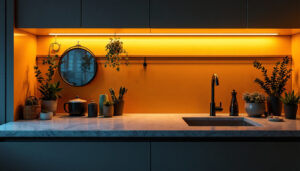
Beyond aesthetics, large wall lights must fulfill practical lighting needs. Assess the specific tasks that will occur in the area—reading, cooking, or entertaining—and determine the appropriate brightness and color temperature. This ensures that the lighting not only looks good but also serves its intended function effectively. For example, in a kitchen, wall lights can be strategically placed above countertops to provide focused illumination for meal preparation, while in a living room, they can offer ambient lighting that enhances the overall comfort of the space.
Additionally, the use of LED technology in large wall lights has revolutionized the way we think about functional lighting. LEDs are energy-efficient and have a longer lifespan compared to traditional bulbs, making them a sustainable choice. They also come in a variety of color temperatures, allowing for customization that can suit different activities. Warmer tones can create a cozy atmosphere for relaxation, while cooler tones can invigorate spaces where productivity is key. By carefully considering both the functional and aesthetic aspects of large wall lights, one can create a well-lit environment that is both beautiful and practical.
Key Considerations for Selecting Large Wall Lights
When choosing large wall lights, several factors come into play. These considerations can significantly impact the effectiveness and satisfaction of the final installation.
Size and Scale
The size of the wall light should be proportionate to the wall and the surrounding furniture. Oversized fixtures can overwhelm a small room, while too-small lights may get lost in larger spaces. Measure the wall area where the light will be installed and consider the scale of nearby elements to achieve a balanced look. Additionally, think about the visual weight of the light fixture; a chunky, industrial design may suit a loft-style space, while a sleek, minimalist piece might be better for a contemporary setting. The interplay between the light fixture and the architecture of the room can create a harmonious aesthetic or a jarring contrast, so choose wisely.
Light Output and Efficiency
Light output is measured in lumens, and understanding the required lumens for a space is crucial. A well-lit area typically requires between 100 to 300 lumens per square meter, depending on its function. Additionally, consider energy-efficient options such as LED fixtures, which offer longevity and lower energy consumption. Beyond just lumens, the color temperature of the light can also affect the ambiance; warmer tones can create a cozy atmosphere, while cooler tones may enhance focus and productivity. It’s also worth exploring dimmable options, which allow you to adjust the brightness depending on the time of day or activity, providing versatility in how you use the space.
Mounting Height and Location
The mounting height of large wall lights can significantly influence their effectiveness. Generally, fixtures should be installed at eye level or slightly above to avoid glare and ensure even distribution of light. Evaluate the layout of the room to determine the best locations for installation, taking into account furniture arrangement and wall features. For instance, placing lights above artwork can highlight the piece and create a gallery-like feel, while sconces flanking a mirror in a hallway can enhance both functionality and style. Don’t forget to consider the type of lighting effect you want to achieve; uplighting can create a dramatic effect by illuminating the ceiling, while downlighting can provide focused task lighting for reading or working. By carefully planning the placement and height of your wall lights, you can enhance both the aesthetic and practical aspects of your space.
Materials and Finishes
The materials and finishes of large wall lights can affect both their durability and aesthetic appeal. Selecting the right combination is essential for achieving a lasting and attractive installation.
Durability and Maintenance
Consider the environment in which the wall lights will be installed. For outdoor settings, choose materials that can withstand weather conditions, such as corrosion-resistant metals or UV-protected plastics. In indoor settings, materials like glass, metal, and high-quality plastics can provide both durability and style. Maintenance requirements should also be factored in; some materials may require more frequent cleaning or care than others.
Finish Options
The finish of a wall light can dramatically influence its appearance. Options range from polished chrome and brushed nickel to matte black and antique brass. Each finish can evoke a different mood or style, so it’s important to consider how the chosen finish will interact with other design elements in the space.
Light Bulb Selection
The type of light bulb used in large wall lights can greatly affect the quality of illumination. Understanding the various options available is crucial for lighting professionals.
Types of Bulbs
LEDs, incandescent, and fluorescent bulbs each have unique characteristics. LEDs are favored for their energy efficiency and long lifespan, while incandescent bulbs provide a warm glow but consume more energy. Fluorescent bulbs are less common in residential settings but can be useful in commercial applications. The choice of bulb should align with the intended ambiance and functionality of the space.
Color Temperature
Color temperature, measured in Kelvin, influences the mood of a room. Warmer tones (2700K-3000K) create a cozy atmosphere, ideal for living areas, while cooler tones (4000K-5000K) are better suited for workspaces. Selecting the right color temperature is vital for achieving the desired ambiance.
Installation Considerations
Proper installation is critical for the performance and safety of large wall lights. Lighting professionals must be well-versed in installation techniques and electrical codes.
Electrical Requirements
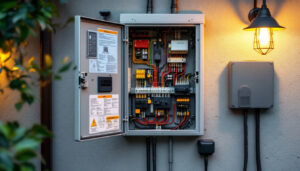
Before installation, ensure that the electrical system can support the new fixtures. Check for adequate wiring and circuit capacity to prevent overloading. If necessary, consult with an electrician to make any required upgrades or modifications.
Mounting Techniques
Using the correct mounting techniques is essential for ensuring that large wall lights are securely attached. Follow the manufacturer’s instructions for installation, and use appropriate hardware for the weight and type of fixture. This will help prevent accidents and ensure the longevity of the installation.
Safety and Compliance
Safety should always be a priority when working with electrical fixtures. Adhering to safety regulations and guidelines is essential for protecting both the installer and the end user.
Adhering to Local Codes
Familiarize yourself with local building codes and regulations regarding lighting installations. These codes often dictate specific requirements for wiring, fixture placement, and energy efficiency. Compliance not only ensures safety but also avoids potential legal issues.
Testing and Quality Assurance
After installation, conduct thorough testing to ensure that all fixtures are functioning correctly. Check for any flickering lights, improper wiring, or other issues that may arise. Addressing these problems promptly can prevent future complications and enhance customer satisfaction.
Trends in Large Wall Lighting
Staying updated on the latest trends in large wall lighting can provide lighting professionals with a competitive edge. Understanding current preferences can help in making informed recommendations to clients.
Smart Lighting Solutions
Smart lighting technology is on the rise, offering features such as remote control, dimming capabilities, and integration with home automation systems. These solutions not only enhance convenience but also allow for personalized lighting experiences. Consider recommending smart wall lights to clients looking for modern solutions.
Eco-Friendly Options
As sustainability becomes a priority for many consumers, eco-friendly lighting options are gaining popularity. Fixtures made from recycled materials or those that utilize energy-efficient bulbs can appeal to environmentally conscious clients. Highlighting these options can set a contractor apart in a competitive market.
Final Thoughts
Large wall lights are more than just functional fixtures; they are integral components of a space’s design and atmosphere. For lighting professionals, understanding the various aspects of selecting and installing these lights is crucial for delivering high-quality results. By following this essential checklist, contractors can ensure that their projects not only meet client expectations but also stand the test of time.
Ultimately, the success of any lighting project lies in the details. From understanding the purpose and selecting the right materials to ensuring compliance with safety standards, every step contributes to the overall effectiveness of the installation. By staying informed about trends and innovations in the industry, lighting professionals can continue to provide exceptional service and create stunning environments for their clients.
Illuminate Your Projects with LumenWholesale
Ready to elevate your lighting projects with the perfect large wall lights? At LumenWholesale, we offer an extensive selection of top-quality, spec-grade lighting products at unbeatable wholesale prices. Say goodbye to inflated markups and hello to reliable, high-performance lighting that meets the highest industry standards. With free shipping on bulk orders, you can get premium lighting at the best value — without hidden fees or compromises. Don’t miss out on the blend of quality, affordability, and convenience that LumenWholesale provides. Visit us today and discover the difference for yourself. Wholesale Lighting at the Best Value.