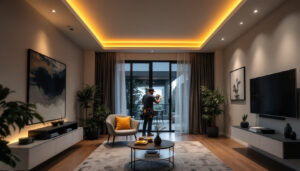
As the demand for sustainable energy solutions continues to rise, solar indoor lighting has emerged as a viable option for both residential and commercial applications. Lighting contractors play a crucial role in this transition, as they are responsible for integrating these innovative solutions into various projects. This guide aims to provide lighting contractors with essential insights into solar indoor lighting, covering its benefits, installation considerations, and the future of this technology.
Understanding Solar Indoor Lighting
Solar indoor lighting systems harness solar energy to provide illumination in indoor spaces. These systems typically consist of solar panels, batteries, LED lights, and a control system. By converting sunlight into electricity, these lights can operate without relying on traditional power sources, making them an eco-friendly alternative.
Components of Solar Indoor Lighting Systems
At the heart of solar indoor lighting is its key components. Understanding these elements is vital for contractors looking to implement these systems effectively.
- Solar Panels: These capture sunlight and convert it into electricity. The efficiency and size of the solar panels directly impact the system’s performance.
- Batteries: Energy storage is crucial, especially for indoor applications where sunlight may not be available. Batteries store the energy generated during the day for use at night.
- LED Lights: Known for their energy efficiency and longevity, LED lights are the preferred choice for solar indoor lighting systems.
- Control Systems: These manage the energy flow between the solar panels, batteries, and lights, ensuring optimal performance.
How Solar Indoor Lighting Works
The operation of solar indoor lighting systems is relatively straightforward. During daylight hours, solar panels absorb sunlight and convert it into electricity. This electricity is then used to power LED lights directly or charge the batteries for later use. At night or during periods of low sunlight, the stored energy in the batteries powers the lights, providing consistent illumination.
Some systems also include smart control features that allow users to adjust brightness levels or set timers, enhancing the user experience and energy efficiency. These advanced features can be integrated with mobile applications, enabling users to monitor energy consumption and adjust settings remotely. This not only maximizes convenience but also encourages users to adopt more sustainable practices by providing insights into their energy usage patterns.
Additionally, the aesthetic design of solar indoor lighting systems has evolved significantly. Many modern systems are designed to blend seamlessly with interior decor, offering options that range from sleek, minimalist fixtures to more decorative styles. This versatility allows homeowners and businesses to maintain their desired aesthetic while benefiting from the advantages of solar technology. Moreover, as technology continues to advance, the integration of solar lighting with other smart home systems is becoming increasingly common, paving the way for a more energy-efficient and interconnected living environment.
Benefits of Solar Indoor Lighting
Solar indoor lighting offers numerous advantages that make it an attractive option for both contractors and clients. Understanding these benefits can help contractors present compelling cases to potential customers.
Energy Efficiency and Cost Savings
One of the most significant benefits of solar indoor lighting is its energy efficiency. By utilizing solar power, these systems can drastically reduce reliance on grid electricity, leading to lower utility bills. Over time, the savings on energy costs can offset the initial investment in solar technology.
Additionally, many regions offer incentives for solar installations, further enhancing the financial appeal for clients. These incentives can take the form of tax credits, rebates, or even grants, making solar solutions more accessible. Furthermore, as energy prices continue to rise, the long-term savings associated with solar indoor lighting become even more pronounced, providing clients with a hedge against future energy cost increases.
Environmental Impact
Solar indoor lighting contributes to a reduction in carbon emissions, making it an environmentally friendly choice. By decreasing dependence on fossil fuels, these systems help combat climate change and promote sustainability. For contractors, promoting the environmental benefits of solar lighting can resonate with eco-conscious clients. The use of renewable energy sources not only supports a healthier planet but also aligns with the growing trend of corporate social responsibility, which many businesses are eager to embrace.
Moreover, solar indoor lighting systems often utilize energy-efficient LED technology, further minimizing energy consumption. This combination of solar power and LED technology not only reduces the carbon footprint but also enhances the longevity of the lighting systems, leading to less frequent replacements and waste. Clients can take pride in knowing that their choice contributes positively to the environment while also improving their own energy practices.
Versatility and Aesthetic Appeal
Solar indoor lighting systems are versatile and can be adapted to various settings, including homes, offices, and public spaces. They come in a range of designs and styles, allowing contractors to offer customized solutions that meet the aesthetic preferences of their clients.
This adaptability makes solar indoor lighting an appealing option for a wide range of projects, from modern commercial buildings to rustic homes. Additionally, many solar lighting systems can be integrated with smart home technology, allowing for enhanced control and customization. Clients can program their lighting to adjust based on time of day or occupancy, further maximizing energy savings and convenience. This modern integration not only elevates the functionality of the lighting but also adds a touch of sophistication to the overall design, appealing to tech-savvy customers looking for innovative solutions.
Installation Considerations
While the benefits of solar indoor lighting are compelling, successful installation requires careful planning and consideration. Contractors must be aware of several key factors to ensure optimal performance and client satisfaction.
Site Assessment
Before installation, a thorough site assessment is essential. Contractors should evaluate the amount of sunlight available in the chosen location, as this will influence the system’s efficiency. Areas with ample direct sunlight are ideal for solar panel placement, while shaded areas may require additional considerations, such as larger panels or more batteries.
Understanding the layout of the indoor space is also crucial. Factors such as room size, ceiling height, and existing lighting conditions can impact the design and placement of solar indoor lights.
System Sizing
Proper system sizing is vital to ensure that the solar indoor lighting meets the client’s needs. Contractors should calculate the total wattage required for the space and select solar panels and batteries accordingly. Oversizing can lead to unnecessary costs, while undersizing may result in inadequate lighting.
It is also essential to consider the energy consumption patterns of the space. For instance, a room that requires lighting for extended hours may need a more robust battery system compared to a space used intermittently.
Regulatory Compliance
Contractors must be aware of local regulations and building codes related to solar installations. Compliance with these regulations is crucial to avoid potential legal issues and ensure the safety and reliability of the system. This may include obtaining necessary permits, adhering to electrical codes, and following installation guidelines set by manufacturers.
Challenges and Solutions
While solar indoor lighting offers many advantages, contractors may encounter challenges during installation and maintenance. Being prepared to address these challenges can enhance the overall success of the project.
Intermittent Sunlight
In regions with inconsistent sunlight, solar indoor lighting systems may struggle to provide adequate illumination. To mitigate this issue, contractors can recommend larger battery systems or hybrid solutions that integrate traditional power sources for backup. This approach ensures that clients have reliable lighting regardless of weather conditions.
Initial Costs
The upfront costs associated with solar indoor lighting can be a barrier for some clients. Contractors can help alleviate concerns by highlighting the long-term savings on energy bills and available incentives. Providing financing options or phased installation plans can also make solar solutions more accessible to clients.
Maintenance and Upkeep
While solar indoor lighting systems generally require minimal maintenance, regular inspections are essential to ensure optimal performance. Contractors should educate clients on the importance of keeping solar panels clean and checking battery health. Offering maintenance services can also create additional revenue streams for contractors.
The Future of Solar Indoor Lighting
The future of solar indoor lighting looks promising, with advancements in technology and increasing consumer awareness driving growth in the market. Contractors who stay informed about emerging trends and innovations will be well-positioned to capitalize on this expanding sector.
Technological Advancements
Innovations in solar technology are continually improving the efficiency and functionality of solar indoor lighting systems. For example, advancements in battery technology are leading to longer-lasting and more efficient energy storage solutions. Additionally, smart lighting systems that integrate with home automation can enhance user experience and energy management.
Growing Demand for Sustainable Solutions
As more individuals and businesses prioritize sustainability, the demand for solar indoor lighting is expected to increase. Contractors who emphasize the environmental benefits of solar solutions will likely find a receptive audience among clients seeking to reduce their carbon footprint.
Integration with Smart Home Technologies
The integration of solar indoor lighting with smart home technologies presents exciting opportunities for contractors. Clients increasingly seek systems that can be controlled remotely or programmed to adapt to their lifestyles. Offering solar lighting solutions that seamlessly integrate with existing smart home systems can set contractors apart in a competitive market.
Conclusion
Solar indoor lighting represents a significant opportunity for lighting contractors to embrace sustainable technology while meeting the evolving needs of clients. By understanding the components, benefits, installation considerations, and future trends of solar indoor lighting, contractors can position themselves as knowledgeable experts in this growing field.
As the industry shifts towards greener solutions, staying informed and adapting to new technologies will be essential for contractors looking to thrive in the world of solar indoor lighting. By providing clients with efficient, eco-friendly lighting options, contractors can contribute to a more sustainable future while growing their businesses.
Illuminate Your Projects with LumenWholesale
Ready to light up your next project with the most efficient, eco-friendly solar indoor lighting solutions? At LumenWholesale, we provide lighting contractors with the highest quality, spec-grade lighting products at prices that can’t be beaten. Our commitment to cutting out the middleman means you enjoy superior products at wholesale rates, with the added benefit of free shipping on bulk orders. Elevate your lighting game and give your clients the best value by choosing LumenWholesale. Start browsing our selection now and take the first step towards a brighter, more sustainable future. Wholesale Lighting at the Best Value.