In the competitive world of lighting contracting, managing costs while delivering quality service is essential for success. As technology advances, lighting contractors are presented with new opportunities to optimize their operations and reduce expenses. This article explores various cost-saving strategies that can help lighting contractors improve their bottom line without compromising on quality.
Embracing Energy-Efficient Solutions
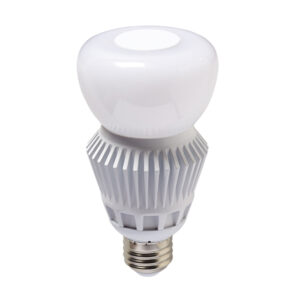
One of the most effective ways for lighting contractors to save costs is by embracing energy-efficient lighting solutions. The shift towards LED technology has revolutionized the lighting industry, offering not only reduced energy consumption but also longer lifespans for fixtures.
Benefits of LED Technology
LED lights consume significantly less energy compared to traditional incandescent or fluorescent bulbs. This reduction in energy usage translates into lower electricity bills for both contractors and their clients. Moreover, the longevity of LED fixtures means fewer replacements and maintenance costs over time, making them a smart investment for any lighting project.
Additionally, many governments and utility companies offer incentives for switching to energy-efficient lighting. These rebates can further offset initial costs, making the transition to LED technology even more appealing for contractors. The environmental benefits are also noteworthy; by reducing energy consumption, contractors contribute to lower greenhouse gas emissions, aligning their practices with global sustainability goals.
Smart Lighting Controls
Incorporating smart lighting controls can also lead to substantial savings. These systems allow for automation and remote management of lighting, enabling contractors to adjust settings based on occupancy or time of day. This not only enhances energy efficiency but also improves the overall user experience.
By utilizing smart controls, contractors can help their clients achieve optimal lighting conditions while minimizing energy waste. This approach can lead to increased customer satisfaction and loyalty, ultimately benefiting the contractor’s reputation and business growth. Furthermore, integrating smart technology can open doors to advanced features such as mood lighting and adaptive brightness, which can be tailored to specific tasks or preferences, creating a more personalized environment for users.
Moreover, the integration of smart lighting with other building management systems can facilitate a comprehensive approach to energy management. For instance, linking lighting controls with HVAC systems can optimize energy use throughout a building, leading to even greater savings and efficiency. As smart homes and buildings become more prevalent, contractors who are knowledgeable about these technologies will be well-positioned to meet the growing demand for integrated solutions.
Streamlining Operations with Technology
In today’s digital age, leveraging technology can significantly enhance operational efficiency for lighting contractors. From project management software to advanced design tools, embracing the right technology can lead to time and cost savings. As the industry evolves, staying ahead of the curve by adopting innovative solutions is crucial for maintaining a competitive edge.
Project Management Software
Implementing project management software can streamline various aspects of a lighting contractor’s operations. These tools help in tracking project timelines, managing budgets, and facilitating communication among team members. By keeping everything organized in one platform, contractors can reduce the risk of errors and delays, ultimately saving both time and money. The ability to assign tasks, set deadlines, and monitor progress in real-time ensures that all team members are aligned and accountable, fostering a collaborative work environment.
Moreover, many project management tools offer features such as invoicing and expense tracking, which can simplify the financial aspects of running a business. This allows contractors to focus more on their core competencies rather than getting bogged down in administrative tasks. With automated reminders for billing and payment follow-ups, contractors can maintain healthy cash flow and improve their overall financial management. Additionally, the data analytics provided by these tools can help contractors identify trends and make strategic decisions to optimize their operations further.
Design and Simulation Software
Investing in design and simulation software can also yield significant savings. These tools allow contractors to create detailed lighting plans and visualize how different fixtures will perform in a given space. By accurately simulating lighting effects before installation, contractors can avoid costly mistakes and ensure that they meet their clients’ expectations. This preemptive approach not only enhances customer satisfaction but also builds trust, as clients can see a clear representation of the final outcome before any work begins.
Additionally, these software solutions often provide insights into energy consumption and efficiency, enabling contractors to make informed decisions about the products they recommend and install. With a growing emphasis on sustainability, being able to present energy-efficient options can set contractors apart in a crowded marketplace. Some advanced simulation tools even allow for real-time adjustments based on client feedback, further enhancing the customization of lighting solutions. As a result, contractors can ensure that their designs are not only aesthetically pleasing but also environmentally responsible, aligning with modern consumer values.
Effective Inventory Management
Proper inventory management is crucial for lighting contractors looking to reduce costs. Maintaining an organized inventory can prevent overstocking and stockouts, both of which can lead to unnecessary expenses.
Utilizing Inventory Management Systems
Implementing an inventory management system can help contractors keep track of their materials and equipment. These systems provide real-time data on stock levels, allowing contractors to make informed purchasing decisions. By knowing exactly what is on hand, contractors can avoid purchasing excess materials and reduce waste.
Furthermore, effective inventory management can lead to better supplier relationships. By understanding usage patterns, contractors can negotiate better terms with suppliers, potentially leading to discounts and improved pricing.
Regular Audits and Assessments
Conducting regular audits of inventory is another effective strategy. By assessing stock levels and usage patterns, contractors can identify slow-moving items that may need to be discounted or removed from inventory. This proactive approach can free up capital and reduce storage costs.
Additionally, regular assessments can help contractors stay informed about the latest products and technologies in the market, ensuring they offer the best solutions to their clients.
Training and Development for Staff
Investing in the training and development of staff can lead to significant cost savings in the long run. Well-trained employees are more efficient, make fewer mistakes, and can contribute to a more positive work environment.
Continuous Learning Opportunities
Providing continuous learning opportunities for staff can enhance their skills and knowledge about the latest lighting technologies and installation techniques. This not only improves the quality of work but also increases employee satisfaction and retention.
Contractors can consider offering workshops, attending industry conferences, or providing access to online courses. By fostering a culture of learning, contractors can ensure their team remains competitive and knowledgeable in a rapidly evolving industry.
Cross-Training Employees
Cross-training employees can also lead to cost savings. By training staff to perform multiple roles, contractors can create a more flexible workforce that can adapt to changing project demands. This versatility can reduce the need for hiring additional staff during peak times, ultimately saving on labor costs.
Moreover, a cross-trained workforce can improve collaboration and communication among team members, leading to more efficient project execution.
Building Strong Supplier Relationships
Establishing strong relationships with suppliers can be a game-changer for lighting contractors. These partnerships can lead to better pricing, improved service, and access to the latest products and technologies.
Negotiating Better Terms
Contractors should take the time to negotiate favorable terms with their suppliers. This might include bulk purchasing discounts, extended payment terms, or loyalty programs. By fostering a mutually beneficial relationship, contractors can secure better pricing and improve their overall profitability.
Additionally, suppliers often have insights into industry trends and new products. By maintaining open lines of communication, contractors can stay informed and ahead of the competition.
Leveraging Local Suppliers
Utilizing local suppliers can also lead to cost savings. Local suppliers often offer faster delivery times and lower shipping costs, which can be crucial for meeting project deadlines. Moreover, supporting local businesses can enhance a contractor’s reputation within the community, potentially leading to more referrals and business opportunities.
Implementing Sustainable Practices
Incorporating sustainable practices into operations can not only help the environment but also lead to cost savings. Many clients are increasingly looking for eco-friendly solutions, and contractors who prioritize sustainability can differentiate themselves in the market.
Recycling and Waste Reduction
Implementing recycling programs and waste reduction strategies can significantly lower disposal costs. By recycling materials such as packaging and old fixtures, contractors can minimize waste and reduce their environmental footprint.
Moreover, promoting a culture of sustainability can attract clients who value eco-friendly practices, leading to increased business opportunities. This commitment to sustainability can enhance a contractor’s brand image and appeal to a broader audience.
Green Certifications and Training
Obtaining green certifications and training can also provide a competitive edge. Many clients are willing to pay a premium for contractors who demonstrate expertise in sustainable practices. By investing in green certifications, contractors can position themselves as leaders in the industry and attract environmentally conscious clients.
Utilizing Marketing Strategies for Cost Efficiency
Effective marketing strategies can help lighting contractors reach new clients without overspending. By leveraging digital marketing and social media, contractors can promote their services more efficiently and at a lower cost.
Social Media Marketing
Social media platforms provide an excellent opportunity for contractors to showcase their work and engage with potential clients. By sharing project photos, client testimonials, and informative content, contractors can build a strong online presence and attract new business.
Moreover, social media advertising can be a cost-effective way to reach targeted audiences. By using demographic and geographic targeting, contractors can ensure their marketing efforts are directed towards those most likely to require their services.
Email Marketing Campaigns
Email marketing can also be a powerful tool for lighting contractors. By building a mailing list of past clients and prospects, contractors can send out newsletters, promotions, and updates about new services. This direct line of communication can help maintain relationships and encourage repeat business.
Additionally, email marketing allows for tracking and analysis, enabling contractors to refine their strategies and improve engagement over time.
Conclusion
Cost-saving strategies are essential for lighting contractors looking to thrive in a competitive market. By embracing energy-efficient solutions, streamlining operations with technology, and fostering strong supplier relationships, contractors can optimize their business practices and improve profitability.
Moreover, investing in staff training, implementing sustainable practices, and utilizing effective marketing strategies can further enhance a contractor’s ability to save costs while delivering exceptional service. By adopting these strategies, lighting contractors can position themselves for long-term success and growth in the ever-evolving lighting industry.
Illuminate Your Projects with LumenWholesale
Ready to enhance your cost-saving strategies with premium lighting solutions? At LumenWholesale, we offer an extensive range of spec-grade lighting products designed to elevate your projects while keeping your budget in check. Say goodbye to inflated markups and hello to unbeatable wholesale prices, free shipping, and the convenience you deserve. Make the smart choice for your business and explore our collection for Wholesale Lighting at the Best Value today.