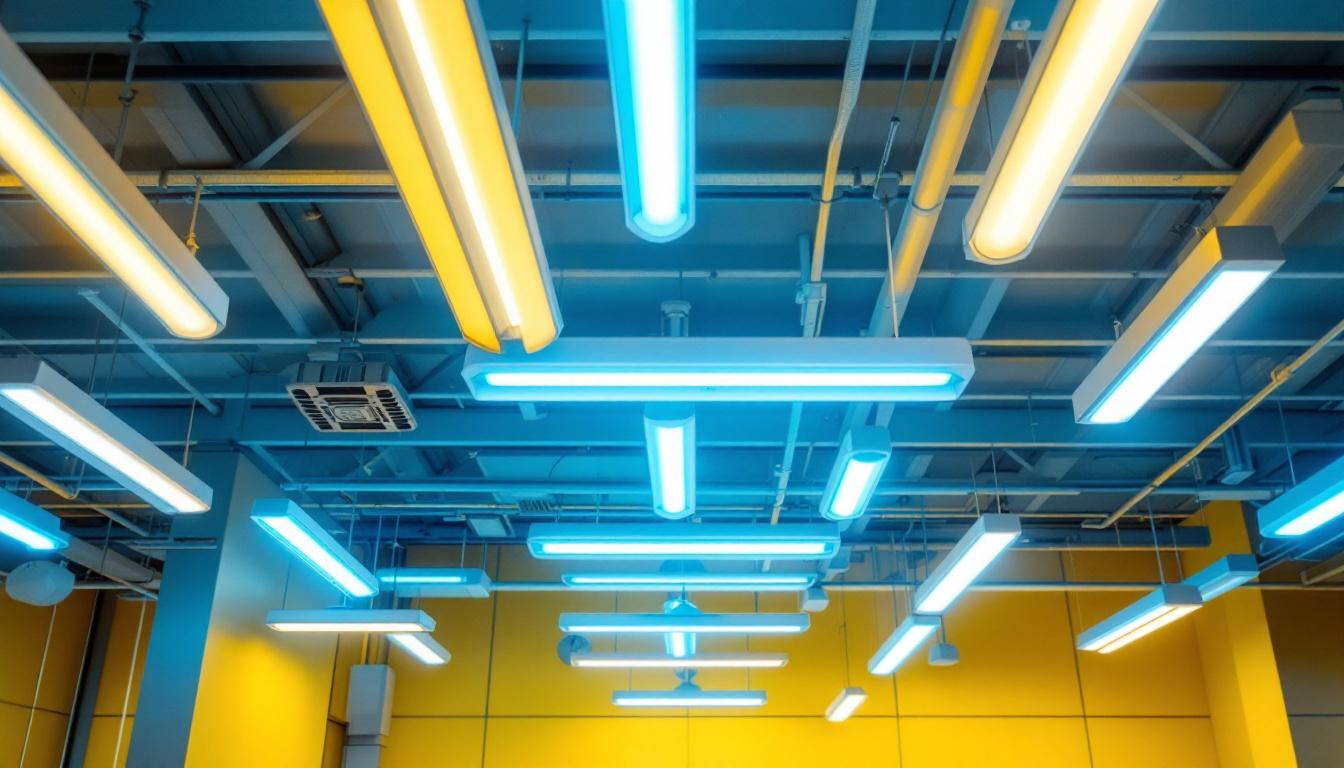
Fluorescent lighting has long been a staple in both commercial and residential settings, offering an energy-efficient alternative to traditional incandescent bulbs. As the demand for sustainable and cost-effective lighting solutions continues to grow, understanding the nuances of fluorescent lighting becomes increasingly important for lighting contractors. This article delves into various aspects of fluorescent lighting, including its benefits, installation techniques, and maintenance tips, as shared by industry experts.
Understanding Fluorescent Lighting
Fluorescent lights operate through a process that involves gas and phosphor coatings, which work together to produce light when an electric current passes through. This technology has evolved significantly over the years, resulting in various types of fluorescent lamps that cater to different needs and applications. The energy efficiency of fluorescent lighting has made it a popular choice for both residential and commercial use, contributing to lower electricity bills and reduced environmental impact compared to traditional incandescent bulbs.
Types of Fluorescent Lamps
Fluorescent lamps come in several forms, each designed for specific applications. The most common types include:
- T12: The traditional fluorescent lamp, known for its larger diameter and lower efficiency.
- T8: A more energy-efficient option that has become the standard in many commercial settings.
- T5: The smallest diameter fluorescent lamp, often used in specialized applications such as under-cabinet lighting.
Each type has its own set of advantages and disadvantages, making it crucial for contractors to assess the specific needs of a project before making a selection. For example, T8 lamps are often favored in office environments due to their balance of efficiency and light quality, while T5 lamps are ideal for spaces requiring compact lighting solutions without sacrificing brightness. Additionally, advancements in technology have led to the development of high-output and low-temperature fluorescent lamps, expanding the versatility of fluorescent lighting even further.
How Fluorescent Lighting Works
The operation of fluorescent lighting involves a few key components: the lamp, the ballast, and the fixture. When electricity flows through the lamp, it excites the gas inside, producing ultraviolet light. This UV light then interacts with the phosphor coating on the inside of the lamp, converting it into visible light.
Understanding this mechanism is essential for contractors, as it informs decisions regarding installation and troubleshooting. For instance, knowing how to properly match the ballast with the lamp type can prevent flickering and extend the lifespan of the lighting system. Furthermore, the choice of ballast can also affect energy consumption; electronic ballasts are generally more efficient than magnetic ones, providing better performance and reduced noise levels. As energy regulations continue to evolve, staying informed about the latest ballast technologies can help contractors ensure compliance and optimize lighting performance in their projects.
Benefits of Fluorescent Lighting
Fluorescent lighting offers numerous advantages that make it a popular choice among contractors and clients alike. From energy efficiency to longevity, these benefits are worth considering during project planning.
Energy Efficiency
One of the most significant advantages of fluorescent lighting is its energy efficiency. Compared to incandescent bulbs, fluorescent lamps consume significantly less power to produce the same amount of light. This reduced energy consumption translates into lower electricity bills, making it an attractive option for both commercial and residential applications.
Furthermore, many fluorescent lamps have a longer lifespan, which means fewer replacements and less waste. This longevity contributes to sustainability efforts, aligning with the growing trend towards eco-friendly building practices. In fact, a typical fluorescent bulb can last up to 10,000 hours, significantly outpacing traditional incandescent bulbs, which often only last about 1,000 hours. This extended lifespan not only reduces maintenance costs but also minimizes the environmental impact associated with the disposal of burnt-out bulbs.
Versatility in Application
Fluorescent lighting is incredibly versatile, suitable for a wide range of environments. Whether it’s illuminating a warehouse, office space, or even a retail store, fluorescent lamps can be tailored to meet specific lighting needs. They are available in various color temperatures, allowing contractors to create the desired ambiance for any setting.
Additionally, advancements in technology have led to the development of dimmable fluorescent options, further increasing their adaptability in different scenarios. This flexibility makes them ideal for spaces that require varying levels of light throughout the day, such as conference rooms or classrooms, where brighter light may be needed for presentations while softer light is preferable for discussions. Furthermore, the ability to integrate fluorescent lighting with smart technology allows for enhanced control over lighting schemes, enabling users to adjust brightness and color temperature remotely, thus optimizing energy use and enhancing user experience.
Installation Techniques for Fluorescent Lighting
Proper installation is crucial for maximizing the benefits of fluorescent lighting. Contractors must be well-versed in the techniques that ensure optimal performance and safety.
Preparation and Planning
Before installation, thorough planning is essential. This includes assessing the space, determining the required light output, and selecting the appropriate type of fluorescent lamp and fixture. Contractors should also consider the layout of the space to ensure even light distribution.
Additionally, reviewing local building codes and regulations is vital to ensure compliance and avoid potential issues during the installation process.
Installation Steps
The installation of fluorescent lighting typically involves the following steps:
- Turn off the power: Safety should always be the top priority. Ensure that the power is turned off at the circuit breaker before starting any work.
- Install the fixture: Secure the fixture to the ceiling or wall, following the manufacturer’s instructions. Ensure it is level and properly anchored.
- Connect the wiring: Carefully connect the wiring according to the color codes and instructions provided. This step is critical for ensuring the fixture operates correctly.
- Insert the lamp: Once the fixture is installed and wired, insert the fluorescent lamp, ensuring it is securely in place.
- Turn on the power: Finally, restore power to the circuit and test the fixture to ensure it operates as intended.
Maintenance of Fluorescent Lighting
Regular maintenance is essential for ensuring the longevity and performance of fluorescent lighting systems. Contractors should educate clients on the importance of upkeep and provide guidance on best practices.
Routine Inspections
Conducting routine inspections can help identify potential issues before they escalate. This includes checking for flickering lights, dimming, or any unusual sounds emanating from the fixtures. Addressing these problems early can prevent more significant failures and costly repairs.
During inspections, it’s also important to clean the fixtures and lamps. Dust and debris can accumulate over time, reducing light output and efficiency. A simple cleaning routine can significantly enhance performance.
Replacing Components
Fluorescent lamps and ballasts have finite lifespans, and knowing when to replace them is key to maintaining an effective lighting system. Contractors should keep track of the age of the lamps and ballasts in use and recommend replacements as needed.
When replacing lamps, it’s essential to choose the correct type and wattage to ensure compatibility with the existing fixtures and ballasts. This knowledge can save clients time and money in the long run.
Challenges and Solutions in Fluorescent Lighting
Despite its many advantages, fluorescent lighting does come with its own set of challenges. Understanding these challenges can help contractors provide better solutions for their clients.
Flickering and Dimming
One common issue with fluorescent lighting is flickering or dimming, which can be caused by several factors, including faulty ballasts, incompatible lamps, or poor electrical connections. Identifying the root cause is essential for effective troubleshooting.
Contractors should ensure that the ballast is compatible with the lamp type and wattage. If flickering persists, it may be necessary to replace the ballast or check for loose connections in the wiring.
Color Rendering Issues
Another challenge is the color rendering index (CRI) of fluorescent lamps, which can sometimes be lower than desired. This can affect the appearance of colors in a space, which is particularly important in settings like retail stores or art galleries.
To address this, contractors can recommend high-CRI fluorescent lamps that provide better color accuracy. Additionally, educating clients about the importance of color temperature can help them make informed choices that enhance their environment.
The Future of Fluorescent Lighting
As technology continues to evolve, the future of fluorescent lighting is likely to see further advancements. While LED technology is gaining popularity for its efficiency and versatility, fluorescent lighting still holds a significant place in the market.
Integration with Smart Technology
One trend on the horizon is the integration of fluorescent lighting with smart technology. This could include features such as remote control, automated dimming, and integration with building management systems. Such advancements could enhance the user experience and improve energy efficiency even further.
Contractors should stay informed about these developments to provide clients with the most up-to-date solutions that meet their needs.
Continued Relevance in Specific Applications
Despite the rise of LED technology, fluorescent lighting will continue to be relevant in certain applications. For instance, in environments where high-intensity lighting is required, such as factories or warehouses, fluorescent lamps may still be the preferred choice due to their brightness and efficiency.
Contractors should assess each project individually, considering factors such as cost, energy efficiency, and specific lighting requirements to determine the best solution for their clients.
Conclusion
Fluorescent lighting remains a vital component of modern lighting solutions, offering numerous benefits in terms of energy efficiency, versatility, and longevity. For lighting contractors, understanding the intricacies of fluorescent systems—from installation to maintenance—is essential for delivering high-quality service to clients.
By staying informed about the latest trends and technologies, contractors can continue to provide effective solutions that meet the evolving needs of their customers. As the lighting industry progresses, embracing both traditional and innovative technologies will ensure that contractors remain at the forefront of the field.
Illuminate Your Projects with LumenWholesale
Ready to elevate your lighting solutions with the efficiency and versatility of fluorescent lighting? At LumenWholesale, we provide lighting contractors with the highest quality, spec-grade fluorescent lamps and accessories at unbeatable wholesale prices. Say goodbye to local distributor markups and hello to a vast selection of reliable lighting that meets rigorous industry standards. Plus, with free shipping on bulk orders, you can stock up on premium lighting without worrying about hidden fees. Don’t compromise on quality or value—choose LumenWholesale for the perfect blend of affordability and convenience. Visit us now for Wholesale Lighting at the Best Value and light up your projects with confidence.