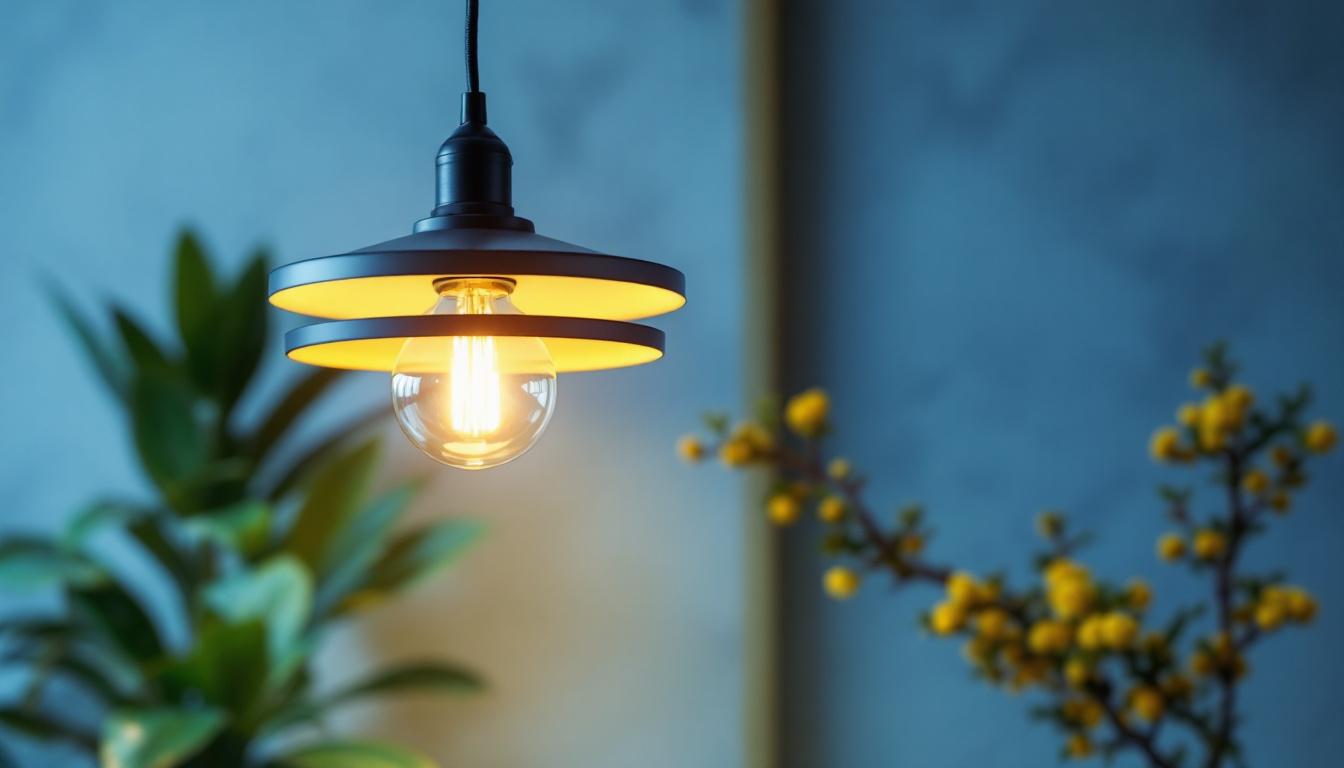
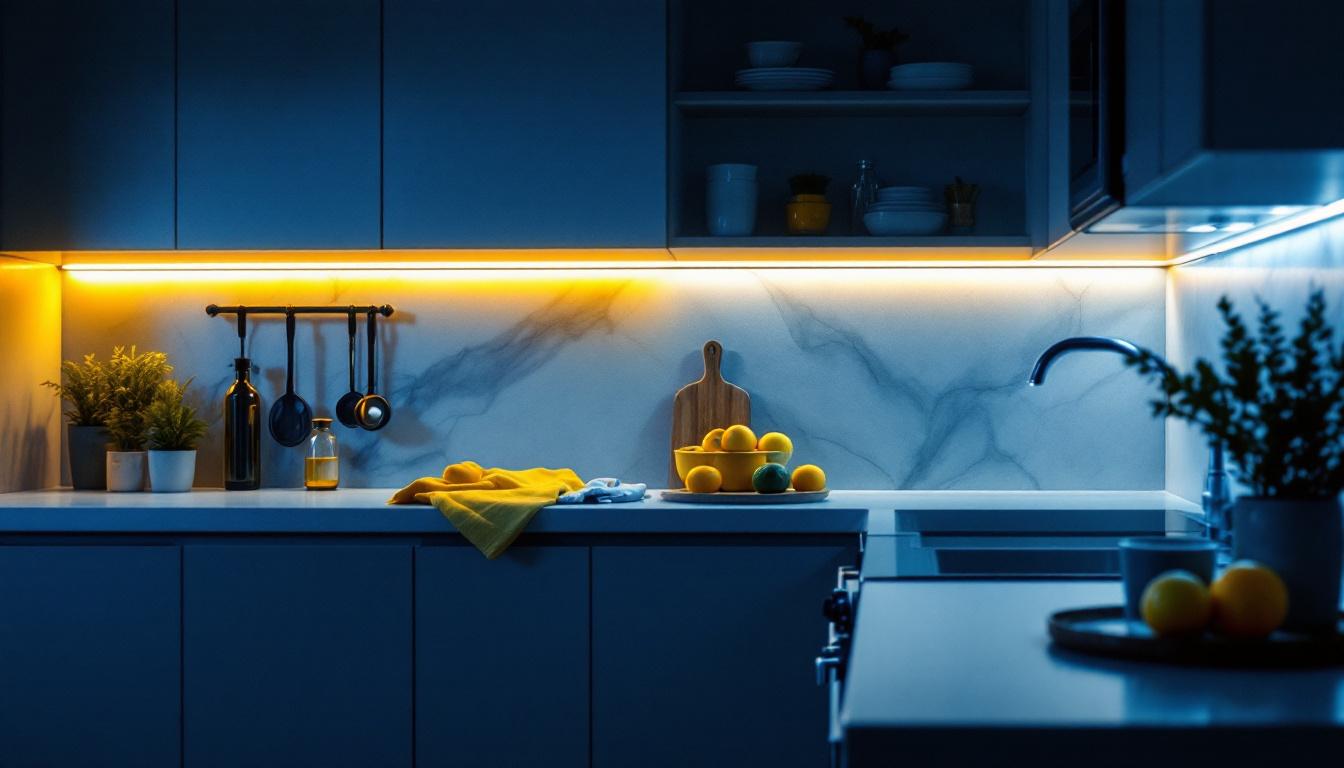
The lighting industry has undergone a remarkable transformation over the years, driven by technological advancements, changing consumer preferences, and a growing emphasis on sustainability. Light fittings, once limited to basic designs and functionalities, have evolved into sophisticated fixtures that enhance both aesthetics and energy efficiency. This article explores the evolution of light fittings, highlighting key developments and trends that have shaped the industry.
The Early Days of Lighting
In the early days, lighting was primarily functional, serving the basic need for illumination. The first light fittings were simple oil lamps and candles, which provided limited brightness and required constant maintenance. As society progressed, so did the demand for more reliable and efficient lighting solutions. The flickering flames of candles and the smoky residue of oil lamps not only posed challenges in terms of safety but also limited the hours during which people could engage in activities after sunset. This necessity for better lighting solutions spurred innovation and experimentation, leading to the gradual evolution of more sophisticated light sources.
The Advent of Electric Lighting
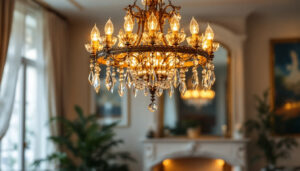
The introduction of electric lighting marked a significant turning point in the history of light fittings. Electric bulbs offered a brighter and more consistent light source compared to their predecessors. This innovation not only improved visibility but also allowed for greater flexibility in design. With the ability to create various shapes and styles, manufacturers began to experiment with materials and aesthetics, leading to the development of iconic light fixtures. The aesthetic possibilities of electric lighting transformed spaces, allowing for ambient lighting that could enhance the mood of a room. This era also saw the rise of decorative elements in lighting design, with chandeliers and pendant lights becoming central features in homes and public buildings alike, reflecting the tastes and aspirations of the time.
From Incandescent to Fluorescent
As the demand for energy-efficient solutions grew, the industry witnessed a shift from incandescent bulbs to fluorescent lighting. Fluorescent light fittings offered a longer lifespan and reduced energy consumption, making them an attractive option for both residential and commercial spaces. This transition not only changed the way light was produced but also influenced the design of fixtures, as manufacturers sought to create products that complemented the cooler, harsher light of fluorescent bulbs. The introduction of fluorescent lighting also brought about a new wave of innovation in the realm of commercial design, as businesses began to adopt these fixtures to create bright, inviting environments that enhanced productivity. Moreover, the development of compact fluorescent lamps (CFLs) further revolutionized the market, allowing consumers to enjoy the benefits of fluorescent technology in a more versatile and compact form. The evolution of lighting continued to reflect societal changes, as the focus shifted towards sustainability and energy conservation, paving the way for even more advancements in lighting technology.
The Rise of LED Technology
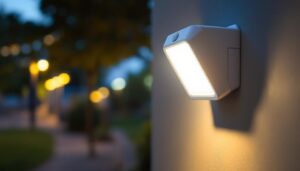
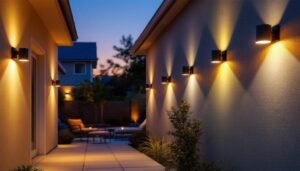
The introduction of LED technology has been one of the most significant advancements in the lighting industry. LEDs are known for their exceptional energy efficiency, longevity, and versatility. This technology has revolutionized light fittings, enabling the creation of sleek, modern designs that cater to a wide range of applications. From residential spaces to commercial establishments, the adaptability of LED lighting has made it a preferred choice for architects and designers alike, who appreciate its ability to blend seamlessly into various aesthetics while providing superior illumination.
Energy Efficiency and Sustainability
As environmental concerns continue to rise, the demand for sustainable lighting solutions has become a priority. LED light fittings consume significantly less energy compared to traditional bulbs, leading to reduced carbon footprints. Additionally, their longer lifespan means fewer replacements, which contributes to less waste. This emphasis on sustainability has prompted manufacturers to focus on eco-friendly materials and production processes, further enhancing the appeal of LED fixtures. Furthermore, many LED products are now designed to be recyclable, ensuring that they can be disposed of responsibly at the end of their life cycle. This commitment to sustainability not only helps in conserving resources but also aligns with the growing consumer preference for environmentally conscious products.
Smart Lighting Solutions
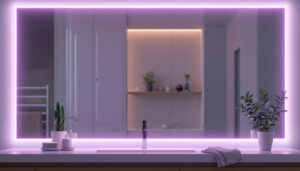
The integration of smart technology into light fittings has opened up a new realm of possibilities. Smart lighting systems allow users to control their lighting remotely, adjust brightness levels, and even change colors to create the desired ambiance. This level of customization not only enhances the user experience but also contributes to energy savings by allowing for more precise control over lighting usage. Moreover, many smart LED systems can be programmed to respond to natural light levels, automatically adjusting to optimize energy consumption throughout the day. This capability not only enhances convenience but also promotes a healthier living environment by ensuring that spaces are well-lit when needed and dimmed during daylight hours.
In addition, the rise of smart home technology has led to the development of interconnected lighting systems that can be integrated with other smart devices. For instance, users can synchronize their LED lighting with smart speakers, security systems, and even home automation platforms, creating a cohesive and efficient home environment. This interconnectedness allows for innovative features such as scheduling lights to turn on or off at specific times, simulating occupancy when the homeowner is away, or even adjusting lighting based on the time of day. As these technologies continue to evolve, the possibilities for enhancing both functionality and aesthetics in lighting design are virtually limitless.
Design Trends in Light Fittings
As technology has evolved, so too have design trends in light fittings. Modern consumers are increasingly looking for fixtures that not only serve a functional purpose but also enhance the aesthetic appeal of their spaces. This has led to a diverse range of styles, materials, and finishes in the market.
Minimalism and Industrial Design
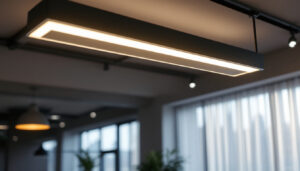
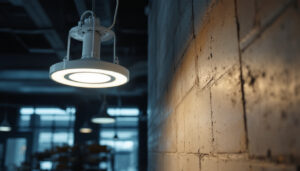
Minimalism has become a dominant trend in contemporary lighting design. Clean lines, simple shapes, and a focus on functionality characterize minimalist light fittings. This approach allows fixtures to blend seamlessly into various interior styles, making them versatile choices for both residential and commercial spaces. Industrial design, with its raw materials and utilitarian aesthetics, has also gained popularity, appealing to those who appreciate a more rugged, urban look.
Artistic and Statement Pieces
On the other end of the spectrum, there has been a rise in the demand for artistic light fittings that serve as statement pieces. Designers are pushing the boundaries of creativity, crafting unique fixtures that become focal points in a room. These artistic designs often incorporate bold colors, intricate shapes, and innovative materials, allowing homeowners and businesses to express their individuality through lighting.
Challenges Facing the Lighting Industry
Despite the advancements and innovations in the lighting industry, several challenges remain. Manufacturers and contractors must navigate issues related to regulations, market competition, and the need for continuous innovation to meet evolving consumer demands.
Regulatory Compliance
As energy efficiency standards become increasingly stringent, lighting manufacturers must ensure their products comply with various regulations. This can be a complex process, requiring ongoing research and development to create fixtures that meet both performance and sustainability criteria. Contractors also need to stay informed about these regulations to provide clients with compliant solutions.
Market Competition and Innovation
The lighting market is highly competitive, with numerous players vying for consumer attention. To stand out, manufacturers must prioritize innovation, continually introducing new designs and technologies that meet the changing needs of consumers. This pressure to innovate can be both a challenge and an opportunity for contractors, who must adapt to the latest trends and educate their clients about the benefits of new products.
The Future of Light Fittings
Looking ahead, the future of light fittings appears bright, driven by ongoing advancements in technology and design. As the industry continues to evolve, several key trends are likely to shape the next generation of lighting solutions.
Integration of IoT and AI
The Internet of Things (IoT) and artificial intelligence (AI) are set to play a significant role in the future of lighting. Smart light fittings that can communicate with other devices and learn user preferences will become increasingly common. This integration will allow for more personalized lighting experiences, enhancing comfort and convenience in both residential and commercial settings.
Focus on Health and Well-being
As awareness of the impact of lighting on health and well-being grows, manufacturers are likely to develop products that promote better living environments. This includes tunable white lighting systems that mimic natural daylight, helping to regulate circadian rhythms and improve mood. Contractors will need to stay informed about these developments to provide clients with solutions that prioritize health and wellness.
Conclusion
The evolution of light fittings reflects broader trends within the lighting industry, driven by technological advancements, changing consumer preferences, and a commitment to sustainability. From the early days of basic illumination to the sophisticated, energy-efficient designs of today, the journey of light fittings has been remarkable. As the industry continues to evolve, contractors must remain adaptable, embracing new technologies and design trends to meet the diverse needs of their clients.
In this dynamic landscape, staying informed about the latest developments will not only enhance the services provided but also contribute to a more sustainable and aesthetically pleasing future in lighting. The journey of light fittings is far from over, and the possibilities for innovation and creativity are endless.
Illuminate Your Projects with LumenWholesale
As you navigate the ever-changing landscape of light fittings and strive to meet the demands of your clients, LumenWholesale is here to support you. We provide contractors with an unparalleled selection of top-quality, spec-grade lighting products at the most competitive wholesale prices. By choosing us, you eliminate the middleman and gain access to a range of lighting solutions that embody the evolution and innovation discussed in this article. With free shipping on bulk orders, you can trust that you’re getting premium lighting at the best value, without any hidden fees. Elevate your lighting projects by visiting Wholesale Lighting at the Best Value and experience the perfect blend of quality, affordability, and convenience that only LumenWholesale can offer.