In the ever-evolving world of lighting design and installation, round fluorescent light fixtures have become a staple for many contractors. Their versatility, energy efficiency, and aesthetic appeal make them a popular choice for various applications, from residential to commercial settings. For lighting contractors looking to master the use of these fixtures, understanding the nuances of installation, maintenance, and design is essential. This article provides a comprehensive resource guide tailored specifically for lighting professionals.
Understanding Round Fluorescent Light Fixtures
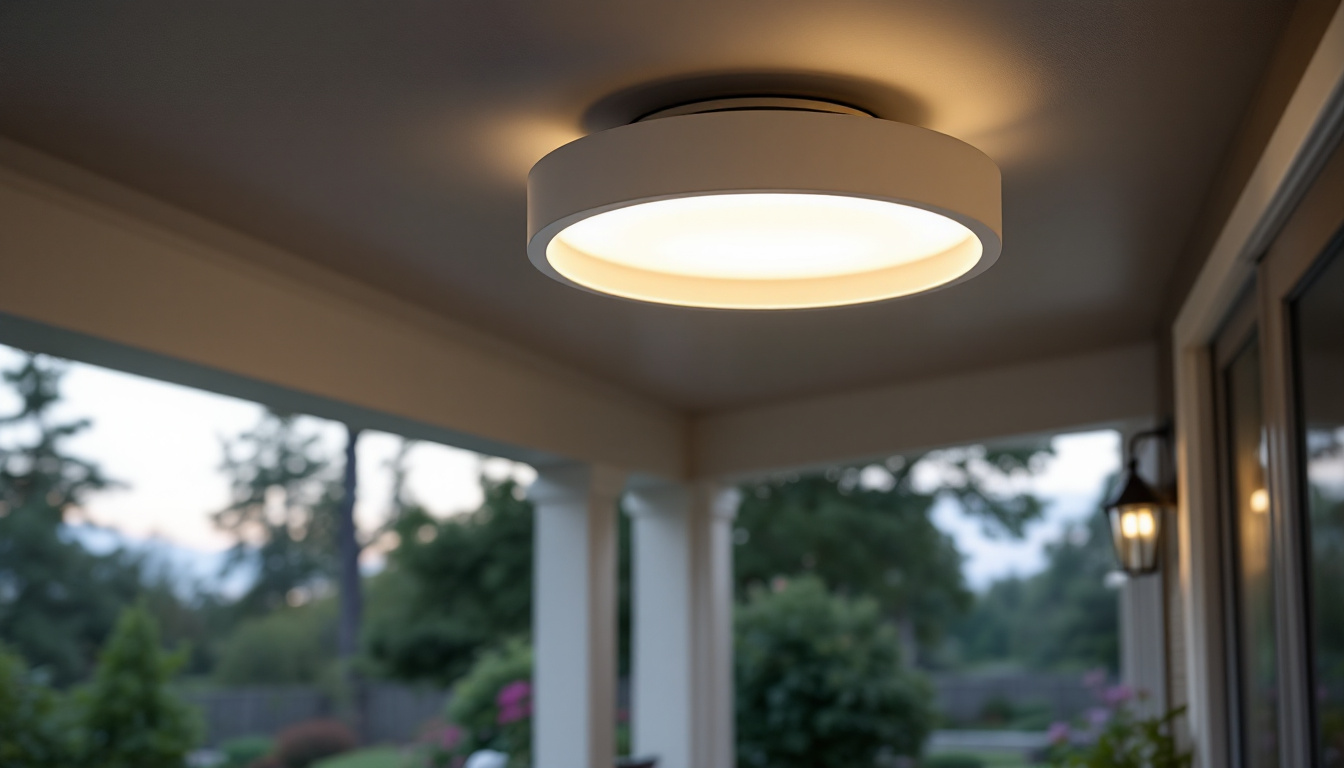
Round fluorescent light fixtures are characterized by their circular shape and are often used in environments where uniform light distribution is essential. These fixtures come in various sizes and wattages, making them suitable for different applications. Their design allows for a broad beam angle, which is ideal for illuminating large spaces.
Key Features and Benefits
One of the primary advantages of round fluorescent fixtures is their energy efficiency. Compared to traditional incandescent bulbs, fluorescent lights consume significantly less power, resulting in lower electricity bills. Additionally, they have a longer lifespan, which translates to reduced maintenance costs over time. This longevity is particularly beneficial in hard-to-reach areas, where changing bulbs can be a labor-intensive task.
Another noteworthy feature is their ability to produce a high-quality light output. Many contractors appreciate the soft, diffused lighting that these fixtures provide, which can enhance the ambiance of any space. The color temperature of fluorescent lights can also be tailored to suit specific environments, ranging from warm white to cool daylight, allowing for customization based on the desired mood. Furthermore, round fixtures can be integrated into various design aesthetics, making them a versatile choice for both modern and traditional environments.
Common Applications
Round fluorescent fixtures are commonly found in various settings, including offices, schools, hospitals, and retail spaces. Their ability to provide even lighting makes them particularly effective in areas where visibility is crucial. For instance, in a classroom, these fixtures can help create a conducive learning environment by minimizing shadows and glare. This is especially important during activities that require focus, such as reading or writing, where optimal lighting can significantly impact performance.
In commercial spaces, round fixtures can be used to highlight specific areas, such as product displays or service counters. Their sleek design allows them to blend seamlessly into the architecture, enhancing the overall aesthetic without being obtrusive. Moreover, many modern round fluorescent fixtures come equipped with advanced technology, such as dimming capabilities and smart controls, which can further enhance their functionality. This adaptability not only provides energy savings but also allows businesses to create dynamic lighting scenarios that can change throughout the day, catering to different customer experiences and activities.
Installation Techniques for Round Fluorescent Fixtures
Proper installation is critical to maximizing the performance and longevity of round fluorescent light fixtures. Lighting contractors must be familiar with the best practices to ensure a successful installation process. This section outlines key techniques and considerations that can aid in achieving optimal results.
Preparation and Planning
Before installation, it is essential to assess the space and determine the appropriate placement of fixtures. Factors such as room size, ceiling height, and existing lighting conditions should be considered. A well-thought-out plan will not only enhance the effectiveness of the lighting but also improve the overall aesthetic of the space.
Contractors should also ensure that they have all necessary tools and materials on hand before beginning the installation. This includes the fixtures themselves, mounting hardware, wiring, and safety equipment. Taking the time to prepare can streamline the installation process and prevent delays.
Wiring and Electrical Considerations
When installing round fluorescent fixtures, proper wiring is crucial. Contractors must adhere to local electrical codes and regulations to ensure safety and compliance. It is advisable to turn off the power supply before beginning any electrical work to prevent accidents.
Additionally, understanding the fixture’s wiring diagram is essential. Each fixture may have specific requirements regarding how it should be connected to the power source. Following these guidelines will help avoid issues such as flickering lights or complete fixture failure.
Mounting Techniques
Mounting round fluorescent fixtures can vary based on the type of fixture and the ceiling structure. Many fixtures come with mounting brackets that simplify the installation process. For suspended ceilings, contractors may need to use specific hardware to secure the fixture properly.
It is important to ensure that the fixture is level and securely attached to prevent any potential hazards. Once mounted, testing the fixture before completing the installation is a good practice. This allows contractors to verify that the light functions correctly and that there are no wiring issues.
Maintenance and Troubleshooting
Maintaining round fluorescent light fixtures is vital for ensuring their longevity and optimal performance. Regular maintenance can prevent issues that may arise over time, such as flickering lights or reduced brightness. This section explores essential maintenance practices and troubleshooting tips for contractors.
Regular Cleaning and Inspection
Dust and grime can accumulate on the surface of round fluorescent fixtures, diminishing their light output. Regular cleaning is essential to maintain their efficiency. Contractors should recommend a cleaning schedule to clients, which may vary based on the environment. For example, fixtures in industrial settings may require more frequent cleaning than those in a corporate office.
During inspections, contractors should also check for signs of wear or damage. This includes examining the fixture housing, wiring, and bulbs. Identifying potential issues early can prevent more significant problems down the line.
Common Issues and Solutions
Despite their reliability, round fluorescent fixtures may encounter common issues. One of the most frequent problems is flickering lights, which can be caused by a faulty ballast or poor electrical connections. Contractors should check the ballast and connections to troubleshoot this issue effectively.
Another common issue is reduced brightness, which may indicate that the bulbs are nearing the end of their lifespan. Replacing bulbs promptly can restore the fixture’s performance and ensure consistent lighting. Educating clients about the lifespan of fluorescent bulbs can also help them understand when replacements are necessary.
Design Considerations for Round Fluorescent Fixtures
Incorporating round fluorescent fixtures into a lighting design requires a thoughtful approach. Contractors must consider how these fixtures will interact with the overall design of the space. This section discusses key design considerations that can enhance the effectiveness of round fluorescent lighting.
Color Temperature and Light Quality
The color temperature of round fluorescent fixtures can significantly impact the ambiance of a space. Contractors should be familiar with the different color temperatures available, ranging from warm white to cool white. Selecting the right color temperature for a specific application can enhance the overall aesthetic and functionality of the lighting.
For example, warm white (around 3000K) is often preferred in residential settings, as it creates a cozy atmosphere. In contrast, cooler temperatures (around 4000K to 5000K) are more suitable for commercial spaces, where brighter, more focused lighting is required.
Fixture Placement and Spacing
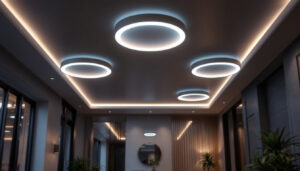
Proper placement and spacing of round fluorescent fixtures are crucial for achieving uniform lighting. Contractors should consider the layout of the space and the intended use when determining fixture placement. A common guideline is to space fixtures evenly to minimize shadows and provide consistent illumination.
In larger spaces, contractors may need to use multiple fixtures to achieve the desired lighting level. Strategic placement can also enhance the visual appeal of the space, drawing attention to architectural features or specific areas.
Emerging Trends in Round Fluorescent Lighting
The lighting industry is continuously evolving, with new technologies and trends emerging regularly. For lighting contractors, staying informed about these trends can provide a competitive edge. This section highlights some of the latest developments in round fluorescent lighting.
Integration with Smart Technology
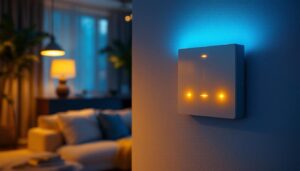
One of the most significant trends in lighting is the integration of smart technology. Round fluorescent fixtures are now being designed to work with smart home systems, allowing for greater control over lighting. Contractors should familiarize themselves with these technologies to offer clients enhanced options for their lighting systems.
Smart features may include adjustable brightness, color temperature control, and remote access through mobile applications. These advancements not only improve user experience but also contribute to energy savings, as users can optimize their lighting based on their needs.
Sustainability and Energy Efficiency
As sustainability becomes a priority for many consumers, the demand for energy-efficient lighting solutions continues to grow. Round fluorescent fixtures are already recognized for their energy-saving capabilities, but advancements in technology are pushing the boundaries even further.
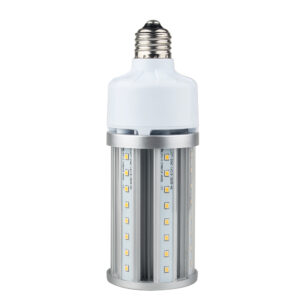
Contractors should stay informed about new energy-efficient products and practices. This includes understanding the benefits of LED retrofits for existing fluorescent fixtures, which can offer even greater energy savings and longer lifespans.
Conclusion
Mastering round fluorescent light fixtures is essential for lighting contractors seeking to provide high-quality lighting solutions. By understanding the features, installation techniques, maintenance practices, and design considerations associated with these fixtures, contractors can enhance their expertise and better serve their clients.
As the lighting industry continues to evolve, staying informed about emerging trends and technologies will be crucial. By embracing innovation and prioritizing sustainability, contractors can position themselves as leaders in the field, ensuring that they meet the ever-changing demands of the market.
In the end, the mastery of round fluorescent light fixtures is not just about installation; it is about creating spaces that are functional, aesthetically pleasing, and energy-efficient. With the right knowledge and resources, lighting contractors can excel in their craft and contribute to a brighter future.
Get Your Premium Round Fluorescent Fixtures at LumenWholesale
Ready to elevate your lighting projects with the best round fluorescent light fixtures on the market? Look no further than LumenWholesale, where we provide contractors with top-quality, spec-grade lighting products at unbeatable wholesale prices. Say goodbye to local distributor markups and hello to superior lighting products that meet the highest industry standards. With LumenWholesale, bulk buying is a breeze, and with free shipping, you’re guaranteed premium lighting at the best value — without hidden fees or compromises. Enhance your lighting expertise and create stunning, energy-efficient spaces with ease. Wholesale Lighting at the Best Value is just a click away.