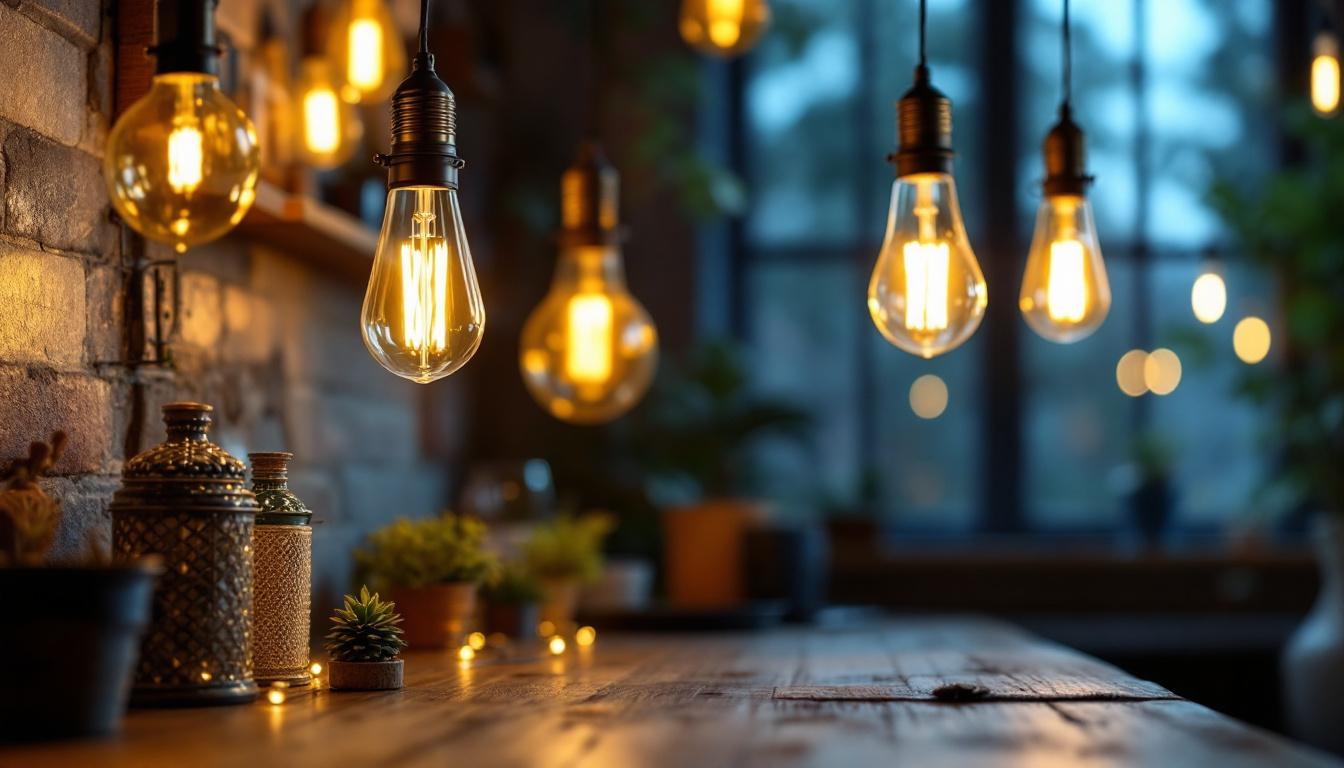
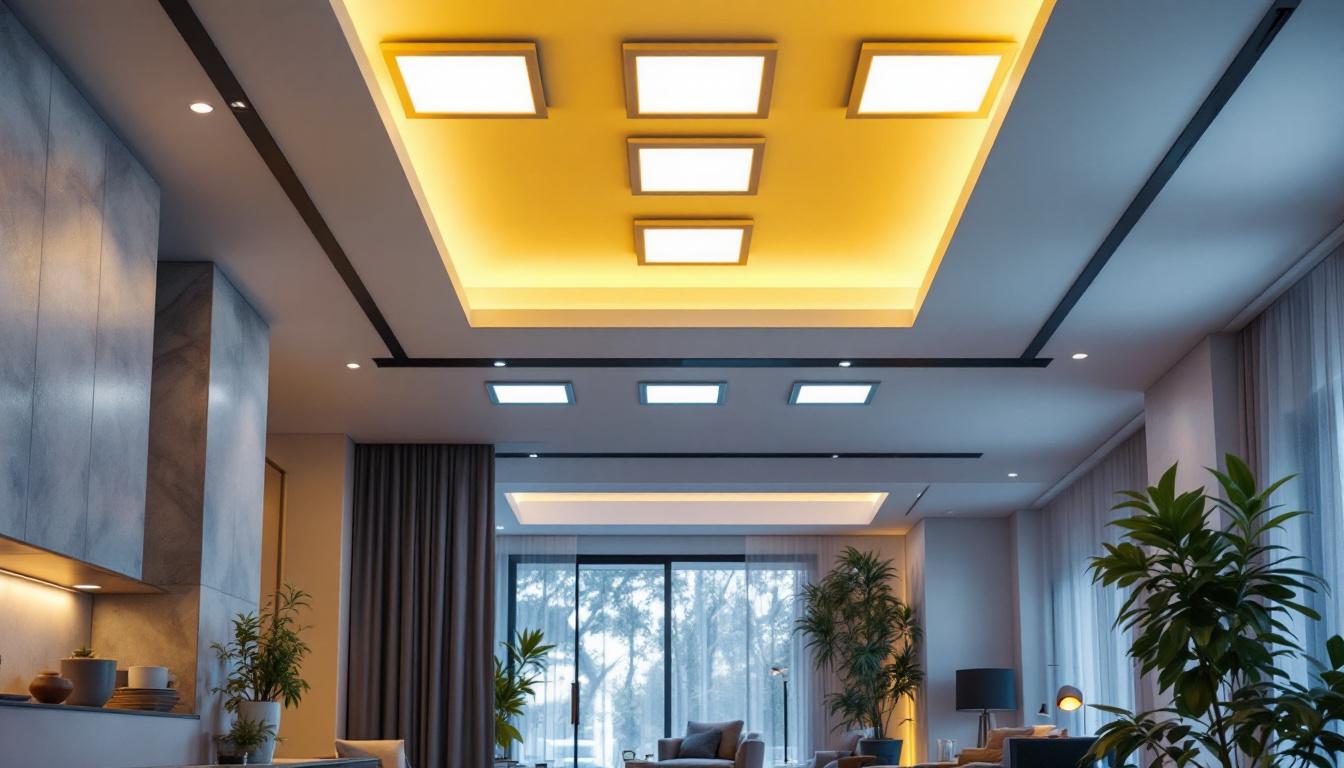
In the competitive world of lighting installation, understanding the nuances of sale lighting can significantly impact both project outcomes and client satisfaction. This article aims to provide a concise yet comprehensive overview of sale lighting, tailored specifically for lighting contractors. Whether you’re looking to enhance your knowledge or streamline your sales approach, this guide covers essential aspects in a digestible format.
What is Sale Lighting?
Sale lighting refers to the strategic use of lighting fixtures and techniques to enhance the visual appeal of products in retail environments. It plays a crucial role in influencing customer behavior, driving sales, and creating an inviting atmosphere. For lighting contractors, mastering the principles of sale lighting can lead to improved project success and client relationships. The right lighting can not only showcase products but also evoke specific emotions, making it a powerful tool in the retail arsenal.
The Importance of Sale Lighting
Effective sale lighting can transform a mundane shopping experience into an engaging journey. It not only highlights products but also sets the mood and tone of the space. Properly executed, sale lighting can:
- Increase product visibility, drawing attention to key items.
- Create an emotional connection with customers, encouraging them to linger longer.
- Enhance the overall aesthetic of the store, contributing to brand identity.
For lighting contractors, understanding these benefits is essential when designing and implementing lighting solutions for retail spaces. Moreover, the psychological impact of lighting should not be underestimated; studies have shown that well-lit environments can lead to increased customer satisfaction and higher sales conversions. When customers feel comfortable and engaged, they are more likely to make purchases, underscoring the importance of thoughtful lighting design.
Types of Sale Lighting
There are several types of sale lighting that contractors should be familiar with. Each type serves a specific purpose and can be used in various combinations to achieve the desired effect:
- Ambient Lighting: This is the general illumination that provides a uniform level of light throughout the space. It sets the foundation for all other types of lighting.
- Task Lighting: Focused lighting that highlights specific areas or products, making it easier for customers to see details.
- Accent Lighting: Used to draw attention to particular items or displays, accent lighting creates visual interest and can guide customer movement.
In addition to these primary types, there are also innovative lighting solutions that can further enhance the shopping experience. For instance, dynamic lighting systems can adjust brightness and color temperature based on the time of day or the season, creating a more immersive environment. Furthermore, integrating smart lighting technology allows retailers to control lighting remotely, enabling them to adapt to changing customer behaviors and preferences in real-time. This adaptability not only improves the shopping experience but also optimizes energy consumption, making it a win-win for both retailers and the environment.
Key Principles of Sale Lighting
To create effective sale lighting, contractors must adhere to several key principles. These principles guide the design and implementation process, ensuring that the lighting meets both aesthetic and functional requirements.
Color Temperature
Color temperature plays a significant role in how products are perceived. Warmer tones (around 2700K to 3000K) create a cozy and inviting atmosphere, ideal for fashion and home goods. Cooler tones (above 4000K) are often used in technology or health-related products, as they convey cleanliness and modernity. Understanding the appropriate color temperature for different retail environments is crucial for lighting contractors. Additionally, the choice of color temperature can influence customer behavior; studies have shown that warmer lighting can encourage shoppers to linger longer, potentially increasing sales. Therefore, it is beneficial for contractors to not only consider the products on display but also the emotional response they wish to evoke in customers.
Lighting Levels
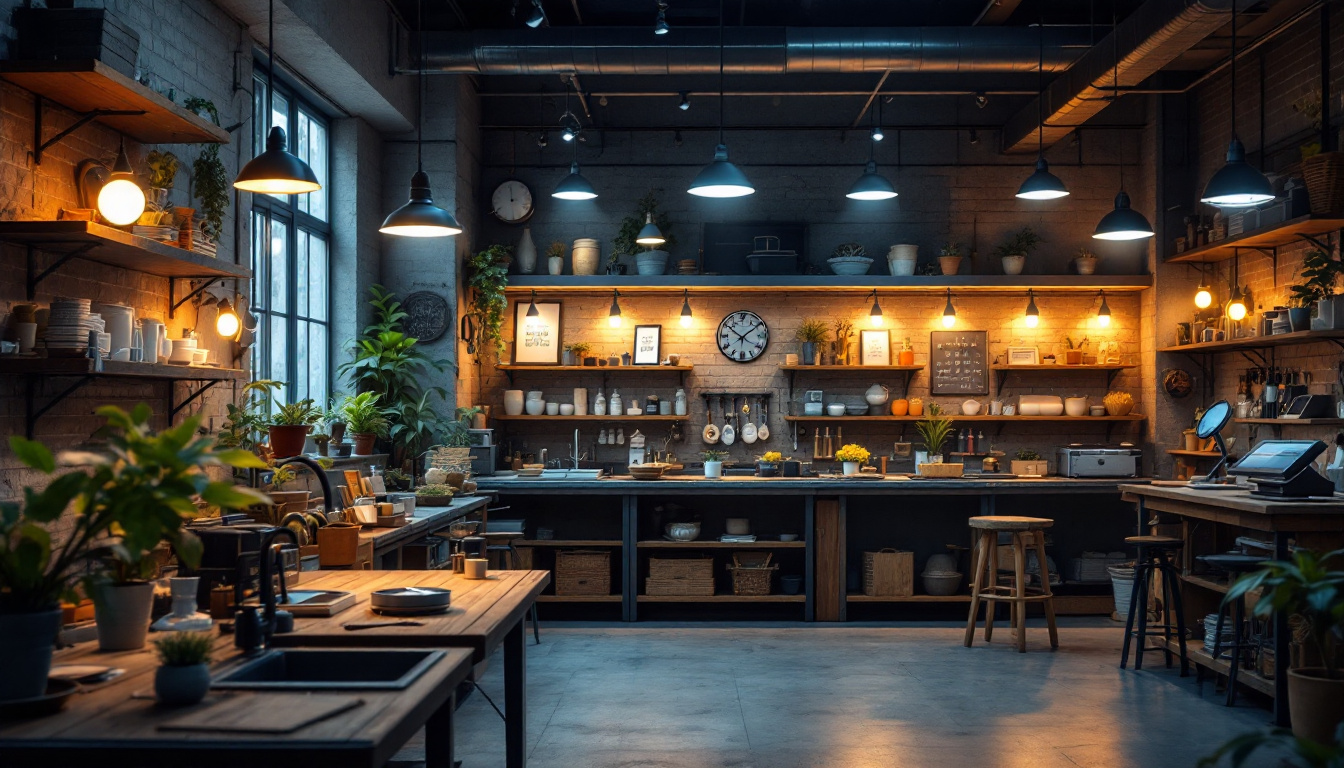
Balancing lighting levels is essential for creating an inviting space. Overly bright lighting can be harsh and unwelcoming, while insufficient lighting can make products difficult to see. A well-planned lighting scheme should incorporate varying levels of brightness to create depth and interest. Contractors should consider using dimmers and adjustable fixtures to provide flexibility in lighting levels. Furthermore, the use of accent lighting can highlight specific products or areas, drawing attention to promotional items or seasonal displays. By carefully managing the interplay of light and shadow, contractors can create a dynamic shopping experience that encourages exploration and engagement.
Fixture Placement
The placement of lighting fixtures can dramatically affect the overall impact of sale lighting. Strategic positioning can enhance product visibility and create focal points. Lighting contractors should consider the following:
- Directing light towards key displays or products.
- Using wall-mounted fixtures to create layers of light.
- Incorporating track lighting for versatility and adjustability.
Moreover, the height and angle of fixtures can also play a significant role in the effectiveness of the lighting scheme. For instance, fixtures placed at varying heights can create a more dynamic visual experience, while angled lighting can reduce glare and enhance the texture of products. It is also important for contractors to take into account the layout of the retail space; open areas may benefit from broader, more dispersed lighting, while smaller, intimate spaces might require focused beams to create a sense of coziness. By thoughtfully considering these elements, contractors can ensure that the lighting not only serves its practical purpose but also enhances the overall shopping experience.
Designing a Sale Lighting Plan
Creating a successful sale lighting plan involves a blend of creativity, technical knowledge, and an understanding of the retail environment. Here are some steps to guide lighting contractors in designing an effective lighting plan.
Assess the Space
Before designing a lighting plan, it is essential to conduct a thorough assessment of the retail space. This includes evaluating the layout, product placement, and existing lighting conditions. Understanding the unique characteristics of the space will inform the lighting design process.
Collaborate with Clients
Collaboration with clients is vital in developing a lighting plan that meets their needs and expectations. Engaging in discussions about their vision, brand identity, and target audience will help tailor the lighting design to align with their goals. Presenting different lighting options and scenarios can also facilitate informed decision-making.
Utilize Lighting Software
Many lighting contractors now use specialized software to create detailed lighting plans. These tools allow for precise calculations of light levels, fixture placement, and energy consumption. Utilizing lighting design software can enhance the accuracy and efficiency of the planning process, ensuring that the final design meets both aesthetic and functional requirements.
Common Challenges in Sale Lighting
While designing and implementing sale lighting, contractors may encounter various challenges. Understanding these potential hurdles can prepare contractors to address them effectively.
Budget Constraints
Budget limitations are a common challenge in retail lighting projects. Clients may have specific financial constraints that impact the choice of fixtures and technology. Lighting contractors should be prepared to offer cost-effective solutions without compromising on quality. This may involve selecting energy-efficient fixtures or proposing phased implementations to spread costs over time.
Technological Integration
As technology continues to evolve, integrating advanced lighting solutions can be complex. Smart lighting systems, which allow for remote control and automation, can enhance the customer experience but may require additional expertise. Contractors should stay informed about the latest technologies and consider training or partnerships to ensure successful integration.
Adapting to Changing Trends
The retail landscape is constantly evolving, and so are consumer preferences. Keeping up with the latest trends in sale lighting is essential for contractors to remain competitive. This may involve researching new design styles, fixture innovations, and emerging technologies. Regularly attending industry events and workshops can provide valuable insights into current and future trends.
Best Practices for Sale Lighting
To ensure the success of sale lighting projects, contractors should adhere to several best practices. These practices not only enhance the effectiveness of the lighting design but also contribute to client satisfaction.
Conduct Regular Maintenance
Regular maintenance of lighting fixtures is crucial for optimal performance. Dust and dirt can accumulate on fixtures, diminishing their effectiveness. Establishing a maintenance schedule can help ensure that the lighting remains in top condition, providing consistent illumination and enhancing the overall shopping experience.
Be Mindful of Energy Efficiency
Energy-efficient lighting solutions not only reduce operating costs for clients but also contribute to sustainability efforts. Contractors should recommend energy-efficient fixtures, such as LED lighting, which consume less power and have a longer lifespan. Educating clients on the benefits of energy-efficient lighting can also foster stronger relationships and demonstrate a commitment to sustainability.
Gather Feedback and Adapt
After implementing a sale lighting design, gathering feedback from clients and customers can provide valuable insights. Understanding how the lighting impacts customer behavior and satisfaction can inform future projects. Contractors should be open to making adjustments based on feedback to enhance the overall effectiveness of the lighting design.
Conclusion
Sale lighting is a vital component of retail environments, influencing customer behavior and enhancing the shopping experience. For lighting contractors, understanding the principles, challenges, and best practices associated with sale lighting is essential for delivering successful projects. By focusing on effective design, collaboration with clients, and staying informed about industry trends, contractors can elevate their services and contribute to the success of their clients’ businesses.
In a world where first impressions matter, the right lighting can make all the difference. By mastering the art of sale lighting, contractors can not only enhance their skill set but also play a pivotal role in shaping the retail landscape.
Illuminate Your Projects with LumenWholesale
Ready to take your lighting projects to the next level? At LumenWholesale, we provide lighting contractors with the high-quality, spec-grade lighting products you need to create impactful sale lighting experiences. With our unbeatable wholesale prices and commitment to cutting out the middleman, you’re guaranteed superior products at the best value. Our wide selection adheres to the highest industry standards, ensuring every installation shines with reliability and performance. Plus, with free shipping on bulk orders, you can stock up on premium lighting solutions without worrying about hidden fees. Elevate your service offerings and delight your clients by choosing Wholesale Lighting at the Best Value with LumenWholesale.