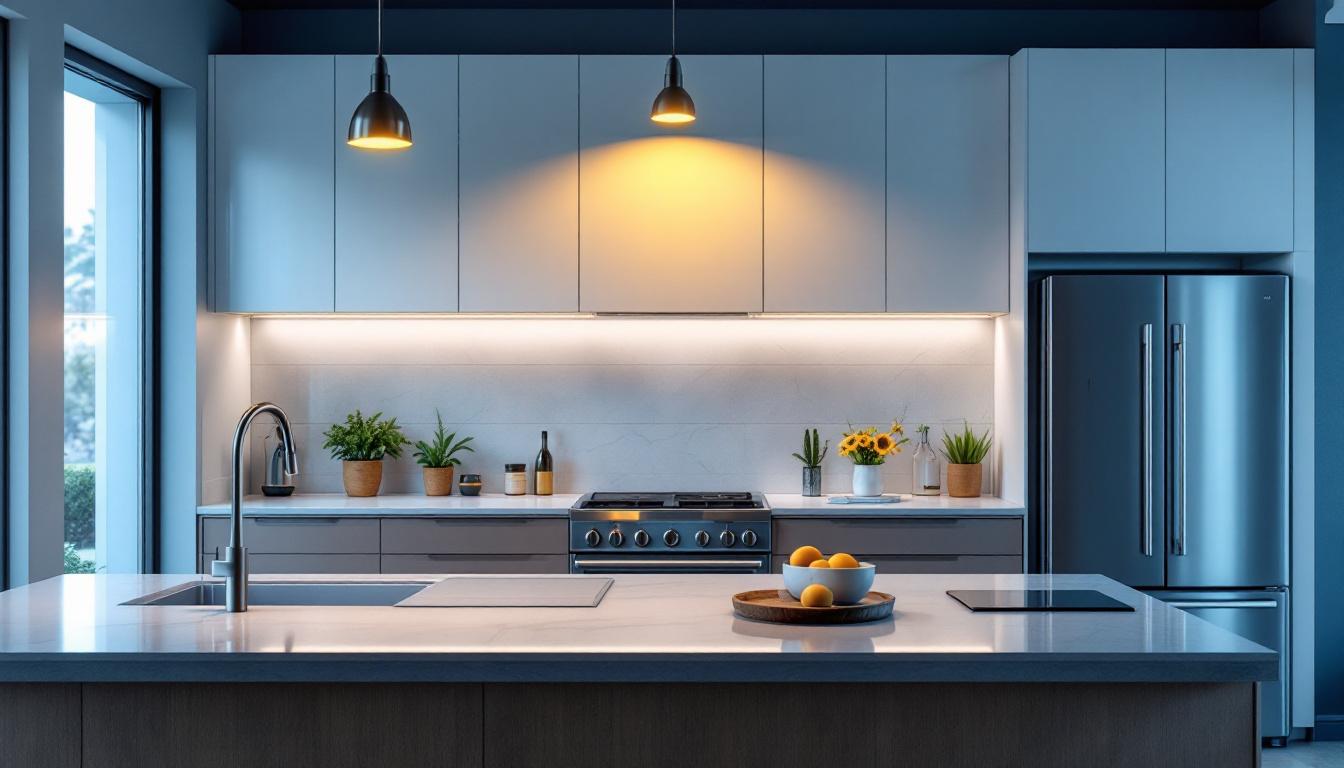
As the heart of the home, the kitchen deserves a lighting solution that is both functional and aesthetically pleasing. For lighting contractors, selecting the right can lights for kitchen spaces can significantly enhance the ambiance and usability of this essential area. This article provides quick tips and insights into the best can lights for kitchens, helping contractors make informed decisions that will satisfy their clients.
Understanding the Importance of Kitchen Lighting
Lighting in the kitchen serves multiple purposes. It not only illuminates workspaces for cooking and food preparation but also sets the mood for dining and socializing. A well-lit kitchen can make a space feel larger and more inviting, while also ensuring safety during meal prep. The right lighting can also enhance the colors and textures of food, making the cooking experience more enjoyable and visually appealing.
Moreover, the right lighting can highlight architectural features, cabinetry, and decor, adding to the overall aesthetics of the kitchen. For instance, a beautifully designed backsplash can be accentuated with the right lighting, drawing attention to its intricate details. Therefore, understanding the various types of lighting and their applications is crucial for any lighting contractor. This knowledge not only aids in the practical aspects of kitchen design but also contributes to the emotional experience of those who inhabit the space.
Types of Kitchen Lighting
Kitchen lighting typically falls into three categories: ambient, task, and accent lighting. Each type plays a distinct role in creating a well-lit kitchen environment. By combining these different lighting types, homeowners can achieve a balanced and functional lighting scheme that caters to their specific needs.
- Ambient Lighting: This is the general illumination that fills the entire space. Can lights can effectively serve as ambient lighting, providing a warm and inviting glow. Additionally, ceiling-mounted fixtures or chandeliers can also serve this purpose, adding a touch of elegance and style to the kitchen.
- Task Lighting: Task lighting focuses on specific areas where activities such as cooking or chopping take place. Under-cabinet lighting and pendant lights are common examples. This type of lighting is essential for ensuring that food preparation areas are well-lit, reducing the risk of accidents and improving efficiency.
- Accent Lighting: Accent lighting is used to highlight specific features, such as artwork or architectural details. Can lights can also be used for this purpose when strategically placed. This type of lighting not only adds depth and dimension to the kitchen but can also create a focal point that draws the eye and enhances the overall design.
In addition to these three primary categories, it’s worth noting the growing trend of smart lighting solutions in modern kitchens. Smart lighting systems allow homeowners to control the intensity and color of their kitchen lights through mobile apps or voice commands, providing flexibility and convenience. This technology can be particularly useful for setting the right ambiance for different occasions, whether it’s a family dinner or a lively gathering with friends. The integration of smart lighting can also contribute to energy efficiency, as homeowners can easily turn off lights in unoccupied areas or adjust settings to reduce power consumption.
Choosing the Right Can Lights
When selecting can lights for a kitchen, several factors should be considered to ensure optimal performance and aesthetics. These include the size of the can lights, the type of bulbs used, and the overall design of the kitchen.
Size and Placement
The size of the can lights is crucial for achieving the desired illumination. Larger spaces may require larger can lights or a greater number of smaller fixtures to ensure even lighting throughout the area. Additionally, the placement of the lights should be carefully planned to avoid shadows and dark spots.
For instance, placing can lights directly over work areas such as countertops and islands can enhance task lighting. A general rule of thumb is to space the can lights about 4 to 6 feet apart, depending on the height of the ceiling.
Choosing the Right Bulb
The choice of bulb can greatly affect the quality of light produced. LED bulbs are often recommended for can lights due to their energy efficiency, longevity, and available color temperatures. A color temperature of around 2700K to 3000K provides a warm, inviting glow, while 4000K offers a cooler, more neutral light that can be beneficial for task areas.
Additionally, dimmable LED options allow for greater flexibility in adjusting the light levels based on the time of day and activities taking place in the kitchen.
Innovative Features to Consider
Modern can lights come with a variety of innovative features that can enhance functionality and convenience. Lighting contractors should be aware of these options to provide the best solutions for their clients.
Smart Lighting Technology
Smart can lights can be controlled via smartphone apps or voice-activated devices, allowing homeowners to adjust lighting levels and colors with ease. This technology can also be programmed to create different lighting scenes for various activities, from cooking to entertaining.
Integrating smart lighting into kitchen designs not only adds convenience but can also increase the overall value of the home.
Adjustable Trim Options
Adjustable trim can lights allow for directional lighting, which can be particularly useful in kitchens with unique layouts or features. These fixtures can be tilted or rotated to focus light where it is needed most, such as on a kitchen island or a specific countertop.
This flexibility can help create a more dynamic lighting design, enhancing both functionality and aesthetics.
Energy Efficiency and Sustainability
In today’s environmentally conscious world, energy efficiency is a significant consideration for lighting contractors. Selecting energy-efficient can lights not only benefits the environment but also saves homeowners money on their energy bills.
LED vs. Traditional Bulbs
When comparing LED bulbs to traditional incandescent or halogen options, LEDs stand out due to their lower energy consumption and longer lifespan. While the initial cost of LED fixtures may be higher, the long-term savings and reduced maintenance make them a worthwhile investment.
Encouraging clients to opt for LED can lights can also contribute to achieving green building certifications, which may be an attractive selling point for some homeowners.
Recyclable Materials
Another aspect of sustainability is the materials used in the construction of can lights. Many manufacturers are now producing fixtures made from recyclable materials, which can further reduce the environmental impact of a kitchen renovation.
Lighting contractors should consider sourcing products from companies that prioritize sustainability in their manufacturing processes, as this aligns with the growing demand for eco-friendly home improvements.
Design Considerations
The design of can lights should complement the overall style of the kitchen. From sleek modern designs to more traditional options, the right can lights can enhance the aesthetic appeal of the space.
Finishes and Styles
Can lights come in various finishes, including brushed nickel, matte black, and white. Choosing the right finish can help the fixtures blend seamlessly with other elements in the kitchen, such as cabinetry and appliances.
Additionally, contractors should consider the style of the kitchen. For instance, a contemporary kitchen may benefit from minimalist can lights, while a farmhouse-style kitchen might look great with fixtures that have a more rustic appearance.
Creating a Cohesive Look
To achieve a cohesive look, it is essential to coordinate the can lights with other lighting elements in the kitchen. This includes pendant lights over islands, under-cabinet lighting, and decorative fixtures.
By ensuring that all lighting elements share a common design language, contractors can create a harmonious and inviting kitchen environment.
Installation Tips for Lighting Contractors
Proper installation is key to maximizing the performance of can lights in the kitchen. Here are some essential tips for lighting contractors to consider.
Follow Electrical Codes
It is crucial to adhere to local electrical codes and regulations when installing can lights. This ensures safety and compliance, preventing potential issues down the line.
Contractors should also be familiar with the specific requirements for kitchen lighting, such as the placement of fixtures near sinks and other water sources.
Use the Right Tools
Having the right tools on hand can make the installation process smoother and more efficient. Essential tools may include a stud finder, drill, wire strippers, and a voltage tester.
Additionally, using a laser level can help ensure that can lights are installed at the correct height and alignment, contributing to a professional finish.
Maintenance and Upkeep
Once the can lights are installed, ongoing maintenance is necessary to ensure they continue to perform optimally. Educating clients on proper care can enhance their satisfaction and prolong the life of the fixtures.
Regular Cleaning
Dust and grease can accumulate on can lights, especially in kitchen environments. Regular cleaning is essential to maintain brightness and prevent discoloration.
Contractors should recommend cleaning methods that are safe for the specific materials used in the can lights, ensuring that clients can keep their fixtures looking new.
Replacing Bulbs
While LED bulbs have a long lifespan, they will eventually need to be replaced. Educating clients on how to safely change bulbs and the importance of using the correct wattage can prevent damage to fixtures and ensure consistent lighting quality.
Conclusion
The choice of can lights in a kitchen can significantly impact both functionality and aesthetics. By understanding the various types of lighting, selecting the right fixtures, and considering innovative features, lighting contractors can provide exceptional solutions that meet their clients’ needs.
From energy efficiency to design considerations and proper installation techniques, these quick tips offer a comprehensive guide for contractors looking to enhance their kitchen lighting projects. By staying informed and embracing modern trends, lighting professionals can elevate their work and contribute to creating beautiful, well-lit kitchens that homeowners will love.
Illuminate Your Kitchen Projects with LumenWholesale
Ready to take your kitchen lighting projects to the next level? Discover the exceptional value and quality that LumenWholesale offers. Our spec-grade can lights are designed to meet the needs of the most discerning contractors, ensuring every kitchen shines with the perfect blend of functionality and style. With unbeatable wholesale prices and the convenience of free shipping on bulk orders, you can equip your projects with premium lighting without the premium price tag. Elevate your lighting game and give your clients the beautifully lit kitchens they dream of. Visit LumenWholesale today for Wholesale Lighting at the Best Value.