As the demand for sustainable solutions continues to rise, solar-powered exterior lights have emerged as a popular choice among homeowners and businesses alike. For lighting contractors, understanding the intricacies of these systems is essential for providing clients with effective, eco-friendly lighting solutions. This article delves into the benefits, installation processes, and considerations of solar-powered exterior lights, aiming to simplify the decision-making process for contractors.
The Benefits of Solar-Powered Exterior Lights
Solar-powered exterior lights offer numerous advantages that can enhance the appeal of a project for both contractors and clients. These benefits include energy efficiency, cost savings, and environmental impact.
Energy Efficiency
One of the most significant advantages of solar-powered lights is their energy efficiency. By harnessing the sun’s energy, these lights reduce reliance on traditional power sources, which can lead to lower energy bills for homeowners. Furthermore, solar lights operate independently of the electrical grid, making them an excellent choice for remote areas or locations where installing electrical wiring would be challenging. Many solar lights are equipped with advanced sensors that automatically turn on at dusk and off at dawn, ensuring optimal energy use and extending the lifespan of the batteries. This smart technology not only maximizes efficiency but also provides convenience for users, eliminating the need for manual operation.
Cost Savings
While the initial investment in solar-powered lighting may be higher than traditional options, the long-term cost savings can be substantial. Homeowners save on electricity bills, and many solar lights require minimal maintenance. Additionally, with advancements in solar technology, the lifespan of solar lights has significantly increased, further enhancing their cost-effectiveness. Some models even come with replaceable batteries and LED bulbs, which can last for years, reducing the need for frequent replacements and repairs. Moreover, many local governments and organizations offer incentives or rebates for installing solar lighting, which can further offset the initial costs and make these systems even more appealing to budget-conscious clients.
Environmental Impact
Using solar energy reduces carbon footprints, making solar-powered lights an environmentally friendly option. As more clients seek sustainable solutions, contractors can position themselves as leaders in eco-conscious design. This not only attracts environmentally aware customers but also aligns with global efforts to promote renewable energy sources. Additionally, solar lights contribute to reducing light pollution, as many models are designed to emit a warm glow that is less harsh on the eyes and minimizes disruption to local wildlife. By choosing solar-powered lighting, clients can create beautiful outdoor spaces that are not only functional but also harmonious with nature, fostering a sense of responsibility towards the environment and encouraging others in their community to consider similar sustainable practices.
Types of Solar-Powered Exterior Lights
Understanding the various types of solar-powered exterior lights available can help contractors recommend the best solutions for their clients’ needs. Each type serves different purposes and has unique features, making it essential to consider the specific requirements of each outdoor space.
Pathway Lights
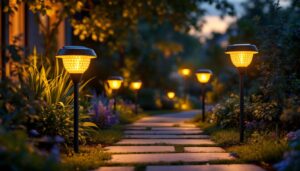
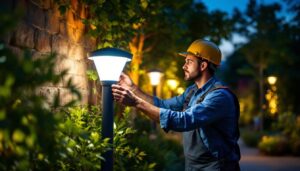
Pathway lights are designed to illuminate walkways and garden paths, enhancing safety and aesthetics. They come in various styles, including stake-mounted and wall-mounted options. Pathway lights typically feature motion sensors, allowing them to conserve energy by only activating when movement is detected. In addition to their practical function, these lights can also be a decorative element in landscaping, with designs ranging from sleek modern fixtures to vintage lantern styles that can complement any garden theme. Moreover, many pathway lights are equipped with LED bulbs, which not only provide bright illumination but also have a longer lifespan and lower energy consumption than traditional bulbs.
Flood Lights
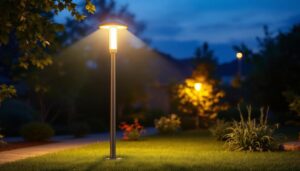
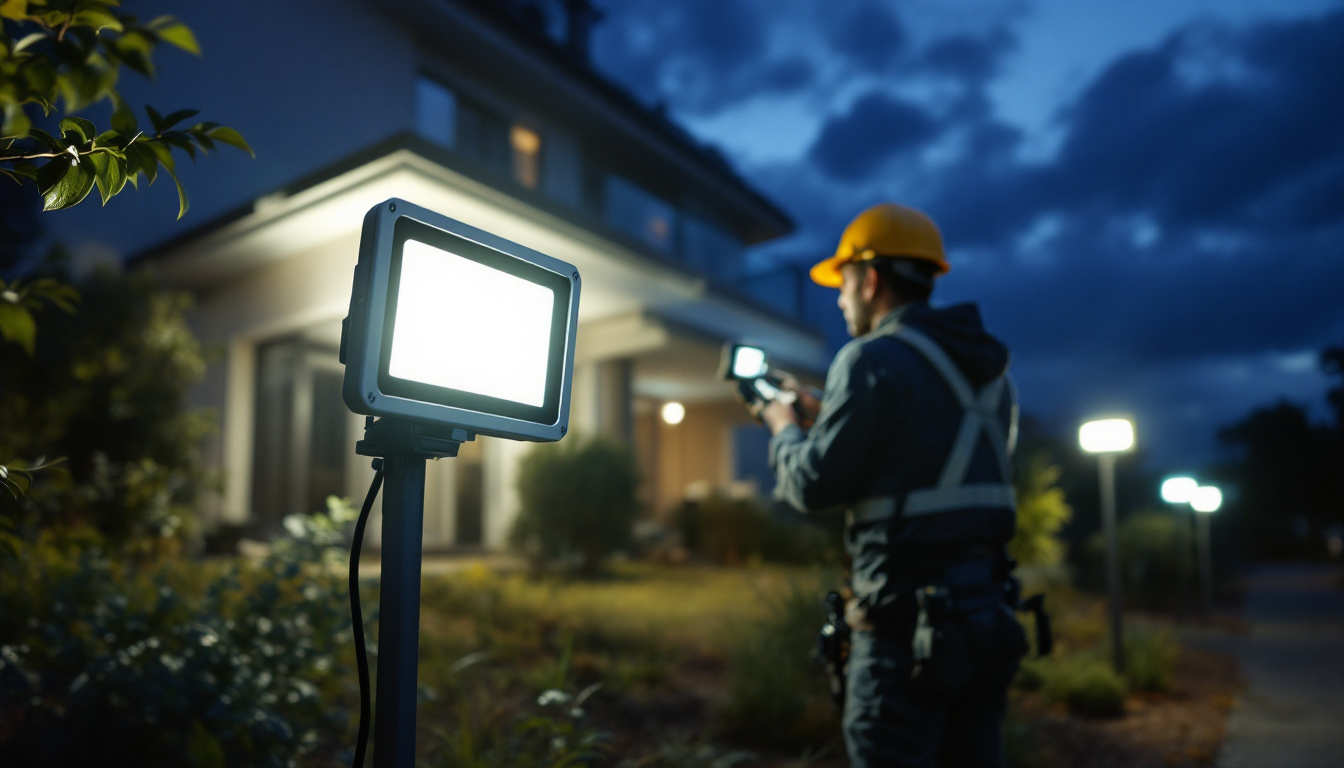
Flood lights provide powerful illumination for larger areas, making them ideal for security purposes or illuminating outdoor spaces during gatherings. These lights often come equipped with adjustable brightness settings and motion detection features, allowing for customized lighting solutions. Their robust design ensures durability in various weather conditions. Additionally, many flood lights now incorporate smart technology, enabling homeowners to control them remotely via smartphone apps. This feature allows for enhanced security, as users can turn the lights on or off from anywhere, creating the illusion of occupancy even when they are away. Furthermore, some models can be integrated with home security systems, providing an extra layer of protection.
Wall-Mounted Lights
Wall-mounted solar lights are perfect for enhancing the exterior of buildings. They can be used to highlight architectural features or provide additional security lighting. Many models are designed to blend seamlessly with the building’s facade, offering both functionality and aesthetic appeal. These lights can also serve dual purposes; for instance, they can illuminate entryways while providing ambient lighting for outdoor gatherings. Some wall-mounted options even come with adjustable heads, allowing users to direct light where it is most needed. Additionally, the variety of finishes available, from brushed nickel to matte black, ensures that there is a suitable option for every style of home, enhancing curb appeal while promoting safety and visibility at night.
Installation Considerations
Installing solar-powered exterior lights requires careful planning and consideration. Lighting contractors must assess various factors to ensure a successful installation that meets client expectations.
Site Assessment
A thorough site assessment is crucial before installation. Contractors should evaluate the amount of sunlight the area receives throughout the day, as this will determine the efficiency of the solar lights. Areas with significant shade from trees or buildings may require additional planning, such as selecting lights with higher wattage or considering alternative placements.
Placement and Orientation
Proper placement and orientation of solar lights are vital for maximizing their efficiency. Ideally, solar panels should be positioned to receive direct sunlight for the longest duration possible. This may involve adjusting the angle or height of the lights to prevent obstructions. Additionally, contractors should consider the purpose of the lights when determining their placement, ensuring they provide adequate illumination for the intended area.
Battery and Charging Considerations
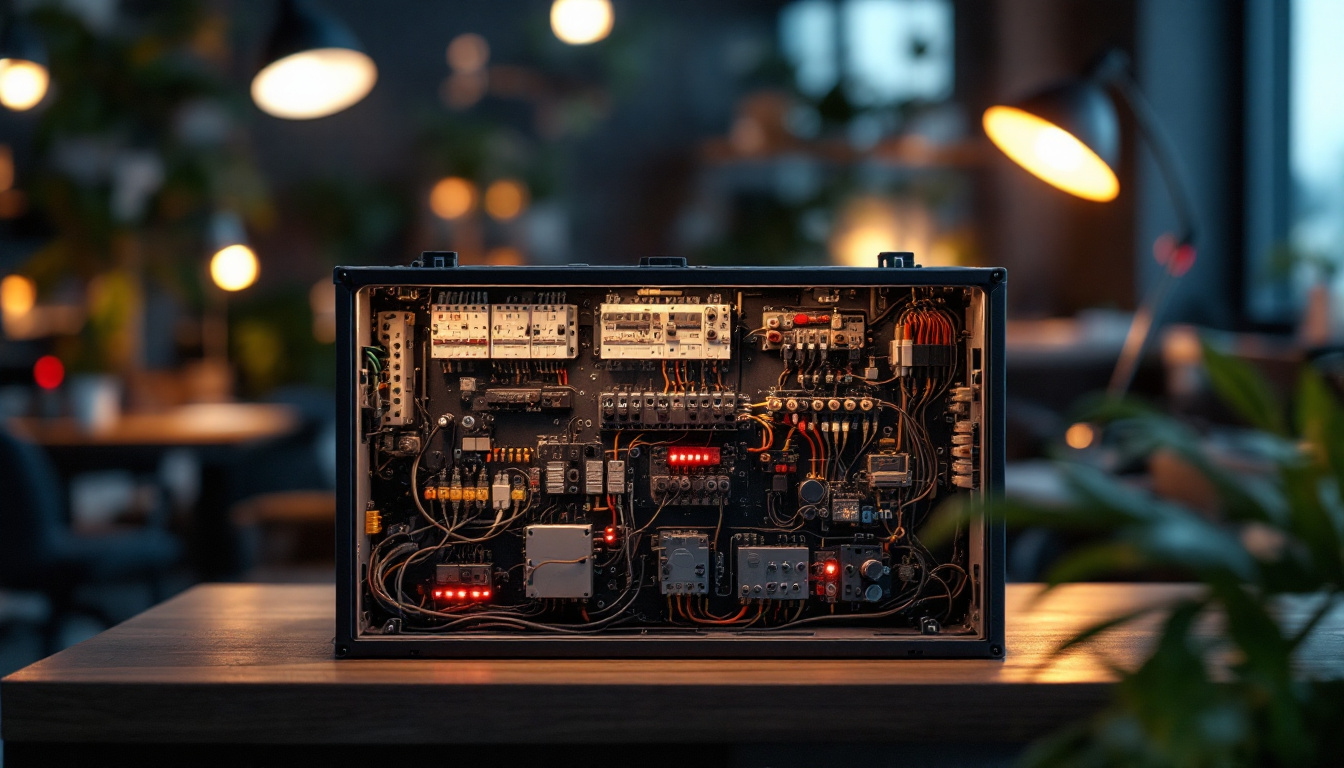
The performance of solar-powered lights is heavily influenced by their batteries and charging systems. Contractors should familiarize themselves with the different types of batteries used in solar lights, such as lithium-ion or nickel-metal hydride, and their respective charging times. Understanding these factors will help ensure that clients receive lights that meet their specific needs, particularly in areas with varying sunlight exposure.
Maintenance and Longevity
While solar-powered lights generally require less maintenance than traditional lighting, some upkeep is necessary to ensure optimal performance. Educating clients about maintenance practices can enhance their satisfaction and prolong the lifespan of the lights.
Regular Cleaning
Dust, dirt, and debris can accumulate on solar panels, obstructing sunlight and reducing efficiency. Contractors should advise clients to clean the panels regularly, particularly in areas with heavy pollen or dust. A simple wipe with a damp cloth can significantly improve performance and ensure the lights operate effectively.
Battery Replacement
Over time, the batteries in solar lights may lose their ability to hold a charge. Contractors should inform clients about the expected lifespan of the batteries and provide guidance on when replacement is necessary. Most solar lights use rechargeable batteries, which can be easily replaced, ensuring continued functionality.
Seasonal Adjustments
In regions with distinct seasons, contractors should recommend seasonal adjustments to solar lights. For example, during winter months, when daylight hours are shorter, clients may need to reposition lights to maximize sunlight exposure. Additionally, advising clients on how to store lights during extreme weather conditions can prevent damage and extend their lifespan.
Addressing Common Misconceptions
Despite the growing popularity of solar-powered exterior lights, several misconceptions persist that can hinder their adoption. Lighting contractors should be prepared to address these concerns with accurate information.
Performance in Cloudy Weather
One common misconception is that solar lights are ineffective in cloudy or rainy weather. While it is true that solar panels generate less energy during overcast conditions, many modern solar lights are designed to operate efficiently even with limited sunlight. Contractors can reassure clients that high-quality solar lights can still provide adequate illumination during less-than-ideal weather.
Initial Costs vs. Long-Term Savings
Another misconception involves the initial costs associated with solar lights. While the upfront investment may be higher than traditional lighting options, the long-term savings on electricity bills and maintenance costs often outweigh these initial expenses. Educating clients about the total cost of ownership can help them see the value in choosing solar-powered solutions.
Durability and Reliability
Some clients may question the durability and reliability of solar lights, fearing they may not withstand harsh weather conditions. However, many manufacturers produce solar lights designed to endure extreme temperatures, rain, and snow. Contractors should emphasize the importance of selecting high-quality products with robust warranties to ensure client confidence in their investment.
Future Trends in Solar Lighting
The solar lighting industry is continuously evolving, with new technologies and trends emerging to enhance performance and user experience. Staying informed about these developments can help contractors remain competitive in the market.
Smart Technology Integration
Smart technology is becoming increasingly prevalent in solar lighting solutions. Features such as remote control, smartphone integration, and programmable settings allow users to customize their lighting experience. Contractors should explore options that incorporate smart technology, as these features can significantly enhance the appeal of solar lights to tech-savvy clients.
Improved Battery Technology
Advancements in battery technology are also shaping the future of solar lighting. Newer battery types offer longer lifespans and faster charging times, improving the overall efficiency of solar-powered lights. Contractors should stay updated on these advancements to provide clients with the most effective solutions available.
Design Innovations
As the demand for aesthetically pleasing lighting solutions grows, manufacturers are focusing on design innovations that blend functionality with style. From sleek modern designs to classic styles, there are now solar lights available to suit any architectural preference. Contractors should be prepared to offer a range of options that cater to diverse client tastes.
Conclusion
Solar-powered exterior lights present a compelling opportunity for lighting contractors to offer sustainable, cost-effective, and aesthetically pleasing solutions to their clients. By understanding the benefits, installation considerations, and maintenance requirements of these systems, contractors can simplify the process for their clients while enhancing their own service offerings. As the industry continues to evolve, staying informed about trends and advancements will ensure that contractors remain competitive in an ever-changing market.
Illuminate Your Projects with LumenWholesale
Ready to elevate your lighting projects with the most efficient, sustainable, and cost-effective solar-powered exterior lights? Look no further than LumenWholesale. We provide contractors with spec-grade lighting products that meet the highest industry standards, all at unbeatable wholesale prices. Say goodbye to local distributor markups and hello to premium lighting with free shipping, ensuring you get the best value for your bulk purchases. Don’t compromise on quality or affordability. Make your next project shine with LumenWholesale, where quality, affordability, and convenience come together. Discover our extensive selection and take advantage of the best wholesale lighting value by visiting Wholesale Lighting at the Best Value today.