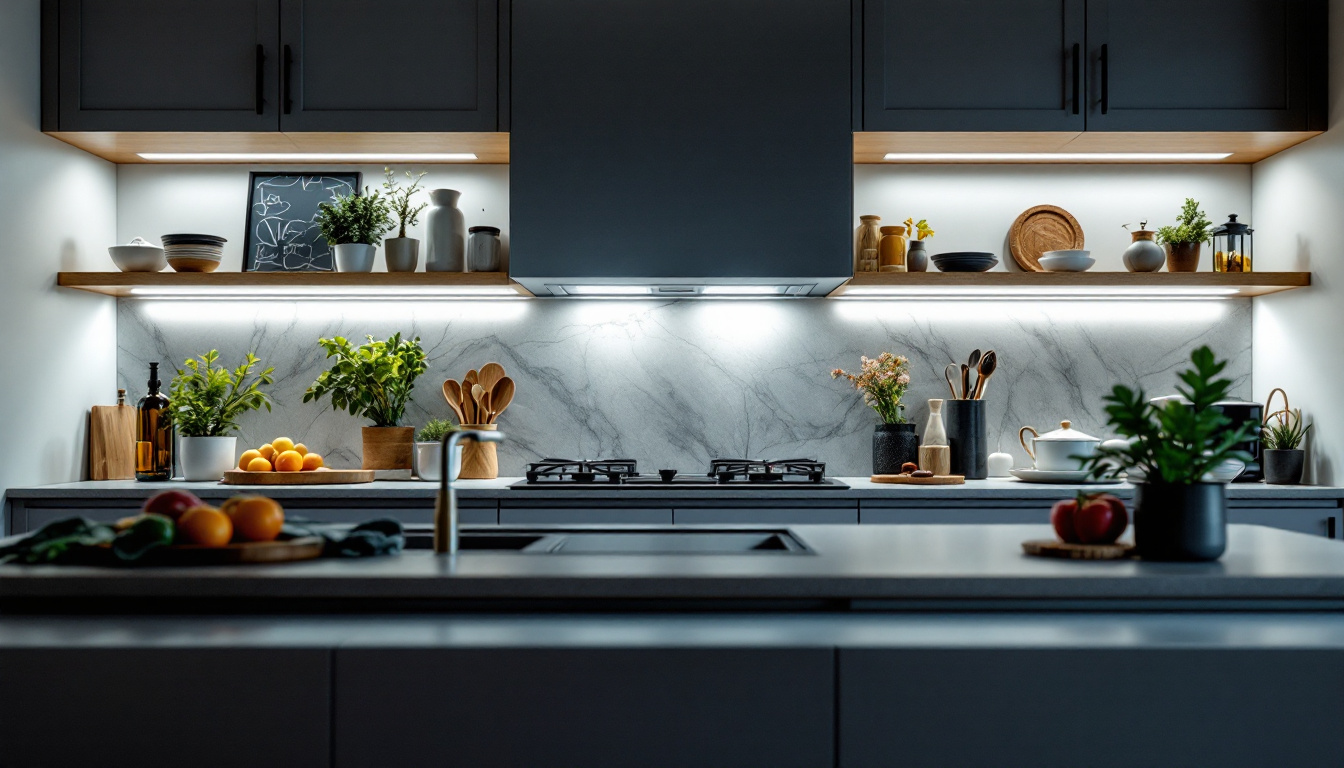
In an era where energy efficiency and aesthetic appeal are paramount, indoor gas light fixtures are making a significant comeback. These fixtures not only provide unique ambiance but also offer lighting contractors a fresh avenue for creativity and innovation. As the demand for distinctive lighting solutions grows, understanding the nuances of gas lighting becomes essential for contractors looking to stay ahead in the industry.
The Resurgence of Gas Lighting
While electric lighting has dominated the market for decades, gas lighting is experiencing a renaissance. This revival is driven by a combination of nostalgia, design trends, and the desire for sustainable energy solutions. Gas light fixtures, with their vintage charm, can transform a space, providing warmth and character that electric lights often lack.
Historical Context
Gas lighting has a rich history, dating back to the early 19th century when it illuminated streets and homes alike. Its decline in popularity coincided with the rise of electric lighting, which offered convenience and efficiency. However, as modern design trends lean towards retro aesthetics, gas fixtures are being reintroduced into contemporary spaces, blending old-world charm with modern functionality. The initial adoption of gas lighting was revolutionary; it allowed cities to extend their activities into the night, fostering a new era of nightlife and social gatherings. Iconic landmarks, such as the famous gas lamps of London, became symbols of progress and sophistication, further embedding gas lighting into the cultural fabric of the time.
Modern Applications
Today, gas light fixtures are not just relics of the past; they are versatile tools that can enhance various settings. From restaurants and hotels to residential homes, these fixtures add a layer of sophistication and warmth. Lighting contractors can leverage this trend by incorporating gas fixtures into their projects, offering clients unique solutions that stand out in a crowded market. In high-end restaurants, for instance, gas lighting can create an intimate dining experience, enhancing the ambiance and encouraging patrons to linger longer. Additionally, outdoor spaces such as patios and gardens benefit immensely from gas lighting, which can illuminate pathways and seating areas, making them inviting for evening gatherings.
Benefits of Gas Lighting
Gas lighting offers several advantages that make it an attractive option for both contractors and clients. First, gas fixtures can provide a continuous source of light without the flickering often associated with electric bulbs. Additionally, they can be more energy-efficient in certain applications, particularly in outdoor settings where they can be used to create a cozy atmosphere. The aesthetic appeal of gas fixtures also cannot be overstated; they serve as both functional lighting and decorative elements. Furthermore, gas lighting can be more environmentally friendly when sourced from renewable natural gas, aligning with the growing trend towards sustainability. This not only enhances the appeal of gas fixtures but also positions them as a forward-thinking choice for eco-conscious consumers. The ability to control the brightness and warmth of gas flames adds another layer of customization, allowing homeowners and designers to tailor the lighting to their specific needs and preferences.
Understanding Gas Light Fixtures
Before diving into installation and maintenance, it is crucial for lighting contractors to understand the various types of gas light fixtures available. Each type has its unique characteristics, applications, and installation requirements.
Types of Gas Light Fixtures
Gas light fixtures come in various styles, including wall-mounted, pendant, and free-standing options. Wall-mounted fixtures are ideal for hallways and entryways, providing ambient light while saving floor space. Pendant fixtures can serve as statement pieces above dining tables or kitchen islands, while free-standing lamps add charm to living rooms or outdoor patios.
Fuel Sources
Gas light fixtures typically use natural gas or propane as fuel sources. Natural gas is often preferred for its availability and cost-effectiveness, while propane may be used in areas where natural gas lines are not accessible. Understanding the fuel source is crucial for contractors, as it affects installation, maintenance, and safety considerations.
Installation Considerations
Installing gas light fixtures requires a different approach than electric fixtures. Contractors must ensure proper ventilation and adhere to local codes and regulations regarding gas installations. Additionally, understanding the specific requirements for each fixture type is essential for a safe and successful installation.
Installation Best Practices
Proper installation is critical for the performance and safety of gas light fixtures. Lighting contractors must follow best practices to ensure that these installations are both aesthetically pleasing and functional.
Safety First
Safety should always be the top priority when working with gas lighting. Contractors must be familiar with local building codes and regulations regarding gas installations. This includes ensuring proper ventilation, using appropriate materials, and conducting thorough inspections before and after installation.
Tools and Equipment
Having the right tools is essential for a successful gas fixture installation. Contractors should invest in specialized tools such as gas leak detectors, wrenches for fittings, and pressure gauges. These tools help ensure that installations are secure and safe, minimizing the risk of leaks or other hazards.
Testing and Maintenance
After installation, thorough testing is necessary to ensure that the gas fixtures operate correctly. Lighting contractors should check for leaks, ensure proper flame characteristics, and confirm that all safety features are functioning. Regular maintenance is also important; contractors should educate clients on how to care for their gas fixtures, including cleaning and periodic inspections to maintain safety and efficiency.
Designing with Gas Light Fixtures
Incorporating gas light fixtures into design plans requires a keen eye for aesthetics and functionality. Lighting contractors play a crucial role in helping clients envision how these fixtures can enhance their spaces.
Complementing Existing Décor
Gas light fixtures can complement a wide range of design styles, from rustic and traditional to modern and industrial. Contractors should consider the overall aesthetic of the space when recommending fixtures. For instance, ornate gas chandeliers may suit a classic dining room, while sleek, minimalist fixtures may be more appropriate for a contemporary setting.
Layering Light
Effective lighting design often involves layering different types of light to create depth and interest. Gas fixtures can serve as a primary light source or as accent lighting to highlight specific areas or features within a room. Contractors should work with clients to determine the best placement and combination of lighting sources to achieve the desired effect.
Creating Ambiance
The warm glow of gas lighting creates an inviting atmosphere that electric lights often struggle to replicate. Contractors should emphasize the emotional impact of lighting design, helping clients understand how gas fixtures can transform their spaces into cozy, welcoming environments. This can be particularly appealing in settings like restaurants or hospitality venues, where ambiance is key to customer experience.
Challenges and Solutions
While gas light fixtures offer numerous benefits, they also present unique challenges that lighting contractors must navigate. Understanding these challenges and having solutions at hand can enhance a contractor’s reputation and client satisfaction.
Regulatory Challenges
Gas installations are subject to strict regulations, which can vary by location. Contractors must stay informed about local codes and ensure compliance during installation. This may involve obtaining permits, passing inspections, and adhering to safety standards. Staying updated on regulations can help contractors avoid costly delays and ensure a smooth installation process.
Client Education
Many clients may not be familiar with gas lighting and its benefits. Lighting contractors should take the time to educate clients about the advantages, maintenance requirements, and safety considerations associated with gas fixtures. Providing clear information can help clients make informed decisions and feel confident in their choices.
Maintenance and Troubleshooting
Gas fixtures require regular maintenance to ensure safety and efficiency. Contractors should offer maintenance services or educate clients on how to care for their fixtures. This includes checking for leaks, cleaning burners, and ensuring proper ventilation. Being proactive in addressing maintenance can prevent issues and enhance client satisfaction.
The Future of Gas Lighting
The future of gas lighting in indoor spaces looks promising, with emerging trends and technologies shaping its evolution. Lighting contractors who embrace these changes can position themselves as leaders in the industry.
Smart Gas Lighting
As smart home technology continues to advance, integrating gas lighting with smart systems is becoming increasingly feasible. Contractors should explore options for smart controls that allow clients to adjust brightness, color temperature, and even automate lighting schedules. This integration can enhance the appeal of gas fixtures and attract tech-savvy clients.
Sustainable Practices
With a growing emphasis on sustainability, contractors should consider how gas lighting can fit into eco-friendly practices. Using renewable energy sources, such as biogas, can make gas lighting a more sustainable option. Additionally, promoting the longevity and efficiency of gas fixtures can appeal to environmentally conscious clients.
Innovative Designs
The design landscape for gas fixtures is continually evolving. Contractors should stay informed about new styles, materials, and technologies that can enhance the aesthetic and functional aspects of gas lighting. Collaborating with designers and manufacturers can lead to innovative solutions that meet the diverse needs of clients.
Conclusion
Indoor gas light fixtures are transforming the way lighting contractors work, offering unique opportunities for creativity and innovation. As the demand for distinctive lighting solutions continues to grow, understanding the benefits, installation, and design considerations of gas lighting is essential for contractors looking to thrive in the industry. By embracing this trend, contractors can provide clients with exceptional lighting solutions that enhance the beauty and functionality of their spaces.
As gas lighting continues to evolve, staying informed about emerging technologies and design trends will be crucial for lighting contractors. By prioritizing safety, education, and innovative practices, contractors can position themselves as trusted experts in the field, ensuring that their clients receive the best possible service and solutions.
Illuminate Your Projects with LumenWholesale
Ready to elevate your lighting projects with the charm and efficiency of indoor gas light fixtures? At LumenWholesale, we provide lighting contractors with an exceptional range of spec-grade lighting products, including the latest in gas lighting solutions. Our commitment to quality and affordability ensures you get the best value for your investment. Say goodbye to inflated markups and enjoy the convenience of free shipping on bulk orders. Wholesale Lighting at the Best Value is just a click away. Transform your lighting projects with LumenWholesale today.