Light Switch: Everything Lighting Contractors Should Know
In the realm of electrical installations, the light switch is a fundamental component that plays a crucial role in the functionality and convenience of lighting systems. For lighting contractors, understanding the various types of light switches, their applications, and installation techniques is essential for delivering quality service to clients. This article aims to provide comprehensive insights into light switches, ensuring that contractors are well-equipped to handle any lighting project.
Types of Light Switches
Light switches come in various types, each designed for specific applications and user preferences. Familiarity with these types enables lighting contractors to offer tailored solutions to their clients.
Single-Pole Switches
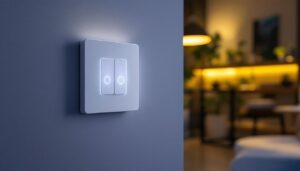
The single-pole switch is the most common type of light switch found in residential and commercial settings. It controls a single light fixture from one location, making it straightforward and easy to use. Typically, these switches feature two terminals and a ground screw, allowing for a simple on/off operation.
When installing single-pole switches, it is crucial to ensure that the wiring is done correctly to avoid any electrical hazards. Proper labeling of wires and adhering to local electrical codes will enhance safety and functionality. Additionally, single-pole switches come in various designs and finishes, allowing homeowners to match them with their interior decor. From sleek modern styles to more traditional designs, the aesthetic appeal of a single-pole switch can complement the overall look of a room.
Three-Way Switches
Three-way switches are designed to control a single light fixture from two different locations, making them ideal for hallways, staircases, and large rooms. These switches have three terminals, allowing for the connection of two switches to one light source.
Installation of three-way switches can be more complex than single-pole switches, as it requires understanding the wiring configuration. Contractors must ensure that the traveler wires are correctly connected to maintain functionality. Additionally, educating clients on how to use three-way switches effectively can enhance their experience. For instance, demonstrating how to turn the light on and off from either switch can be particularly helpful for families with children or elderly members who may not be familiar with the setup. Furthermore, incorporating three-way switches in strategic locations can significantly improve the convenience and safety of navigating spaces, especially in dimly lit areas.
Dimmers
Dimmers provide an added layer of control over lighting, allowing users to adjust brightness according to their preferences. These switches can be found in single-pole and three-way configurations, making them versatile for various applications.
When recommending dimmers, contractors should consider the type of lighting being used, as not all bulbs are compatible with dimmer switches. For instance, LED and CFL bulbs may require specific dimmers to function correctly. Educating clients about the benefits of dimmers, such as energy savings and mood enhancement, can also lead to increased satisfaction. Moreover, the ability to create different lighting atmospheres can transform a space; for example, a dimmed light can create a cozy ambiance for movie nights, while brighter settings are ideal for tasks like reading or cooking. As more homeowners seek to enhance their living environments, the installation of dimmers has become a popular choice, reflecting a growing trend towards customizable and energy-efficient lighting solutions.
Installation Best Practices
Proper installation of light switches is critical for safety and functionality. Following best practices not only ensures compliance with electrical codes but also enhances the longevity of the installation.
Tools and Materials
Before starting an installation, contractors should gather the necessary tools and materials. Essential tools include a screwdriver, wire stripper, voltage tester, and electrical tape. Additionally, having the right type of switch and compatible wiring on hand will streamline the installation process.
Using high-quality materials is equally important. Contractors should source switches and wiring from reputable manufacturers to ensure reliability and safety. This commitment to quality can significantly reduce the likelihood of future issues, enhancing the contractor’s reputation.
Safety Precautions
Safety should always be the top priority when working with electrical installations. Before beginning any work, contractors must turn off the power at the circuit breaker and use a voltage tester to confirm that no current is flowing through the wires. This precaution helps prevent electrical shocks and accidents.
Additionally, wearing appropriate personal protective equipment (PPE), such as gloves and safety glasses, can further mitigate risks. Educating clients about the importance of safety during the installation process can also foster trust and confidence in the contractor’s expertise.
Wiring Techniques
Understanding proper wiring techniques is essential for ensuring that light switches function correctly. Contractors should be familiar with the color coding of wires—typically, black or red wires are hot, white wires are neutral, and green or bare wires are ground.
When connecting wires to a switch, it is important to strip the insulation carefully and secure the connections tightly. Loose connections can lead to flickering lights or even electrical fires. Utilizing wire nuts or terminal screws can help create secure connections that withstand the test of time.
Common Issues and Troubleshooting
Even with proper installation, issues can arise with light switches. Being able to troubleshoot these problems effectively is crucial for lighting contractors.
Flickering Lights
Flickering lights can be a common complaint among clients. This issue may arise from loose connections, incompatible bulbs, or faulty switches. Contractors should first check the wiring connections at the switch and the fixture to ensure everything is secure.
If the connections are tight, the next step is to examine the bulbs. Replacing them with compatible options or testing with known working bulbs can help identify the source of the flickering. If the problem persists, it may be necessary to replace the switch itself.
Switch Not Working
When a light switch fails to operate, it can be frustrating for clients. The first step in troubleshooting is to check the circuit breaker to ensure that the circuit is not tripped. If the breaker is intact, contractors should inspect the switch for signs of damage or wear.
Testing the switch with a voltage tester can help determine if power is reaching the switch. If there is no power, the issue may lie in the wiring or the circuit. In such cases, further investigation may be necessary to identify and resolve the underlying problem.
Overheating Switches
Overheating switches can pose a significant safety hazard. If a switch becomes excessively hot to the touch, it may indicate an overload or a faulty switch. Contractors should advise clients to turn off the power immediately and refrain from using the switch until it has been inspected.
During the inspection, contractors should check for overloaded circuits, as too many devices on a single circuit can cause overheating. If the switch is found to be defective, replacing it with a higher-rated switch may be necessary to prevent future issues.
Energy Efficiency and Smart Lighting Solutions
With the growing emphasis on energy efficiency, lighting contractors should be well-versed in modern solutions that promote sustainability. Smart lighting systems and energy-efficient switches are becoming increasingly popular among consumers.
Smart Light Switches
Smart light switches allow users to control their lighting remotely via smartphones or voice-activated assistants. These switches often come with features such as scheduling, dimming, and energy monitoring, providing convenience and efficiency.
When installing smart switches, contractors must ensure that the existing wiring is compatible with the technology. Educating clients about the benefits of smart lighting, such as energy savings and enhanced control, can help drive interest in these modern solutions.
Energy-Efficient Lighting
Incorporating energy-efficient lighting options, such as LED bulbs, into installations can significantly reduce energy consumption. Contractors should be knowledgeable about the various types of energy-efficient bulbs available and their compatibility with different switches.
Promoting energy-efficient solutions not only benefits clients by lowering utility bills but also aligns with the growing trend towards sustainability. Highlighting the long-term savings and environmental benefits can make a compelling case for clients to invest in energy-efficient lighting systems.
Client Education and Communication
Effective communication with clients is vital for ensuring satisfaction and trust. Lighting contractors should prioritize educating clients about their lighting systems, including the functionality of switches and maintenance tips.
Explaining Switch Functionality
Many clients may not fully understand how their light switches operate. Taking the time to explain the differences between single-pole, three-way, and dimmer switches can empower clients to make informed decisions about their lighting needs.
Providing demonstrations on how to use different types of switches, especially smart switches, can enhance the client experience. This not only fosters confidence in the contractor’s expertise but also ensures that clients feel comfortable using their lighting systems.
Maintenance Tips
Educating clients about basic maintenance can prolong the lifespan of their lighting systems. Simple tips, such as regularly checking for loose connections, replacing burnt-out bulbs promptly, and avoiding overloading circuits, can prevent many common issues.
Encouraging clients to reach out with any questions or concerns can also foster a positive relationship. Offering ongoing support and being available for troubleshooting can set a contractor apart from competitors and build long-term client loyalty.
Conclusion
Light switches are an integral part of any lighting installation, and understanding their types, installation techniques, and troubleshooting methods is essential for lighting contractors. By staying informed about the latest trends in energy efficiency and smart technology, contractors can provide valuable solutions to their clients.
Moreover, prioritizing safety, effective communication, and client education will enhance the contractor-client relationship, leading to increased satisfaction and repeat business. As the lighting industry continues to evolve, staying abreast of new developments will ensure that contractors remain competitive and successful in their field.
Get Your Premium Lighting Supplies at LumenWholesale
Ready to elevate your lighting projects with the highest quality switches and lighting solutions? Look no further than LumenWholesale. Our commitment to providing spec-grade lighting products at unbeatable wholesale prices ensures that you have access to the best value in the industry. Say goodbye to local distributor markups and hello to a vast selection of reliable, high-performance lighting essentials. With the convenience of free shipping on bulk orders, LumenWholesale is your go-to source for all your lighting needs. Don’t compromise on quality or price. Wholesale Lighting at the Best Value is just a click away. Experience the difference with LumenWholesale today.