Introduction to Strip Lamp LEDs
In the realm of modern lighting solutions, strip lamp LEDs have emerged as a transformative technology, reshaping the way lighting contractors approach their projects. These flexible, energy-efficient lighting options not only enhance aesthetic appeal but also offer versatility that traditional lighting methods cannot match. As lighting contractors navigate the evolving landscape of design and installation, understanding the implications of strip lamp LEDs becomes essential.
Defining Strip Lamp LEDs
Strip lamp LEDs, often referred to as LED tape or ribbon lights, are composed of multiple small LED bulbs mounted on a flexible circuit board. This design allows them to be easily cut to length and installed in a variety of locations, making them ideal for both residential and commercial applications. Their low profile and lightweight nature enable creative lighting solutions in spaces where traditional fixtures may not fit. Additionally, strip lamp LEDs can be found in various colors and color temperatures, allowing for customization that can cater to specific moods or themes within a space. This adaptability makes them a favorite among interior designers and architects alike, who often seek to create unique atmospheres that resonate with the intended use of each area.
Benefits of Strip Lamp LEDs
The advantages of strip lamp LEDs extend beyond their physical characteristics. They are known for their energy efficiency, longevity, and low heat emission. These features not only reduce energy costs for clients but also minimize the need for frequent replacements, which can be a significant consideration for contractors managing project budgets and timelines. Furthermore, the ease of installation associated with strip lamp LEDs can lead to reduced labor costs and quicker project turnaround times. The ability to integrate these lights with smart home systems further enhances their appeal, allowing users to control lighting remotely or set schedules for automatic adjustments. This level of control not only improves convenience but also promotes energy savings by ensuring lights are only on when needed, aligning with the growing trend of sustainable living practices.
Impact on Design Flexibility
One of the most significant impacts of strip lamp LEDs on lighting contractors’ projects is the enhanced design flexibility they offer. Traditional lighting fixtures often impose limitations on where and how light can be distributed. In contrast, strip LEDs can be installed in tight spaces, along curves, or even integrated into furniture, allowing for innovative design solutions. This adaptability not only streamlines the installation process but also encourages a more creative approach to lighting design, enabling contractors to push the boundaries of conventional layouts.
Creative Applications in Residential Spaces
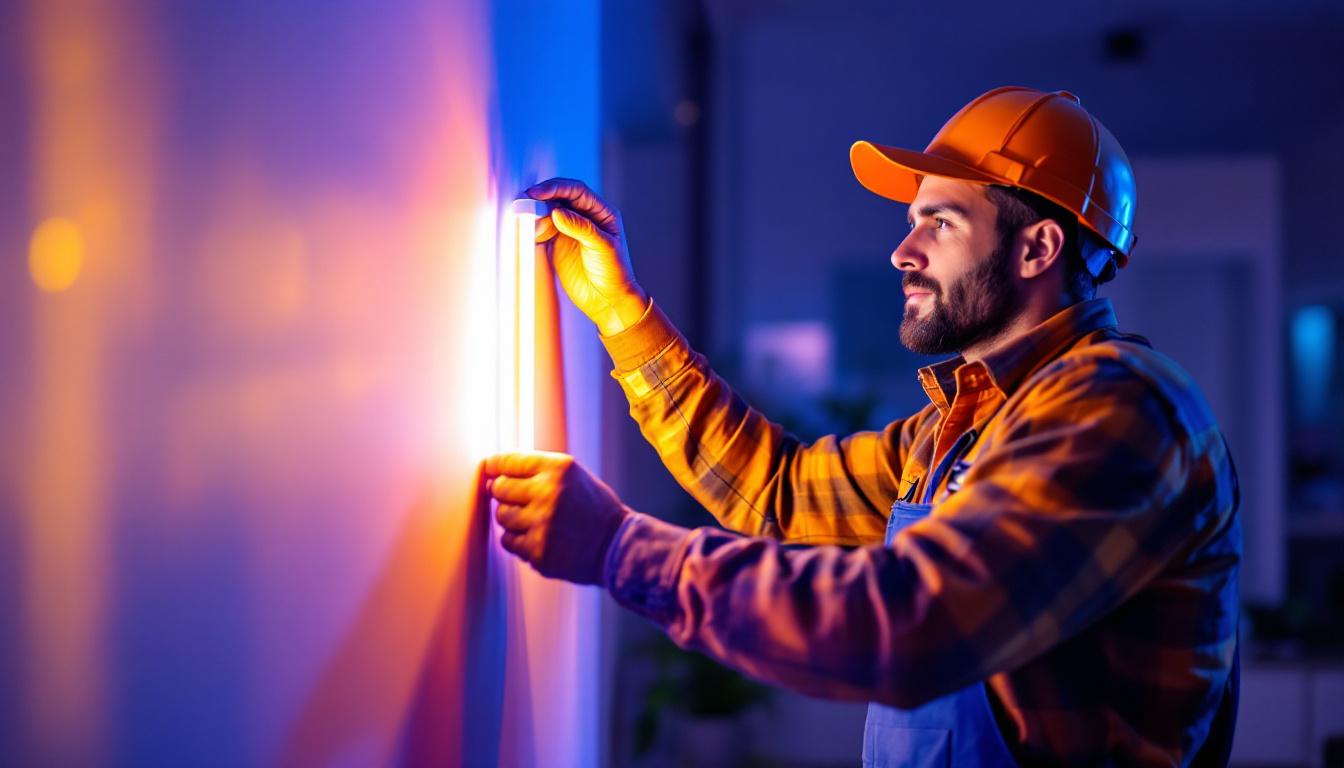
In residential settings, strip lamp LEDs can be used to create ambient lighting, accent features, or task lighting. For instance, they can be installed under kitchen cabinets to illuminate countertops or along staircases to provide safety without compromising design aesthetics. This versatility allows contractors to meet diverse client needs while showcasing their creativity. Furthermore, the ability to customize colors and brightness levels means that homeowners can easily adjust the mood of their space, whether they are hosting a dinner party or enjoying a quiet evening at home. The seamless integration of these lights into architectural elements, such as coves or recesses, can also enhance the overall design, creating a sense of cohesion and sophistication.
Commercial and Retail Uses
In commercial environments, strip lamp LEDs can enhance branding and customer experience. Retail spaces can utilize these lights to highlight products or create dynamic displays. The ability to change colors and intensities easily makes them suitable for seasonal promotions or themed events, providing contractors with tools to deliver tailored solutions to their clients. Additionally, strip LEDs can be strategically placed in high-traffic areas to guide customers through a store, subtly influencing their shopping behavior. Beyond retail, these lights are also finding their way into hospitality settings, where they can set the tone for an entire dining experience or create inviting atmospheres in hotel lobbies. The flexibility of strip lamp LEDs not only supports aesthetic goals but also aligns with the functional aspects of commercial design, making them an invaluable asset in modern lighting projects.
Installation Considerations
While strip lamp LEDs offer numerous advantages, their installation requires careful planning and consideration. Lighting contractors must be aware of various factors to ensure optimal performance and longevity of the lighting solutions they provide.
Power Supply and Compatibility
One of the primary considerations during installation is the power supply. Strip lamp LEDs typically operate on low voltage, necessitating the use of compatible transformers or drivers. Contractors must ensure that the power supply matches the strip’s specifications to avoid performance issues. Additionally, understanding the compatibility of different LED types with existing systems is crucial for seamless integration. It is also important to account for the total wattage of the LED strips being used, as exceeding the power supply’s capacity can lead to flickering lights or even damage to the LEDs. Proper labeling and documentation of the power supply specifications can help in future maintenance and troubleshooting.
Heat Management and Ventilation
Although LED technology generates less heat than traditional lighting, adequate ventilation is still essential, especially in enclosed spaces. Contractors should consider heat dissipation when planning installations, as excessive heat can reduce the lifespan of the LEDs and affect their color output. Proper placement and the use of heat sinks can mitigate these risks, ensuring a successful installation. Additionally, the choice of materials surrounding the LED strips can influence heat retention. For instance, using heat-resistant materials can significantly enhance the performance of the lighting system. It’s also beneficial to incorporate thermal management strategies, such as spacing the strips appropriately and ensuring that air can circulate freely around the fixtures, to maintain optimal operating temperatures.
Installation Environment
The environment in which the LED strips are installed plays a significant role in their performance and durability. Factors such as humidity, exposure to moisture, and temperature fluctuations can impact the longevity of the lighting system. For outdoor installations, contractors should select LED strips that are rated for wet or damp locations to prevent water damage. Furthermore, considering the aesthetic and functional aspects of the installation environment is crucial. For example, in areas with high foot traffic, using robust mounting solutions can prevent accidental damage and ensure that the strips remain securely in place. In contrast, in more decorative settings, the use of diffusers or frosted covers can enhance the visual appeal while softening the light output, creating a more inviting atmosphere.
Energy Efficiency and Sustainability
As the demand for sustainable solutions grows, lighting contractors are increasingly tasked with providing energy-efficient options. Strip lamp LEDs stand out in this regard, making them a preferred choice for eco-conscious projects.
Reducing Energy Consumption
Strip lamp LEDs consume significantly less energy compared to traditional incandescent or fluorescent lights. This reduction in energy consumption not only lowers utility bills for clients but also contributes to a smaller carbon footprint. For contractors, promoting energy-efficient solutions can enhance their reputation and appeal to a growing market segment focused on sustainability.
Longevity and Waste Reduction
The longevity of strip lamp LEDs further supports sustainability efforts. With lifespans often exceeding 25,000 hours, these lights require less frequent replacement, resulting in reduced waste. Contractors can emphasize this benefit to clients, showcasing how investing in quality lighting solutions aligns with long-term environmental goals.
Challenges and Considerations
Despite their many advantages, strip lamp LEDs also present challenges that lighting contractors must navigate. Understanding these challenges is essential for successful project execution and client satisfaction.
Color Consistency and Quality
One challenge contractors may encounter is ensuring color consistency across different LED strips. Variations in manufacturing can lead to discrepancies in color temperature and brightness, which may affect the overall aesthetic of a project. It is crucial for contractors to source high-quality products from reputable manufacturers to mitigate this issue and maintain design integrity.
Installation Complexity
While strip lamp LEDs are generally easy to install, complex projects may require advanced techniques. For example, contractors may need to create custom mounting solutions or integrate the strips with smart home technology. Adequate training and experience in these areas can enhance the contractor’s ability to deliver high-quality installations, ultimately leading to greater client satisfaction.
Future Trends in Strip Lamp LED Technology
The lighting industry is continuously evolving, and strip lamp LEDs are at the forefront of this transformation. Staying informed about emerging trends and technologies is vital for lighting contractors looking to maintain a competitive edge.
Smart Lighting Integration
One of the most exciting trends is the integration of smart technology with strip lamp LEDs. As smart homes become increasingly popular, the demand for lighting solutions that can be controlled remotely or automated is on the rise. Contractors who can offer smart LED strip solutions will be well-positioned to meet client demands and enhance their service offerings.
Advancements in Color Technology
Advancements in color technology are also shaping the future of strip lamp LEDs. New products featuring tunable white and RGB capabilities allow for dynamic color adjustments, enabling contractors to create personalized lighting experiences for their clients. This flexibility not only enhances the aesthetic appeal of spaces but also allows for functional adjustments based on the time of day or activity.
Conclusion
Strip lamp LEDs have revolutionized the lighting industry, providing lighting contractors with innovative tools to enhance their projects. Their versatility, energy efficiency, and potential for creative applications make them an invaluable asset in both residential and commercial settings. However, as with any technology, understanding the challenges and considerations associated with their installation is crucial for success.
By staying informed about emerging trends and advancements in strip lamp LED technology, lighting contractors can position themselves as industry leaders, ready to meet the evolving needs of their clients. Embracing this technology not only enhances project outcomes but also contributes to a more sustainable future in lighting design.
Illuminate Your Projects with LumenWholesale
Ready to elevate your lighting projects with the innovative power of strip lamp LEDs? Look no further than LumenWholesale, where we provide lighting contractors with the highest quality, spec-grade lighting products at unbeatable wholesale prices. Our commitment to cutting out the middleman means you get superior lighting without the inflated markups, ensuring every project shines with reliability and high performance. Plus, with free shipping on bulk orders, you can stock up on premium lighting solutions at the best value — no hidden fees, no compromises. Don’t miss out on the perfect combination of quality, affordability, and convenience. Visit LumenWholesale today and discover the best in wholesale lighting at the best value for your next project.