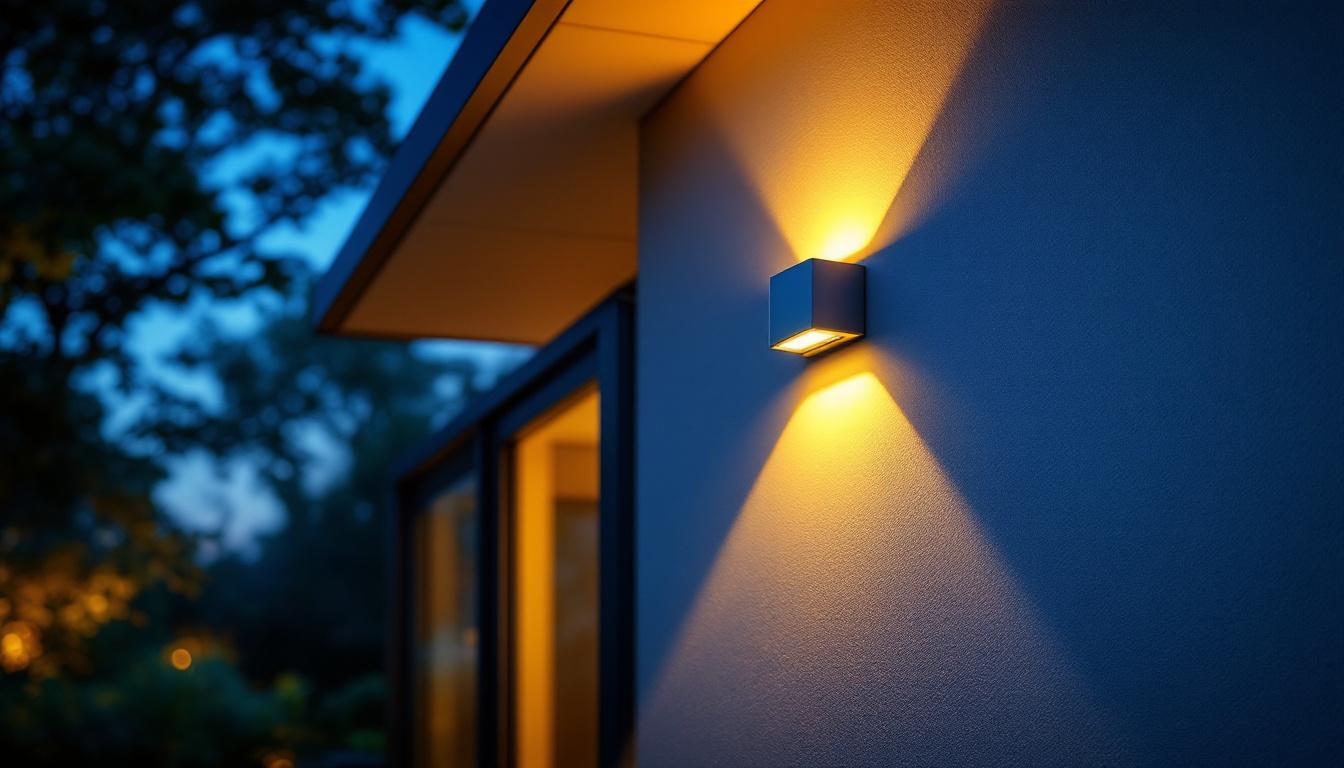
As the demand for innovative lighting solutions continues to rise, inset lighting has emerged as a popular choice among homeowners and commercial property managers. This article provides valuable insights and ideas for lighting contractors looking to enhance their offerings and meet client expectations.
Understanding Inset Lighting
Inset lighting, often referred to as recessed lighting, involves fixtures that are installed into the ceiling or wall, creating a sleek and unobtrusive appearance. This type of lighting is ideal for various spaces, including residential homes, offices, and retail environments. Its versatility allows it to serve multiple purposes, from ambient lighting to task lighting.
The Benefits of Inset Lighting
One of the primary advantages of inset lighting is its ability to save space. Unlike traditional fixtures that hang from ceilings or protrude from walls, inset lights are flush with the surface, making them an excellent choice for rooms with low ceilings. This design not only maximizes headroom but also contributes to a clean, modern aesthetic.
Additionally, inset lighting can enhance the overall ambiance of a space. By strategically placing these fixtures, contractors can create layers of light that add depth and interest to a room. Whether it’s highlighting artwork, illuminating a kitchen workspace, or providing soft lighting in a bedroom, inset lights can be tailored to meet specific needs.
Moreover, inset lighting is highly energy-efficient, especially when using LED bulbs. These fixtures consume significantly less energy compared to traditional incandescent bulbs, leading to lower electricity bills and a reduced carbon footprint. With advancements in technology, many inset lighting options now come with dimmable features, allowing users to adjust the brightness according to their mood or activity, further enhancing energy savings and versatility.
Another noteworthy aspect of inset lighting is its ability to integrate seamlessly with smart home systems. Homeowners can control their recessed lights through mobile apps or voice commands, enabling them to create customized lighting scenarios that suit their lifestyle. This modern convenience not only adds to the functionality of a space but also elevates the overall user experience, making inset lighting a popular choice in contemporary design.
Design Considerations for Inset Lighting
When planning inset lighting installations, several design considerations should be taken into account. These factors can significantly influence the effectiveness and appeal of the final result.
Placement and Spacing
Proper placement and spacing of inset lights are crucial for achieving the desired lighting effect. A common guideline is to space fixtures approximately 4 to 6 feet apart, depending on the height of the ceiling and the intended brightness of the space. For higher ceilings, wider spacing may be appropriate, while lower ceilings may require closer placement to ensure adequate illumination.
It’s also essential to consider the room’s layout. In open-concept spaces, a grid pattern can create a balanced look, while in smaller rooms, a more focused approach may be necessary. Incorporating dimmers can further enhance flexibility, allowing clients to adjust the lighting to suit different activities and moods. Additionally, it’s important to assess the natural light sources in the room, as these can affect how inset lighting interacts with the overall ambiance. For instance, rooms with large windows may require less artificial light during the day, whereas those with limited natural light will benefit from strategically placed fixtures that enhance brightness without overwhelming the space.
Choosing the Right Fixtures
With a plethora of options available, selecting the right fixtures is vital. Lighting contractors should consider factors such as the size of the fixture, the type of bulb, and the color temperature. Smaller fixtures work well in tight spaces, while larger ones can make a statement in expansive areas.
LED options are increasingly popular due to their energy efficiency and longevity. Contractors should also educate clients on the benefits of warm versus cool color temperatures, as this can greatly influence the ambiance of a room. Warm tones create a cozy atmosphere, while cooler tones can evoke a more modern and energetic feel. Beyond color temperature, the design of the fixture itself can play a significant role in the overall aesthetic. Sleek, minimalist designs may complement contemporary interiors, while more ornate fixtures can enhance traditional decor. Furthermore, considering the beam angle of the fixtures can help in achieving the desired lighting effect; narrow beams are ideal for highlighting specific areas, while wider beams can provide more general illumination, making them suitable for larger spaces or open areas.
Applications of Inset Lighting
Inset lighting is highly versatile and can be used in various applications. Understanding these different uses can help contractors provide tailored solutions to their clients.
Residential Applications
In residential settings, inset lighting can be utilized in numerous ways. In living rooms, it can provide ambient lighting while accentuating architectural features. In kitchens, recessed lights can illuminate countertops and cooking areas, enhancing functionality.
Bedrooms benefit from inset lighting as well, where soft, dimmable options can create a relaxing environment. Additionally, using inset lighting in hallways and entryways can improve visibility and safety while adding a touch of elegance.
Commercial Applications
For commercial spaces, inset lighting can play a critical role in branding and customer experience. Retail environments often use recessed lighting to highlight products and create an inviting atmosphere. In offices, it can enhance productivity by providing adequate task lighting without causing glare on screens.
Moreover, in hospitality settings, such as hotels and restaurants, inset lighting can contribute to the overall ambiance, making spaces feel warm and welcoming. By understanding the specific needs of each commercial client, contractors can recommend customized lighting solutions that align with business goals.
Trends in Inset Lighting
Staying updated on the latest trends in inset lighting can provide contractors with a competitive edge. Clients often seek modern solutions that reflect current design aesthetics and technological advancements.
Smart Lighting Solutions
The rise of smart home technology has significantly impacted the lighting industry. Inset lighting can now be integrated with smart systems, allowing homeowners to control their lighting through mobile apps or voice commands. This capability not only enhances convenience but also allows for customizable lighting scenarios that can adapt to different occasions.
Contractors should familiarize themselves with various smart lighting products and systems to offer clients comprehensive solutions. This knowledge can also help in troubleshooting and installation, ensuring a seamless experience for the end-user.
Energy Efficiency and Sustainability
As sustainability becomes a priority for many homeowners and businesses, energy-efficient lighting solutions are increasingly sought after. Inset LED lights are a popular choice due to their low energy consumption and long lifespan. Contractors can educate clients on the environmental benefits of choosing energy-efficient options, which can also lead to cost savings on utility bills.
Incorporating sustainable practices into lighting installations can enhance a contractor’s reputation and appeal to environmentally conscious clients. This commitment to sustainability can be a strong selling point in a competitive market.
Installation Tips for Lighting Contractors
Successful installation of inset lighting requires careful planning and execution. Here are some essential tips for lighting contractors to ensure a smooth process.
Pre-Installation Planning
Before beginning an installation, it’s crucial to conduct a thorough assessment of the space. This includes understanding the client’s lighting needs, measuring the area, and identifying any potential obstacles, such as ductwork or plumbing. Creating a detailed plan can help avoid complications during installation.
Additionally, contractors should communicate clearly with clients about the installation process, including timelines and any potential disruptions. Setting realistic expectations can lead to a more positive experience for everyone involved.
Safety Considerations
Safety should always be a top priority during installation. Contractors must adhere to local electrical codes and regulations to ensure compliance and safety. This includes using appropriate tools and equipment, as well as taking necessary precautions when working with electricity.
Proper training and certification can also enhance a contractor’s credibility. By staying informed about safety standards and best practices, contractors can minimize risks and provide clients with peace of mind.
Maintaining Inset Lighting
Once installed, maintaining inset lighting is essential for ensuring longevity and optimal performance. Educating clients on proper care can enhance their satisfaction and prolong the lifespan of the fixtures.
Regular Cleaning and Inspections
Dust and debris can accumulate on light fixtures, diminishing their brightness and efficiency. Contractors should recommend regular cleaning schedules to clients, emphasizing the importance of using appropriate cleaning materials to avoid damage.
Additionally, periodic inspections can help identify any potential issues before they escalate. Encouraging clients to monitor their lighting systems can lead to timely maintenance and repairs, ensuring a consistently pleasant lighting experience.
Upgrading Fixtures
As technology evolves, clients may wish to upgrade their lighting fixtures to take advantage of new features or improved efficiency. Contractors should stay informed about the latest products and trends, allowing them to provide clients with informed recommendations.
Offering upgrade options can also present opportunities for additional business, as satisfied clients may seek further enhancements to their lighting systems.
Conclusion
Inset lighting presents a wealth of opportunities for lighting contractors to enhance their offerings and meet the evolving needs of clients. By understanding the benefits, design considerations, applications, and trends, contractors can provide tailored solutions that elevate spaces and improve functionality.
Through careful planning, installation, and maintenance, contractors can ensure that inset lighting installations not only meet but exceed client expectations. As the lighting industry continues to evolve, staying informed and adaptable will be key to success in this dynamic field.
Get Your Premium Inset Lighting Supplies at LumenWholesale
Ready to elevate your lighting projects with the finest inset lighting products? Look no further than LumenWholesale, where we provide contractors with exceptional, spec-grade lighting at unbeatable wholesale prices. Our commitment to quality and affordability ensures that you have access to a vast selection of reliable, high-performance lighting solutions for every design need. Plus, with the convenience of free shipping on bulk orders, you can stock up on premium lighting without the worry of hidden fees or compromises. Make the smart choice for your business and experience the best value in wholesale lighting today!