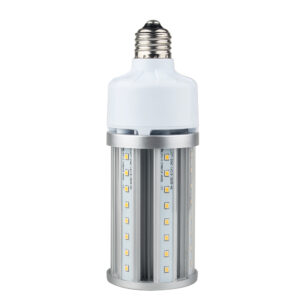
Changing a ballast in a fluorescent light fixture is a routine task for lighting contractors, yet it is often accompanied by common pitfalls that can lead to inefficiencies and increased costs. Understanding these mistakes can enhance the quality of work and improve client satisfaction. This article outlines the essential steps for changing a ballast and highlights the common errors to avoid.
Understanding the Role of a Ballast
Before diving into the process of changing a ballast, it is crucial to understand its function. A ballast regulates the current to the fluorescent lamps and provides the necessary voltage to start the lamps. Without a properly functioning ballast, the lights may flicker, hum, or fail to illuminate altogether. The importance of a ballast cannot be overstated, as it not only ensures optimal performance of the lighting system but also contributes to energy efficiency. A well-functioning ballast can help extend the lifespan of the fluorescent lamps, reducing the frequency of replacements and minimizing waste.
Ballasts come in different types, including magnetic and electronic. Each type has its own installation requirements and characteristics, which can influence the approach taken during replacement. Familiarizing oneself with these differences is essential for effective troubleshooting. For instance, magnetic ballasts are typically heavier and can be less energy-efficient than their electronic counterparts, which are lighter and often provide better control over the lighting output. Understanding these nuances can help in selecting the right ballast for specific applications, ensuring that the lighting system operates at its best.
Identifying Ballast Failure
Recognizing the signs of a failing ballast is the first step in addressing lighting issues. Common symptoms include flickering lights, buzzing sounds, or lights that do not turn on at all. Sometimes, the issue may not lie with the ballast but with the fluorescent tubes themselves. Therefore, a thorough inspection is necessary. It’s also worth noting that environmental factors, such as temperature fluctuations and humidity levels, can impact ballast performance. For example, extreme cold can cause ballasts to underperform, leading to dim lighting or delayed start times.
Contractors should also be aware that a burnt-out ballast can sometimes cause damage to the fluorescent tubes, leading to the need for simultaneous replacement. This can increase costs and time on the job, making it essential to diagnose the issue accurately from the outset. Additionally, understanding the age and usage patterns of the lighting system can provide valuable insights into potential ballast issues. Regular maintenance checks can help catch problems early, preventing more extensive damage and ensuring that the lighting remains reliable and efficient. By staying proactive, contractors can not only save on replacement costs but also enhance the overall quality of the lighting environment for their clients.
Essential Tools and Safety Precautions
Before starting any electrical work, ensuring the right tools and safety measures are in place is paramount. Basic tools include a screwdriver, wire cutters, wire strippers, and a voltage tester. Having these tools readily available can streamline the process and minimize delays.
Safety should always be the top priority. Before beginning the replacement, contractors must turn off the power to the fixture at the circuit breaker. Using a voltage tester to confirm that the power is off can prevent accidents and ensure a safe working environment.
Proper Personal Protective Equipment (PPE)
Wearing appropriate personal protective equipment is also crucial. Safety glasses can protect the eyes from debris, while gloves can prevent cuts and electrical shocks. Ensuring that the work area is clear of hazards further contributes to a safe working environment.
Step-by-Step Guide to Changing a Ballast
Once the necessary tools and safety precautions are in place, the actual process of changing the ballast can begin. Following a systematic approach can help avoid mistakes and ensure a successful replacement.
1. Remove the Fluorescent Tubes
The first step in changing a ballast is to remove the fluorescent tubes. This typically involves rotating the tubes a quarter turn and gently pulling them out of the sockets. Care should be taken to avoid breaking the tubes, as they can shatter and create a safety hazard.
Once the tubes are removed, they should be placed in a safe location to prevent damage. It is also advisable to inspect the tubes for any signs of wear or damage, as this may necessitate their replacement as well.
2. Access the Ballast Compartment
After removing the tubes, the next step is to access the ballast compartment. This usually involves removing the cover of the fixture, which may be secured with screws or clips. Using the appropriate screwdriver can help avoid stripping the screws, which can complicate reassembly.
Once the cover is removed, the ballast will be visible. It is essential to take note of how the ballast is wired, as this will serve as a reference for the installation of the new ballast.
3. Disconnect the Old Ballast
With the ballast exposed, the next step is to disconnect it from the fixture. This usually involves unscrewing the ballast from its mounting bracket and disconnecting the wires. It is important to remember the color coding of the wires, as this will be crucial for connecting the new ballast.
Using a wire cutter to snip the wires may seem efficient, but it is advisable to disconnect them carefully to avoid damaging the existing wiring in the fixture. Taking a photo of the connections can also serve as a helpful reference during reinstallation.
4. Install the New Ballast
Once the old ballast is removed, the new ballast can be installed. Begin by securing the new ballast to the mounting bracket. Then, connect the wires according to the color coding or the reference photo taken earlier. Ensuring that the connections are secure is critical to avoid future issues.
After all connections are made, double-check the wiring to ensure accuracy. A mistake in wiring can lead to further electrical issues or even damage to the new ballast.
5. Reassemble the Fixture
With the new ballast installed, the next step is to reassemble the fixture. This involves replacing the cover and ensuring that all screws or clips are securely fastened. Once reassembled, the fluorescent tubes can be reinserted into their sockets.
Before turning the power back on, it is advisable to conduct a final inspection to ensure everything is in order. This includes checking for any loose wires or parts that may have been overlooked during reassembly.
Common Mistakes to Avoid
Even experienced lighting contractors can fall victim to common mistakes when changing a ballast. Being aware of these pitfalls can help prevent costly errors and ensure a smooth installation process.
Neglecting to Turn Off Power
One of the most critical mistakes is neglecting to turn off the power before starting work. This oversight can lead to serious injuries and should never be taken lightly. Always verify that the power is off using a voltage tester before proceeding with any electrical work.
Incorrect Wiring Connections
Incorrect wiring connections are another frequent error. Misconnecting wires can lead to malfunctioning fixtures or even electrical fires. Contractors should take the time to double-check their connections against the reference taken during disassembly.
It’s also important to use wire nuts or other appropriate connectors to secure the connections. Loose connections can lead to flickering lights or complete failure of the ballast.
Overlooking Compatibility Issues
Using a ballast that is not compatible with the fluorescent tubes can result in poor performance or damage. Contractors must ensure that the new ballast matches the specifications required for the existing tubes. This includes checking the wattage and type of ballast to avoid compatibility issues.
Post-Installation Testing
Once the ballast has been replaced and the fixture reassembled, conducting a thorough test is essential. This step ensures that the installation was successful and that the lights are functioning correctly.
Powering On the Fixture
After confirming that everything is securely in place, the power can be restored at the circuit breaker. Turning on the fixture should result in the lights illuminating without any flickering or buzzing sounds.
If any issues arise during testing, it may be necessary to revisit the installation to troubleshoot the problem. This could involve checking the wiring connections or ensuring that the ballast is correctly installed.
Client Communication
Once the installation is complete and functioning correctly, communicating with the client is vital. Informing them about the work done, any issues encountered, and how to maintain their lighting system can build trust and enhance customer satisfaction.
Providing clients with information on the expected lifespan of the new ballast and any warranties can also be beneficial. This transparency can lead to repeat business and positive referrals.
Conclusion
Changing a ballast in a fluorescent light fixture is a routine task for lighting contractors, but it is not without its challenges. By understanding the common mistakes that can occur during this process, contractors can improve their efficiency and ensure client satisfaction.
From recognizing the signs of ballast failure to ensuring proper safety measures and installation techniques, each step is crucial for a successful outcome. By following the outlined steps and avoiding common pitfalls, lighting contractors can enhance their skills and provide exceptional service to their clients.
Ultimately, investing time in learning and refining the process of changing a ballast can lead to greater success in the field, fostering a reputation for quality and reliability in lighting services.
Upgrade Your Lighting Projects with LumenWholesale
Ready to elevate your lighting projects and avoid common installation mistakes? At LumenWholesale, we provide lighting contractors with the highest quality, spec-grade lighting products at prices that can’t be beaten. Say goodbye to local distributor markups and hello to a vast selection of reliable, high-performance lighting that meets the strictest industry standards. Plus, with free shipping on bulk orders, you can stock up on premium lighting essentials without worrying about hidden fees. Make your next project a shining example of quality and value. Wholesale Lighting at the Best Value is just a click away—experience the LumenWholesale difference today!