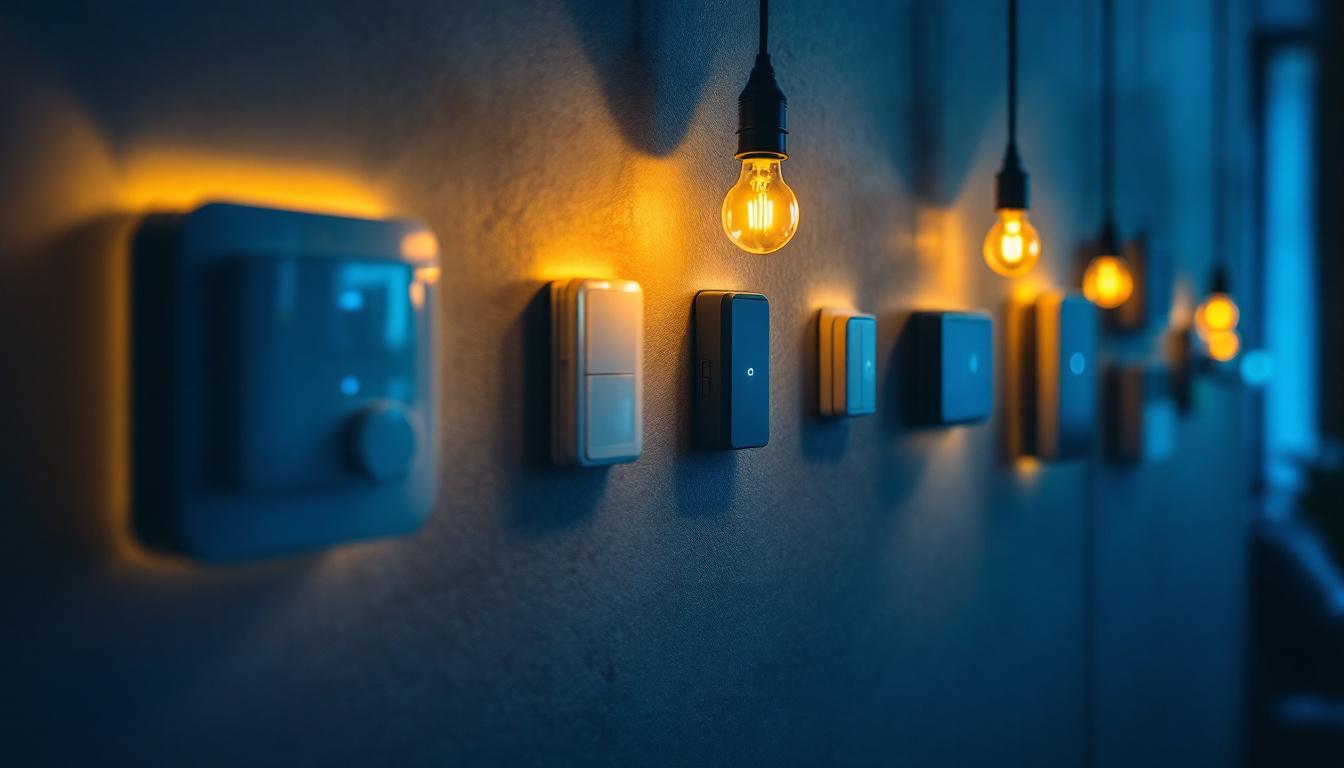
Sensor Switches: The Growing Importance in the Lighting Industry
In an era where energy efficiency and smart technology are at the forefront of innovation, sensor switches have emerged as a crucial component in the lighting industry. These devices not only enhance the functionality of lighting systems but also contribute significantly to energy savings and sustainability. As the demand for smarter, more efficient lighting solutions continues to rise, understanding the role of sensor switches becomes increasingly important for lighting contractors and industry professionals.
The Evolution of Lighting Controls
The transition from traditional lighting systems to advanced control mechanisms has been gradual yet transformative. In the past, lighting controls were predominantly manual, requiring users to physically turn lights on and off. However, with advancements in technology, the introduction of sensor switches has revolutionized how lighting systems operate.
From Manual to Automated Solutions
Manual controls, while straightforward, often lead to inefficiencies. Lights left on in unoccupied spaces waste energy and increase operational costs. The advent of sensor switches has enabled automated solutions that respond to the presence of individuals in a space. These sensors can detect motion, ambient light levels, and even occupancy, allowing for a more intelligent approach to lighting management.
As a result, lighting contractors are now equipped with tools that not only improve energy efficiency but also enhance user experience. The ability to automate lighting based on real-time conditions means that spaces can be better utilized, leading to increased comfort and productivity.
Integration with Smart Technologies
The integration of sensor switches with smart technologies has further expanded their capabilities. Modern sensor switches can be connected to building management systems, allowing for centralized control and monitoring. This integration facilitates data collection on energy usage, helping contractors and facility managers make informed decisions about their lighting strategies.
Moreover, the compatibility of sensor switches with smart home systems means that end-users can control their lighting remotely, adding a layer of convenience and customization. This trend is particularly appealing to residential clients seeking to enhance their living environments with cutting-edge technology.
Types of Sensor Switches
Understanding the various types of sensor switches available is essential for lighting contractors aiming to provide tailored solutions to their clients. Each type serves a specific purpose and is suited for different applications.
Occupancy Sensors
Occupancy sensors are designed to detect the presence of individuals in a space. These sensors utilize technologies such as passive infrared (PIR), ultrasonic, or dual-technology to identify movement. When an individual enters a room, the sensor activates the lighting, and once the space is vacated, the lights automatically turn off after a preset duration.
This type of sensor is particularly beneficial in commercial settings, such as offices and restrooms, where lights can be left on for extended periods when unoccupied. By implementing occupancy sensors, contractors can significantly reduce energy consumption and enhance the longevity of lighting fixtures.
Daylight Harvesting Sensors
Daylight harvesting sensors measure the amount of natural light entering a space and adjust artificial lighting accordingly. By utilizing these sensors, contractors can optimize energy usage by ensuring that artificial lights are only used when necessary. For instance, if a room receives ample sunlight during the day, the sensor can dim or turn off the artificial lights, creating a more sustainable lighting environment.
This technology not only contributes to energy savings but also creates a more pleasant atmosphere for occupants. Studies have shown that natural light positively impacts mood and productivity, making daylight harvesting sensors a valuable addition to any lighting design.
Smart Sensors
Smart sensors represent the next generation of lighting control technology. These devices can be integrated with IoT (Internet of Things) platforms, allowing for remote monitoring and control via smartphones or tablets. Smart sensors can provide real-time data analytics, enabling contractors to assess energy usage patterns and make adjustments as needed.
Additionally, smart sensors can be programmed to adapt to user preferences, creating personalized lighting experiences. For example, they can adjust brightness levels based on the time of day or specific activities, enhancing both functionality and comfort.
Benefits of Sensor Switches
The adoption of sensor switches in lighting systems offers numerous benefits that extend beyond energy savings. For lighting contractors, understanding these advantages can help in promoting sensor technologies to clients effectively.
Energy Efficiency
One of the most significant benefits of sensor switches is their ability to enhance energy efficiency. By ensuring that lights are only active when needed, these devices can lead to substantial reductions in energy consumption. This is especially important in commercial buildings where lighting accounts for a significant portion of energy costs.
Moreover, the integration of sensor switches with energy management systems can provide insights into usage patterns, allowing for further optimization. Contractors can leverage this data to recommend additional energy-saving measures, ultimately positioning themselves as experts in sustainable lighting solutions.
Cost Savings
Implementing sensor switches can lead to considerable cost savings for both contractors and clients. Reduced energy consumption translates to lower utility bills, and the extended lifespan of lighting fixtures results in decreased maintenance and replacement costs. For businesses, these savings can significantly impact the bottom line, making sensor switches an attractive investment.
Furthermore, many local governments and utility companies offer incentives for the installation of energy-efficient technologies, including sensor switches. Contractors can guide clients in navigating these programs, further enhancing the financial benefits of adopting such solutions.
Enhanced User Experience
Beyond energy and cost savings, sensor switches contribute to a better user experience. Automated lighting systems create a more comfortable and convenient environment for occupants. For instance, in office settings, employees no longer need to worry about turning lights on and off, allowing them to focus on their tasks without distraction.
Additionally, the ability to customize lighting based on individual preferences enhances satisfaction. Whether in a residential or commercial setting, users appreciate the flexibility that sensor switches provide, allowing them to create the ideal ambiance for any situation.
Challenges and Considerations
While the benefits of sensor switches are compelling, there are also challenges and considerations that lighting contractors must address when recommending these solutions to clients.
Installation and Integration
Installing sensor switches can sometimes be more complex than traditional lighting controls. Contractors must ensure that sensors are correctly positioned to maximize their effectiveness. For instance, occupancy sensors need to be placed in areas where they can accurately detect movement, while daylight harvesting sensors should be positioned to measure natural light levels effectively.
Moreover, integrating sensor switches with existing lighting systems may require additional planning and expertise. Contractors must assess the compatibility of new technologies with older systems and provide clients with a clear understanding of the installation process and potential costs involved.
User Education
Another challenge is educating users about the functionality of sensor switches. While these devices are designed to be intuitive, some clients may be hesitant to embrace new technology. Contractors should take the time to explain how sensor switches work, their benefits, and how to customize settings to meet individual needs.
Providing thorough training and support can help alleviate concerns and encourage clients to fully utilize the capabilities of their new lighting systems. This education can also enhance client satisfaction and foster long-term relationships.
Initial Costs
While sensor switches offer long-term savings, the initial investment can be a barrier for some clients. Contractors must be prepared to discuss the return on investment (ROI) associated with these technologies. By presenting data on potential energy savings and maintenance costs, contractors can help clients see the value in making the switch to sensor-based lighting systems.
The Future of Sensor Switches in Lighting
The future of sensor switches in the lighting industry looks promising, with ongoing advancements in technology and increasing demand for energy-efficient solutions. As smart buildings become more prevalent, the role of sensor switches will continue to evolve.
Increased Connectivity
As the Internet of Things (IoT) expands, sensor switches will become even more interconnected with other building systems. This increased connectivity will allow for more sophisticated lighting control strategies, enabling contractors to design systems that respond dynamically to changing conditions.
For instance, sensor switches could communicate with HVAC systems to optimize energy usage throughout a building, creating a holistic approach to energy management. Such integration will not only enhance efficiency but also improve occupant comfort and satisfaction.
Advancements in Technology
Technological advancements will continue to drive innovation in sensor switches. Emerging technologies such as machine learning and artificial intelligence could enable sensors to learn user behaviors and preferences, leading to even more personalized lighting experiences.
Moreover, improvements in sensor accuracy and reliability will enhance their effectiveness, making them an indispensable part of any lighting design. Contractors will need to stay informed about these advancements to provide clients with the best possible solutions.
Regulatory Changes
As energy efficiency regulations become more stringent, the demand for sensor switches is likely to increase. Governments and regulatory bodies are increasingly recognizing the importance of energy-efficient technologies in reducing carbon footprints and promoting sustainability.
Lighting contractors will play a vital role in helping clients navigate these regulations and implement compliant lighting solutions. By staying ahead of regulatory changes, contractors can position themselves as leaders in the industry and drive the adoption of sensor-based technologies.
Conclusion
Sensor switches are no longer just an optional feature in lighting systems; they have become essential tools for enhancing energy efficiency, reducing costs, and improving user experiences. As the lighting industry continues to evolve, lighting contractors must embrace these technologies and understand their growing importance.
By staying informed about the latest advancements and educating clients on the benefits of sensor switches, contractors can position themselves as trusted advisors in the realm of lighting solutions. The future of the lighting industry is bright, and sensor switches will undoubtedly play a pivotal role in shaping that future.
Illuminate Your Projects with LumenWholesale
Ready to enhance your lighting systems with the efficiency and innovation of sensor switches? At LumenWholesale, we provide lighting contractors with the highest quality, spec-grade lighting products at unbeatable wholesale prices. Say goodbye to inflated markups and hello to a vast selection of reliable, high-performance lighting that meets rigorous industry standards. Plus, enjoy the convenience of bulk buying with free shipping, ensuring you get the premium lighting you need at the best value — without any hidden fees. Elevate your lighting projects today by visiting Wholesale Lighting at the Best Value and discover the LumenWholesale difference.